 bluename
How to Fix Hibiscus Premature Bud Abortion When Hidden Mites Feed Inside Closed Buds
If your hibiscus keeps dropping unopened buds, and you've already ruled out water stress, the culprit is almost certainly hidden mites feeding inside those closed buds. I've watched this happen on my own potted hibiscus three summers in a row, and every time it looked identical: fat, promising buds turning yellow at the base, then hitting the floor before a single petal unfurled. Fixing hibiscus premature bud abortion from hidden mites comes down to three things—confirming the pest, treating the plant correctly for two weeks, and stopping the conditions that invite them back. Below is exactly what worked for me.
Why Hidden Mites Cause Buds to Drop Before They Open
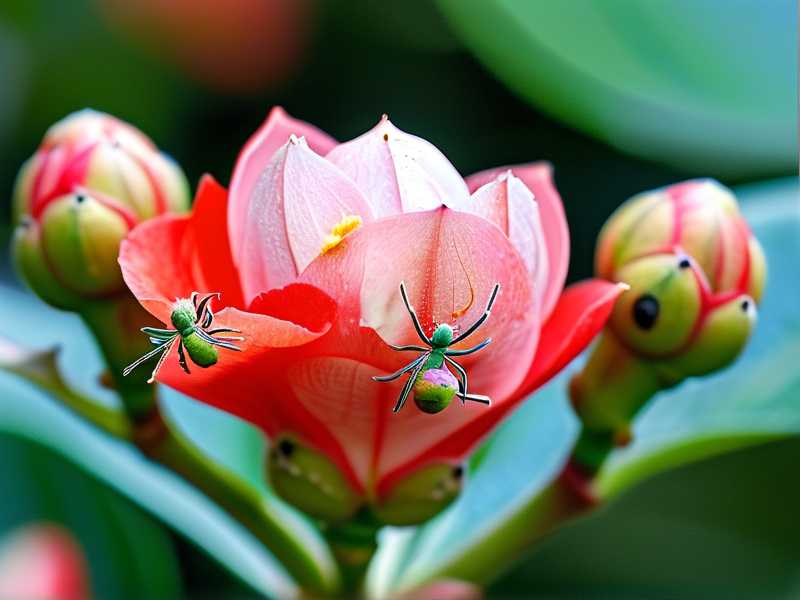
Broad mites and cyclamen mites are tiny. We're talking 0.1 to 0.3 millimeters, basically invisible to the naked eye. They crawl into the tight layers of a closed hibiscus bud where the petals are still folded, and they feed on the tender tissue inside. That feeding kills the bud from within. The plant senses the damage and aborts the bud before it wastes more energy on it. By the time you see yellowing or a slightly brown, crusty look at the bud base, the damage is already done. The RHS notes that broad mite damage often shows up as bud drop and distorted new growth before any pest is visible, which is why so many gardeners blame watering or heat when the real problem is hiding inside the bud itself.
My Two-Week Treatment Diary (What Actually Worked)
Week 1, Days 1 to 3: Confirmation and first spray. I picked three dropped buds, sliced them open on a white plate, and used a cheap 10x jeweler's loupe. Inside two of them I could see specks moving—slow, glassy, almost translucent. That was my confirmation. I mixed a miticide (I used a ready-to-use insecticidal soap with neem for the first round) and sprayed every bud, stem, and leaf underside in the early evening. The AHS gardening resources repeatedly stress covering leaf undersides, but with bud mites you also need to spray the buds themselves directly.
Week 1, Days 4 to 7: Second application. Mites reproduce fast, roughly every 3 to 5 days in warm weather. One spray kills adults but not all eggs. I sprayed again on day 4 and day 7. I did not fertilize during this window—more on that mistake later.
Week 2, Days 8 to 14: Observation and third spray. By day 9, the bud drop slowed. By day 12, the small buds that had looked stressed started holding firm. On day 14, I had one new bud open into a full flower—first one in about a month. That's when I knew I'd broken the cycle.
Three Beginner Mistakes That Make This Worse
-
Overwatering. This is the big one. 90% of indoor plants die from overwatering, and hibiscus is no exception. Wet soil stresses the roots, weakens the plant's natural defenses, and makes mite damage worse because a stressed plant aborts buds more easily. I overwatered my first hibiscus for two months thinking it needed "more care." It dropped every bud and nearly died. If your soil stays wet for more than a day or two after watering, back off.
-
Light misplacement. Hibiscus wants 6 or more hours of direct sun. I once moved mine to a "bright indirect" spot because I read somewhere it was fine. Within a week, bud production stopped and the plant looked sulky. Mites thrive on weak, stressed plants. Get the light right and the plant fights back better.
-
Wrong pot. Hibiscus in a pot that's too large sits in wet soil for too long—same overwatering problem in disguise. A too-small pot dries out too fast and stresses the roots. I killed my second hibiscus in an oversized decorative pot before I understood this. Match pot size to the root ball, and always use a pot with real drainage holes.
How to Treat the Mites Properly
Spray in the evening, never in midday sun. Mites hide in bud crevices, so aim the spray directly into the bud clusters. Rotate your product—use insecticidal soap one round, neem or a miticide the next, so mites don't build resistance. Repeat every 3 to 4 days for at least two weeks. Skip heavy nitrogen fertilizer while treating. I made this mistake once, feeding a struggling hibiscus to "help it recover," and the flush of soft new growth just gave the mites more tender tissue to eat.
Preventing the Next Round
Keep humidity moderate and air moving. Mites love hot, dry, stagnant air, which is exactly what a closed room in summer provides. I run a small fan near my hibiscus now, not blowing directly on it, just keeping air moving. Clean up dropped buds immediately and bag them—don't leave them on the soil surface.
Clean your pruning tools between plants. Mites hitchhike on tools, hands, and even clothing. I keep a spray bottle of rubbing alcohol nearby and wipe my snips after every plant.
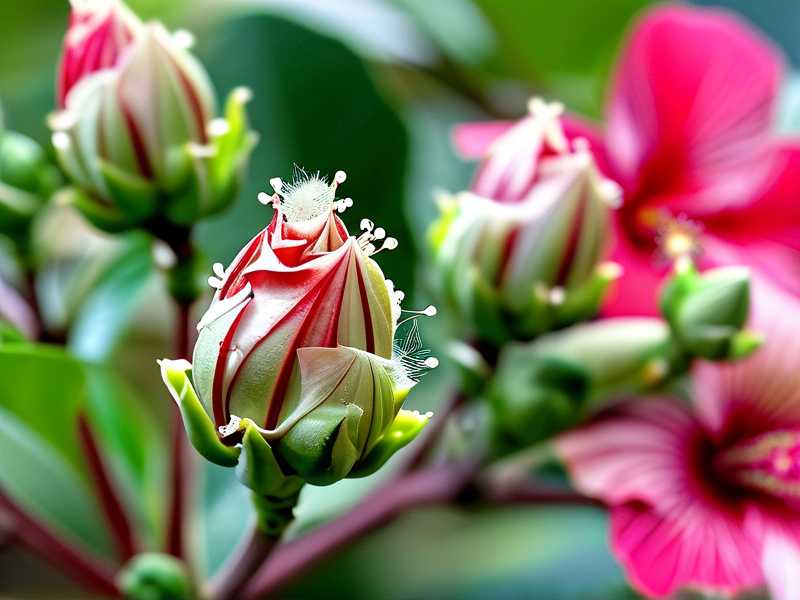
Inspect new plants before bringing them home. Quarantine them for a week. I learned this the hard way after a nursery purchase introduced mites to my whole collection.
FAQ
Can hibiscus buds drop from something other than mites? Yes. Sudden temperature swings, inconsistent watering, and thrips can all cause bud drop. But if the buds look intact from the outside and just yellow and fall, and you're in warm weather, mites are the most likely cause.
Will the buds that already turned yellow recover? No. Once a bud aborts, it's done. Focus on protecting the remaining buds and the new growth coming in.
How long until I see normal flowering again? In my case, about two weeks after starting treatment I got my first open flower, and full flowering resumed by week four. If you stay consistent with spraying and fix the watering and light issues, most healthy hibiscus plants bounce back within a month.
The short version: slice a dropped bud open, confirm the mites, spray every few days for two weeks covering the buds directly, and fix the overwatering, light, and pot mistakes that made the plant vulnerable in the first place. That combination is what finally stopped the bud drop on my hibiscus, and it should work on yours too.





