 bluename
How to Prevent Japanese Beetle Feeding from Opening Infection Points on Hibiscus Bark
Japanese beetles chewed ring after ring of bark off my hardy hibiscus two summers ago. Within ten days, those raw wounds turned black and oozed. That is the short answer to why this matters: every feeding scrape is an open door for canker, Botryosphaeria, and other pathogens. If you want to stop the problem, you have to break the cycle before the beetles finish feeding. I learned this the hard way after losing two plants, and what follows is exactly what I did over a two-week stretch to save the third one.
The Real Damage Japanese Beetles Do to Hibiscus Bark
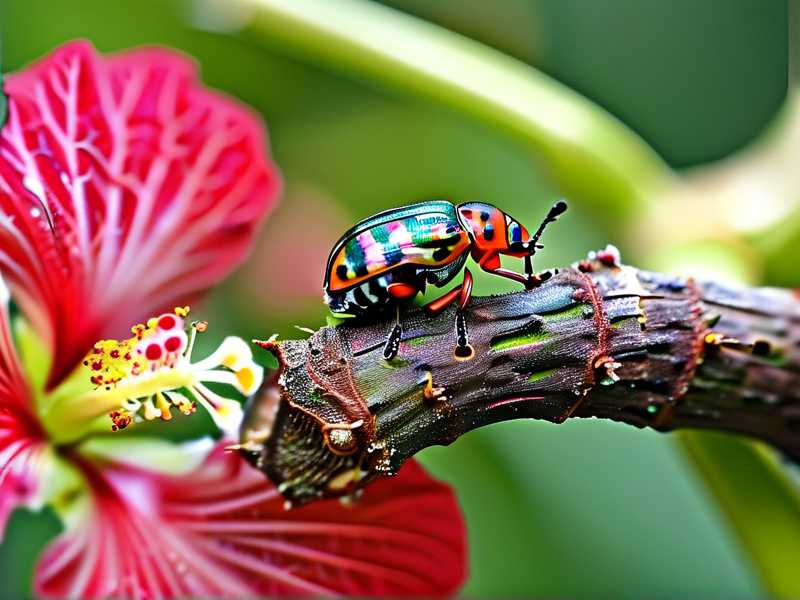
Most people picture Japanese beetles as leaf skeletons. Fair enough. But on hibiscus, especially young woody stems, they also strip the outer bark in shallow patches. Those patches are not cosmetic. They expose the cambium, and the cambium is the plant's plumbing.
Once that layer is exposed, airborne fungi land on it fast. I have watched a nickel-sized scrape go from tan to dark brown in four days during humid July weather.
The RHS notes that wounded bark on woody ornamentals is a primary entry route for canker pathogens. The AHS makes a similar point about Japanese beetle feeding stress compounding secondary infections. Translation: the beetle bite is step one, and the infection is step two. You have to interrupt step one.
Why Hibiscus Is a Magnet for This Problem
Hibiscus sap is sweet, and the stems are soft compared to oak or maple. Beetles land, feed, and release a pheromone that calls in more beetles. If you do nothing, the same plant gets hit day after day.
Here is the part that surprised me. The damage is worst on stems that already have a small crack or winter injury. Beetles seem to key in on those rough spots. I started checking my plants in June and found old pruning scars were always the first places they chewed.
What I Actually Did Over Two Weeks
Week one, days one through three: I hand-picked beetles twice a day, morning and early evening. I dropped them into a jar of soapy water. No traps near the plant, because those just pull in more beetles from the neighborhood.
Days four through seven: I wrapped the lower 18 inches of the main stems with a loose strip of horticultural fleece. Not tight. I left air gaps. Beetles could still reach the upper leaves, but the bark on the trunk stayed protected.
Week two: I applied a kaolin clay spray to the remaining stems. It leaves a white film that beetles dislike. I reapplied after rain. By day ten, new feeding scars had dropped to almost zero.
I also pruned off the worst damaged stems with a clean bypass pruner, cutting one inch below the wound. Then I wiped the blade with rubbing alcohol between cuts.
What I Saw After Two Weeks
The oozing stopped on the stems I had pruned. The treated bark stayed dry. Two small scrapes that I caught early formed a callus instead of turning black. No new canker spread to healthy wood.
The plant did not magically regrow bark, but it stopped declining. That is the realistic goal here. You are not healing old wounds. You are preventing new ones from becoming infected.
Three Mistakes That Make This Worse
Mistake one: overwatering. I know, it sounds unrelated, but soggy soil weakens the root system, and a weak plant cannot seal over bark wounds. Honestly, 90% of indoor plants die from overwatering, and the same principle applies to container hibiscus outdoors. Wet roots equal slow healing.
Mistake two: wrong light. I once moved a potted hibiscus into deep shade thinking it would recover from beetle damage. It got leggy, the bark stayed soft, and the wounds never hardened off. Hibiscus needs full sun to build tough bark.
Mistake three: the wrong pot. I used a dark plastic pot that cooked the roots in afternoon sun. The plant went into stress, and stressed plants attract more beetles. A light-colored pot or an in-ground spot with mulch fixed that for me.
A Note on Products and Timing
I do not use systemic insecticides on hibiscus while it is blooming. Bees visit the flowers, and I am not willing to risk them. Hand-picking plus physical barriers plus kaolin clay got me through the season.
If you have a heavy infestation, apply beneficial nematodes to the soil in late spring. They target Japanese beetle grubs before they ever climb your plant. That is a long game, but it works.
What About Canker Once It Starts
If you see sunken dark lesions with raised edges, that is likely canker. Cut below the lesion into clean wood. Disinfect your pruners every single cut. Do not compost the removed stems. Bag them.
I tried painting a wound with pruning sealant once. It trapped moisture and made things worse. Leave wounds open to air-dry unless your extension service tells you otherwise.
Frequently Asked Questions
Can a hibiscus recover from Japanese beetle bark damage?
Yes, if the damage is under about 30% of the stem circumference. The plant seals small wounds. Larger wounds often become infected and need pruning.
Should I use beetle traps near my hibiscus?
No. Traps lure beetles from a wide area and can make the problem worse. Hand-pick instead.
Does neem oil help with bark wounds?
Neem oil can deter feeding, but it does not cure an active infection. Use it as a preventive on healthy bark, not on open cankers.
The bottom line is simple. Protect the bark before the beetles open it up. Pick beetles daily. Wrap or spray the stems. Fix your watering, light, and pot situation. Do that for two weeks and you will see the difference. I did, and my third hibiscus is still alive today.





