 bluename
How to Recover Outdoor Hibiscus After Gray Mold Ruins Most Spring-Season Flower Buds
Gray mold just wrecked your outdoor hibiscus buds, and it feels like the whole spring season is a loss. I get it. I have stared at a sad, fuzzy, brown-tipped hibiscus more than once, wondering if I should just toss the whole pot. The short answer: you can often recover the plant, but you will lose this flush of buds. The real recovery work is about stopping the mold, resetting conditions, and coaxing new growth over the next 2 weeks. I have done this exact rescue on a potted tropical hibiscus and a hardy Hibiscus syriacus, and here is what actually worked.
What Gray Mold Does to Hibiscus Buds
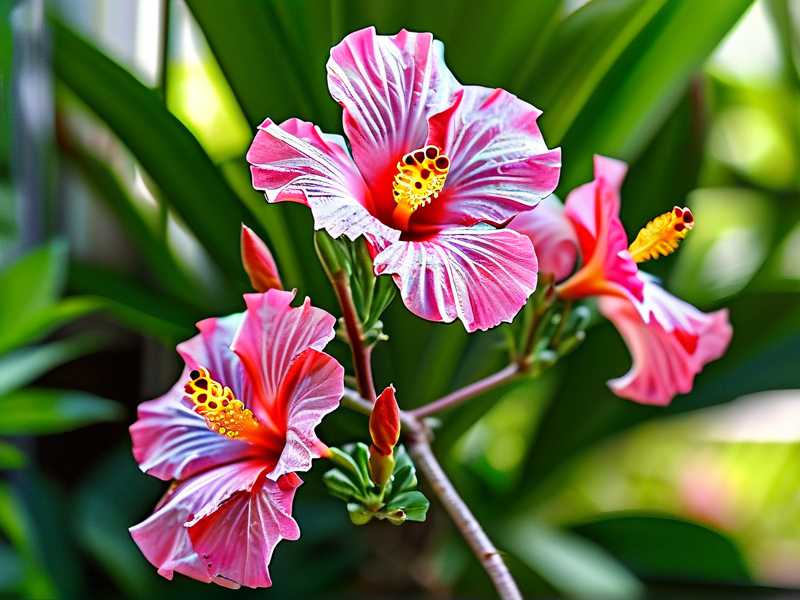
Gray mold, usually Botrytis cinerea, loves cool, wet, stagnant air. It lands on soft buds first.
You will see brown, mushy buds that will not open. Then a fuzzy gray coating shows up. That fuzz is the spores.
Once buds are infected, they rarely recover. I tried spraying a mushy bud once. It just fell off two days later. So do not waste time nursing individual ruined buds.
Drop them. The plant is what matters.
My First 48 Hours: Stop the Spread
The first thing I did was grab clean pruners and a paper bag. I clipped every bud that looked brown, soft, or fuzzy. I cut back to healthy green stem, about a quarter inch above a leaf node.
I did not compost those pieces. Botrytis spores can spread. I bagged them and threw them in the trash.
Then I moved the hibiscus to a spot with better airflow. Not full blazing sun yet. Just open air.
I also stopped all overhead watering immediately. That was my biggest mistake in past years. Wet buds plus cool nights equals gray mold heaven.
A Note from the RHS
The Royal Horticultural Society (RHS) is clear that gray mold thrives in damp, crowded conditions. They recommend removing affected plant parts and improving ventilation rather than relying on sprays alone. You can read their guidance here: RHS.
I follow that approach. Fungicide can help, but only after you clean up the plant and fix the environment.
The 3 Deadly Beginner Mistakes I Made
I killed my first three hibiscus plants, and I made all three of these mistakes. Learn from my pain.
Mistake 1: Overwatering
This is the big one. 90% of indoor plants die from overwatering, and outdoor potted hibiscus in cool spring weather are not far behind. I used to water on a schedule. Every other day, no matter what.
That kept the root zone soggy. Soggy roots plus cool air equals weak tissue. Weak tissue invites gray mold.
Now I water only when the top inch of soil feels dry. In spring, that might be every 4 to 6 days. In cool rainy weather, even less.
I also learned to water at the soil line. Never on the buds or leaves.
Mistake 2: Wrong Light
I once parked a hibiscus in deep shade because I thought it was "recovering." It got leggy, soft, and moldy again within a week.
Hibiscus wants sun. Outdoors, that means at least 6 hours of direct light. Morning sun is best because it dries dew fast.
The American Horticultural Society (AHS) notes that most hibiscus species perform best in full sun with good air movement. Here is their site: AHS.
After my shade mistake, I moved the plant to a spot with morning sun and afternoon filtered light. New growth came in thicker and drier.
Mistake 3: The Wrong Pot
I used a decorative pot with no drainage hole. Big mistake. Water pooled at the bottom. The roots sat in it.
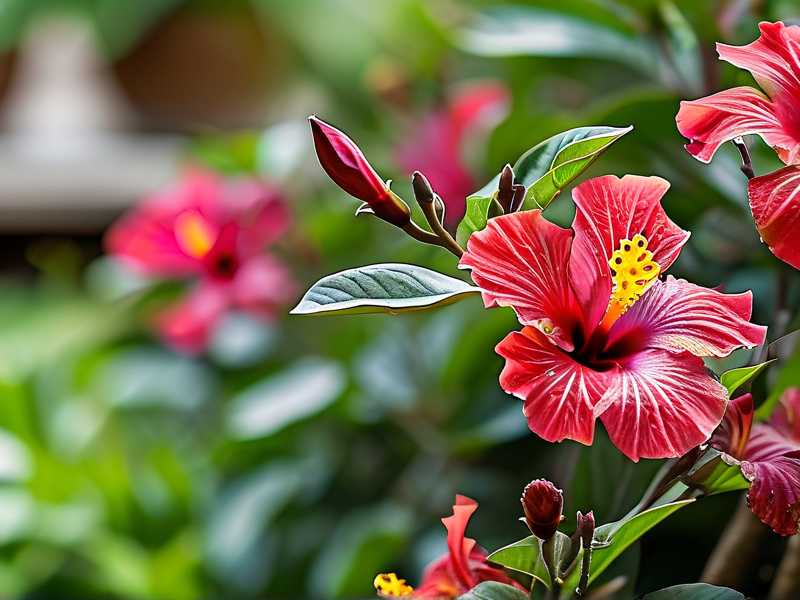
Now I use pots with at least one good drainage hole. I also raise the pot on small feet or bricks so air moves under it.
If your hibiscus is in a pot without drainage, repot it. Do it carefully, but do it.
My 2-Week Recovery Plan That Worked
I ran this exact plan on a potted hibiscus in late April after gray mold took about 80% of its spring buds. Here is the timeline.
Days 1 to 2: Cleanup and Air
I removed all infected buds and any spotted leaves. I wiped my pruners with rubbing alcohol between cuts.
I moved the pot to a covered porch with bright morning sun and good breeze. No rain hitting it.
I did not water at all for the first 3 days. The soil was already damp from spring rain.
Days 3 to 7: Water Reset and Light Tuning
I checked the soil every morning with my finger. On day 4, the top inch was dry, so I watered deeply until it ran out the drainage hole. Then I waited.
I moved the pot to full morning sun, about 6 hours. Afternoon shade. That kept buds and leaves dry.
I did not fertilize yet. I wanted the plant to stabilize first.
I also trimmed a few crowded inner branches. That opened up airflow. Gray mold hates airflow.
Days 8 to 14: New Growth and Gentle Feeding
By day 8, I saw tiny new leaf buds at the nodes. Not flower buds yet. Just leaves.
On day 10, I gave a half-strength liquid fertilizer. High phosphorus, low nitrogen. I used a tomato-type feed. I did not want to push soft leafy growth that mold loves.
By day 14, the plant had several new shoots. No new gray fuzz. I knew the worst was over.
One bud did try to form on day 12. It stayed clean because the air was moving and the foliage was dry.
What About Fungicide?
I used a copper-based fungicide once, on day 3, after cleanup. I sprayed it on a calm morning. I covered both sides of the leaves and the stems.
I did not spray during the day when the sun was strong. That can burn leaves.
I did not use it as a crutch. I fixed the water and air first. The spray just helped stop any lingering spores.
If you are in a humid climate, a fungicide labeled for Botrytis can help. Follow the label exactly. Do not spray buds you want to keep. Spray the whole plant lightly and let it dry.
When to Give Up on a Bud
If a bud is brown, soft, or fuzzy, it is gone. Cut it off.
If the stem below the bud is brown and mushy, cut lower. Cut into green, firm wood.
If the whole branch is brown and soft, cut it back to the main stem. The plant can regrow from healthy nodes.
I have cut hibiscus back by half after gray mold. It looked brutal. But it came back.
New Flowers Take Time
Do not expect a full flush of flowers in 2 weeks. That is not realistic.
You will see new leaves in 1 to 2 weeks. New flower buds might take 4 to 6 weeks.
I got my first clean flower about 5 weeks after the cleanup. It was smaller than usual. But it was healthy.
The next flush was normal. So was the one after that.
How to Keep Gray Mold from Coming Back
- Water at the base. Keep buds and leaves dry.
- Space plants out. Do not crowd pots.
- Prune inner branches. Open the center of the plant.
- Avoid overhead watering in the evening.
- Clean up fallen leaves and spent blooms.
- In cool wet springs, cover the plant during long rain. A simple clear plastic roof works.
- Do not overfertilize with nitrogen. Soft growth invites mold.
- Check your pot drainage every spring.
My Honest Take on Recovery
Recovering a hibiscus after gray mold is not about saving the ruined buds. Those are gone.
It is about resetting the plant. Dry the soil. Dry the leaves. Move the air. Then wait.
I have lost entire spring flushes and still had a beautiful plant by midsummer. So do not panic.
But do act fast. Gray mold does not wait. If you see fuzz, cut it off that day. Fix the water and the air that week.
Common Questions
Can I save a hibiscus bud that already has gray mold?
No. Once a bud is fuzzy and soft, it is done. Cut it off cleanly and throw it in the trash. Do not compost it.
How long until my hibiscus flowers again after gray mold?
Expect new leaves in 1 to 2 weeks and new flower buds in 4 to 6 weeks. It depends on sun, warmth, and how hard you had to cut back.
Should I use fungicide or just fix the water and air?
Fix the water and air first. That is the real cure. A copper fungicide can help stop spores from spreading, but it will not fix a soggy, shaded plant.
The Bottom Line
Gray mold can wipe out your spring hibiscus buds. But it rarely kills the plant if you act fast.
Cut off every fuzzy bud. Drop the overhead watering. Move the pot to morning sun and open air. Check the drainage hole.
Then wait 2 weeks. You will likely see new growth. From there, it is just a matter of time and patience before the next round of flowers shows up.





