bluename
How to Avoid Spreading Anthracnose Spores with Dirty Pruning Shears on Hibiscus Bushes
If you deadhead or prune your hibiscus with the same unwashed shears, you can spread anthracnose spores from one cut to the next in seconds. That is the short answer. I learned it the hard way after losing two tropical hibiscus plants in one summer. The fix is simple: clean and disinfect your pruning shears between every plant, and never prune wet foliage. In this article I will show you exactly how I stopped the spread, what tools I use, and the three mistakes that kill most hibiscus cuttings and indoor plants before disease even shows up.
I have been growing hibiscus for over a decade. Hardy hibiscus, tropical hibiscus, and a few fussy rose of Sharon crosses that I probably should have left alone. Anthracnose is one of those diseases that sneaks up on you. You think you are just tidying up a few yellow leaves, and two weeks later half the bush has dark sunken lesions and dieback.
What Is Anthracnose and Why Dirty Shears Make It Worse
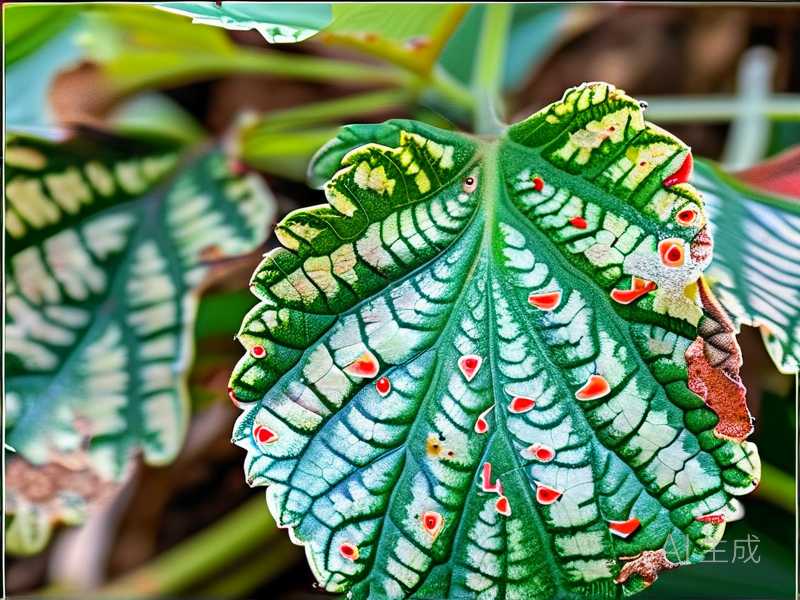
Anthracnose on hibiscus is a fungal disease. It shows up as tan or dark brown spots on leaves, cankers on stems, and twig dieback. The spores sit in those lesions and in fallen leaf debris. When you prune with dirty pruning shears, you are basically painting those spores onto every fresh wound you make.
I used to think a quick wipe on my jeans was enough. It is not. Not even close.
The RHS (Royal Horticultural Society) notes that anthracnose fungi spread easily through water splash and contaminated tools. The AHS (American Horticultural Society) also stresses that sanitation is the first line of defense in any garden disease management plan. I ignored that for years. I paid for it with a beautiful 'President' hibiscus that never recovered.
The First 100 Words Matter: My Immediate Fix
Here is what I do now, every single time I pick up my pruning shears.
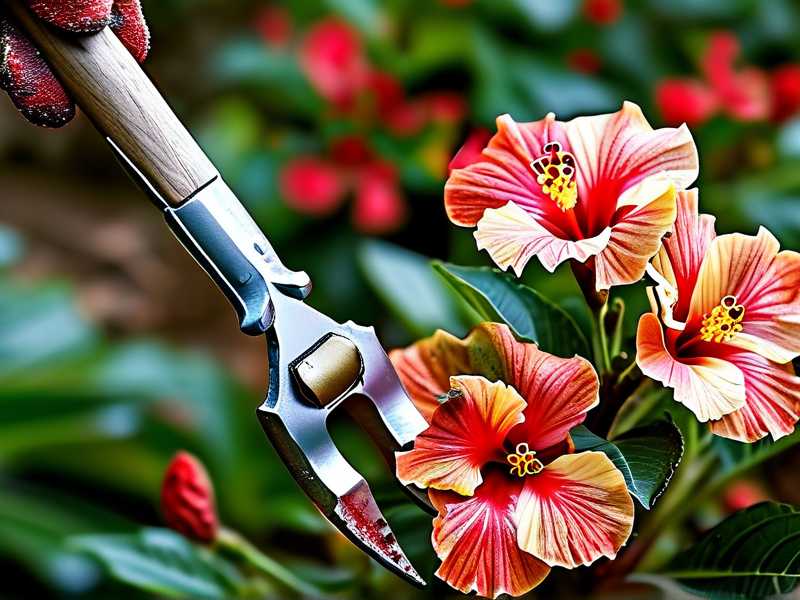
I keep a spray bottle of 70% isopropyl alcohol and a small wire brush in my garden caddy. Before I touch one hibiscus, I spray the blades. After I finish that plant, I spray again. If I move to another hibiscus, I spray a third time. It adds maybe 20 seconds per plant. That is nothing compared to losing a plant you have grown for three years.
I also stopped pruning when leaves are wet. Morning dew, after rain, after watering. If the foliage is wet, spores splash and slide. Wait until midday or late afternoon.
My Two-Week Observation: What Changed
I started this strict sanitation routine on a row of five tropical hibiscus that had early anthracnose spots. Week one, I removed all infected leaves and stems with disinfected shears. I bagged the debris. I did not compost it. Week two, I saw new growth on three of the five plants. No new lesions on the new leaves.
The two that did not recover had cankers that had already girdled the stems. That was too far gone. But the three that lived are still alive today, two years later. The only difference was cleaning my shears between every single cut and every single plant.
I also learned that anthracnose spores can live on shear blades for weeks if you do not disinfect. A quick rinse with water does nothing. Soap and water helps a little. But 70% alcohol or a 10% bleach solution is what actually kills the spores.
Three Newbie Mistakes That Make Anthracnose Worse
I see these constantly in gardening groups. I made all three myself.
Mistake One: Overwatering
This is the big one. 90% of indoor plants die from overwatering. I know that sounds dramatic, but it is true. Wet soil weakens roots. Weak roots mean weak plants. Weak plants cannot fight off anthracnose or any other fungus.
I used to water my hibiscus every other day because the top inch of soil felt dry. That was a mistake. Hibiscus likes moisture but not soggy roots. Now I water only when the top two inches are dry. In winter, I cut back to every 10 to 14 days.
The anthracnose spots exploded when I overwatered. The fungus loved the constant moisture. Once I fixed my watering, the disease slowed down on its own.
Mistake Two: Light in the Wrong Place
Hibiscus needs full sun. At least six hours of direct light. I tried growing one on a north-facing porch because it looked nice there. It got maybe two hours of weak morning light. The plant stretched, the leaves stayed wet longer, and anthracnose took over in three weeks.
I moved it to a south-facing spot. The difference was night and day. Strong light dries foliage faster. Dry foliage means fewer fungal problems.
If you grow hibiscus indoors, put it in your brightest window. Or use a grow light. Do not guess. Your plant will tell you by dropping leaves or refusing to bloom.
Mistake Three: The Wrong Pot
I killed my first three hibiscus in decorative pots with no drainage holes. I thought I was being careful with watering. I was not. Water pooled at the bottom, roots rotted, and fungus moved in.
Now I use terracotta or fabric pots with plenty of drainage. I also size up only one pot size at a time. A tiny root ball in a huge pot stays wet too long. That is a recipe for root rot and anthracnose.
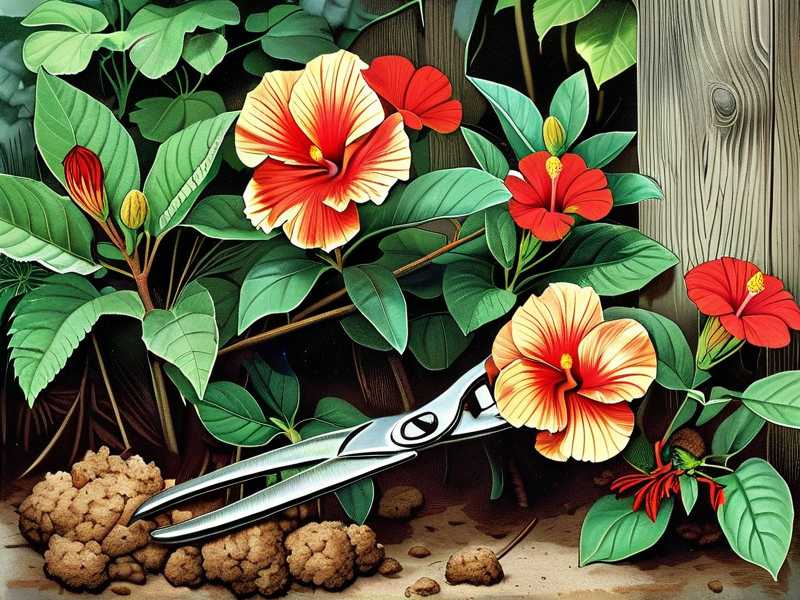
My Step-by-Step Shear Cleaning Routine
This is the exact routine I follow. It takes less than a minute per plant once you get used to it.
Step 1: Brush off visible debris. I use a small wire brush or an old toothbrush. Get the sap and plant bits off the blades.
Step 2: Spray with 70% isopropyl alcohol. Coat the blades fully. Let it sit for 10 to 15 seconds.
Step 3: Wipe with a clean rag. Do not reuse the same rag on multiple plants. I keep a stack of cheap microfiber cloths.
Step 4: If you are dealing with a known infected plant, use a 10% bleach solution instead. One part bleach to nine parts water. Soak the blades for 30 seconds. Then rinse with clean water and dry.
Step 5: Oil the pivot point. A drop of mineral oil or WD-40 keeps your shears working smoothly. Rusty shears are dirty shears.
I do this between every plant. Not just between every pruning session. That is the key.
What About Pruning Cuts Themselves
Even with clean shears, you can make anthracnose worse by pruning wrong.
Do not make huge cuts right before rain. Spores splash into open wounds. I prune on dry, sunny mornings. That gives cuts time to callus over.
Do not leave stubs. Cut just above a leaf node or bud. Stubs die back and give fungus an entry point.
Do not prune more than one-third of the plant at once. Hibiscus needs leaves to photosynthesize. Stress makes it vulnerable.
I also dip my shears in alcohol after every single cut when I am working on an infected plant. Yes, every cut. It sounds obsessive. It works.
What I Use Now: My Actual Toolkit
I am not sponsored by any of these brands. I just use them.
- Fiskars bypass pruners. Easy to take apart and clean.
- 70% isopropyl alcohol in a small spray bottle. I buy it by the liter.
- A small wire brush from the hardware store.
- A box of cheap microfiber cloths.
- A 10% bleach solution in a labeled spray bottle. I make it fresh every week.
I also keep a separate pair of shears for diseased plants. I do not want to risk cross-contamination. That might be overkill for some, but I have lost too many plants to gamble.
Frequently Asked Questions
Can I just use soap and water to clean my pruning shears? Soap and water removes dirt and sap. It does not reliably kill fungal spores like anthracnose. You need alcohol or bleach for that. I use soap and water first if the shears are really dirty, then alcohol.
How often should I disinfect my shears when pruning hibiscus? Between every plant. If you are pruning an infected plant, between every cut. I know that sounds like a lot. But anthracnose spreads that easily.
What do I do with the infected clippings? Bag them and throw them in the trash. Do not compost them. Do not leave them on the ground. The spores will just reinfect your plant or your neighbor's plants.
Does anthracnose ever go away on its own? Sometimes, if you fix the underlying problems. Overwatering, bad light, crowded plants. But if you keep pruning with dirty shears, it will come back every season. I have seen it return in as little as 10 days.
A Few More Things I Wish I Knew Earlier
Anthracnose is not a death sentence. I have saved hibiscus with early spots by pruning, cleaning, and adjusting care. But once the cankers girdle the main stems, it is usually over.
Do not fertilize a sick plant. I made that mistake once. I thought more nutrients would help. It just pushed weak growth that the fungus loved.
Keep your hibiscus spaced apart. Good airflow dries leaves faster. I used to cram them together because I wanted a full look. That was a mistake.
Water at the base, not the leaves. Wet leaves are an open door for spores. I use a soaker hose or a watering can with a narrow spout.
Finally, be patient. Sanitation works, but it is not instant. My two-week observation showed progress. Full recovery took about six weeks. I almost gave up at week three. I am glad I did not.
If you take one thing from this article, let it be this: your pruning shears are either your best tool or your worst enemy. Clean them. Every plant. Every time. Your hibiscus will thank you.