bluename
How to Fix Hibiscus Stem Rot Spreading Upward From Damp Soil-Line Infection Points
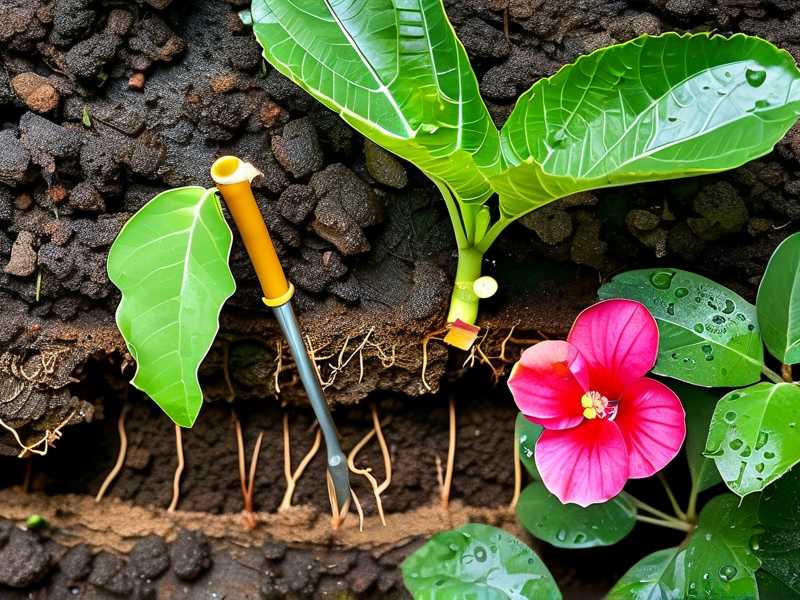
If your hibiscus is rotting right at the soil line and that mushy brown patch is creeping up the stem, I know exactly how you feel. I lost two braided tropical hibiscus this way before I figured out what was actually happening. Here's the short answer: cut away every bit of infected tissue, repot into fresh fast-draining mix in a clean pot with real drainage holes, water far less often, and keep the crown of the plant above the soil surface. Do that within the first few days and you have a real shot. Wait two weeks and you usually don't.
I want to walk you through how I fix hibiscus stem rot spreading upward from damp soil-line infection points, step by step, including the mistakes that cost me plants.
Why Stem Rot Starts Right at the Soil Line
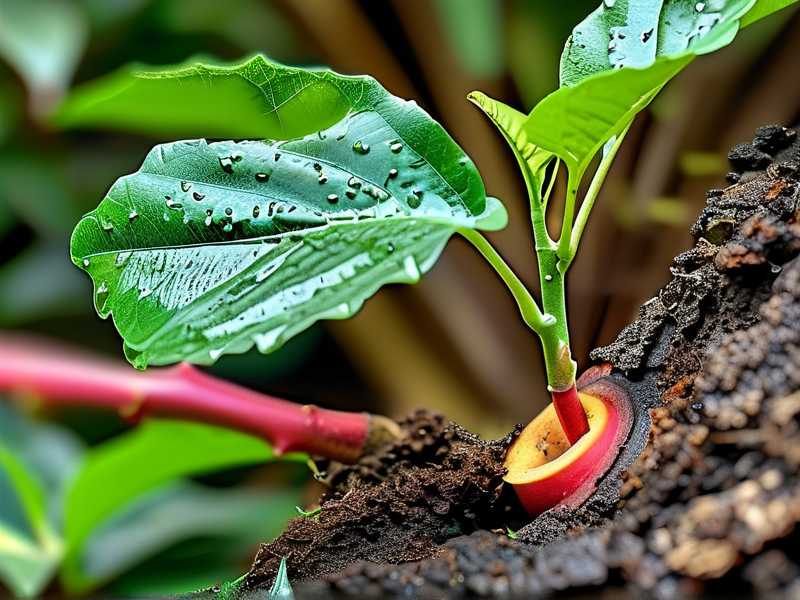
That spot where stem meets soil stays damp longer than anywhere else on the plant. Water sits there. Mulch traps it. The crown never dries out.
Fungi and water molds like Phytophthora, Pythium, and Rhizoctonia live in that wet zone. They don't need a wound. Constant moisture is enough.
Once they're in, the tissue goes soft, dark, and smells slightly sour. Then the rot moves up the stem, and that's when you notice leaves yellowing and dropping from the bottom up.
The RHS is blunt about this: poor drainage and overwatering are behind most root and crown rots in container plants. The AHS says the same thing in different words — hibiscus wants consistent moisture, not saturation.
And here's the number I keep coming back to: 90% of indoor plants die from overwatering. Not pests. Not bad light. Overwatering.
My Two-Week Fix, Start to Finish
This is the exact routine I used on a 'Braided Tricolor' hibiscus that had rot about an inch above the soil line. I'll give you the timeline because that's what nobody tells you.
Days 1–2: Diagnose and Cut
Scratch the stem with a fingernail. Healthy hibiscus is green or pale cream underneath. Infected tissue is brown, tan, or mush.
If the discoloration goes higher than an inch or two, honestly consider cuttings instead of saving the whole plant. I've tried saving badly rotted hibiscus and it never worked.
Take clean pruners, wipe them with rubbing alcohol, and cut back to solid green tissue. Cut into healthy wood, not up to it. Leave nothing brown behind.
Days 2–3: Repot Into Fresh Mix
I mix roughly 60% potting soil, 30% perlite, 10% orchid bark. You want something that drains in seconds, not minutes.
Use a pot only one size up from the root ball. A pot that's too big holds water the roots can't drink. This was one of my biggest early mistakes.
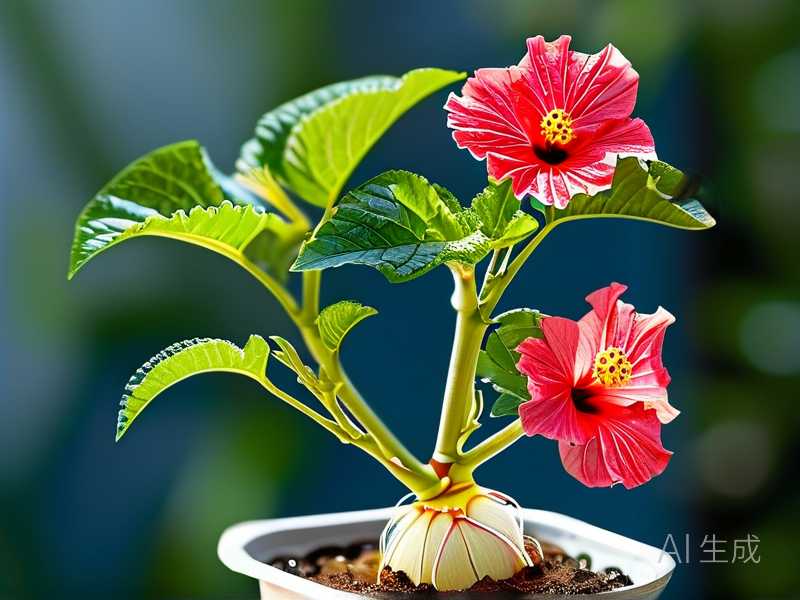
Set the plant so the crown sits slightly above the soil line. Burying it deeper guarantees the problem comes back.
Days 3–14: Water Sparingly and Watch
Water only when the top inch is dry. For a repotted hibiscus in a 6-inch pot, that was about every 5–7 days in my kitchen.
No fertilizer for two weeks. No misting. No saucer full of standing water.
By day 10, I saw new leaves pushing from the node just above my cut. By day 14, the stem was firm and dry at the base. That's the signal that the plant is winning.
3 Mistakes That Kill New Growers
I've made all three. More than once.
1. Overwatering
People water hibiscus on a schedule. Don't. Stick your finger in the soil. If it's damp, wait.
A hibiscus in a cool room needs far less water than one on a hot patio. The plant doesn't care what day it is.
2. Wrong Light
Hibiscus wants bright light, ideally several hours of direct sun. A dim corner keeps soil wet for days. That's a rot factory.
My first hibiscus lived in a north-facing room. The soil never dried and the rot started within a month.
3. The Wrong Pot
No drainage holes, no hibiscus. Simple as that.
Glazed ceramic pots that look beautiful but trap water are a trap. So are decorative cachepots with a puddle at the bottom. I've killed two plants that way, and I knew better.
What I Do Differently Now
I water in the morning so the surface dries during the day. I never water "just in case."
I lift the pot and feel the weight. Light pot means it's time.
I also stopped piling mulch against the stem. Keep that zone bare so air moves through.
Something else I learned the hard way: after repotting a rotted hibiscus, don't fertilize for at least three weeks. Salt stress on damaged roots makes everything worse.
If you catch the rot early, most hibiscus bounce back within two to four weeks. Slow and steady wins this one.
Frequently Asked Questions
Can stem rot on hibiscus actually be cured?
Yes, if you catch it before it reaches more than an inch or two above the soil line. Cut back to clean green tissue, repot into fresh fast-draining mix, and water sparingly. I've done this successfully.
Should I use a fungicide?
For mild surface rot, improved drainage and careful watering often do the job. For persistent Phytophthora problems, a labeled fungicide can help, but it's a support tool, not a substitute for fixing the growing conditions.
How long before I know if the plant will survive?
Give it two weeks after repotting. Firm, dry stem tissue and new leaf growth mean you've turned the corner. Continued softness means the rot is still active and you may need to cut lower or take cuttings.