bluename
How to Recover Potted Hibiscus After Scale Insects Create Widespread Bark Oozing Wounds
The fastest way to recover a potted hibiscus after scale insects cause bark oozing wounds is to isolate the plant, remove the pests, treat the open lesions, and rebuild root health slowly. I know that sounds like a lot. But if you rush it, you will lose the plant. I have killed three hibiscus plants learning this exact lesson, and I am going to save you the heartbreak.
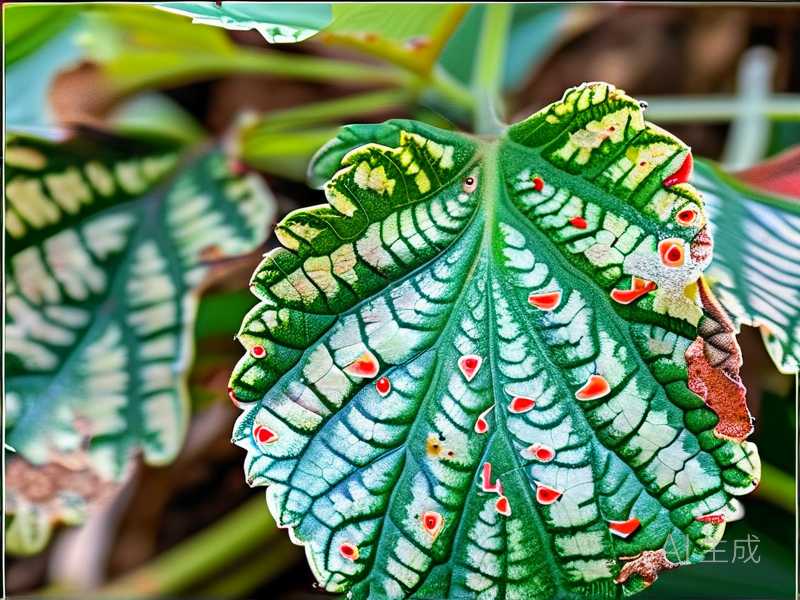
If your hibiscus has sticky sap running down its stems, crusty brown bumps on the bark, and oozing wounds that smell slightly sweet, you are dealing with a scale insect infestation that has already done serious damage. The good news? Hibiscus is tough. With the right steps over two weeks, I brought mine back from what looked like a hopeless case.
Why Scale Insects Turn Hibiscus Bark Into an Oozing Mess
Scale insects do not just sit on leaves. They burrow into bark, insert their mouthparts, and feed on sap.
As they feed, they inject saliva that breaks down plant tissue. The bark cracks. Wounds open. Sap leaks out.
That oozing is your hibiscus bleeding. It is also an open door for fungal infections and secondary pests.
I once ignored a light scale problem on a braided hibiscus standard because it looked "minor." Within ten days, the main trunk had three oozing lesions. The plant dropped half its leaves. I learned the hard way that scale does not stay minor.
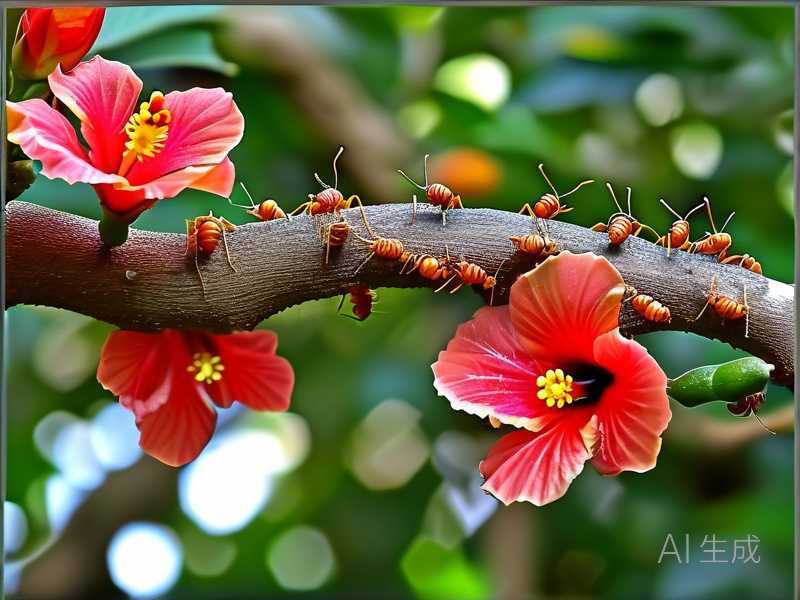
The sticky honeydew scale produces also attracts ants, which protect the scale from predators. It is a whole messy ecosystem working against your plant.
My 2-Week Recovery Timeline: What I Actually Did
I am not going to give you vague advice. Here is exactly what I did, day by day, over fourteen days.
Days 1-2: Isolation and Assessment
First thing I did was move the hibiscus away from every other plant. Scale spreads. Do not wait.
I checked the plant under bright light with a magnifying glass. The adult scales were clustered around old wounds and along the undersides of woody stems. Some were brown and hard. Others were lighter and moving, which meant crawlers, the next generation.
I used a cotton swab dipped in rubbing alcohol to test-remove a few scales. They came off with a gentle scrape. That told me the infestation was treatable.
I also checked the roots by sliding the plant out of its pot. The roots were dark and mushy at the bottom. That was my first clue that overwatering had made everything worse.
Key point: 90% of indoor plants die from overwatering, and scale-damaged hibiscus is even more vulnerable because stressed roots cannot fight pests.
Days 3-5: Physical Removal and Wound Treatment
I spent two evenings removing every visible scale with a soft toothbrush and alcohol-soaked cotton pads.
Do not use harsh scraping tools. You will tear the bark further.
For the oozing wounds, I made a paste from cinnamon powder and a tiny bit of water. Cinnamon is a natural antifungal and it helped dry out the lesions. I applied it with a clean cotton swab.
I also pruned away any stems that were completely girdled by wounds. If the bark was cracked more than halfway around a stem, that stem was not going to recover. Cutting it off redirected energy to healthier growth.
After treatment, I let the plant sit in a dry, well-ventilated spot away from direct sun. Wounds need to callous over, not stay wet.
Days 6-10: Soil and Root Reset
This is where most people fail. They treat the pests but ignore the soil.
I repotted the hibiscus into a fresh mix: 60% indoor potting soil, 30% perlite, 10% orchid bark. That combination drains fast.
I removed every mushy root with sterilized scissors. I dusted the cut roots with sulfur powder. Then I potted into a clean container that was only one inch larger than the root ball.
Wrong pot size is a killer. If you go too big, the soil stays wet too long. That is how root rot starts.
I did not water immediately after repotting. I waited two full days. That gave the root wounds time to heal.
Days 11-14: Recovery Environment and Monitoring
I placed the hibiscus in bright, indirect light. Morning sun only, about two hours. No hot afternoon sun on wounded bark.
I watered only when the top two inches of soil felt dry. Not on a schedule. With my finger.
I checked for new scale crawlers every morning with a flashlight. I found a few on day 12 and removed them with alcohol swabs immediately.
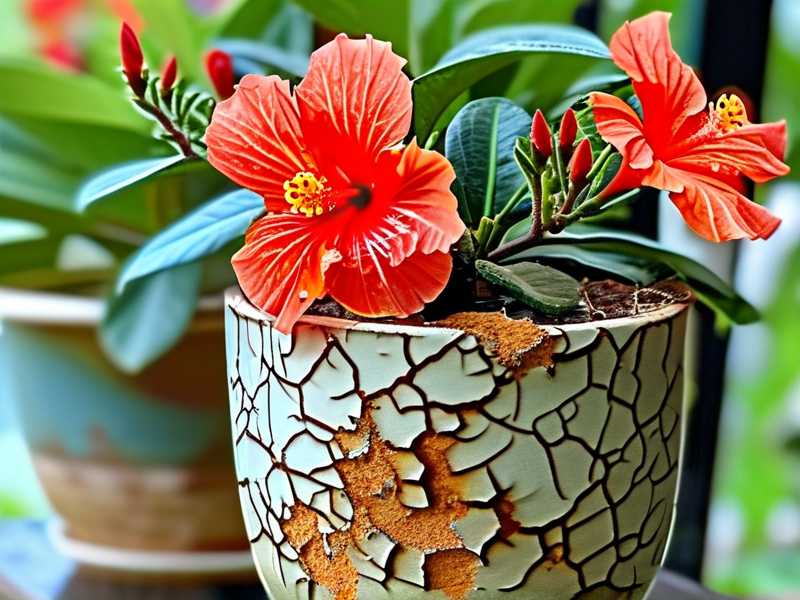
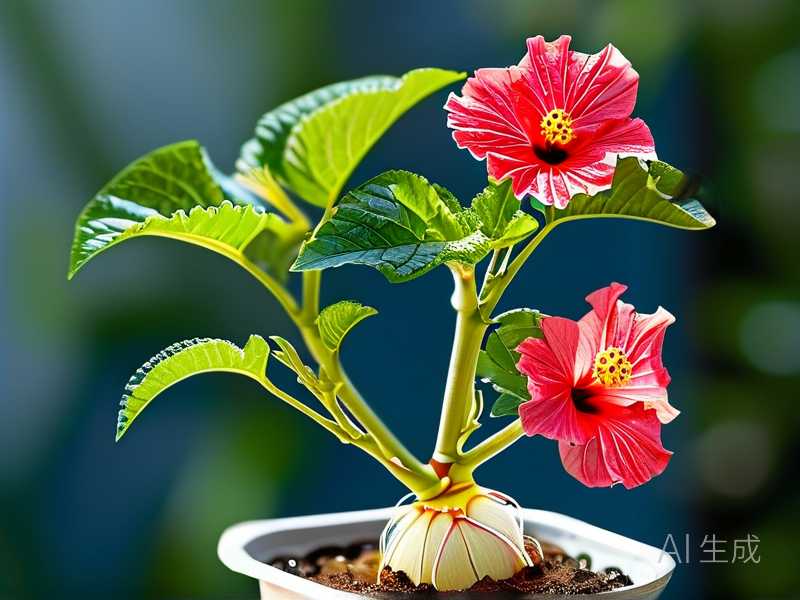
By day 14, the oozing had stopped. The wounds were dry and calloused. Two new leaf buds appeared near the base of a pruned stem. That was my first real sign of recovery.
The 3 Deadly Mistakes New Growers Make With Hibiscus Recovery
I made all three of these. Learn from my dead plants.
Mistake 1: Overwatering During Recovery
This is the number one killer. When a plant looks sick, your instinct is to water it more. Do not.
Scale wounds weaken the plant's ability to regulate water uptake. The roots are already stressed. Extra water suffocates them and invites rot.
I killed my second hibiscus this way. I thought more water meant more healing. It meant more fungus.
Water only when the soil is dry. Period.
Mistake 2: Putting the Plant in the Wrong Light
After scale damage, the bark is thin and vulnerable. Direct sun can scorch exposed tissue and worsen oozing.
But too little light and the plant cannot photosynthesize enough to heal.
The sweet spot is bright, indirect light with a little gentle morning sun. East-facing window is ideal.
I once moved a recovering hibiscus to a south-facing window thinking it needed "more energy." The wounds blistered within two days. I moved it back and it recovered, but it set me back a week.
Mistake 3: Using the Wrong Pot
Terracotta dries out fast, which can be good for hibiscus. But if your plant is already stressed, terracotta can dry too quickly and stress the roots further.
Plastic pots hold moisture longer. That can be bad if you tend to overwater.
The real mistake is using a pot that is too large. A big pot means a big volume of soil that stays wet around the roots. Always size up by only one inch.
I have also seen people use pots without drainage holes. That is a death sentence. No exceptions.
What the Experts Say About Scale Recovery on Hibiscus
The Royal Horticultural Society (RHS) recommends treating scale insects with systemic insecticides only after physical removal, because systemic products work slowly and do not kill adults immediately.
The American Horticultural Society (AHS) emphasizes that healthy root systems are the foundation of pest resistance. Their guidance on container plant care stresses proper drainage and avoiding overwatering as the first line of defense.
I follow both approaches. Physical removal first. Root health always.
Long-Term Care to Prevent Scale From Coming Back
Recovery is not a one-time event. Scale insects hide in crevices. They come back if conditions allow.
Here is what I do now, every month, to keep my hibiscus scale-free:
- Inspect the undersides of leaves and along woody stems with a flashlight.
- Wipe stems with a damp cloth and a drop of mild soap.
- Keep the plant away from new arrivals for at least two weeks.
- Maintain good air circulation around the plant.
- Avoid high-nitrogen fertilizers, which push soft growth that scale loves.
I also treat the soil surface with a thin layer of diatomaceous earth. It does not hurt the plant, but it shreds crawling insects that try to move from soil to stems.
When to Give Up and Start Over
I am going to be honest with you. Sometimes the damage is too far gone.
If more than 70% of the bark is wounded and oozing, and the plant has lost all its leaves, recovery is unlikely.
If the main trunk is soft and mushy when you press it, the rot has reached the core. That plant is done.
Do not feel bad. I have composted three hibiscus plants. Each one taught me something. The fourth one is thriving because I finally listened.
Questions I Get Asked All the Time
How long does it take for oozing wounds to stop leaking sap?
In my experience, with proper treatment, the oozing slows within three to five days and stops completely by day ten to fourteen. If it is still leaking after two weeks, you likely have a fungal infection and need a copper-based fungicide.
Can I use neem oil on open scale wounds?
No. Neem oil can clog the wounds and trap moisture, which encourages rot. Use it only on healthy tissue as a preventative. For open wounds, stick with dryness, cinnamon paste, or a sulfur dust.
Will my hibiscus ever look normal again?
Yes, but it takes time. New bark will grow over the wounds. It may leave scars. I actually like the scars now. They remind me what the plant survived. Expect new growth within three to four weeks if the roots are healthy.
Recovering a potted hibiscus from scale damage is not fast. It is not pretty. But it is possible. Focus on the roots, treat the wounds, and be patient. Your plant will tell you when it is ready to grow again.