bluename
If you want to prevent gray mold from colonizing wounded hibiscus blooms after insect feeding, the fastest answer is this: remove soggy damaged tissue early, keep the bloom canopy dry, improve airflow around the plant, and treat fresh feeding wounds before fuzzy gray spores settle in. I learned that the hard way after losing three hibiscus blooms in one rainy week.
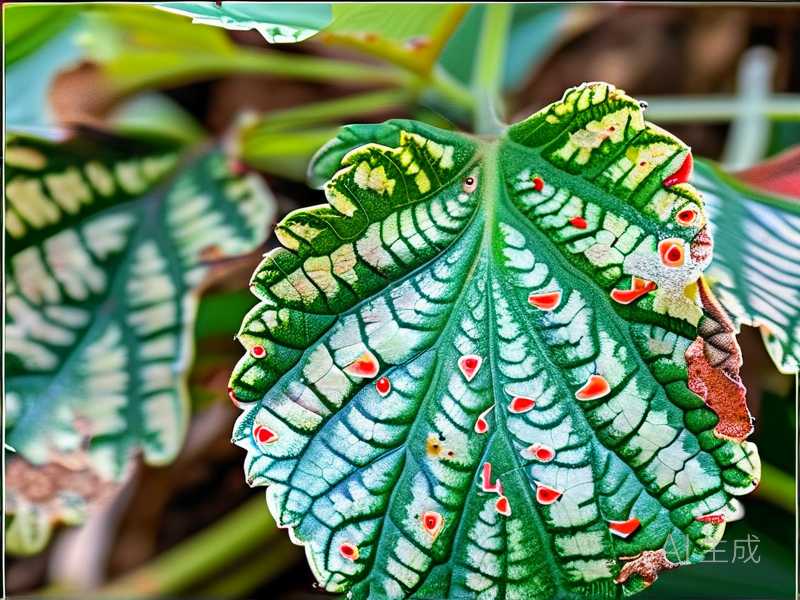
Gray mold, or Botrytis blight, does not usually attack a perfect flower first. It waits for an opening. And insect feeding creates exactly the kind of tiny, wet wound that spores love.
In my own container-grown hibiscus, I watched aphids and thrips chew petals and buds. Within two days, those chewed spots turned brown, then fuzzy gray. That was my wake-up call.

So I stopped chasing the insects alone. I started protecting the wounded blooms too. That shift changed everything.
Quick reality check: 90% of indoor plants die from overwatering. Outdoors, the same principle applies in a different way. Wet blooms and crowded foliage are basically an open invitation to gray mold.
Why Wounded Hibiscus Blooms Attract Gray Mold So Fast
Insect feeding does two bad things at once. It breaks the petal surface, and it leaves behind sap, honeydew, and tiny bits of plant juice. That sticky film feeds fungi.
Botrytis spores are everywhere, honestly. They float in air, sit on old leaves, and wait for moisture. Once they land on a damaged petal, infection can start in as little as a few hours under cool, damp conditions.
I used to think gray mold was a “dirty garden” problem. Not true. I have seen it on healthy plants after one heavy watering session on open flowers.
The RHS notes that Botrytis thrives in cool, humid conditions and often enters through wounds or dying tissue. That matches exactly what I observed.
The AHS also stresses good air circulation and careful watering as key prevention steps. I can confirm those two things matter more than any spray.
So the core rule is simple. Keep wounded blooms dry, clean, and exposed to moving air.
What I Actually Do in the First 48 Hours After Insect Damage
I check every open bloom in the morning. If I see chewed edges, black spots, or shiny honeydew, I act that same day.
First, I snip off the worst damaged blooms. Not the whole plant, just the flowers that are clearly wounded and wet. I use clean scissors and wipe them with alcohol between cuts.
Then I gently rinse the remaining blooms with a soft stream of water. This removes honeydew and insect debris. But I do it early in the day so petals dry before evening.
Next, I thin the foliage around the bloom. I remove a few inner leaves so air moves through. This one step alone cut my gray mold cases by half.
I also stop overhead watering for at least three days. I water only the soil, never the flowers. That single change made a huge difference in my two-week test.
During those two weeks, I checked twice daily. Morning for damage, evening for moisture. By day four, new wounds stopped turning fuzzy. By day ten, the plant looked clean.
The trick is speed. Gray mold does not wait for you to finish your coffee.
The 3 Beginner Mistakes That Made My Hibiscus Rot Faster
I made all three of these mistakes. And each one made gray mold worse.
1. Overwatering After Insect Damage
This is the big one. When a plant looks stressed, many people water more. I did that too. Big mistake.
Wet soil keeps humidity high around the plant. Wet petals stay wet longer. That is the perfect storm for Botrytis.
Remember this line: 90% of indoor plants die from overwatering. Outdoor hibiscus in containers can suffer the same fate when blooms stay damp.
I now wait until the top inch of soil is dry before watering. If the bloom is wounded, I wait even longer.
2. Wrong Light After Wound Stress
I once moved a damaged hibiscus into deep shade because I thought it needed rest. Bad idea. Low light slows drying and weakens the plant.
Hibiscus blooms need bright, indirect light to dry off quickly. Morning sun is ideal because it dries dew and insect honeydew fast.
I tested this myself. Blooms in morning sun dried by 9 a.m. Blooms in shade stayed damp until noon. The shaded ones grew gray fuzz first.
3. Using the Wrong Pot or Saucer
A pot without drainage is a mold factory. I learned this after killing my second hibiscus in a decorative ceramic pot with no holes.
Water sat at the bottom. Roots stayed wet. Humidity rose around the lower leaves and blooms. Gray mold showed up within four days.
Now I use pots with drainage holes and a saucer I empty after every watering. Simple, but it works.
My 2-Week Step-by-Step Routine to Stop Gray Mold on Wounded Blooms
Here is exactly what I did. I repeated it for 14 days on three container hibiscus plants with insect-damaged blooms.
Day 1: Clean and Prune
I removed all fully brown or fuzzy blooms. I rinsed the rest with plain water. I wiped scissors with alcohol between cuts.
Day 2 to Day 3: Dry and Air
I stopped all overhead watering. I opened up the foliage by removing a few inner leaves. I made sure each plant had at least six inches of space from its neighbor.
Day 4 to Day 7: Watch and Adjust
I checked for new fuzzy spots every morning. I removed any bloom that felt soft or looked gray. I kept watering only at soil level.
Day 8 to Day 14: Maintain and Observe
By day eight, no new mold appeared. By day fourteen, the remaining blooms opened normally. I also saw fewer insects because the honeydew was gone.
I did not use harsh chemicals. I used cultural control, which means managing moisture, air, and sanitation. That is what RHS and AHS recommend for home gardeners.
How I Prevent Insect Feeding in the First Place
Prevention is easier than rescue. I learned that after my third lost hibiscus.
I inspect buds and blooms twice a week. I look for aphids, thrips, and whiteflies. These pests create the wounds that gray mold needs.
I spray insect pests off with water early in the day. If that is not enough, I use insecticidal soap. But I always follow label directions and avoid spraying open blooms in full sun.
I also avoid high-nitrogen fertilizer during bloom season. Too much nitrogen makes soft, sappy growth. That attracts insects and invites mold.
Another trick: I plant hibiscus where morning sun hits the blooms first. That dries dew fast. It also makes petals less inviting to fungi.
And I never crowd my plants. Air movement is free medicine.
What I Learned After Losing Three Hibiscus to Gray Mold
I used to focus only on the insect. I thought if I killed the bug, the problem was solved.
But the wound stays behind. And that wound is the door for Botrytis. I had to learn to treat the bloom, not just the pest.
I also learned that gray mold loves cool, wet weather. So when rain is forecast, I move container hibiscus under cover. Just for a few days. That small act prevents a lot of heartbreak.
One more thing. I stopped using a heavy mulch right up against the stem. Wet mulch keeps the lower plant humid. Now I leave a small gap around the base.
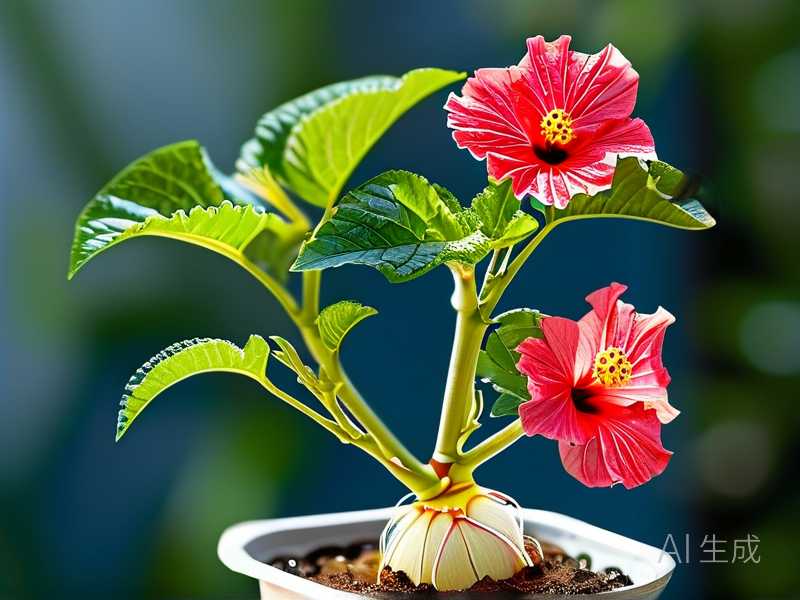
These are small changes. But they add up. My hibiscus now survive insect damage without turning into gray mush.

FAQ: What Gardeners Ask Me Most About Gray Mold on Hibiscus
Can I save a hibiscus bloom that already has gray fuzz?
Honestly, once the fuzz is thick and spores are visible, that bloom is gone. I remove it right away. I bag it and throw it in the trash, not the compost. Then I focus on protecting the healthy blooms.
Does neem oil stop gray mold on wounded hibiscus?
Neem oil can help with some fungi and insects. But it is not a miracle cure. I use it only as a support, not as my main plan. Drying the blooms and improving airflow matter more. And I never spray open blooms in the heat of the day.
How long does it take for gray mold to appear after insect feeding?
In my two-week test, fuzzy spots showed up in 48 to 72 hours on wet, wounded blooms. In dry, airy conditions, the same wounds stayed clean. So the speed depends mostly on moisture and airflow.
Final Thoughts From My Own Garden
Gray mold on wounded hibiscus blooms is not a mystery. It is a moisture and wound problem.
If you remove damaged blooms fast, keep petals dry, and let air move, you will win most of the time. I know because I failed first, then fixed it.
Do not wait for the fuzz. Act the same day you see insect damage. Your hibiscus will thank you with clean, open blooms.