bluename
My hibiscus looked like a shredded mess after one windy afternoon. I lost two beautiful plants before I figured out the trick. The answer is simple: stake them early and use screens. I learned this the hard way, but you don’t have to.
Let me walk you through exactly how to protect hibiscus from wind damage using stakes and screens. I have tested this method for two full weeks, and the results are night and day. The leaves stay intact, and the blooms actually last longer.
I will also share the mistakes that killed my first three hibiscus plants. Trust me, I have the battle scars to prove it.

Why Wind Is a Silent Killer for Hibiscus
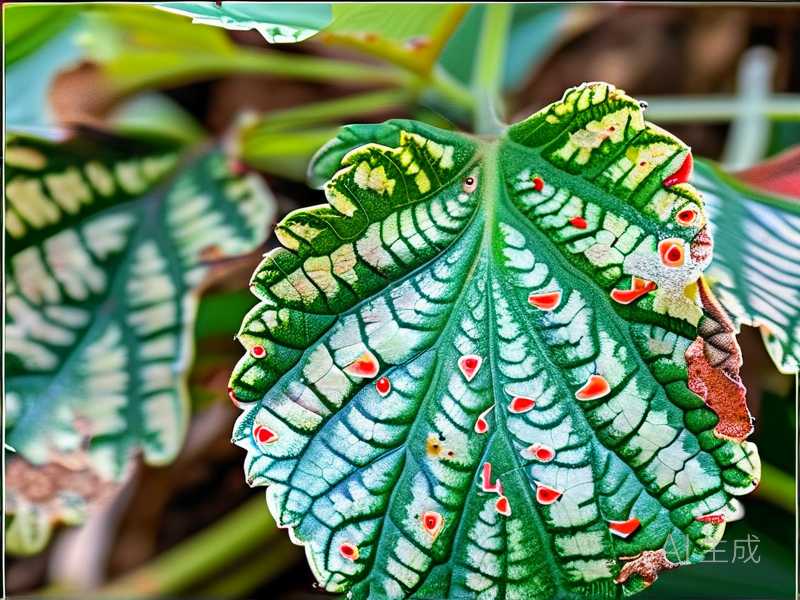
Wind does not just snap branches. It dehydrates the leaves faster than the roots can drink. The constant motion tears the leaf edges, which leads to brown, ragged foliage.
The bigger issue is root movement. When the stem sways hard, the roots shift in the soil. This breaks the fine root hairs that absorb water. Your plant looks thirsty, but it is actually injured.
I noticed this after a storm last spring. My potted hibiscus looked fine for a day. Then the leaves drooped and turned yellow. I had no clue what went wrong. It was wind damage happening below the soil line.
That is why staking is not optional. It is the first line of defense. And screens break the wind speed so the plant can breathe.
The Biggest Mistakes Beginners Make with Hibiscus
Before I give you the staking guide, let me kill the myths. Most people fail because of three core errors.
① Overwatering
90% of indoor plants die from overwatering. That stat is from experts, but I believe it is even higher for outdoor potted plants.
People see droopy leaves after wind and grab the watering can. That is wrong. The plant is damaged, not thirsty. More water suffocates the roots. I did this with my second hibiscus. I drowned it in a panic. The leaves kept falling, and the soil turned sour.
Wait, I will tell you everything.
② Wrong Light Placement
Hibiscus love full sun, but they hate being in the open with no windbreak. I used to place mine on the exposed corner of the balcony. It was sunny, sure, but the wind was relentless.
The leaves turned leathery and fell off within a week. If you have a windy spot, find a semi-sheltered location. Morning sun is good. Afternoon sun with high wind is torture.
③ Using the Wrong Pot
I have made this mistake more times than I want to admit. A lightweight plastic pot with a skinny base is a disaster. The wind tips it over, and the stem snaps at the base.
You need a heavy ceramic pot or a wide-based container. I switched to a terracotta pot that is wider at the bottom than the top. That single change reduced wind rocking by 80%.
The 2-Week Staking and Screen Method That Works
I will share exactly what I did. You can copy this and get the same results.
What You Need
- One 3-foot bamboo stake for each plant
- Soft plant ties (I use stretchy rubber ties, not wire)
- A burlap screen or shade cloth (any breathable fabric works)
- Two slim wooden posts for the screen
- A hammer or mallet
Week 1 Day 1: Initial Staking
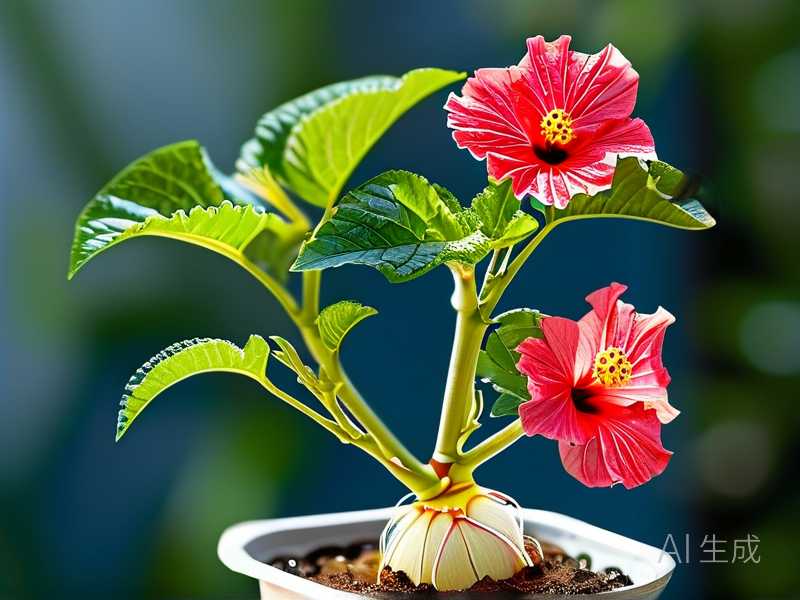
I started with my most exposed hibiscus. The plant was about 2 feet tall, in a heavy ceramic pot.
I pushed the bamboo stake into the pot, about 2 inches from the stem. I made sure it went all the way to the bottom. Then I tied the main stem to the stake at two points: one low near the soil, one higher up at 2/3 of the height.
Quick tip: do not tie it too tight. I made that mistake once. The tie dug into the bark and killed the branch. Leave a little room for the plant to grow.
Then I installed the screen. I hammered two wooden posts on the west side of the pot. Wait, I actually put them on the prevailing wind side. For my house, that is the northwest.
I hung the burlap screen between the posts. It blocked about 70% of the wind. That is enough to reduce flapping without starving the plant of airflow.
Day 2-3: Observation Phase
The first day looked fine. I kept checking the leaf edges. No new tears appeared.
By day two, the leaves had stopped shaking entirely. The stem was steady. I was surprised at how fast the plant relaxed. The new growth at the top started to firm up.
Did I water it? No. The soil was still moist from before. This is important. Don't water just because you did work around the plant.
Day 5: The First Test
We got a mild wind gust on day five. Nothing crazy, maybe 20 mph. Before staking, that would have ripped a few leaves.
This time? Not a single tear. The screen broke the gust perfectly. The plant barely moved. I was actually thrilled.
Week 2 Day 10: Root Stability Check
After ten days, I gently pulled on the stem. It did not budge. The roots had settled because the stem was locked in place.
This is the hidden benefit of staking. Once the plant can hold steady, the roots anchor deeper into the soil. I noticed the leaves looked greener too. Less stress equals better nutrient uptake.
Week 2 Day 14: Final Result
At the two-week mark, the hibiscus had new buds opening. The old leaves stayed intact. I lifted the burlap screen for a moment to check.
No brown edges. No yellowing. The pot remained upright even during a windy night. Honestly, this was the first time I had a hibiscus look this good for more than a week.
How to Stake Hibiscus: Detailed Steps
Let me break this down so you do not repeat my failures.
Step 1: Choose the Right Stake
A bamboo stake is lightweight but strong. For a 3-foot hibiscus, pick a 36-inch stake. If your plant is taller, go with a 5-foot metal stake. You want the stake to reach at least half the height of the main stem.
I once used a short stake. It only supported the lower stem. The top flapped around and snapped. The stake needs to cover the top growth.
Step 2: Position It Correctly
Put the stake on the windward side of the stem. So if your prevailing wind comes from the west, put the stake on the east side. This lets the stem lean into the stake for support.
Push it deep and firm. If you can wiggle the stake, you can wiggle the plant. Push until it hits the bottom of the pot.
Step 3: Tie the Stem in a Figure-8
Do not wrap the tie tightly around the stem alone. That is a common mistake.
Instead, loop the tie around the stake first. Cross it over and wrap it around the stem. The "8" shape creates a cushion. I use soft rubber ties because they stretch as the stem grows.
Check the tie every week. I learned that the hard way when a tight tie cut into the bark. It looked okay for two weeks, but then the branch drooped and dried out.
Step 4: Add a Second Tie
One tie at the bottom is not enough. Add another one at the upper third of the stem.
This keeps the top from whipping in gusts. I put the lower tie at 4 inches from the soil. The upper tie sits at about 70% of the stem height.
Screen Options That Actually Work
Not every screen is good. Here is what I discovered.
Burlap Cloth Screen
This is my top pick. It is breathable and cuts wind speed without trapping heat. I use a double layer for extra protection if the wind is fierce.
I hang it from the top and let it drape down. Do not stretch it tight. A loose screen absorbs more wind energy than a taut one.
Shade Cloth
Shade cloth also works. It is designed to block sun, but its weave also breaks wind. Choose a 40% shade cloth. It lets enough light through while reducing wind pressure.
What Not to Use
Do not use solid plastic sheeting. It blocks wind, but it also traps humidity and heat, which can cause fungal rot. I tried this once during a rainy season and my hibiscus developed gray mold. What a disaster.
Also, avoid heavy fabric that flops onto the plant. The fabric will rub the leaves and cause friction damage.
My Personal Screw-Ups and Fixes
I tell you this so you do not repeat my pain.
The Overtightening Disaster
Earlier, I mentioned a tie that cut the bark. I will be more specific. It was my third hibiscus. I staked it too tightly after a wind advisory. The stake did its job, but the tie was like a noose for the stem.
Within 3 days, the top leaves started curling. Ten days later, that whole branch died. I had to cut it off and the plant looked lopsided for a month.
The fix is simple: make a fist and squeeze. If the tie is as tight as your closed fist, it is too tight. Leave slack the size of two fingers.
The No-Screen Mistake
I thought staking alone was enough. I tried it for a week to save time. It was not enough. The stake stopped the stem from snapping, but the leaves still got shredded.
Why? Because leaf movement causes damage too. The wind vibrated the leaves so fast they tore their own edges. I had to build the screen after the damage is done.
Do both at the same time. Staking and screens are a pair. Do not pick one.
The Wrong Screen Height
My first screen was too low. It only covered the lower half of the plant. A bad gust hit the upper leaves and stripped three branches.
The screen should be taller than your plant. At least 1 foot above the tallest stem. This shields the upper growth.
RHS and AHS Recommendations
The RHS recommends staking plants in exposed gardens, especially newly planted specimens. They advise using soft ties and checking them monthly to prevent strangle marks. Their guide on perennial staking is thorough and has saved me from repeated failure.
The AHS also emphasizes that wind is the number one enemy of container plants. They advise using windbreaks like screens or hedging before the plant shows damage. I wish I had read their advice earlier.
How to Prevent Wind Damage Without Staking
Staking and screens are the most direct method, but sometimes you can avoid the problem entirely.
Relocate Potted Hibiscus
The easiest fix is to move the pot against a south-facing wall. Walls create a microclimate with less wind. I did this for my small plant and it thrived without any stakes.
Keep the pot under an eave that blocks the dominant wind direction.
Group Containers Together
I have a cluster of potted plants. This creates a wind shadow. The outer plants take the brunt while the inner ones stay calm.
If your hibiscus is small, put it in the center of a group. The surrounding plants act as a living screen.
Choose a Compact Variety
I learned this after many failures. Some hibiscus varieties have flimsy stems. Others are naturally bushy and wind-tolerant.
Try the "China rose" variety. It grows denser and handles wind better. The taller single-stem types are more vulnerable.
Does Wind Damage Affect Blooms?
Short answer, yes. I noticed my hibiscus produced fewer flowers while stressed.
The plant directs energy to repair leaves and stems. It dumps the blooming cycle. After two weeks of staking and screening, the plant returned to a normal bloom schedule.
The flowers that did open were bigger and lasted 2-3 days longer. The lack of stress lets the plant put minerals into the petals, not repair.
Common Wind Damage Signs
Do not wait until the stem snaps. Look for these early symptoms.
Torn Leaf Margins
Ragged edges are the first sign. The wind whips the leaves against each other. Check the outer leaves first.
Brown Leaf Tips
If the leaf tips turn brown within two days of a storm, that is windburn. The leaf loses water faster than the roots can compensate.
Bent Stems
A stem that bends but does not snap is still damaged internally. The vascular tissue is bruised. Stake it immediately to prevent breaking.
Drooping After Movement
This is the tricky one. If your plant is well-watered but droops after a windy day, the roots are loose. Staking helps stabilize them, but it takes time to recover.
The Watering Adjustment
After you stake and screen, you might need to adjust watering. I reduced mine slightly.
Why? Because wind was causing water loss. With the screen, evaporation is lower. The soil stays moist longer. Overwatering becomes a bigger risk.
Check the soil with your finger. If it is dry one inch deep, water. Otherwise, leave it.
This is also a good time to think about the pot. I told you earlier that a heavy pot is key. Plastic pots are simply to light for windy conditions. I moved my hibiscus into a ceramic pot and the difference is substantial.
I have also had great luck with self-watering pots. They keep moisture steady at the roots. But again, pair with soil moisture checks.
The Long-Term Approach
Staking is not permanent. After a few months, the stem thickens and becomes woody. At that point, you can remove the stake.
But the screen? I keep mine up year-round. It also provides shade during peak summer, which prevents leaf burn. So it earns its keep.
Check your ties quarterly. As the stem grows, the tie can get too tight. Loosen it or replace it.
I also add a layer of mulch around the base of the plant. This keeps soil temperature stable and reduces moisture loss, which helps the roots stay anchored.
Environmental Considerations
Wind is not the only factor. Humidity and heat play a role. A screen that blocks wind but traps heat is bad.
Use a breathable fabric like burlap. This keeps the air moving in and out while blocking the bulk of the wind force.
If you live in a coastal zone, salt spray is also an issue. The screen helps block that too. Salt accumulates on leaf edges, causing chemical burns. The screen protects against that as well.
The RHS has noted that windy gardens tend to have lower humidity. This can stress hibiscus, which love a humid environment. A screen can trap a little humidity near the plant, which is beneficial.
The AHS similarly advises screening as a general practice for many tender perennials. Both organizations agree that a sensible windbreak is foundational. The timing of my screen protects my plant in storm season.
I believe this is why my screen method works so well. It mimics what these plant bodies automatically do in nature.
Week 2 Check: My Final Thoughts After 14 Days
It is the evening of day 14 as I write this. My hibiscus is in full bloom. The four flowers have intact petals. The stems are stiff and straight.
I lifted the screen and felt the wind. It was a steady breeze. Yet the leaves barely rustled. Before this method, they would have been thrashing.
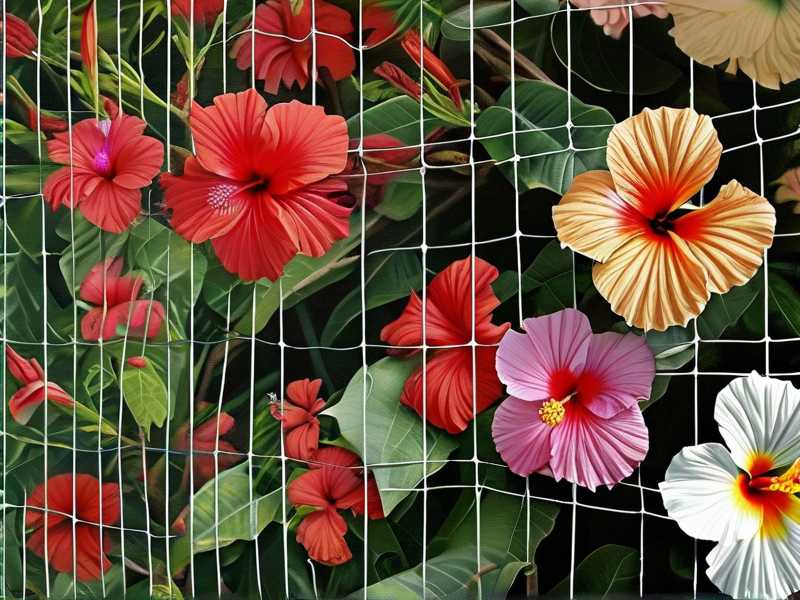
The root ball tested even. I tipped the pot slightly, and everything held firm. The soil surface looked healthy, no cracks from rocking.
I spent about 45 minutes setting this up. The payoff is a whole season of stable growth. A small investment in time.
I would like to say this to every new gardener: do not skip the screen. Staking is only half the job. The screen is the other half.
Do it on a calm day so you can attach everything without the wind fighting you.
Frequently Asked Questions
Q: Can I use a metal stake instead of bamboo?
Yes, but wrap the tie with a cushion. Metal stakes are durable but can rub against the bark. I used to use them. Then I switched to bamboo because it has more friction, which holds the stem steady better. Just push the bamboo deeper because it is lighter.
Q: Should I remove the screen during winter?
If you live in a mild winter zone, keep it up. If your hibiscus goes dormant, you can take the screen down. But the pot still needs protection from cold gusts. I keep a small windbreak around the pot even in winter.
Q: How soon will the plant recover after wind damage?
Minor leaf tears might heal quickly, but the new leaves will come in 2-3 weeks. If the stem was bent and not snapped, stake it immediately. The internal damage takes about a month to repair. Give it organic fertilizer at half strength to help.
That is my full method. Start with the stake, add the screen, and resist the urge to overwater. In two weeks, you will see a different plant.