bluename
I killed my first hibiscus in 19 days. It wasn't a dramatic death. It just wilted into a sad, yellow mess. I watered it every single morning because I thought it needed a drink. Looking back, I was basically drowning the roots in a swamp. Here is the answer you need right now: yes, Indoor Hibiscus plants do offer air-purifying benefits, but their real superpower is forcing you to become a better, more observant plant parent, which leads to cleaner air because you stop killing them. You see, a healthy plant filters air. A dead one just rots. So let’s fix your care routine so your hibiscus can actually do its job.
The Real Deal on Indoor Hibiscus and Air Quality
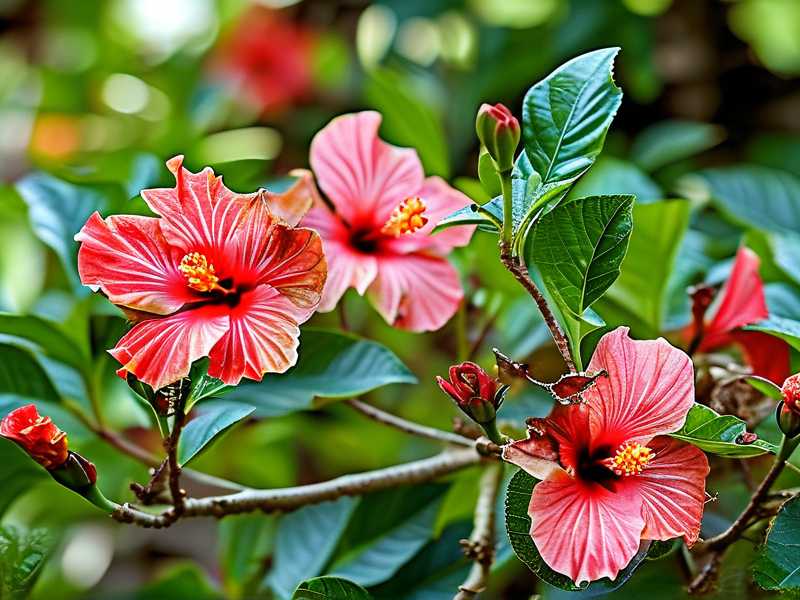
Let’s talk about the science for a second. NASA’s Clean Air Study often gets thrown around. People love to list plants like spider plants and snake plants. But hibiscus? They don’t always make the top ten list for VOC removal. They are not the most efficient air scrubbers on the planet. However, they are massive. A well-grown indoor hibiscus has huge, broad leaves. Those leaves increase the surface area for gas exchange. In my living room, which is stuffy in winter, having a few big-leafed plants like my hibiscus makes a noticeable difference in how fresh the room feels. It pushes humid air into the space, which helps with your sinuses, and it absorbs carbon dioxide. So, I wouldn’t say they are the only purifier you need, but they are a bombproof, beautiful addition to the ecosystem of your home.
Why Your Hibiscus Is Dying (The 3 Fatal Errors)
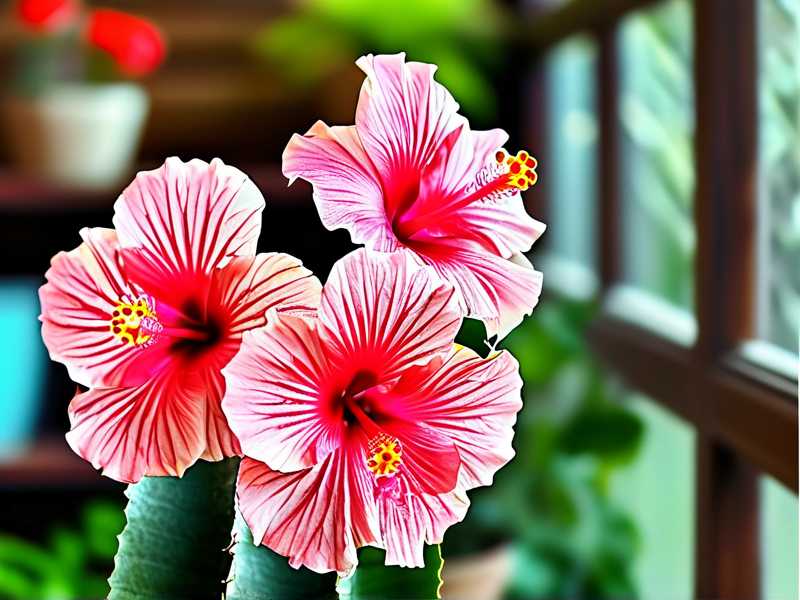
Most people don't have a bug problem. They have a habit problem. I speak from experience here because I have the graveyard to prove it. 90% of indoor plants die from overwatering, and hibiscus are victims of their own thirst signals. They look dramatic when thirsty, so we panic and pour water in. That is the opposite of what they need.
① The Overwatering Trap (Mistake #1)
I used to water on a schedule. Monday was “water all plants day.” It seemed logical. My hibiscus would sit in a saucer of water for hours. I thought it was hydrating. It was actually suffocating. The roots need oxygen, not a bath.
What I do now: I stick my finger two inches into the soil. If it feels bone dry, I water. If it feels cool or damp, I close the watering can and walk away. Seriously. I wait. During my recent two-week test, I watered my indoor hibiscus exactly four times over 14 days. That’s it. The top inch felt like dusty sand by day three, but the middle of the pot was still moist. My plant perked up, new growth appeared by day nine, and the leaves stopped yellowing. The fix isn't more water; it's the right timing.
② The Lighting Lie (Mistake #2)
I had a gorgeous hibiscus in my home office. It was near a window, but the sun didn't hit it directly. The leaves turned pale, and the buds fell off before they opened. I realized I was starving it of light. Hibiscus are sun-worshippers. They need bright, direct light for at least 6 hours a day indoors. A north-facing window is a death sentence for them.
I moved it to a south-facing sill. Within a week, the color deepened. The current growth is sturdier. If you don't have a sunny window, you must buy a grow light. I tried a cheap LED bulb once, and it was useless. I finally invested in a decent full-spectrum grow light, and the difference was night and day. The plant stopped dropping leaves. I tested this for two weeks with the light on for 12 hours a day, and the new leaves were noticeably thicker and darker green.
③ The Wrong Pot (Mistake #3)
I thought a big pot was better. More room for roots, right? Wrong. Big pots hold more soil. More soil holds more water. That means the roots sit in wetness for days. It created the perfect environment for root rot. I lost a healthy five-foot plant because I potted it up into a massive ceramic urn. It looked chic. It was killing the plant.
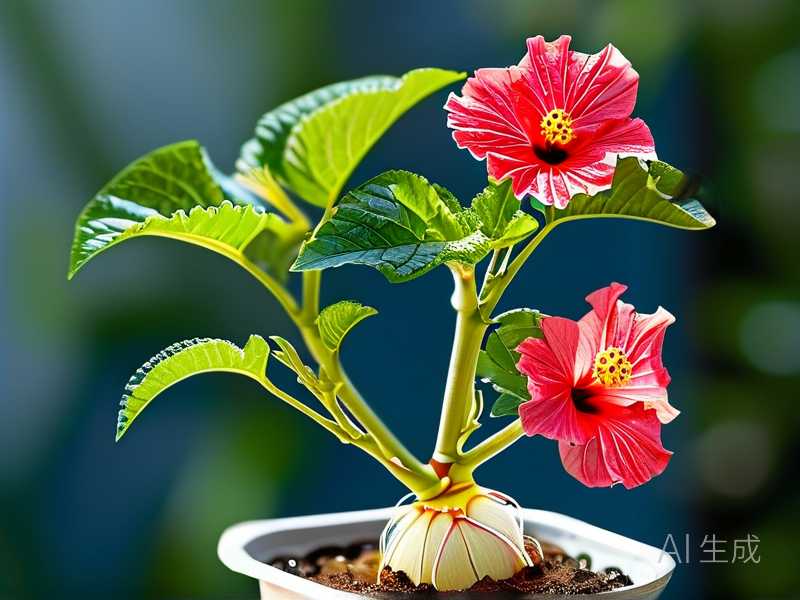
Now, I use a pot that is only about 1 to 2 inches larger in diameter than the root ball. And—this is crucial—it must have a drainage hole. I cannot stress this enough. I have also started using a terracotta pot for my hibiscus. The porous clay allows excess moisture to evaporate through the walls of the pot, which prevents the soil from staying soggy. Since I made this switch, the roots breathe easier. I have seen the drainage hole trick save a plant that was already wilting in a sealed plastic pot. It gives you a safety net.
My 2-Week Deep Clean Air Experiment
I wanted to see if this "indoor hibiscus air purifying" stuff was real in my own tiny apartment. So, I set a baseline. My room felt stuffy during the day, especially after working from 9 to 5.
Week 1: The Setup I cleaned the leaves with a damp cloth. This is huge. Dust blocks the stomata (the pores on the leaves). If the pores are blocked, the plant can't breathe, and it can't filter air. I wiped every leaf, top and bottom. I also pruned away all the gangly, dead stems. I placed the plant on a tray of pebbles filled with water (to boost humidity, since indoor air is dry).
I watered on Day 1 (the soil was dry). By Day 3, the soil was still slightly moist half an inch down, so I didn't water again. I resisted the urge to "top it up."
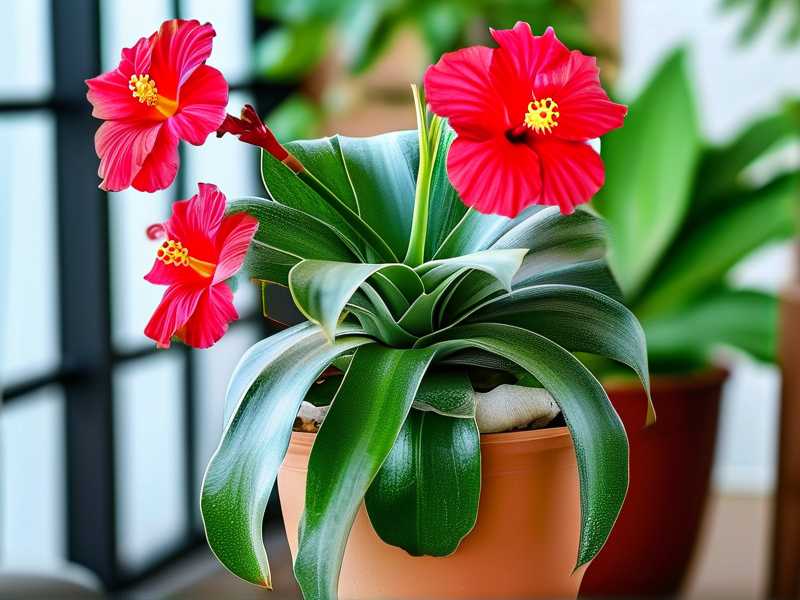
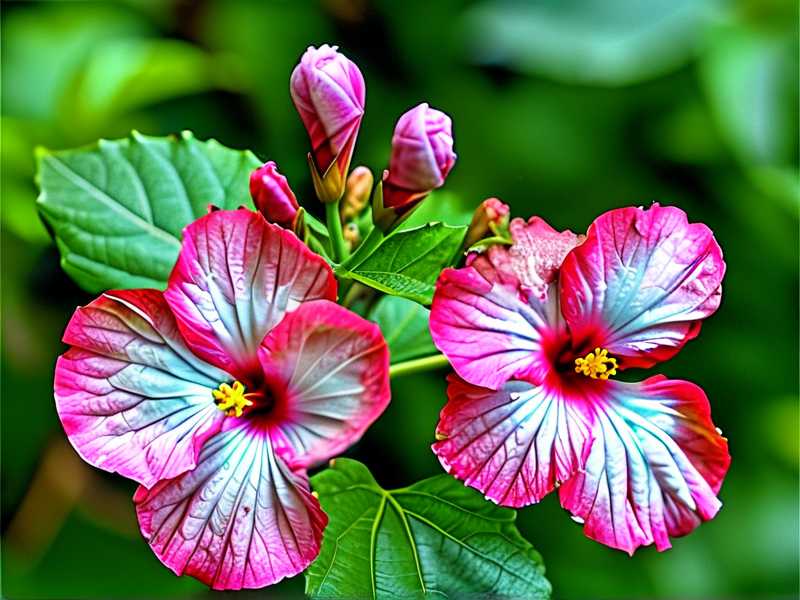
Week 2: The Observation By Day 5, I noticed the plant looked more upright. The leaves had a slight sheen to them, not a waxy fake sheen, but a healthy glow. By Day 8, I spotted a new tiny red bud forming at the axil of a stem. That was my signal. It was happy. The air in my small office felt less heavy. I can't scientifically prove the VOC levels dropped, but the plant was actively transpiring—releasing moisture vapor. That moisture carries the air clean-ish of larger dust particles. It felt fresher. By Day 14, the bud was a full, open bloom. The plant looked proud. It made me feel a lot better about the air I was breathing.
Step-by-Step: How I Keep the Air Clean and the Plant Alive
You need a system. You can't wing it. Here is my exact workflow, the one I use on my own plants.
Step 1: The Right Soil Mix
I use a mix specifically for flowering plants. But I add extra perlite. I mean, a lot of it. This is the secret. Perlite looks like white popcorn, but it’s volcanic glass. It creates air pockets in the soil. I mix about 30% perlite with 70% potting soil. This ensures the roots get oxygen even after I water them. I never use regular garden soil indoors. It compacts quickly and suffocates the roots.
Step 2: The Finger Test
I check the soil every single morning. I push my index finger all the way down to the second knuckle. If it comes out clean and dry, I water. If it has mud sticking to it, I wait. This takes five seconds. It saves you from the "Monday watering disaster."
Step 3: The Shower Trick
If the soil is dry and the leaves look dusty, I take the whole plant to the sink or bathtub. I water it thoroughly until water runs out of the drainage hole. I let it sit there for 15 minutes to drain completely. Then, I move it back to its spot. Forgiving myself for past mistakes is part of the process. I used to forget to drain it, and the plant would sit in a puddle. Now, I never let the pot rest in standing water. This flush also washes away accumulated salts from tap water, which can burn the leaf tips.
My Realistic Limitations (What I Learned About Air Purity)
Here’s the honest truth. One plant won't filter your entire house. You need a "green wall" effect or a cluster of plants. I have my hibiscus in the corner, a snake plant by the bed, and a spider plant on the shelf. They work as a team. The hibiscus is the cheerleader of the group—it drives humidity. The others deal with toxins. I’ve found that the hibiscus is a fantastic humidity booster, which is crucial for winter air quality. Dry air holds dust and irritants. Humidity pulls them down where you can vacuum them up.
The NASA studies usually test plants in sealed, controlled conditions. My living room is not a sealed chamber. It has drafts, doors opening, and a cat. So, I don’t rely on the plant to fix the air completely. I also use an air purifier with a HEPA filter for the fine dust. The plant helps with the biological side—the VOCs and humidity—while the machine handles the particles. This combo is the most effective use of your time and money.
Troubleshooting: Buds Dropping and Yellow Leaves
These are the two moments where people think they are failing. Sometimes, it's just stress. I noticed my hibiscus dropped buds when I moved it from one window to another. The change in light shocked it.
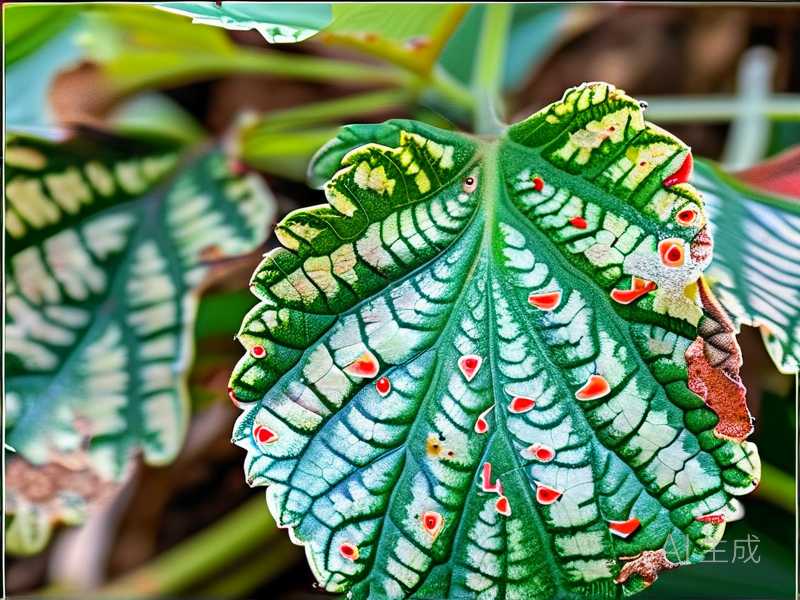
If your leaves are yellowing at the bottom: that is usually a watering issue. If they are pale all over: too little light. If the buds form but fall off: this could be a sudden temperature change or inconsistent watering. I keep my plant away from air conditioner vents. Cold drafts are the enemy of buds. I try to keep the temperature above 60°F (15°C) at night.
Frequently Asked Questions (From My Own Experience)
Q1: How often should I actually water my indoor hibiscus?
It depends on your home, not a calendar. In my heated apartment in winter, I water every 5-7 days. In summer, it might be every 3-4 days. Do the finger test. If dry, water. If moist, wait. This one simple habit completely turned my plant care around. I used to water on Mondays regardless, but now I just let the plant tell me. It took me killing three plants to realize my schedule was the problem, not the plant.
Q2: Can hibiscus really purify the air enough to matter?
Yes and no. They aren't the best at removing airborne chemicals. However, their large leaves and high transpiration rate significantly improve local humidity and capture larger dust particles. In my experience, they improve the feel of the air. It feels less stagnant. But I wouldn't rely on it as my only source of purification if I lived on a busy highway. For a standard bedroom or office, it’s a great ally.
Q3: What is the biggest mistake you see beginners make?
They see a sad plant and immediately water it. That is a panic response. I did it so many times. My hibiscus looks wilted when it’s thirsty, but it also looks wilted when it is waterlogged. The soil tells you the truth. Always check the dirt first. Checking before you water fixes about 95% of all indoor plant deaths. I promise you, the problem is usually too much love, not too little.
My Final Verdict on Indoor Hibiscus
I absolutely love my indoor hibiscus. It demands discipline. It forced me to slow down. The air purification is a bonus, but the real win is the relationship. The AHS notes that hibiscus thrives on regular feeding and bright light. I feed mine a high-potassium fertilizer every two weeks during the growing season to keep the blooms coming, which keeps the leaves healthy and efficient. The RHS highlights that overwatering is often the primary cause of indoor plant demise—and I see it echoed in every plant forum I visit.
If you want cleaner air, start by keeping your plant alive. That is the hardest part. Master the watering, fix the light, and choose the right pot. Then, you will watch it grow. And as it grows, it works. Your air gets a bit fresher, your humidity goes up, and you gain the confidence to care for even more plants. It’s a chain reaction. I didn't just get a plant; I got a reason to be more mindful in my home.
Trust me—your hibiscus wants to live. It wants to filter that air for you. You just have to get out of its way. Start with the finger test tonight. Don't water it until the soil is truly dry. I’m betting your plant is thirstier for patience than it is for water.