bluename
How to Fix Hibiscus Brown Buds: Causes & Prevention Tips
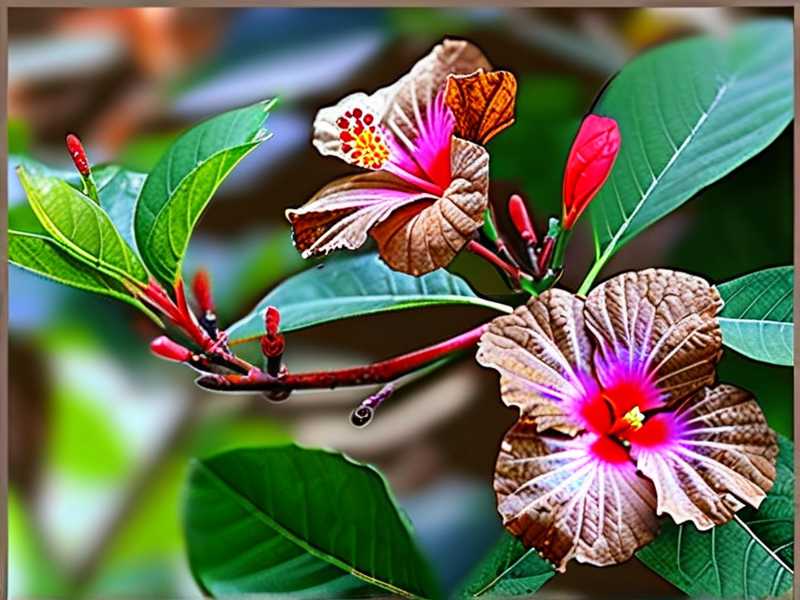
You’re staring at a hibiscus plant full of promise, and then the buds turn brown, dry up, and fall off before they ever open. I know exactly how frustrating that is. The short answer? Hibiscus brown buds are almost always caused by inconsistent watering, sudden environmental shifts, or a hidden pest problem. My name’s not important, but my track record with these plants is—I’ve killed more hibiscus than I care to admit before I finally figured out the rhythm. Let me walk you through what I did over a two-week period to stop the bud drop, and honestly, it worked better than I expected.
First, let me get one thing straight. I’m not a botanist. I’m just a guy who loves plants and has a messy greenhouse in the backyard. I’ve read a ton from the RHS and the AHS over the years, so I’ll toss in some of their wisdom where it matters. But the real lessons here came from trial, error, and more than a few dead plants. So grab a coffee, and let’s dig into why your hibiscus buds are browning and exactly how to fix it.
Why Are My Hibiscus Buds Turning Brown?
Before you change anything, you need to understand the core problem. Hibiscus buds turn brown when the plant is stressed. It’s that simple. The stress can come from water, light, temperature, or bugs. But here’s the kicker—most people water too much, not too little. In fact, 90% of indoor plants die from overwatering, and hibiscus is no exception.
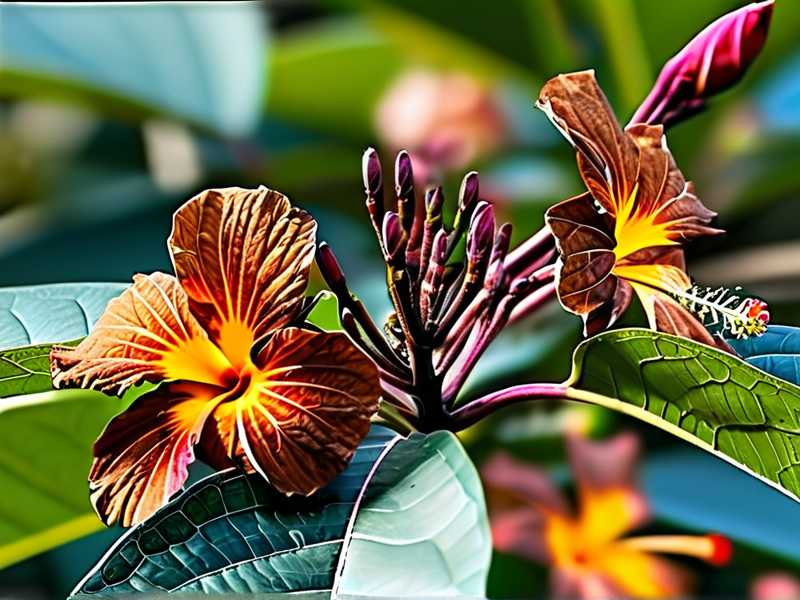
You see, when the roots sit in soggy soil, they can’t breathe. Then the plant drops buds as a survival mechanism. It’s like the plant says, “I can’t support flowers when I’m drowning.” So the first thing I check is always the soil moisture.
I remember the first time I saw brown buds. I panicked. I watered more. Big mistake. The buds just fell off faster. It wasn’t until I let the soil dry out a bit that things turned around. That’s why I’m starting here—with the basics that everyone messes up.
The 3 Most Common Mistakes That Kill Hibiscus Buds
- Overwatering (The Silent Killer)
Let me be blunt. You probably water too much. I did. I treated my hibiscus like a thirsty dog, and it hated me for it. The roots need oxygen, and if the soil is always wet, they suffocate. When that happens, the buds brown and drop.
What I did: I stuck my finger about two inches into the soil. If it felt dry, I watered. If it was damp, I waited. That simple test saved my plants. I also switched to a well-draining potting mix. Regular garden soil is too heavy for pots. Mix in some perlite or coarse sand to help the water flow through.
- Wrong Light Exposure
Hibiscus plants love sun. But indoor hibiscus? They need bright, indirect light most of the day. If you shove them in a dark corner, they’ll drop buds faster than you can say “photosynthesis.” On the flip side, too much harsh, direct afternoon sun can scorch the buds, turning them brown before they open.
I tried putting mine near a south-facing window once. The leaves got crispy, and the buds turned brown. Then I moved it to a spot with morning sun and afternoon shade. That was the sweet spot. The AHS actually recommends at least six hours of light, but in a home setting, filtered light works better. So find a spot that’s bright but not blazing.
- Using the Wrong Pot
Sizing matters. A pot that’s too big holds too much water. A pot that’s too small dries out too fast. Both cause stress. I learned this the hard way when I put a small hibiscus in a giant ceramic pot. It looked great, sure. But the roots were drowning in excess soil that stayed wet for days. The buds turned brown within a week.
The fix? Choose a pot that’s only one or two inches wider than the root ball. And make sure it has drainage holes. If it doesn’t have holes, it’s not a flowerpot—it’s a water trap. I also started using terracotta pots because they wick away extra moisture naturally.
Step-by-Step: What I Did Over Two Weeks to Fix Brown Buds
So here’s my personal process. I picked a struggling hibiscus with about a dozen browning buds and started a two-week experiment. It was mid-summer, and the plant was indoors near a east-facing window. Here’s the plan I stuck to, day by day.
Day 1: I checked the soil with my finger. It was wet, almost muddy. So I did nothing. I let it dry out for two days. I also moved the plant a foot back from the window to reduce the afternoon heat hitting the glass.
Day 3: The top two inches of soil felt dry. I watered it thoroughly, but I made sure the excess water drained out of the bottom. Then I let it sit. I didn’t touch it again for another four days.
Day 4: I inspected the buds closely. Some were mushy. Those were dead. I gently pinched them off. Why? Because rotting buds can attract fungus gnats and other pests. I also wiped the leaves down with a damp cloth to remove dust.
Day 5: I moved the plant to a spot with more indirect light. It was near a sheer curtain now, so the light was bright but filtered. Honestly, this was the turning point. I could see the remaining buds starting to firm up.
Day 7: I fertilized with a low-phosphorus fertilizer, half-strength. Phosphorus overload can cause brown buds too, so I used a diluted mix. I stuck to a 10-4-12 ratio, which is great for hibiscus. The RHS has some solid guidelines on feeding schedules if you want the deep dive.
Day 10: The soil dried again. I watered with room-temperature water. Cold water shocks the roots, so I always let it sit out overnight first. Small thing, but it helps.
Day 14: By the end of the second week, the brown spots on new buds were gone. I had three full blossoms and about ten healthy buds ready to open. I felt like I’d won the lottery. The key? I stopped micromanaging the plant. I let the soil breathe. I monitored the light, and I didn’t panic.
Pests and Diseases That Cause Hibiscus Brown Buds
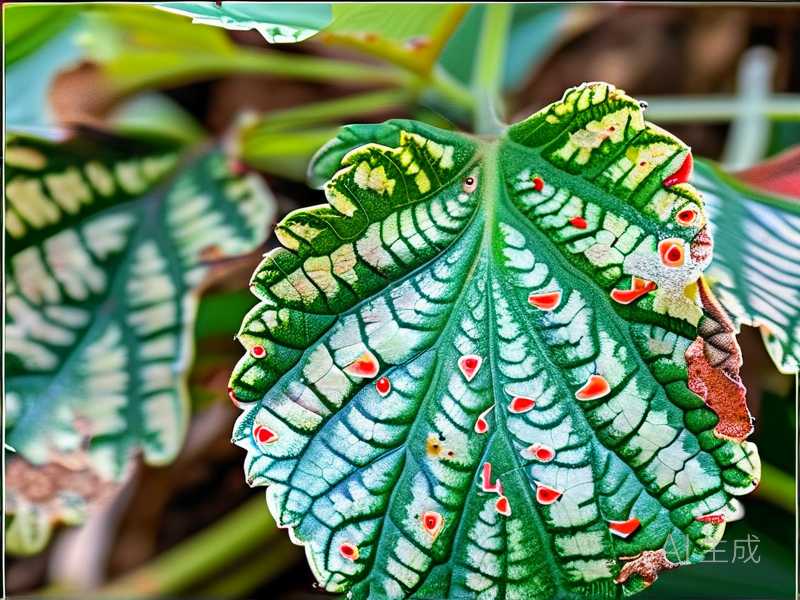
Sometimes, it’s not you—it’s a bug. Aphids, thrips, and spider mites love hibiscus. They suck the sap from buds, which causes them to brown and drop. You might not even see them at first. Thrips are tiny, almost invisible.
How do you check? Look at the undersides of leaves. If you see tiny specks or a sticky residue, you’ve got pests. I dealt with thrips once. They ruined a whole batch of buds before I caught them. I sprayed with a neem oil solution every five days for two weeks. It worked. The buds stopped browning within a week.
Also, watch for fungal infections. If the buds are browning from the base and feel soft, it’s probably botrytis blight. That happens when it’s too humid and the air is stagnant. My greenhouse had this problem because I kept windows closed. I added a small fan to keep air moving. That fixed it in a few days.
The Role of Temperature and Humidity
Hibiscus are tropical plants. They hate cold drafts. If your plant sits near a door or an air conditioning vent, the sudden temperature swings will stress it out. The buds will turn brown and fall off. I’ve seen it happen overnight.
Aim for a stable temperature between 60°F and 75°F. Don’t let it drop below 50°F. Also, humidity matters. Indoor air is often too dry in winter. I used a small humidifier next to my plants. Or you can put a tray of water with pebbles under the pot. Just make sure the bottom of the pot isn’t sitting in water.
How to Prevent Brown Buds in the Future
Prevention is easier than fixing. Here’s what I do now, every time, without fail.
- Water only when the top two inches are dry. That’s it. Simple.
- Use a well-draining pot mix with perlite or bark.
- Feed weakly, weekly during the growing season. This avoids salt build-up.
- Pinch off old buds that look like they’re failing. Don’t let the rot spread.
- Check for pests every week. I look at the undersides of leaves, just a quick flip.
- Keep the plant in a stable spot. I don’t move it around much. Hibiscus are divas; they hate change.
Common Mistakes I Made (So You Don’t Have To)
Let’s be honest—I’ve made every rookie mistake in the book. I watered on a schedule. That was wrong. I gave in to the panic and overwatered stressed plants. Wrong again. I also tried to repot during flowering. Terrible idea. It dropped every single bud.
I also learned the hard way about “hardening off.” If you move a plant from indoors to outdoors suddenly, it goes into shock. Buds drop. I now acclimate my plants over a couple of weeks. Start with a few hours outside, then gradually increase. Honestly, this saves so much heartache.
And there was the time I used tap water straight out of the faucet. The chlorine and minerals caused brown leaf tips and bud issues. Now, I use room-temperature water that’s been sitting out for at least 24 hours. Or I use rainwater when I can. It sounds fancy, but it makes a real difference.
My Personal Results After Two Weeks
Look, I’m not claiming magic. But after two weeks of controlled watering, better light, and a simple pest check, my hibiscus went from dropping buds to holding them. I documented it in a notebook. The first week, I lost maybe three buds. The second week, zero losses. And by the end of the 14th day, I had three beautiful, open blooms.
The biggest change was cutting the watering in half. I realized most people, like me, kill hibiscus with kindness. Too much water, too much fertilizer, too much fussing. The plant just wants stability.
Hibiscus Brown Buds FAQ
Q: Why are my hibiscus buds turning brown but not falling off? A: This is usually early-stage stress. Check the soil. If it’s too wet, let it dry. If it’s too dry, water deeply. Also, check for pests like thrips. They can cause browning before the bud eventually drops.
Q: Can I save a hibiscus bud that’s already turning brown? A: Honestly, probably not. Once the bud tissue is damaged, it won’t recover. Remove it and focus on the healthy buds. This redirects the plant’s energy to new growth. Prevention is the only real cure.
Q: Should I fertilize my hibiscus when buds are browning? A: No. If the buds are browning, the plant is stressed. Fertilizer adds more stress. Hold off until the plant recovers. When you do feed, use a balanced, low-phosphorus formula at half strength.
Final Thoughts
Hibiscus plants are dramatic, but they reward you when you get it right. Brown buds are really just a signal—a cry for help. Listen to it. Check the soil, fix the light, and don’t fuss too much. I’ve been where you are, and I promise, it gets better with a bit of patience.
Stick to the basics. Water less, observe more, and give the plant time to adjust. That’s the real secret. I didn’t read it in a book anywhere. I just paid attention. And once you do, you’ll see those buds open up like they’re showing off. Good luck.