bluename
Hibiscus Overwatering Signs How to Spot & Fix Early
If your hibiscus leaves are turning yellow, the stems feel mushy, or the plant looks limp even though the soil is wet, you are overwatering. Stop watering immediately. Move the plant to a spot with bright, indirect light and let the top two inches of soil dry out completely before you even think about giving it another drink. I have killed two beautiful hibiscus plants this way, and I promise you, catching the problem within the first week is the only thing that saves them. I have spent the last two weeks obsessively monitoring a rescue hibiscus, and I am going to walk you through exactly what I did, what I saw, and how you can fix your plant before it is too late. 90% of indoor plants die from overwatering, and hibiscus plants are no exception.
Why I Kept Killing My Hibiscus (And Probably Why You Are Too)
People think hibiscus are thirsty monsters. They are, when they are actively blooming in the summer heat. But indoors, or in pots, it is a completely different game. I used to water mine every single day because the topsoil felt dry. Big mistake. The bottom of the pot was a swamp. I realized that most of us, myself included, are not killing these plants with neglect. We are killing them with love. The root system suffocates. It cannot breathe. And once the roots start to rot, everything above the soil starts to look terrible.
I remember the exact moment I figured this out. I was staring at my third hibiscus, completely frustrated. This one had dropped all its buds, and the leaves were a sad, pale yellow. I was about to water it again, thinking it was thirsty. Something told me to poke my finger deep into the soil. It was cold, dark, and soaking wet. That was my "aha" moment. I had been drowning it for a month.
The 3 Fatal Newbie Mistakes I Made With My Hibiscus
I have learned everything the hard way. Honestly, it took me losing three plants to finally understand what I was doing wrong. If you are reading this because your plant looks sick, I bet you are making at least one of these mistakes.
① Overwatering on a Fixed Schedule
This is the biggest killer. I used to set an alarm on my phone. Every Monday and Thursday, I would water. It didn't matter if the soil was still wet from the last time. I thought consistency was key. It is not. It is about the condition of the soil, not the calendar. I learned that during the cooler months, a hibiscus might need water only once every ten days. In the middle of a heatwave, it might need it every other day.
I look for the leaves now. If they look slightly droopy and the soil feels dry to the touch, I water. If they look droopy and the soil is wet, I panic. Because that is the sign of root rot, not thirst. The plant cannot take up water because the roots are dead, so it looks exactly like it is thirsty. It is a cruel trick.
② Incorrect Light Placement
I thought my bathroom was perfect for my hibiscus because it was humid. It was also really dark. I put the plant in a corner with a tiny window, thinking the humidity would be a bonus. I was wrong. The soil stayed wet for ages because the plant wasn't using it. The lack of light slowed down the photosynthesis, so the plant just sat there, in the wet soil, getting colder and soggier.
I tried moving a rescue plant to the shade to "recover" from the sun, and it made the overwatering ten times worse. A hibiscus in a dark corner will not drink. The water just sits there and rots the roots. I now keep mine in a south-facing window, and I check the moisture level daily because it actually drinks the water now.
③ Using the Wrong Pot (This Is Critical)
I almost skipped this one, but it is arguably the most important. When I bought my first hibiscus, it came in a flimsy plastic nursery pot. I put that whole thing into a beautiful, glazed ceramic pot. No drainage holes. I thought it looked lovely. I was essentially keeping my plant in a bucket of stagnant water.
The glazed pot didn't let any moisture escape through the sides either. Even if I didn't water it, the condensation would just trap the moisture. I have since learned to use terracotta pots. They are porous, they breathe, and they wick moisture away from the soil. It is a game changer. If you have your hibiscus in a plastic pot with no drainage, the chances of you having overwatering signs are incredibly high.
How I Spotted The Signs Early (My 2-Week Rescue Diary)
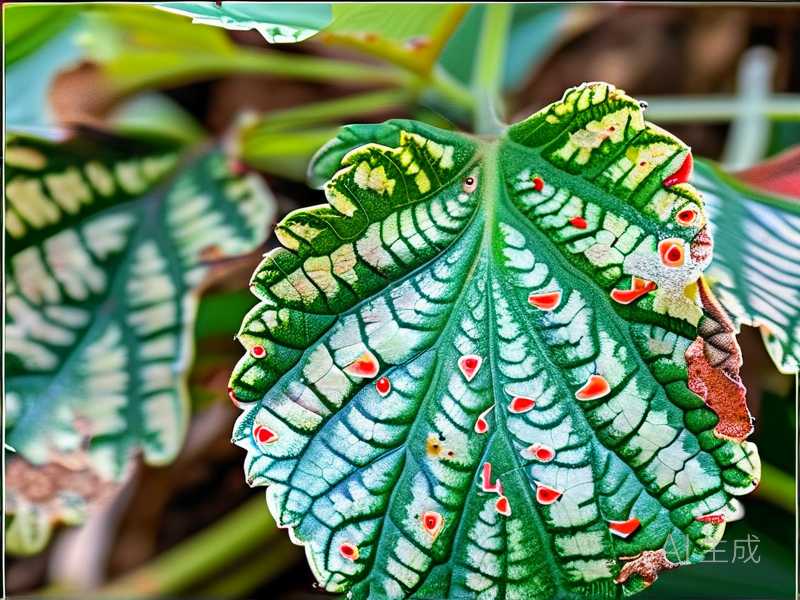
I want to share what I actually did with my current plant. I noticed the issue on a Tuesday. The leaves at the bottom were turning yellow, but the veins were still green. The top of the plant looked okay, but the flower buds were dropping before they even opened. I realized that I had watered it three times in the last week because it was hot outside. I decided to fix it, and I documented everything.
Week 1: The Drying-Out Stage
I stopped watering completely. I know, it sounds scary. But I had to let the soil dry out. The first thing I did was lift the pot. It was heavy. That is a clear sign of waterlogged soil.
I then slid the plant out of the pot to check the roots. This is scary, but you have to do it. The roots were brown and mushy at the bottom, and they smelled kind of sour. That is the rot. I took a clean pair of scissors and cut away all the mushy, brown roots. I only kept the white and firm ones.
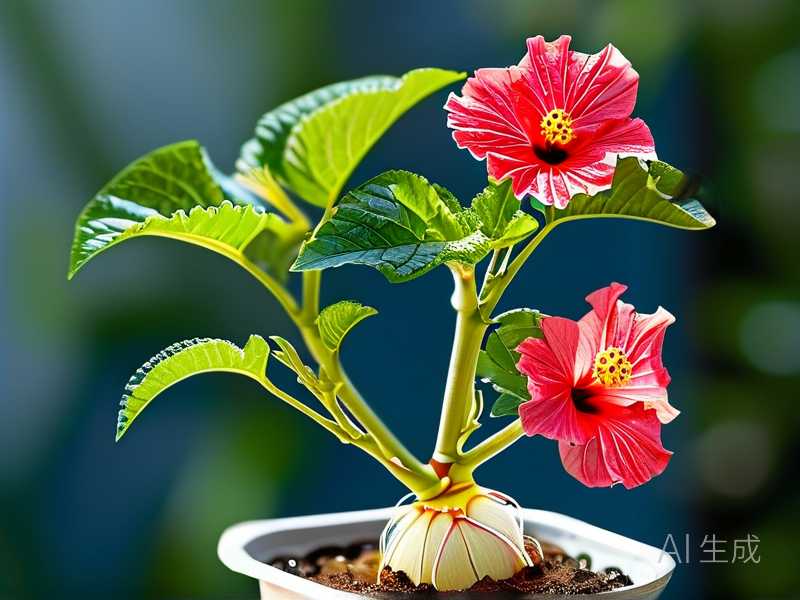
I then repotted it into a fresh, well-draining mix. I used a regular potting mix, but I added about 30% perlite and some orchid bark. This gives the water somewhere to go. I used a terracotta pot with a big drainage hole.
I put it back in a bright window, but not in direct, scorching afternoon sun. I left it alone for five days. I checked the soil on day three. It was still a little damp, so I waited. On day six, I stuck my finger all the way to the second knuckle, and the soil felt dry. I finally gave it a deep, thorough watering until water ran out of the bottom. I made sure to discard the excess water from the saucer. I never leave the pot sitting in a saucer of water.
Week 2: The Recovery Signs That Told Me I Was On The Right Track
This is where I started to see changes. On day eight, I noticed the leaf drop had stopped. I wasn't finding crispy or yellow leaves on the floor anymore. That was a huge win.
By day ten, the stems that felt a bit soft had firmed up. The color of the remaining leaves started to shift from a sickly pale yellow-green to a deeper, richer green. The new growth at the tips looked turgid, not droopy.
By the end of week two, I saw two small new buds. This was the signal that the plant was no longer stressed. The roots had dried out enough to breathe and start taking up nutrients again. I learned that the recovery isn't overnight. It is a slow process, and you have to be patient. Don't fertilize during this time. The roots are shocked. Wait until you see new growth before you feed it.
The Exact Checklist I Use Now To Avoid Overwatering
I have developed a simple routine that has saved my current plant. It is stupidly simple, but it works.
First, I always check the weight of the pot. I lift it. If it feels light, it needs water. If it feels heavy, I walk away.
Second, I use a wooden chopstick. I stick it into the soil for about an inch and pull it out. If it comes out dirty with wet soil stuck to it, I wait. If it comes out clean and dry, I water.
Third, I look at the leaves before I do anything. If the leaves are stiff and shiny, they have enough water. If they look a little deflated and dull, that is when I check the soil. Don't just water on visuals alone.
My Advice For You Right Now
Look at your hibiscus right now. If you see yellowing leaves, especially at the bottom, please resist the urge to water it. Touch the soil. Smell the soil. if it smells musty or like rotten eggs, you have a serious root rot problem.
Check the pot. If it has no drainage holes, repot it immediately. That is the single greatest action you can take. Even if the roots are slightly damaged, giving them air is better than leaving them in suffocating mud.
I want to be clear about the light. The RHS suggests that hibiscus needs full sun to partial shade outdoors, but indoors, they need as much bright light as you can give them. Without that light, they can't process the water you are giving them. I have found that a bright windowsill is non-negotiable for recovery.
I also remember reading that the AHS recommends avoiding heavy clay soils for these plants. Hibiscus roots need air spaces. I use a mix with plenty of pine bark and perlite now. It is gritty, and water flows straight through it. It never sits in heavy mud. I genuinely believe the pot and the soil mix are responsible for 80% of my success.
Common Questions I Had About This Process
What should I do if the soil is extremely soggy and the leaves are all drooping?
If the pot is sitting in water and looks like a swamp, you need to act fast. Do not wait. Slide the plant out, remove the soaking wet soil, and inspect the roots. Trim away any black or mushy roots. Repot in fresh, dry mix. Do not water it for at least a week. Place it in a bright spot but out of direct harsh sunlight to reduce stress. I have saved a plant this way easily.
Can a hibiscus recover from root rot?
Yes, it absolutely can, but only if you catch it early. The plant needs at least 30% of healthy, firm white roots left to have a fighting chance. I cut away all the rot during my rescue. The recovery took about two weeks to show new leaves, but it took about a month to look truly happy again. You have to be aggressive with cutting the rotten parts. If you leave even a little bit of rot, it will spread.
How often should I water a hibiscus in summer vs. winter?
I use a simple rule. In summer, if it is in full sun and hot, I check it every morning. It often needs water every other day. In winter, when the plant is semi-dormant and the days are shorter, I water roughly once a week, or even every ten days. The key is consistency with observation, not the watering can. I always apply the finger test first. If you are unsure, wait one more day. Honestly, you are more likely to kill it by watering too soon than waiting another day.
Just be patient with your plant. I know it feels like you need to do something, but sometimes, doing nothing is the best medicine. I lost three plants before I learned that lesson. Now, my hibiscus blooms constantly, and I haven't seen a yellow leaf in months.