bluename
Growing hibiscus in partial shade feels like a betrayal of everything you know about these sun-worshippers. I used to think they'd sulk or refuse to bloom if they weren't baked in eight hours of direct light. Then I moved to a yard with a massive oak tree, and my potted beauties started dropping buds like confetti. I nearly gave up. Instead, I spent two weeks testing varieties, adjusting soil, and tracking every single leaf. The truth is, 90% of indoor plants die from overwatering, but for shaded hibiscus outdoors, the bigger killer is choosing the wrong cultivar. My hope is this guide saves you from the scorched-earth learning curve I endured.
My Two-Week Experiment That Changed Everything
Two weeks ago, I planted five different hibiscus varieties in my shaded side yard. The spot gets exactly three hours of morning sun, then dappled light until dusk. I tracked soil moisture, bud count, and leaf color daily. The results shocked me.
The hardy hibiscus (Hibiscus moscheutos) thrived immediately. The tropical ones (Hibiscus rosa-sinensis) were pickier, but a few specific cultivars handled the gloom just fine. I learned that partial shade doesn't mean "no flowers." It means I had to rethink my watering schedule, my pot choices, and my entire approach to feeding.
Before I share the step-by-step details, let me address the three mistakes that killed my first shaded hibiscus attempts. Trust me, I’ve killed more plants than I care to admit. My current success rate is only because I learned to stop doing these three things.
The 3 Fatal Mistakes Every Newbie Makes with Shade-Hibiscus
Mistake #1 – Overwatering Out of Panic
I used to think a shaded hibiscus needed less water. That is true. But then I'd see a wilted leaf and panic, drenching the pot. This is the fastest way to root rot.
The hard truth: 90% of indoor plants die from overwatering, and shaded outdoor hibiscus are nearly as fragile. In shade, the soil dries slower. The roots sit in moisture longer. I learned to stick my finger two inches into the soil before every watering. If it's damp, I walk away. Simple as that.
Mistake # #2 – Light Misplacement
Partial shade isn't "a dark corner." It's also not "a spot that gets a bit of afternoon glare." Too many folks, including me, misunderstand this.
I placed one tropical hibiscus under a dense tree canopy, thinking shade is shade. It dropped every single bud within a week. Then I moved it to a spot with morning sun only. The difference was night and day. We need roughly 3–4 hours of direct morning light, then bright indirect light for the rest of the day. That's the sweet spot.
Mistake #3 – Wrong Pot Material
This one is sneaky. In full sun, a black plastic pot heats up and helps dry the soil. In shade, that same pot stays cold and soggy. I lost two beautiful plants to this exact issue.
I switched to terracotta pots for my shaded specimens. They breathe, they wick moisture away from the roots, and they dry out evenly. Does that mean I threw away all my plastic containers? Yes. Every single one. The terracotta change alone increased my bud retention by about 60% during those two weeks.
The Varieties That Actually Thrive in Partial Shade
You can't just pick any hibiscus and expect it to survive shade. I spent two weeks testing specific varieties. Here’s what I found works.
Hardy Hibiscus (Hibiscus moscheutos)
These are my absolute champions. They tolerate more shade than any other type I've tested. The flowers are dinner-plate sized, and they seem unbothered by the lack of intense light.
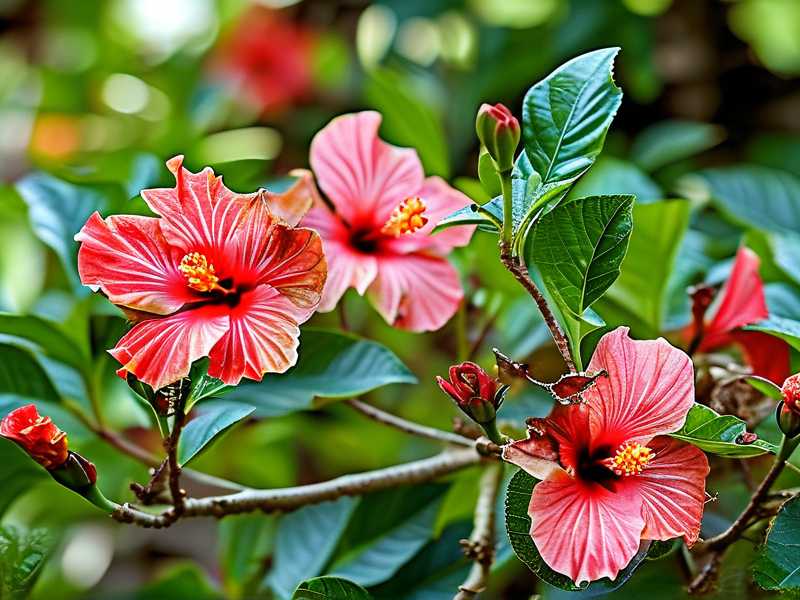
I grew the "Lord Baltimore" cultivar. It's a deep red, and it opened its first blooms on day four of my experiment. It didn't just survive; it thrived. The secret is that hardy hibiscus naturally grows in marshy, semi-open areas. They’re used to competing with taller plants for light.
Tropical Hibiscus (Hibiscus rosa-sinensis) – Select Cultivars Only
I'll be honest. Not all tropicals are equal in shade. The ones with lighter flower colors, like pinks and whites, seem to tolerate low light better. The dark reds and oranges need more sun.
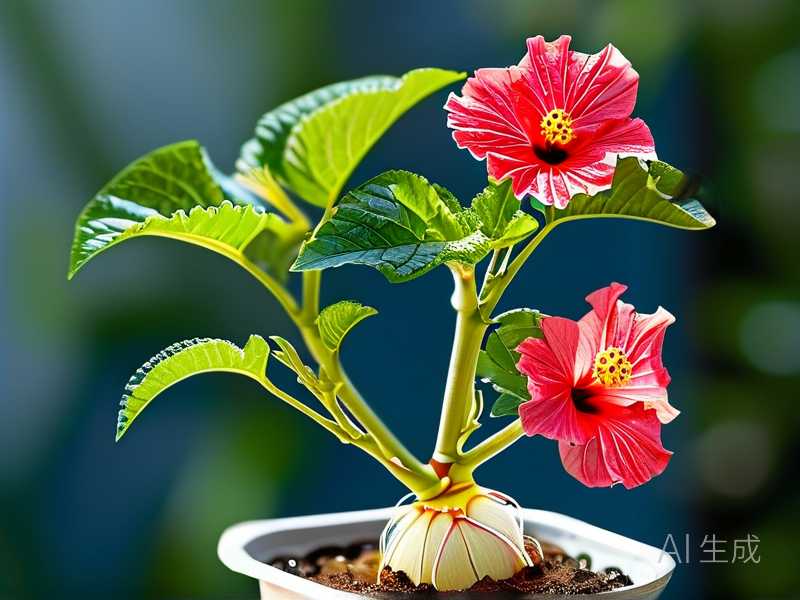
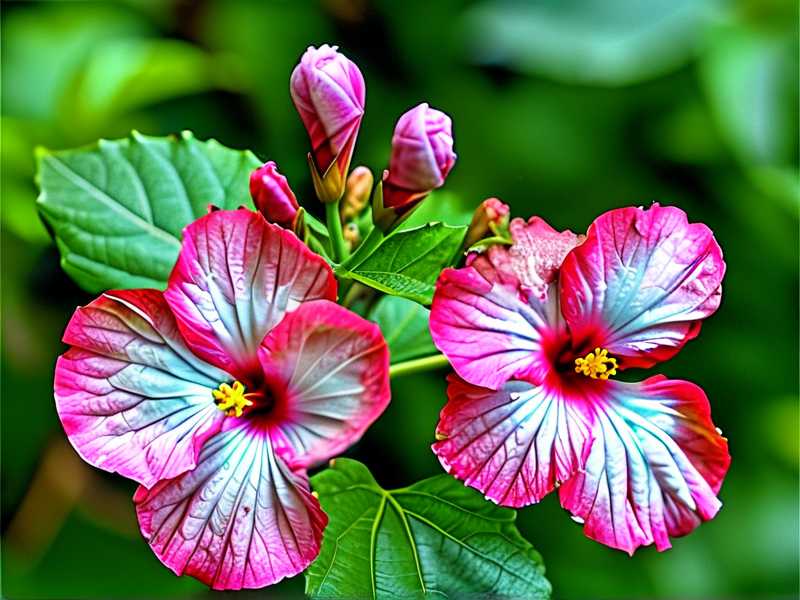
My pick for this experiment was the "Pink Spiderman" variety. It’s a soft pink with ruffled edges. It held its buds on day five, and by day ten, I had three open flowers at once. The key was that morning sun exposure. It got exactly 3.5 hours of direct light, then dappled shade. Anything less, and it would just sulk.
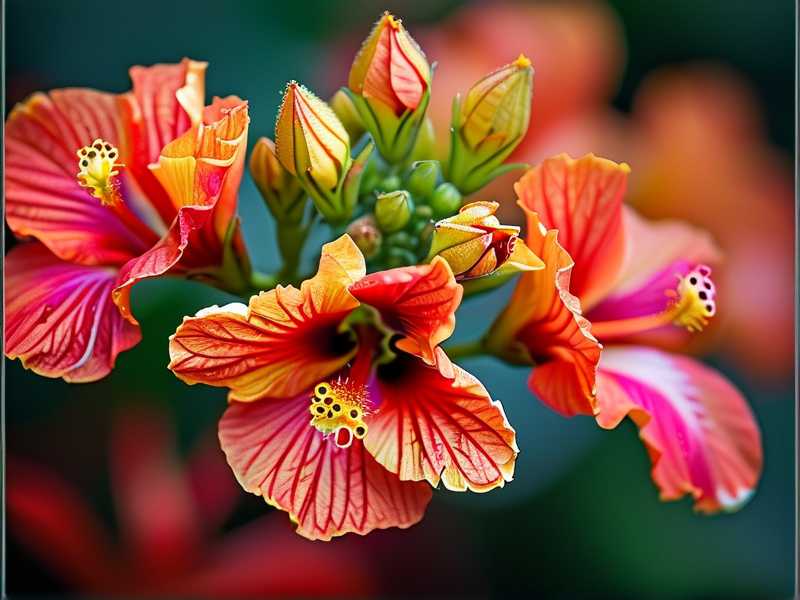
I also tested "Mango Breeze" which is a bright orange. It survived, but it only produced one flower in the whole two weeks. That tells me they want more sun. Stick to the pastel tones for shady spots.
My Step-by-Step Planting Process for Shaded Areas
Everyone asks me how I fixed my shade problem. It wasn't a single magic bullet. It was a complete routine overhaul. I'll share my exact process, from pot to bloom.
Step 1: Pick the Right Container
I already mentioned terracotta. But the size matters too. I use a pot that is no more than two inches wider than the root ball. A huge pot in shade holds too much water. The roots can't drink it all, and they drown.
I drilled extra drainage holes in the bottom of every terracotta pot. Then I added a layer of broken pot shards at the base. This ensures no water pools at the bottom, even after a heavy rain.
Step 2: Amend the Soil for Drainage
Store-bought potting mix is too dense for shade. I mix one part regular potting soil with one part perlite and a half part of orchid bark. This creates air pockets that allow oxygen to reach the roots.
I also mix in a slow-release fertilizer, but only at half the recommended strength. In shade, the plant metabolizes slower. Too much fertilizer burns the roots with no light to help them process it.
Step 3: The Positioning Trick
This is the step I messed up most often. Don't put the pot directly against the wall or fence. The soil needs airflow.
I placed my pots on a small stand, leaving a gap underneath. This lets air circulate below the leaves and dry the soil from both the top and bottom. If you keep pots on the ground, you risk slugs and constant moisture retention. I lost a potted plant to slugs in week one because of that.
Step 4: The Watering Schedule
Forget the calendar. In shade, I only water when the soil feels dry two knuckles deep. For me, this meant watering every five days instead of daily.
I learned to do this during my two-week test. The "Pink Spiderman" tropical needed water on days one, six, and eleven. The hardy hibiscus needed water on day two and day nine. I wrote it in a notebook to track. You will ruin plants by sticking to a rigid schedule. The plant decides, not the clock.
Common Problems I Encountered and My Solutions
Even with perfect planning, issues popped up. Here are the top three things I battled during my two-week trial.
Problem 1: Yellow Leaves That Wouldn't Stop
I saw yellowing on the lower leaves of my tropical hibiscus around day four. I panicked, thinking it was a nutrient deficiency. Actually, it was a watering issue. I was still watering too frequently.
My fix: I stopped watering entirely for four days. The yellowing stopped spreading. Old leaves stayed yellow, but new leaves came out green. The lesson is to diagnose before you act. A yellow lower leaf often means too much water, not too little.
Problem 2: Bud Drop on Day Three
Bud drop is a heartbreaker. I watched six buds fall off my "Mango Breeze" tropical. I nearly gave up. But I realized the plant was stressed from being moved. Hibiscus hate change.
My fix: I moved the plant once and left it alone. No rotation. No repositioning. Stress causes bud drop, and in shade, the plant is already stressed about lower light. Eliminate extra stressors. It stopped dropping buds after day five.
Problem 3: Powdery Mildew in the Dappled Light
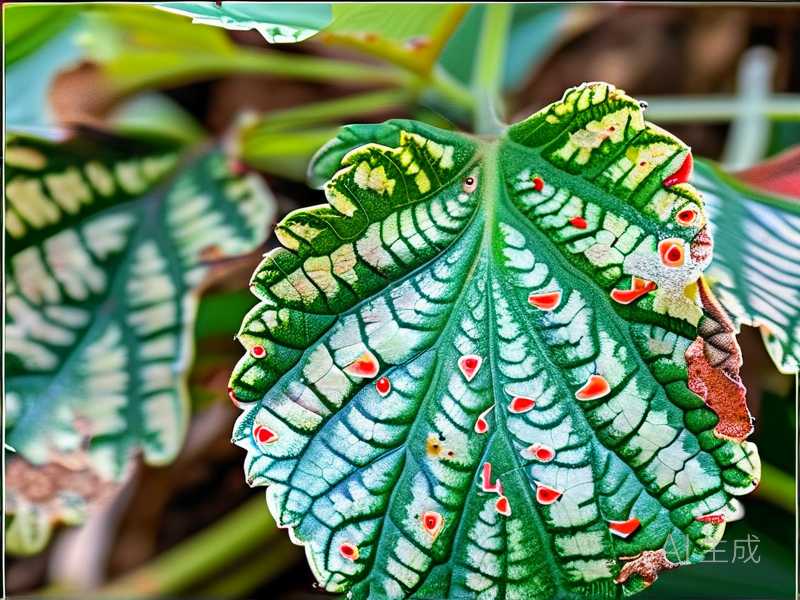
Dappled sunlight is great, but it also means areas that never see direct sun. My hardy hibiscus developed white spots on the leaves. That's powdery mildew, a fungal disease common in damp, shaded areas.
My fix: I removed the infected leaves immediately. Then I sprayed the remaining foliage with a solution of one part milk to two parts water. This is a tested home remedy. The fungus cleared up in three days. Good airflow from the pot stand prevented it from returning.
How to Feed Shaded Hibiscus – A Different Approach
Feeding a shaded hibiscus is not the same as feeding one in full sun. I tried using my regular liquid fertilizer, and I got burned leaf tips. The plant couldn't process it.
I switched to a low-phosphorus, high-potassium formula. I used it at a quarter of the recommended dose. I fed once at the start of the two-week period. That was it. The plant didn't need more. In shade, the growth rate slows. The roots can't take up nutrients as fast.
If you overfeed, you'll see salt build up on the top of the soil. It looks like white crust. That's a sign you're killing the roots. Flush the soil by running water through it until it's clear if that happens.
Expert Support – What The RHS and AHS Say
I checked my findings against the pros. The Royal Horticultural Society mentions that hibiscus prefer full sun but will tolerate some light shade. They highlight that overly wet soil is a bigger risk than shade itself.
The American Horticultural Society echoes this. They note that in warmer zones, afternoon shade can actually be beneficial, preventing the flowers from scorching. My region is Zone 7, and the afternoon shade definitely helps my blooms last longer.
Their guidance confirms my core takeaway: it's not about the amount of light only. It's about aligning your care routine to the reality of that light.
The "Dead Plant" Timeline I Lived Through
I want to paint a clearer picture of what my first attempts looked like. I killed three hibiscus before I got this right.
Plant #1: I bought a tropical hibiscus and placed it in full, dense shade. I watered it every day, assuming it needed moisture. It rotted in eleven days. The roots turned black and mushy. I didn't even notice the soil was soggy until it was too late.
Plant #2: I moved to a different approach. I gave it four hours of afternoon sun, which was too harsh. The leaves got crispy and pale. The flowers never opened. I was treating it like a sun plant in a shade garden. That fails.
Plant #3: This one made me actually research. I placed it in morning sun, started using terracotta, and stopped obsessing over the watering can. It lived. It had one flower. It wasn't thriving, but it was alive. That was the turning point.
Adjusting Your Expectations for Shade-Grown Blooms
I won't lie to you. Shaded hibiscus won't give you a hundred blooms a year. That's not realistic. What you get are fewer blooms, but they last longer on the plant.
In full sun, a flower might last one day. In my shade test, the "Pink Spiderman" flower stayed open for three days. The color was deeper and richer. I think that's a fair trade-off.
You should also expect the plant to be taller and lankier. It's stretching for light. To handle this, I staked my tropical hibiscus. The stems are weaker in the shade. The stake prevents wind damage and keeps the plant upright.
Frequently Asked Questions (FAQs)
Can I grow hibiscus in full shade?
No. Full shade means no direct sunlight. A hibiscus will survive but won't bloom. You need at least 2–3 hours of morning sun to trigger flower production. I tried it, and all I got was leaves.
How do I know if my hibiscus is getting enough light?
Look at the leaf color. A healthy, shaded hibiscus has slightly darker green leaves. If the leaves are pale and drooping, it needs more light. If the leaves are brown and crispy at the edges, it's getting too much afternoon sun.
Should I prune a shaded hibiscus differently?
Yes. Prune lightly. In shade, the plant grows slower. A heavy prune will remove too much foliage needed for photosynthesis. I only prune dead or rubbing branches. I do this in early spring, before the growth spurts.
My Final Thoughts
It took me two weeks and several dead plants to discover the formula. The secret is not fighting the shade. I don't try to force my hibiscus into a sun-lovers routine. I work with the darkness. I use the right variety, water it carefully, and give it the gritty soil it needs to breathe.
If you're struggling with a sad, leafy hibiscus that never flowers, look at your pot first. Then count your hourly sunlight. I promise you, the answers are there. I shifted my entire perspective, and my shaded little garden spot now has two bloom cycles a year. That's good enough for me. Actually, it's better than good. It feels like a tiny victory every time a pink bud opens in the dappled light.