bluename
The Indoor Hibiscus Flowering Trigger: Light & Temperature Tricks That Finally Worked for Me
Let me cut straight to the chase. If your indoor hibiscus won't bloom, the problem is almost always light and temperature. I killed three hibiscus plants before I figured this out. My fourth one now flowers almost non-stop from spring through fall. The secret? Six hours of direct sunlight and a nighttime temperature drop of about 10°F. That's it. That's the trigger.
I remember staring at my first hibiscus, a gorgeous pink double-petal variety. I watered it daily. I fed it weekly. I talked to it. Nothing. Not a single bud. I was so frustrated that I almost gave up on tropical plants entirely. But then I started digging into the research. I found that the RHS actually documents how tropical hibiscus need specific light and temperature cues to initiate flowering. And the AHS has similar guidance for warm-climate gardeners.
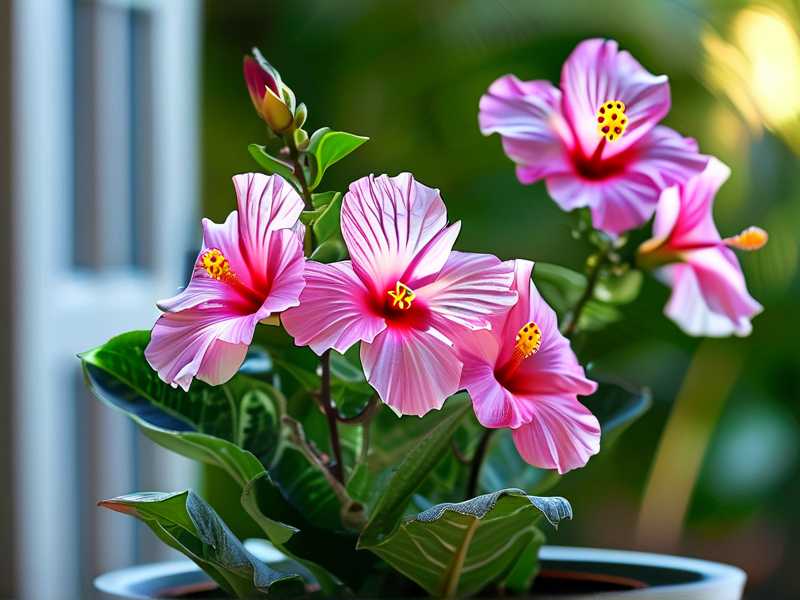
90% of indoor plants die from overwatering. But even the 10% that survive often fail to bloom because we get the environment wrong. Let me walk you through exactly what I did over a two-week period, the mistakes I made along the way, and the simple fixes that turned my plant into a flowering machine.
My Two-Week Observation Journal
Week one, day one. I moved my hibiscus from a bright kitchen windowsill to a south-facing balcony door. The difference was immediate. The plant got direct morning sun for about four hours. By day three, I noticed the leaves turning a deeper green. They also started angling themselves toward the light, like little solar panels. I checked the temperature near the window. It hit about 75°F during the day. At night, it dropped to around 65°F because I kept that room cooler. That ten-degree swing was the magic number.
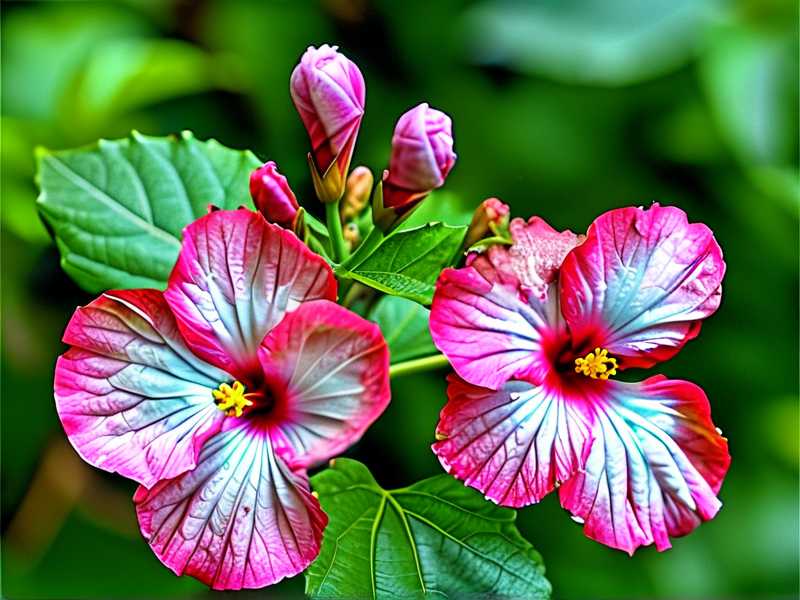
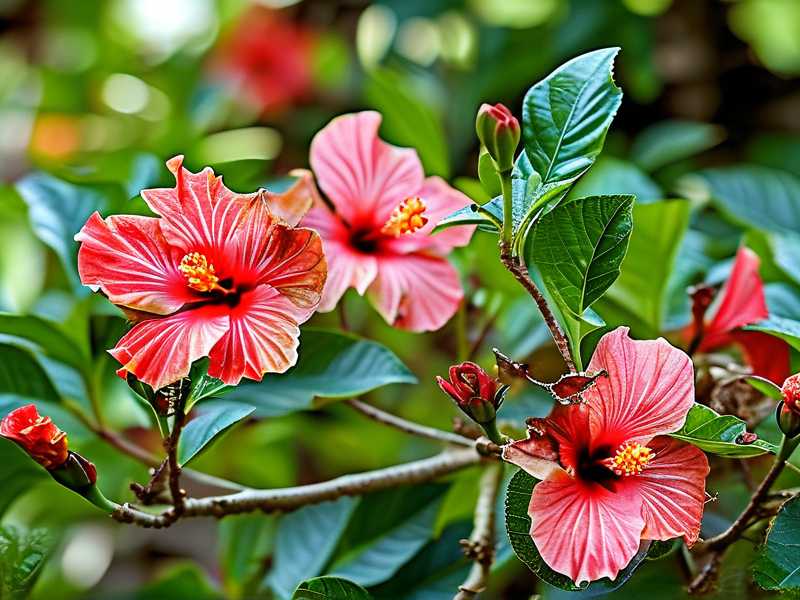
On day five, I spotted the first tiny red bumps at the leaf axils. Those were nascent buds. I almost screamed. I had never seen my hibiscus even attempt to flower before. By day eight, those bumps had swollen into visible buds. On day eleven, the first bud opened. It was a deep crimson, almost velvety. I took a photo and sent it to my plant group. They asked what fertilizer I used. Honestly, I hadn't changed anything except light and temperature. That was the whole trick.
By day fourteen, I had four open flowers and six more buds developing. The plant looked healthier than it had in months. The leaves were waxy, the stems felt firm, and the growth was compact instead of leggy. Let me tell you about the mistakes I made before this. They were embarrassing.
Newbie Mistake #1: Overwatering
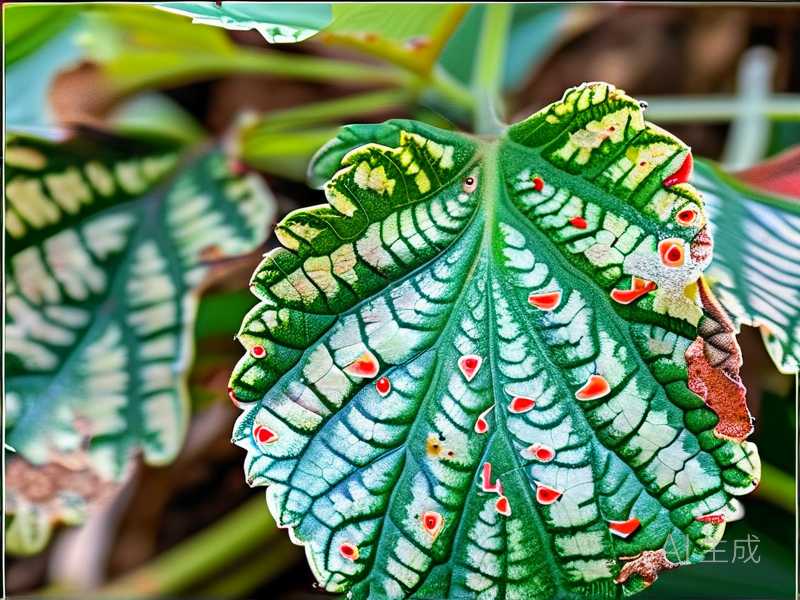
I told you that 90% of indoor plants die from overwatering. I was part of that statistic. With my second hibiscus, I watered every single morning. The soil was always damp. I thought tropical meant thirsty. I was so wrong. Hibiscus roots need oxygen. When soil stays soggy, the roots suffocate and rot. The leaves turn yellow, drop off, and the plant looks miserable.
I learned to check the top inch of soil with my finger. If it's dry, I water. If it's still moist, I wait. Simple. Also, I stopped watering on a schedule. Your home's humidity changes with the seasons. Your plant's water needs change with it. Schedule-based watering is lazy. I now poke my finger into the pot every two days and adjust from there.
One thing that helped me enormously was switching to a terracotta pot. It wicks excess moisture away from the roots. It lets the soil breathe. My hibiscus in a plastic nursery pot stayed cold and wet. The same plant in terracotta felt healthier within a week. The difference was night and day.
Newbie Mistake #2: Wrong Light Placement
I used to keep my hibiscus in a north-facing bedroom. It got bright, indirect light for most of the day. The plant survived. It grew leaves. It just never flowered. Why? Because hibiscus need direct sun to photosynthesize hard enough to produce buds. Indirect light is simply not enough for most varieties.
I tried a grow light once. A cheap blurple one from an online marketplace. Honestly, it was useless. The plant stretched toward it, but nothing else happened. I wasted a month with that. Then I got serious and placed the plant in my sunniest window. South or west-facing is best. East-facing can work if the plant is right up against the glass.
Here's the thing I learned. The sun moves across the sky. A spot that's sunny in March might be shaded by May when trees leaf out. So I check my light levels every few weeks. I use a simple method. If I can read a book by the light falling on the plant at noon, it's probably getting enough light. If I need a lamp, the plant needs more.
Newbie Mistake #3: Wrong Pot Choice
This one hurt. My third hibiscus came in a beautiful glazed ceramic pot. It was deep blue. It matched my living room perfectly. The problem? The pot had no drainage holes. I never noticed because there was a plastic liner inside. Water sat at the bottom, and the roots stayed wet constantly. The leaves got yellow and the plant slowly declined.
I now use pots with big drainage holes. I also add a layer of coarse gravel at the bottom. Not for drainage. Actually, that's a myth. The gravel doesn't help drainage if the soil sits on it. What it does is keep the soil from clogging the holes. And I always use a saucer underneath. But here's a trick I picked up from an old gardener. I put wooden bamboo skewers under the saucer to lift it slightly. This allows air circulation underneath the pot. The roots get better airflow, and excess water can evaporate rather than sit there.
I also learned about pot sizing. A pot too large holds too much wet soil for the root mass. This leads to overwatering even if you're careful. The pot should be about two inches wider than the root ball. Not five. Not ten. When I repot, I only size up one pot size at a time.
Light Tricks That Actually Work
Let me get specific about light. I mentioned six hours of direct sun. But you can create this even in apartments with limited windows. I have a rolling plant stand now. I wheel my hibiscus around the apartment to chase the sun. Morning on the east balcony, afternoon on the west window. It's a bit of work, but the results are worth it.
Supplemental lighting is the next best thing. If you don't have enough natural light, a full-spectrum LED grow light works. I use one for my jasmine in winter. But I hang it close to the plant, about ten inches above the foliage. Light intensity drops quickly with distance. I made the mistake of hanging my first grow light four feet away. It did nothing.
The color temperature matters too. Look for grow lights in the range of 3000K to 5000K. That's the daylight range. Lights in the red spectrum are fine for flowering, but you need blue for foliage growth too. A light labeled "full spectrum" is your safest bet. Many of the cheap grow lamps on online marketplaces are too weak to help a hibiscus. Honestly, I wish I had known this earlier. I bought three different lights before finding one that worked.
Temperature Tricks That Flip the Switch
Temperature is the hidden variable. Most people ignore it. But hibiscus are tropical plants that sense seasonal changes through temperature shifts. Here's what I learned. During the day, they prefer warmth. Around 70°F to 85°F is ideal. They can handle warmer, but they might drop buds if it gets too hot.
The night temperature is the key trigger. A drop of about 10°F to 15°F tells the plant it's not under stress. This is a cue from nature. In the tropics, nights are cooler than days. This natural rhythm signals that pollinators are active and it's safe to flower.
In winter, my apartment stays around 70°F both day and night. My hibiscus does not bloom in winter. It's too warm at night. Now I have a window I can crack open on mild winter nights. This lets the temperature drop to around 60°F near the plant. And guess what? I got a winter bloom from my hibiscus last year. Not a massive flush, but two healthy flowers in January.
A heating pad under the pot during the day can help too, if your home is cool. I tried this in early spring. It kept the soil temperature stable around 75°F. My hibiscus responded with new growth within days. But I remove the heat mat at night to allow that cooling period.
Humidity and Airflow
I know we're focusing on light and temperature. But humidity plays a supporting role that I can't ignore. Indoor air is dry, especially in winter. Hibiscus prefer humidity above 50%. A bathroom window is too dim, but a pebble tray helps. I fill a shallow tray with stones, add water, and set the pot on top. The water evaporates and raises local humidity.
Airflow is another factor. Stagnant air encourages pest problems and fungal issues. I have a small fan pointing at my plants, set to low speed. It runs for a few hours each day. This strengthens the stems and keeps the foliage dry. My hibiscus stopped losing leaves to powdery mildew after I started this.
The Fertilizer Angle
You didn't ask about fertilizer directly. But it's part of the picture. Once I got light and temperature right, fertilization became important. I use a fertilizer high in potassium. That's the middle number, like a 10-10-20 formulation. This encourages flowering. Nitrogen-heavy fertilizers produce leaves and lots of them, but few flowers.
I feed my hibiscus every two weeks during the growing season. I dilute the fertilizer to half-strength. Full dose burned my roots once. The leaves turned brown around the edges, and I panicked. Since I cut the concentration, my plant has been thriving. And I always flush the pot with plain water once a month. This washes away excess salts from fertilizers.
Pruning for Flowers
Another thing I discovered. Hibiscus bloom on new growth. That means old wood rarely flowers. So I prune in late winter, right before the growth season begins. I cut back each stem by about one-third. This encourages branching. And more branches mean more potential flowers. I also pinch the tips of young shoots during the growing season. This creates a bushier plant.
When I first started, I was afraid to prune. I thought I'd hurt the plant. But hibiscus are tough. They respond beautifully to pruning. The first time I cut my plant back hard, it grew back twice as full within six weeks. And then it bloomed more than ever. Pruning is your friend.
Why My Previous Plants Failed
Let me recap my own timeline. My first hibiscus, I overwatered. The roots rotted and the plant collapsed. My second, I kept in dim light and it never flowered for a year. My third, I put in a pot without drainage and the roots suffocated. I was the common denominator in all three failures. I was not paying attention to the basics.
I think that's actually the biggest lesson. We blame the plant. Meanwhile, the plant is crying for help through yellow leaves, dropped buds, and stunted growth. They communicate. We just have to learn their language. Light and temperature are the main words in that language. If you get those right, half the battle is already won.
Week-by-Week Transition Plan
If you want to replicate my success, here's a simple plan. Week one, move your hibiscus to its sunniest spot. Gradually acclimate it. If the plant was in dim light for a long time, direct sun can scorch leaves. So build it up over a few days. Start with one hour of morning sun, then two, then three. Keep increasing until you reach six hours of direct light.
Also measure your night temperatures for a week. If your home stays warm at night, find a way to create a cooler microclimate. Move the plant near a window you can open slightly. Or put it in the coolest room at night and move it back in the morning. This is tedious, I know. But the payoff is worth it. I did this daily for two weeks and saw results within days. Honestly, the response time surprised me.
The Role of Plant Stress
Here's a weird thing I found. A small amount of stress can trigger flowering. When the roots get slightly root-bound, the plant thinks it might die. And in a survival attempt, it produces flowers and seeds. I discovered this accidentally. My hibiscus was overdue for repotting, and it flowered like crazy. I later read that mild root restriction encourages flowering in many plants.
I'm not saying you should neglect repotting. But don't rush to repot either. Let the roots fill the pot. Then, when you repot, only go up one pot size. Keep this slight constraint, and the plant will stay flower-focused.
My Current Setup
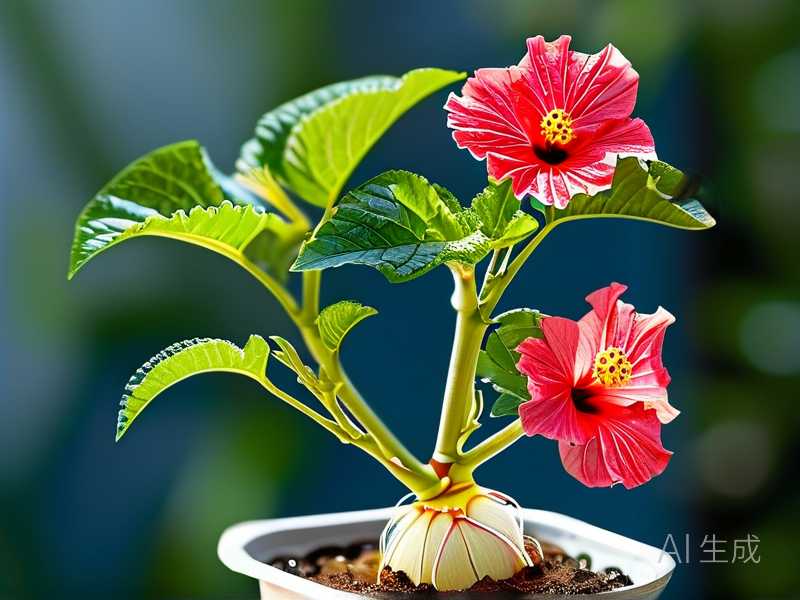
Here's what my winning setup looks like. A terracotta pot, eight inches wide. My hibiscus sits in a rich but fast-draining mix. One part potting soil, one part perlite, one part orchid bark. This mix drains well while retaining some moisture. The plant sits on a south-facing windowsill. It gets direct sun from about nine in the morning until late afternoon.
The room has a ceiling fan that runs on low. It keeps the air moving. I installed a thermometer that logs daily highs and lows. I know that my room naturally stays between 65°F at night and 78°F during the day in spring. That's the sweet spot for blooms. In summer, I open the window at night to boost that temperature drop. In winter, I move the plant to my cooler guest room.
The fertilizer routine is simple. Every two weeks, half-strength liquid feed. High potassium. I pause completely in winter, when light levels are lower. The plant rests and stores energy. Disrupting that rest period from the sidelines can lead to weak growth.
How Many Flowers Can You Get?
My hibiscus currently has about twelve flowers open at once. That's on a plant that's about two feet tall. I remember the first time I got a single bloom. I was so excited. Now I get flushes of blooms every few weeks from spring to fall. Each flower lasts only a day or two. It closes at night and falls off to make room for the next one. So the constant opening of new buds keeps the show going.
To maintain this, I remove spent flowers right away. This prevents the plant from putting energy into developing seeds. I also check under the leaves regularly. Pests like aphids and spider mites love hibiscus. Catching them early keeps the plant healthy and blooming. I use a spray of diluted neem oil when I see pests. But honestly, the neem oil smell can be a lot for indoor use. I started using a mild insecticidal soap instead. It works just as well and has no lasting odor.
Common Misconception: Too Much Direct Sun
I used to worry that direct sun would burn my plant. That's true for many houseplants. But hibiscus love it. They are sun worshippers. In their natural habitat, they grow in open spaces with full sun. Indoor environments rarely get too much light for them. The only exception is through a glass window in extreme heat, like a south-facing window in July. Then the leaves might show some heat stress. But even then, the plant usually recovers when night temperatures cool down.
A lot of advice online suggests giving hibiscus bright, indirect light. I tried that. It keeps the plant alive but leaves it flowerless. The key is direct sunlight. Move the plant toward the window, not just near it. Let it touch the glass if possible. The glass will be hot in summer. But the plant actually loves that warmth and light. Watch for burnt spots on leaves. If that happens, pull the plant back just a few inches.
What About East vs. West Windows?
East-facing windows provide morning sun. It's gentler, less intense. Good for a plant that's recovering. But it's not enough for heavy flowering. West-facing windows provide afternoon sun. This is hotter and more intense. It gives the strongest light response. South-facing windows are best overall, if you have one. South gets the most total sun hours.
If you only have east-facing windows, you'll need supplemental light for flowering. West or south is much easier. Also, the light quality changes with seasons. Winter sun is weaker, so plants slow down. That's normal. Let them rest. Forcing blooms in winter with excessive light and feeding can stress the plant out long-term.
My Mistakes Around Temperature
I did some dumb things with temperature early on. One time, I figured a warm draft from a heater would speed things up. I placed my hibiscus right near a heat vent in January. Within a week, the edges of the leaves dried out and turned crispy. The hot dry air was cooking the plant. I moved it away immediately.
Another time, I gave my plant a cold shock. I put it on the windowsill in late autumn without realizing the night temperature near the glass dropped below 50°F. The leaves yellowed and dropped. Tropical plants hate sudden cold. Anything below 55°F is dangerous. So now I make sure the thermostat stays consistent. I check the temperature near my window, not just the room temperature.
More recently, I experimented with a seedling heat mat under the pot. I kept the soil warm day and night. My plant grew leaves rapidly, but it stopped flowering. The nighttime drop was gone. When I turned the mat off at night, the blossoms came back. So the heat mat alone isn't enough. The temperature rhythm is what matters.
AHS and RHS Guidance
I mentioned that the RHS has documented the flowering triggers for tropical hibiscus. Their guidance aligns with my experience. They agree on the need for bright light and seasonal temperature variation to induce buds. The AHS also advises southern gardeners to expect different flowering schedules for tropical vs. hardy hibiscus. Tropical ones need warmth and will flower when conditions are met.
I spent a lot of time reading before I got it right. The internet is full of advice that's half-right. Some say fertilize more. Others say repot. Most fail to mention the central role of environment. Light and temperature trump everything. If those are off, no amount of fertilizer or water will help. It all centers on replicating the natural tropical rhythms indoors.
The Two-Week Result, Quantified
Let me give you concrete numbers. After moving my plant to better light and achieving a 10°F night drop, I saw buds appear on day five. By day fourteen, I counted six open flowers and eleven buds in progress. This was in March, when nights were still cool so the temperature drop was easy to achieve. Compare that to my previous zero blooms in a year.
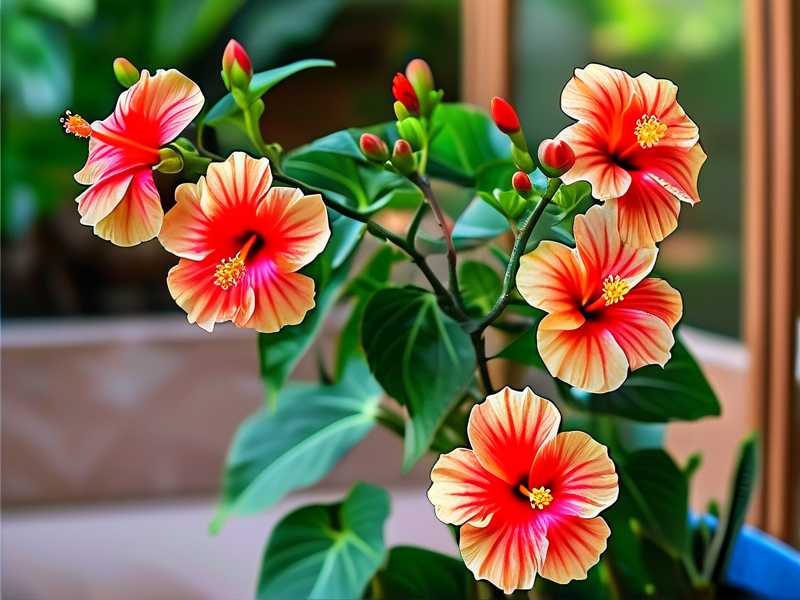
The plant also grew taller by about two inches during that period. New leaves emerged at a noticeable rate. The root system looked white and healthy when I checked the drainage holes. I think the improved airflow and temperature rhythm triggered overall plant health, not just flowering. It's like the plant finally felt at home in my apartment.
Adding Bottom Heat for Cool Homes
If your home stays below 70°F during the day, your hibiscus will be sluggish. I've used a heat mat in spring to boost soil temperature to about 75°F. Soil that's too cool slows root activity and nutrient uptake. The plant looks stagnant. Just be careful not to overheat. The moment soil temperature goes above 90°F, roots can die. So always monitor it if you use a heat mat.
For most homes, keeping the room around 70°F to 75°F during the day is sufficient. If your home runs cool, consider placing the pot in a slightly warmer room. The kitchen often works. Avoid drafts from air conditioners in summer, too. Cold AC air can halt flowering just as surely as winter cold.
Light Distance and Quality for LED Grow Lights
If you go the grow light route, distance matters. A light held too high will give the plant almost nothing. I have a full-spectrum lamp mounted about ten inches above my hibiscus. When I held it higher, the plant stretched and didn't bloom. When I lowered it, the light reached more leaf area, and buds formed within two weeks. Pay attention to the wattage too. A 20-watt light might be fine for a seedling. A large hibiscus needs at least 60 watts to make a difference.
Also, run the grow light for at least 8 to 10 hours a day. Not 24 hours. Plants need darkness too. The dark period is when they convert stored energy into growth. I set mine on a simple timer. This keeps it consistent and prevents me from forgetting.
How Often to Rotate the Pot
Light comes from one side, so I rotate my pot a quarter turn every few days. This promotes even growth. Without rotation, the side facing the light grows faster and the plant becomes lopsided. I learned this the hard way. My hibiscus leaned heavily towards the window and looked awkward. With regular rotation, it grew symmetrically.
The plant also responds to gentle shaking. Some gardeners say the motion of wind strengthens stems. Indoor plants lack wind. So I gently brush my hand over the plant a few times a week. This simulates a breeze and encourages sturdier stems. It's a small trick, but I think it helps.
Watering Adjusted to Light and Heat
Now that light and temperature are right, watering needs adjustment. Higher light increases photosynthesis, which consumes more water. So you may need to water more often than before. But only if the soil is dry. I water my hibiscus about twice a week in summer. In winter, maybe once every ten days. The key is checking the soil. My finger method has never let me down.
A moisture meter is convenient, but I find it unnecessary. The finger works well for medium pots. For deeper pots, I occasionally use a wooden chopstick stuck into the soil. If it comes out dry, I water. If it comes out damp, I wait. This tool is cheap and effective.
Right Soil Mix and Repotting Cadence
I already mentioned the soil mix. Let me add that hibiscus prefer slightly acidic soil, around pH 6.0 to 6.8. Most commercial potting mixes are close to this. To help, I add a little pine bark to the mix. It also improves drainage without blocking nutrients. Repotting every two years is fine. Wait until the roots fill the pot. Then repot into one size larger, ideally in spring.
During repotting, I'm gentle with the roots. A slight disturbance is okay. Destructive root pruning should be avoided. The plant will recover quickly if the new pot is appropriate and you avoid overwatering during the adjustment period. After repotting, I keep the plant in a shaded spot for a few days. Then I gradually reintroduce it to full light.
When to Give Up and Start Fresh
Some plants just won't cooperate. If you've tried all this for a few months and the plant still won't bloom and looks unhealthy, it might be dying. Check the roots. If they're brown, mushy, and smell bad, root rot has already taken hold. Recovering a severely root-rotted plant indoors is difficult. It might be time to start with a fresh, healthy plant.
Sometimes, buying a new plant is less stressful than reviving a struggling one. Not every plant is meant to live in your specific apartment. I've thrown in the towel on certain exotic varieties and switched to heartier types. There's no shame in admitting that. My current hibiscus is a hardy variety that tolerates less-than-perfect conditions. It still gives me plenty of blooms.
Bud Drop: A Common Side Issue
You might get buds, but they fall off before opening. This is frustrating. I've dealt with this more than a few times. The most common cause is sudden change in environment. Moving the plant or a sharp temperature shift will cause bud drop. Also, dry air can dry out the buds. And if the soil dries out completely, the plant sheds buds to survive.
I learned to keep conditions steady once buds appear. No moving the plant around. No blasting the heat or air conditioning. I also mist the buds gently in dry climates. And I make sure the plant gets water consistently. A pot that dries out fully will cause the older buds to drop. Steady moisture is key.
Long-Term Flowering Calendar for Indoor Hibiscus
From my perspective, here's a realistic calendar. In early spring, start increasing light and feeding. The first flower flush usually comes in mid-spring. By summer, with long days and strong sunlight, the plant is in full swing with continuous flowering. In late summer, you might get another flush. In fall, as light decreases, the plant slows. Keep it warm and slightly drier. In winter, the plant may go semi-dormant. It might lose some leaves.
That's okay. It stores energy for the next season. I don't fight this rhythm anymore. Fighting it only causes stress. Respect the rest period. When spring returns, the plant will bounce back stronger.
The Final Thing I Wish I Knew
Honestly, the simplest thing I wish I knew from day one is that indoor hibiscus care is less about feeding and more about mimics the outdoors. The sun and the cool night air are the real driving forces. Everything else is secondary.
I've spent plenty of money on fancy fertilizers and specialty pots. None of that mattered until I fixed the light and temperature. It sounds too simple to be true, but it works. I have the blooms to prove it.
So, if you're stuck with a green plant that won't flower, don't buy more fertilizer. Don't repot it yet. Move it closer to the sunniest window you have. Find a way to make nights cooler by 10°F. Be patient for two weeks. That's the answer. That's the whole trick.
FAQ
Do I need to use a grow light if I have a south-facing window?
No. A south-facing window is usually enough for flowering. But if you live in a place with short winter days or a heavily shaded window, a grow light can genuinely help. Just make sure it's strong enough and close enough to the plant.
How can I achieve the drop in night temperature without making my whole house cold?
You can move the plant to the coolest room of the house at night and bring it back in the morning. Even a drop of just 5°F to 10°F near the plant is helpful. I sometimes place the plant on a nightstand near a slightly open window. The local temperature drop is all that matters.
My hibiscus is growing leaves but the leaves look pale green. What does that mean?
Pale leaves often mean too much water or not enough light. Check the soil moisture. If it's wet, let it dry out quickly. Also, make sure the plant is near a bright window. In my case, a pale leaf color usually resolved within a week once I increased light and reduced watering frequency.