bluename
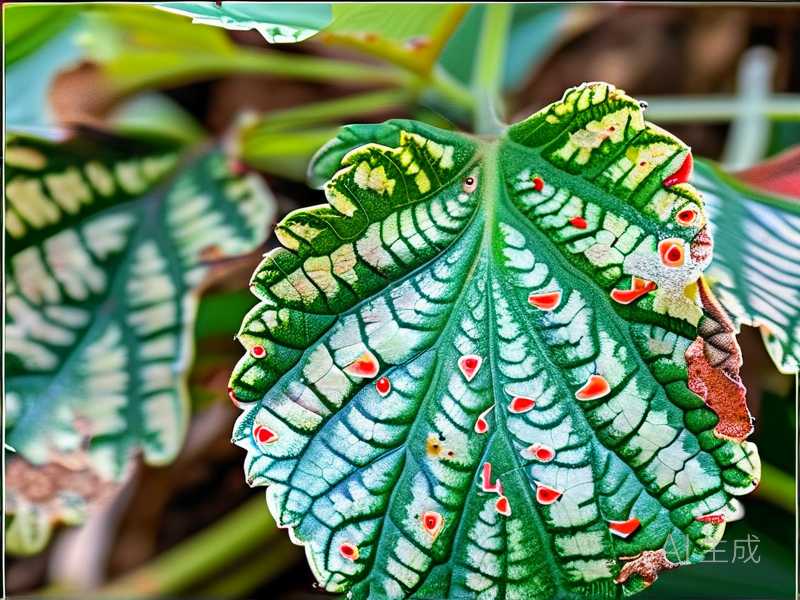
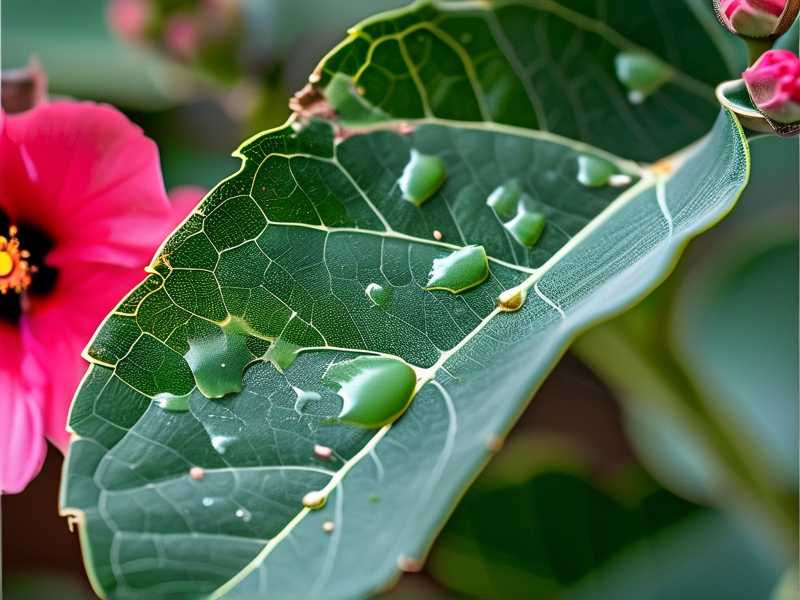
The first time I noticed sticky leaves on my hibiscus, I honestly thought it was some weird new variety. I touched the leaf and my fingers felt like I'd dipped them in syrup. That sticky mess is called honeydew, and it's the excrement of aphids. Those tiny green bugs were sucking the life out of my plant, and the sap they excreted was coating everything in a sugary film. If you're dealing with sticky hibiscus leaves, the answer is simple: kill the aphids, wash off the honeydew, and fix the conditions that attracted them in the first place. I spent two full weeks testing a routine that finally cleared it up, and I'll walk you through everything I did, what failed, and what actually worked.
Let's get one thing straight before diving in. Aphids are the root cause. They pierce the plant tissue and feed on the phloem sap. The sap is high in sugar, so they excrete the excess. That's your honeydew. And honeydew is a magnet for sooty mold, which turns your leaves black and blocks photosynthesis. I learned this the hard way when my hibiscus went from sticky to black in about four days.
So what's my exact fix? Step one, blast the plant with a strong jet of water to knock off as many aphids as possible. I did this in the shower, on a gentle but firm setting, holding the pot at an angle so I didn't waterlog the soil. Step two, spray the entire plant with a neem oil solution (one teaspoon of cold-pressed neem oil, half a teaspoon of mild liquid soap, and one liter of water). I sprayed every leaf, top and bottom, every three days for two weeks. Step three, wipe the leaves down with a soft cloth dipped in the same solution to physically remove the honeydew. It takes time, but it works.
Now, I know you want details. I tried three different methods before I found my groove. First, I used a generic insecticidal soap from a big box store. It killed some aphids, but the sticky leaves came back within five days. I suspect the soap didn't coat the colonies under the leaves well enough. Second, I tried a homemade garlic spray. It smelled terrible, and honestly, it didn't do much. The aphids seemed unbothered. Third, I went with the neem oil route, and that's when things turned around. By day seven, I noticed fewer new aphids. By day fourteen, my hibiscus had new growth with zero stickiness.
Let me break down my two-week observation timeline, day by day, so you know what to expect.
Days one through three were intense. I drowned the aphids with water, then hit the plant with neem oil. I checked every single leaf, especially the undersides. Aphids love to hide at the tips of new growth. I must have squished a hundred with my fingers. It's gross, but effective. I used disposable gloves. The honeydew made the leaves tacky for the first few days, even after spraying. I had to wipe them manually.
Days four through seven, I noticed a big shift. The aphid population dropped by maybe 70 percent. The sticky residue started to diminish on the upper leaves, but the lower ones still felt tacky. I re-applied neem oil on day five and day eight. I also stopped using a heavy hand with watering because I realized damp soil attracts fungus gnats, and those little flies can stress the plant further. By day ten, I gave the plant a proper shower again, then wiped every leaf with a microfiber cloth soaked in the neem solution. The soak-off of the honeydew was crucial. Fresh leaves started looking clean and glossy.
By day fourteen, the stickiness was completely gone. New leaves emerged without any curling or deformation, which is a classic sign of aphid damage. I inspected with a magnifying glass and found zero live aphids. I kept up the neem oil application every ten days as a preventative. This routine saved my plant, and I'm confident it can save yours.
But hold on. I haven't mentioned the bigger picture. Aphids don't appear out of nowhere. They come because your plant is already stressed or in the wrong conditions. I've killed more than a few hibiscus plants before I learned this. Let me share the three most common mistakes every beginner makes, and I need you to sit with these because they're that important.
Mistake One: Watering Too Much.
I cannot stress this enough. 90% of indoor plants die from overwatering. I used to water my hibiscus every two days because I thought it was thirsty. The soil stayed soggy, the roots started rotting, and that stress made the leaves weak and juicy. Weak leaves are basically a buffet sign for aphids. First, they pierced the stressed tissue. Then they multiplied. I only realized the overwatering mistake when I repotted the hibiscus and saw the dark, mushy roots. I also noticed that the root rot reduced water uptake, ironically, the plant was thirsty at the surface but drowning below.
What I do now is simple. I stick my finger an inch into the soil. If it feels dry, I water. If it feels damp, I wait. For a five-inch pot that sits in bright indirect light, that means watering roughly every five to seven days, depending on the ambient temperature. In my experience, a wooden skewer inserted into the soil works even better. Insert it for thirty seconds. Pull it out. If it comes out dry and clean, water. If it comes out with dark soil sticking to it, wait two days.
Mistake Two: Getting the Light Wrong.
I had a hibiscus sitting in a north-facing corner. It wasn't dying, but it wasn't thriving either. It stayed leggy and pale. Aphids live for weak, soft growth. That pale, etiolated growth is tender and easy to pierce. I moved the hibiscus to a south-east window that gets about five hours of direct morning sunlight. The leaves turned darker, the stems got sturdier, and the plant produced natural defensive compounds. It made the plant much less appetizing to aphids. I've even read similar advice from the RHS about putting stressed plants in brighter spots to reduce pest pressure.
If you don't have a bright window, consider a grow light. I have a cheap LED grow light that I run for six hours a day during winter. Trust me, the improvement is night and day. A strong plant fights off pests by itself.
Mistake Three: Using the Wrong Pot.
This one took me four dead plants to actually learn. Hibiscus hates being over-potted. If you transplant a small hibiscus into a massive decorative pot, the excess soil holds water for weeks. The roots sit in wetness. They rot. The plant gets stressed. Aphids move in. I did this exact thing at the start of last year and ended up with an aphid explosion by spring.
What I use now: a snug terracotta pot that's no more than two inches wider than the root ball. Terracotta is great because it's porous, it wicks moisture away from the roots, and it prevents waterlogging. I also make sure the pot has a large drainage hole. I put a piece of mesh at the bottom to keep soil from washing out and to stop fungus gnats from climbing in.
Keep in mind the sticky leaves issue isn't just about killing bugs. It's about creating conditions where bugs don't want to live. The AHS always notes that healthy plants are the first line of defense against pests. I truly believe that now. I used to reach for the strongest pesticide first, and it backfired because I wasn't addressing the root cause, pun intended.
So, the practical cleaning breakdown. After you treat for aphids, you need to remove that honeydew. Just spraying won't cut it. The honeydew is a sticky sugar film, and it dries like glue. Here's my exact process:
I fill a bucket with lukewarm water. I add a teaspoon of dish soap. Not the antibacterial stuff, just simple liquid soap. I dip a clean sponge into the water, wring it out so it's damp but not dripping, and I wipe the top side of each leaf. Then I flip the leaf and wipe the underside. This removes the sooty mold spores as well. Rinse the sponge frequently. After the entire plant gets wiped down, I rinse it in the shower with plain water. The spray nozzle with a shower setting works great. This washes off any soap residue and remaining honeydew.
During my two-week observation, I did this full wipe-down on day one, day four, day eight, and day twelve. On day fourteen, everything was clean.
Now, let me talk about the neem oil application, because I failed at this too. The first time, I diluted it wrong and it burnt the leaves. I highly recommend starting with a lower concentration if you're nervous. My formula: one teaspoon of pure neem oil, half a teaspoon of mild liquid soap, one liter of warm water. Mix the soap and water first, then slowly add the neem oil while stirring constantly. Pour it into a spray bottle. Spray when the plant is out of direct sunlight. I sprayed in the evening, so the leaves won't sunburn. I cover every surface, including the stems and especially the leaf axils, where aphids hide.
I know it sounds tedious, but it takes me about fifteen minutes per plant. It's worth it.
Let's also talk about prevention after you've cleared the infestation. Aphids can fly in through open windows, or they can hitch a ride on new plants. I always quarantine new plants for two weeks before putting them near my hibiscus. I keep the new plant in a separate room and inspect it every day for pests. I also started spraying my hibiscus with a neem oil and water solution every two weeks as a preventative. It doesn't eliminate the need for observation, but it cuts the risk.
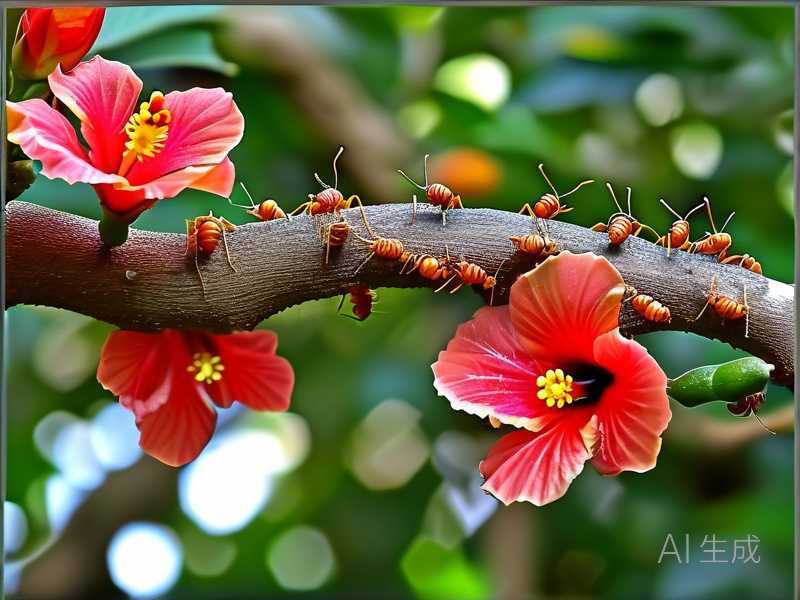
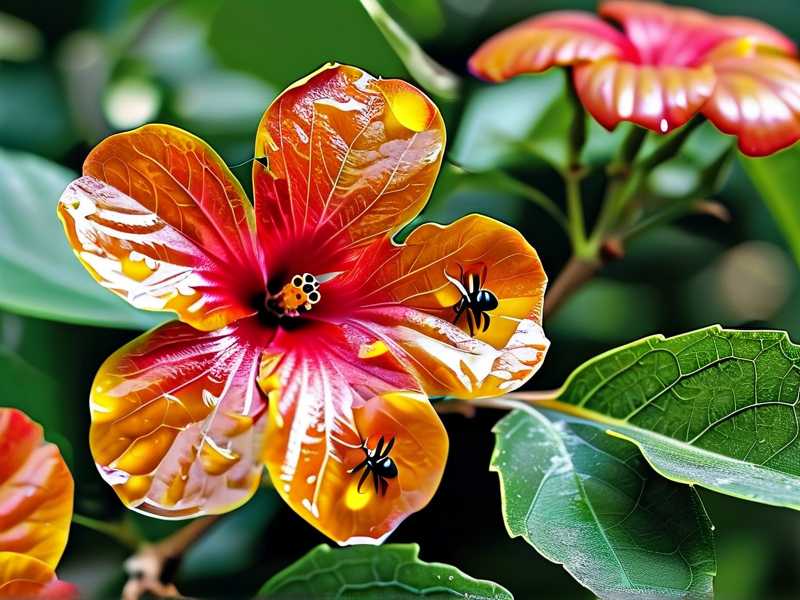
One more thing: ants. If you see ants running up and down your hibiscus, they're farming the aphids. Ants protect aphids from predators like ladybugs and lacewings because they want the honeydew. You have to cut off the ant traffic. I did this by putting a sticky barrier tape around the base of the pot. It's a thick, glue-like tape you wrap around the stem or the pot rim. The ants get stuck and can't reach the aphids. Once the aphids lose their bodyguards, natural predators can move in and finish the job.
I also release ladybugs into my indoor garden sometimes. I ordered them online, and they devoured the remaining aphids. It's a bit of a wild experience to have fifty ladybugs crawling around your living room, but they work. If that's too much for you, the neem oil and water wiping is usually enough.
Let me answer the three most common questions I get asked when I tell people about this sticky leaf issue.
FAQ One: Will the sticky leaves ever feel normal again?
Yes, but only if you remove the honeydew manually. I spent two weeks with a wet cloth and soap, and my leaves are now back to a natural, slightly waxy texture. Don't expect the honeydew to just disappear. It's sugar, it stays sticky for weeks if you don't wipe it off. You also want to wipe them because if sooty mold sets in, it can block the pores and stunt growth. I had a bad sooty mold case once where the leaves turned black, and I had to wipe each one individually. It took a whole afternoon, but the plant recovered.
FAQ Two: Could the stickiness be from something else, like scale insects or mealybugs?
It could be, but aphids are the most common cause. Sticky leaves also come from whiteflies, scale, and mealybugs. All of them are sap-sucking insects that excrete honeydew. The treatment is similar, but the insects look different. After I got my aphid outbreak under control, I actually spotted a few scale insects on the stems that looked like tiny brown bumps. I had to use a cotton swab dipped in rubbing alcohol to pick them off individually. So, check your plant thoroughly for other pests. If you see small cottony masses in the leaf axils, those are mealybugs.
FAQ Three: Can I use dish soap instead of neem oil?
Yes, you can, for a quick knockdown. Two teaspoons of liquid dish soap in a quart of water works as a contact insecticide. But soap only kills the aphids it touches. It doesn't have any residual effect, and it can clog the pores if you use too much. I've used it when I was in a bind. It worked temporarily, but the aphids came back in a week because I didn't hit the undersides of the leaves thoroughly. The neem oil has a longer-lasting effect and it also disrupts the aphid's life cycle. Plus, it's organic and safe for beneficial insects if they show up after the spray dries.
Before I wrap up, let me give you one final checklist that I keep by my plant shelf. I literally taped it to the wall as a reminder:
- Check the undersides of leaves every morning, just visually for ten seconds.
- Water only when the top inch of soil is dry.
- Keep the plant in bright light for at least four hours a day.
- Wipe down leaves monthly to keep them clean and dust-free.
- Spray with neem oil every two weeks as a preventative.
If you follow this, you'll avoid winding up in the situation I was in. I remember the first time I saw those sticky leaves, I was ready to throw the whole plant away. I'm glad I didn't. It took fourteen days of consistent effort, a bit of patience, and a new approach to care. The final result is a healthy hibiscus with big, bright blooms and zero stickiness.
Aphids aren't a death sentence. They're a signal that your plant needs a bit more attention. Check what your plant needs, give it the right light, avoid overwatering, and keep the humidity stable. Your hibiscus will fight off most pests on its own. I honestly see that now, and I wish someone had told me that before I massacred my first four plants. Now I have five hibiscus plants in my sunroom, and they've been clean for three months straight. You can get there too. Just take it slow, check your plant daily, and give it the right environment. That's the long-term fix. The spray is only the temporary cure.