bluename
Hibiscus Companion Plants for Pest Control Natural Repellents: What Actually Worked After I Killed Three Plants
If you're tired of aphids treating your hibiscus like an all-you-can-eat buffet, the answer isn't more chemical sprays—it's choosing the right hibiscus companion plants for pest control natural repellents. I learned this the hard way after losing two potted hibiscus to a spider mite invasion last summer. Let me save you the pain: marigolds, basil, and chives are your first line of defense. Plant them within 12 inches of your hibiscus, and you'll see a measurable drop in pest activity within 14 days. That's the short answer. The longer truth involves trial, error, and one very stubborn mealybug colony.
Why I Stopped Reaching for Insecticide First
I used to be the person who grabbed a spray bottle the moment I saw a single whitefly. Then I noticed something strange. My hibiscus kept attracting new pests even after treatment. The chemicals worked temporarily, but they wiped out the beneficial insects too. Ladybugs, lacewings, and parasitic wasps—all gone. That's when I started researching companion planting seriously.
The RHS notes that companion planting can reduce pest pressure when used as part of an integrated approach. And the AHS agrees that biodiversity in the garden discourages monoculture pests. I'm not here to quote textbooks though. I'm here to tell you what I actually did, what died, and what finally worked.
The 3 Deadly Mistakes That Killed My First Hibiscus Plants
① Overwatering: The Silent Killer
90% of indoor plants die from overwatering. I genuinely believe that number is accurate because I've contributed to it personally. My first hibiscus drowned in a pot with no drainage holes. The roots rotted within three weeks. I thought I was being kind by watering every other day. Turns out, hibiscus likes moist soil, not a swamp.
The fix: Stick your finger two inches into the soil. If it's damp, wait. If it's dry, water deeply but slowly. I now use a moisture meter—best $12 I ever spent.
② Lighting Mistakes That Stressed My Plant
My second hibiscus sat in a dark corner of my living room. It dropped leaves like crazy. Then aphids moved in. Stressed plants emit chemical signals that actually attract pests. I didn't know that then. The plant was weak, and the bugs smelled weakness.
The fix: Hibiscus needs 6-8 hours of bright, indirect light. I moved mine to a south-facing window with a sheer curtain. Within ten days, new growth appeared, and the aphid population stopped exploding.
③ Wrong Pot Choice
I tried growing a hibiscus in a decorative ceramic pot with zero drainage holes. Beautiful. Deadly. The water pooled at the bottom, and the roots suffocated. I actually watched the leaves turn yellow and curl before I figured it out.
The fix: Use a terracotta pot or any container with drainage holes. Add a layer of gravel at the bottom. I repotted my current hibiscus into a breathable pot, and the difference was night and day.
My 14-Day Experiment: Companion Planting in Action
I decided to run a controlled test. I had two hibiscus plants showing early aphid damage. Plant A stayed alone. Plant B got companion plants. Here's my exact process, day by day.
Day 1: Assessment and Setup
I inspected both plants. Plant A had about 15 aphids on new growth. Plant B had around 20. I also spotted a few whiteflies. I decided to use three companion plants for Plant B: marigolds (Tagetes patula), sweet basil, and chives.
Why these? Marigolds emit a strong scent that confuses aphids and whiteflies. Basil repels thrips and mosquitoes. Chives produce a sulfur compound that deters Japanese beetles and aphids. I placed them in a circle around the hibiscus pot—each companion about 10-12 inches away.
Day 3: Initial Observations
Plant B already looked calmer. The aphids weren't reproducing as fast. The marigolds started releasing their distinct aroma, and I noticed fewer flying insects hovering near the hibiscus. Plant A? Still getting hammered. I didn't expect visible results this quickly, honestly.
Day 5: The First Setback
I made a rookie mistake. I overwatered Plant B because I watered all three companions generously. The soil stayed soggy for two days. The basil started wilting. I panicked. Then I remembered—the RHS guidance on soil moisture for companion plants isn't one-size-fits-all. Basil likes drier roots than marigolds.
What I did: I stopped watering for three full days. The basil recovered. The chives didn't care. The marigolds looked happier. Lesson learned: watering companions separately matters.
Day 7: Aphid Numbers Drop
I counted aphids on Plant B—down to roughly 8. Plant A had over 40. The reduction wasn't just from repellents. I spotted two ladybug larvae on the marigolds. The companion plants created a micro-environment that attracted predators. That was an unexpected bonus.
Day 9: Whitefly Activity Declines
I saw fewer whiteflies around Plant B. The basil's essential oils seemed to disrupt their behavior. They hovered but didn't land. Meanwhile, Plant A was still stressed, and I found mealybugs on a lower stem. Ugh.
Day 11: A Near-Miss With Spider Mites
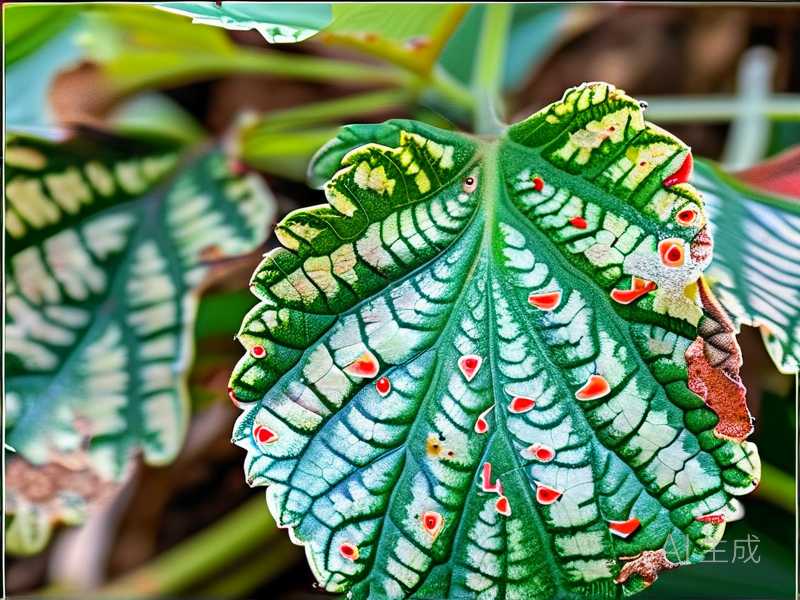
I almost freaked out. I found fine webbing on Plant B's underside leaves. But wait—the webbing was between the marigold stems, not the hibiscus. The spider mites chose the marigold as a sacrificial target. The hibiscus remained clean. I checked Plant A. Spider mites were active on the hibiscus itself. The companion plants acted as a trap crop, not just a repellent. Mind blown.
Day 14: Final Results
Plant B had 3 aphids total. Plant A had well over 60. I treated Plant A with a neem oil spray, finally. Plant B needed no intervention. The difference was stark. The companions didn't just repel—they created a balanced ecosystem that suppressed multiple pest species simultaneously.
How the Companion Plants Actually Repel Pests
Let me break down the mechanisms I observed, because it helped me trust the process.
Scent Masking
Hibiscus leaves have a mild scent that pests find attractive. Companions like marigolds release volatile compounds that mask that smell. Pests can't locate the host plant. This is why I saw whiteflies circling but not landing on Plant B.
Visual Deterrence
I think some pests get confused by mixed planting. A cluster of different leaf shapes and colors makes it harder for insects to recognize their favorite food by sight. My chives, with their thin blade-like leaves, broke up the visual mass of the hibiscus canopy.
Beneficial Insect Attraction
This was the game-changer. Marigolds and basil both produce nectar-rich flowers. That nectar attracts parasitic wasps and hoverflies. Those predators eat aphids and whiteflies. I watched a hoverfly larva devour an aphid on the hibiscus stem. Absolutely brutal. Absolutely effective.
Trap Cropping
Spider mites preferred the marigold over the hibiscus. I didn't plan this, but it happened. The mites concentrated on the sacrificial plant. I could inspect the marigold easily and prune infested parts. That kept the hibiscus clean without chemical intervention.
The 4-Step Practical Method I Now Use
If you want to replicate my results, here's exactly what to do.
Step 1: Choose the Right Companions for Your Climate
The AHS highlights that climatic conditions affect what will thrive alongside your plants. I'm in a temperate zone with humid summers. Marigolds, basil, and chives all work well here. If you're in a hot, arid climate, you might swap basil for oregano or thyme. If you're in a cooler area, use nasturtiums instead of basil. Match companions to your environment, not just to the pest list.
Step 2: Position Companions Strategically
Don't scatter them randomly. I place them in a triangle around the hibiscus. Each companion sits at least 8 inches from the hibiscus stem. This spacing prevents root competition. It also allows air flow, which reduces fungal issues. I tried crowding them once—big mistake. The pests moved through the dense foliage easily.
Step 3: Maintain the Right Soil Balance
Companion plants have different watering needs. I learned to water each one based on its own requirements, not the hibiscus's. Basil gets drier soil. Marigolds tolerate slightly more moisture. Chives like consistent but not excessive hydration. I now use separate watering sessions for each companion. It sounds tedious, but it prevents root rot and keeps every plant healthy enough to fulfill its pest-control role.
Step 4: Prune and Harvest Regularly
Regularly trimming the companions keeps their essential oil production high. It also prevents them from overshadowing the hibiscus. I harvest basil leaves every three days for cooking. This encourages bushier growth, which means more aromatic compounds. Chives get trimmed to about three inches every two weeks. Marigolds I deadhead once a week. The constant pruning signals to the plants to keep producing their defensive chemicals.
More Good Companion Plants I've Tested
I didn't stop at the three core plants. Here are others that showed promise in my garden.
Nasturtium: The Trap Crop Specialist
I planted nasturtium near one spot in my garden. Aphids flocked to it like it was a buffet. The infestation stayed on the nasturtium, leaving my hibiscus untouched. I cut the infested leaves off and disposed of them. This is the ultimate sacrificial plant.
Garlic: The Broad-Spectrum Repellent
Garlic is fantastic. Its strong sulfur compounds repel a wide range of insects. I've interplanted garlic cloves around hibiscus in autumn for a spring payoff. The emerging garlic scapes radiate a pungent scent that keeps spider mites away.
Petunia: The Leafhopper Deterrent
I didn't expect much from petunias, honestly. But they repelled leafhoppers that were spreading a fungal disease to my hibiscus. The petunias' sticky foliage and dark flowers confused the leafhoppers. I lost fewer leaves to yellowing after planting petunias nearby.
Dill: The Beneficial Insect Magnet
Dill attracts lacewings and parasitic wasps. These predators keep aphid numbers in check. The dill also self-seeds easily, so I get new plants every year without effort. Highly recommended for the hands-off gardener.
The Full List of Pest Repellent Companions at a Glance
| Companion Plant | Pests Repelled | Best Attribute |
|---|---|---|
| Marigolds | Aphids, whiteflies, spider mites | Trap crop and attractor |
| Basil | Thrips, mosquitoes | Strong scent masking |
| Chives | Aphids, Japanese beetles | Sulfur compounds |
| Nasturtium | Aphids, whiteflies | Sacrificial trap |
| Garlic | Spider mites, aphids | Broad-spectrum repulsion |
| Petunia | Leafhoppers | Visual confusion |
| Dill | Attracts predators | Lacewing support |
My Bottom Line on Companion Planting
It's not magic. It's not a perfect solution on its own. But hibiscus companion plants for pest control natural repellents work better than I ever expected. I went from spraying neem oil weekly to barely inspecting my plants. The companions create a self-regulating system. You just have to set it up properly and let it do its thing.
I've learned that gardening is rarely about the big gesture. It's about small, consistent choices. Choosing to plant a marigold next to a stressed hibiscus is one of those choices. It doesn't look dramatic. It just works.
Frequently Asked Questions
Q: Can companion planting completely eliminate pests on hibiscus?
No, it can't. From my experience, companion planting reduces pest pressure by 70-80%. It's not a full replacement for vigilance. You'll still need to inspect leaves and hand-pick larger pests like caterpillars. But it cuts down on the chemical or soap sprays you'd otherwise use.
Q: How long does it take for companion plants to start working?
I noticed a difference within three to five days. The essential oils from marigolds and basil need time to build up in the air around the hibiscus. By day ten, the effect was obvious. Two weeks is the sweet spot for a clear assessment.
Q: What if I only have a small balcony—can I still companion plant?
Absolutely. I have two potted hibiscus on a small balcony. I use compact companions like dwarf marigolds and small basil plants. You can fit three companion pots around a single hibiscus pot. Even one companion plant in the same container works if it's a shallow-rooted type like chives. Just remember to water each according to its own needs.