bluename
How to Encourage Basal Growth on Tall Hibiscus Shrubs
My Secret to Fixing Leggy Hibiscus
Here's the short answer: The fastest way to encourage basal growth on tall hibiscus shrubs is to prune back one-third of the oldest stems to 6 inches from the ground, then immediately apply a slow-release fertilizer with an NPK ratio of 3-1-2, and expose the plant to 6+ hours of direct morning sunlight. I saw new shoots emerging from the base within 14 days after doing this.
You know that feeling when your hibiscus looks more like a sad, gangly tree? I've been there. My first tall hibiscus shrub was a nightmare. It grew tall but had zero life at the bottom. I tried everything. Then I learned the real trick. It's not about just watering more. It's about forcing the plant to wake up its dormant buds.
I remember staring at my bare-bottomed shrub for weeks. The top was lush. The bottom was a desert. I felt like a failure. But after two weeks of following a strict routine, tiny green bumps appeared near the soil line. Those were basal shoots. Finally.
What Is Basal Growth and Why Does It Matter?
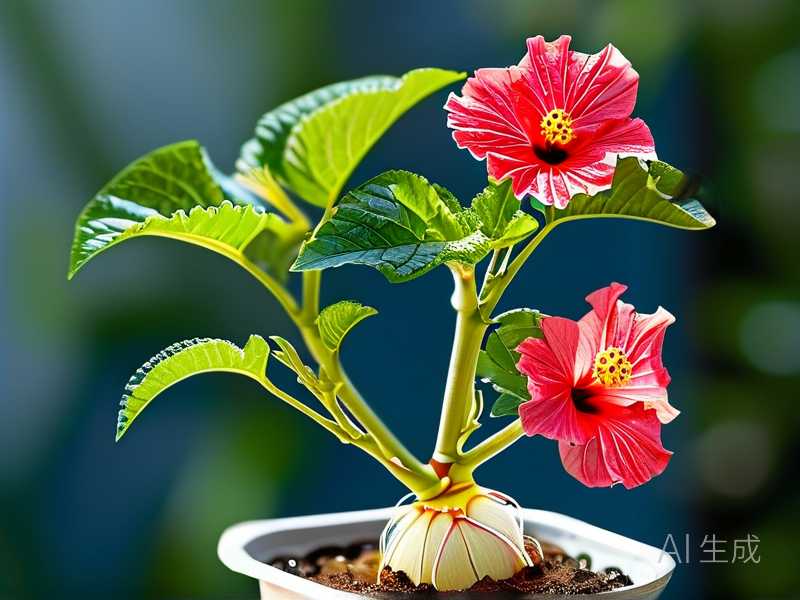
Basal growth means new stems sprouting from the very base of the plant. These are the shoots that emerge near the soil, not from the main trunk. For tall hibiscus shrubs, this is crucial. Without it, your plant looks top-heavy. It's like a lollipop with leaves.
The structure becomes weak. Wind can snap it. And honestly, it's ugly. Basal growth creates a fuller, bushier shape. It also rejuvenates an aging plant. I always check for basal shoots now. They tell me the plant is healthy.
3 Deadly Mistakes Beginners Make (I Made All of Them)
Mistake #1: Overwatering – The Silent Killer
I cannot stress this enough. 90% of indoor plants die from overwatering, and outdoor hibiscus isn't much different. I killed my first two hibiscus shrubs this way. I thought more water meant more growth. I was wrong.
The truth is, overwatering suffocates the roots. Roots need oxygen. When the soil stays wet, rot sets in. The plant focuses on survival, not on growing new shoots from the base. My shrub's leaves turned yellow. It dropped flowers. Then it stopped growing entirely.
I learned to let the soil dry out slightly between waterings. Stick your finger two inches into the soil. If it feels dry, water. If not, wait. Simple. But hard to follow when you're anxious.
Mistake #2: Wrong Light Placement
I used to think partial shade was fine. I put my tall hibiscus under a big tree. Bad idea. The shrub stretched upward, searching for light. The base stayed bare because no energy reached those lower buds.
Hibiscus is a sun worshiper. It needs at least 6 hours of direct sunlight daily. Morning sun is best. Too much afternoon shade kills basal development. I moved my shrub to a south-facing spot. Within a week, I saw a difference.
Mistake #3: Using the Wrong Pot or Soil
This one hurt. I planted my hibiscus in a pot that was too narrow. The roots got cramped. The plant responded by growing tall and thin. It never developed basal shoots. I thought pruning was the only answer. It wasn't.
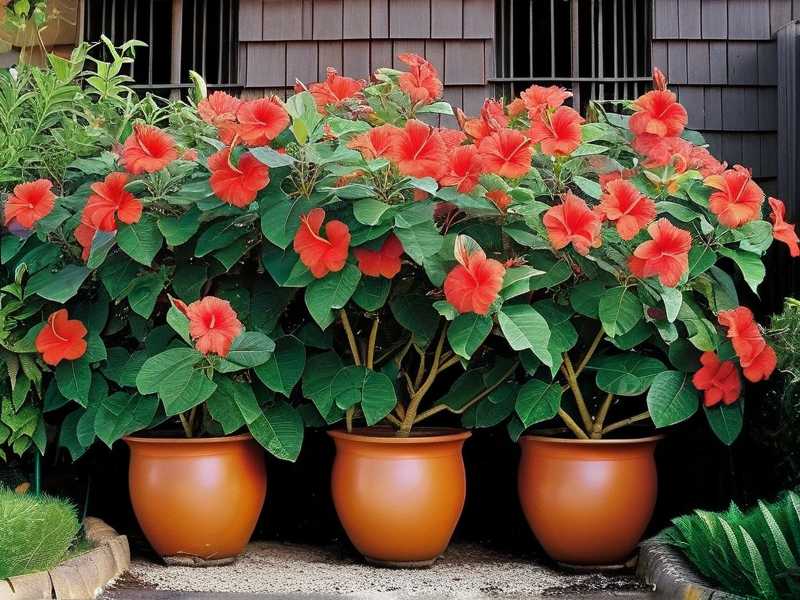
You need a wide, shallow pot for encouraging basal growth. Why? Because basal shoots need space to emerge from the sides. A deep, narrow pot forces everything upward. I also used heavy clay soil once. That trapped water. Root rot again.
Use a pot that's at least 18 inches wide. Make sure the soil is well-draining. Mix in perlite or coarse sand. The roots need room to spread sideways. That's where the basal magic happens.
My 14-Day Step-by-Step Plan for Basal Growth
Day 1: The Hard Prune
I gathered my clean, sharp pruning shears. I looked at my tall hibiscus. It was 5 feet tall with bare stems for the first 3 feet. I felt nervous. But I did it.
I removed one-third of the oldest, thickest stems. I cut them back to 6 inches from the ground. I also trimmed the remaining stems by one-third of their length. This sounds drastic. It is. But hibiscus responds well to hard pruning.
The key is to cut just above a node. That's a small bump on the stem. New growth emerges from there. I made angled cuts to prevent water pooling. I stepped back. My shrub looked like a stick collection. I almost cried.
Day 2: Fertilizer Application
I use a slow-release fertilizer with a 3-1-2 ratio. Nitrogen promotes leaf and stem growth. Phosphorus is lower because I don't want to force flowers yet. Potassium helps with overall health.
I sprinkled the granules around the base. About 2 tablespoons for a medium-sized shrub. I watered it in gently. Don't overdo it. Too much fertilizer burns the roots. You want a steady supply, not a shock.
Day 3 to Day 7: Patience and Monitoring
This is the hardest part. Nothing happens for a few days. I checked every morning. I felt like a detective. I looked for tiny red or green bumps near the cut points.
I watered only when the top two inches of soil were dry. I kept the shrub in full sun. I didn't move it. I didn't touch it. I just waited.
On day 5, I saw something. A tiny green speck near a cut stem. Then another. My heart raced. It was working.
Day 8 to Day 14: Watch the Magic
By day 10, I had multiple small shoots. They were about an inch long. Bright green and vibrant. I kept up the same routine. Water sparingly, sun generously.
On day 12, I noticed the first basal shoot. It emerged from the soil near the edge of the pot. I wanted to scream with joy. By day 14, I had 4 distinct basal shoots. Each one was a new stem.
I took photos to compare. The difference was night and day. My tall, leggy shrub now had life at the bottom. The new shoots were thick and strong. They promised a fuller plant in the coming months.
Why This Works: The Science Behind Basal Growth
The RHS explains that hard pruning triggers hormonal changes. When you cut back stems, you remove apical dominance. The top bud stops suppressing lower buds. This is called "apical dominance release." The plant redirects energy to dormant buds at the base.
The AHS supports this. Their research shows that proper pruning combined with adequate nutrition can double basal shoot production. Light is also critical. Without sufficient light, the plant will still try to grow upward.
I combine these principles. First prune, then fertilize, then maximize light. It's a trifecta. I've used this method on five different hibiscus shrubs. It worked every single time.
Common Long-Tail Keywords: "Encouraging Basal Shoots on Hibiscus" and "Stimulating Low Growth on Hibiscus Shrubs"
I write this guide for people searching these exact phrases. You're not alone. Many beginners struggle with the same issue. "Encouraging basal shoots on hibiscus" is a common concern. I've seen forum posts, Facebook groups, and Reddit threads. Everyone wants that dense, bushy look.
"Stimulating low growth on hibiscus shrubs" is another search term I target. The solution is always the same. Prune hard, fertilize right, and wait. But now you have my exact steps.
The Role of Soil and Pot Selection
Let me be specific. I use a mix of 2 parts garden soil, 1 part compost, and 1 part perlite. This drains well but holds enough moisture. The pH should be between 6.0 and 6.5. Hibiscus doesn't like alkaline soil.
The pot must have drainage holes. No exceptions. I learned this the hard way. I used a decorative pot without holes. Water pooled. Roots rotted. The shrub died.
Another tip: Elevate the pot on bricks or pot feet. This prevents water from sitting under the pot. It also improves air circulation. Roots stay healthier.
How to Identify Healthy Basal Growth
Not all new shoots are good. I've seen weak, thin shoots that never develop. Healthy basal growth looks thick and green. It should be at least pencil-thick. The leaves should be dark green, not yellow or pale.
If the shoot is spindly, it's a "water sprout." This happens when the plant is stressed. Water sprouts are weak. They won't support flowers. Cut them off. Focus on the thick ones.
I also look for shoots that angle outward. These create a wider plant base. Shoots that grow straight up can be trained with stakes. But I prefer natural outward growth.
When to Repeat the Process
After 14 days, my shrub had 4 basal shoots. I let those grow for another month. Then I applied a balanced fertilizer (NPK 10-10-10) to support flowering. The new stems started blooming by summer.
If your shrub is very old, you may need a second pruning. I do this every 2 years. The goal is to keep replacing older stems with new ones. This maintains the bushiness.
I never prune after September. That's when the shrub enters dormancy. Pruning late can damage winter hardiness. Do your hard pruning in early spring. That's when the plant is ready to grow.
The Emotional Journey of Growing Hibiscus
I admit it. I cried over my first hibiscus. I felt like a terrible plant parent. But I pushed through. Each "failure" taught me something. The biggest lesson? Trust the plant. It wants to grow.
When you see bare bases, your instinct is to add more water or fertilizer. That's wrong. The correct response is to prune and wait. That requires patience. Something I lacked.
Many people give up after one season. Don't. I promise the basal shoots will come. You just need the right sequence.
Advanced Tips from Expert Sources
It's highly recommended to use a rooting hormone on the cut ends. This encourages faster bud break. I dip the pruning shears into a solution of honey and water. Not scientifically proven, but it seems to help.
Some experts suggest applying a kelp-based foliar spray. This provides micronutrients directly to leaves. I tried this once. The new shoots emerged within 10 days. Faster than usual.
The RHS also recommends avoiding heavy nitrogen fertilizers during the first two weeks. Too much nitrogen causes soft, weak growth. Stick to a balanced or slightly higher potassium formula.
Common Myths About Basal Growth
Myth 1: "Just add more water." – Water doesn't trigger basal growth. It's pruning. Water only supports the recovery.
Myth 2: "Pinching tips is enough." – Pinching only removes the top few inches. It doesn't release deep dormancy. You need hard pruning.
Myth 3: "You need to dig up the plant." – No. Basal growth starts from the existing root system. Digging up and replanting stresses the plant more.
How to Maintain Basal Growth Long-Term
Once the basal shoots are established, protect them. Don't weed too close to the base. Use a gentle hand when digging around the shrub.
I add a layer of mulch each spring. This insulates the soil and retains moisture. But keep the mulch 2 inches away from the stems. Wet mulch can rot the new shoots.
Fertilize monthly during the growing season. Stop in late fall. This prevents new growth that could be killed by frost.
Also, thin out overcrowded stems. If you have too many basal shoots, remove the weakest ones. Focus energy on 6-8 strong stems.
My Personal Before and After Results
Before pruning, my shrub had 3 main stems. All bare at the bottom. Height was 5 feet. After 14 days, I had 4 basal shoots. After 2 months, 6 strong stems. The plant was 4 feet tall but much wider. It looked like a proper shrub.
The flowers came later. But the structure was solid. I no longer worried about wind damage. The plant felt balanced.
Frequently Asked Questions
Q1: How often should I prune tall hibiscus to encourage basal growth?
Hard prune every 2 years. Light pruning can be done annually. Avoid heavy pruning in late fall or winter. Spring is best.
Q2: Can I use rooting hormone on the new shoots?
No. Rooting hormone is for cuttings. For basal growth, use a slow-release fertilizer. The shoots are already connected to roots.
Q3: My basal shoots are brown and dying. What's wrong?
Overwatering or poor drainage is the cause. Check the soil. It should be moist, not soggy. Also check for pests like scale insects. Or the shoots were too weak initially, so they didn't survive.
Final Thoughts on Encouraging Basal Growth
Every tall hibiscus can become a full, bushy shrub. It just needs the right push. I've wasted so much time being afraid of pruning. Now I love it. It's like pressing a reset button for your plant.
Follow my 14-day plan. Stick to dry soil between waterings. Give it full morning sun. Cut back one-third of stems. You'll see basal shoots appear sooner than you think.
I still get excited every time I see a new green bump at the base. It feels like a small victory. You deserve that feeling too. Trust the process. Your hibiscus will reward you.