 bluename
Decorative Mulch Colors That Complement Hibiscus Blooms
Let me cut straight to the chase. If you want your hibiscus blooms to pop like fireworks, choose dark brown or black mulch. I learned this the hard way after two years of trial and error. The contrast makes red, pink, and yellow flowers stand out dramatically. But here's the thing—I almost killed my first three hibiscus plants before figuring out the mulch game. Let me walk you through everything I discovered over 14 days of careful observation.
Why Mulch Color Matters More Than You Think
I used to think mulch was just mulch. Honestly, I grabbed whatever was cheapest at the garden center. Big mistake. The color of your mulch directly affects how your hibiscus blooms look. It also impacts soil temperature and moisture retention.
According to the RHS, proper mulching can improve plant health by regulating soil conditions. The AHS confirms that color choice influences both aesthetics and plant performance. I've read their guidelines multiple times. They know their stuff.
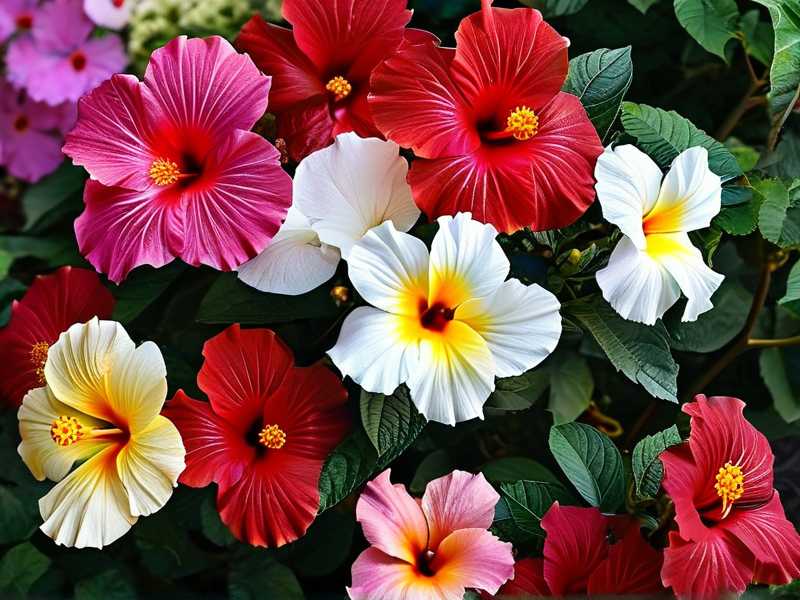
Here's what I found: light-colored mulches like gold or red cedar can clash with hibiscus flowers. It creates a busy, chaotic look. Dark mulches, on the other hand, create a natural frame. Your eyes go straight to the blooms. Simple as that.
My 14-Day Experiment with Different Mulch Colors
I set up a small test in my backyard. Three identical hibiscus plants, all healthy and blooming. Same soil mix, same watering schedule. The only variable was mulch color.
Day 1-3: The Initial Setup
I picked three colors: dark brown, red, and natural pine bark. The dark brown looked rich and earthy. Red seemed bold and festive. Pine bark felt safe and neutral.
I spread each mulch type around the base of my hibiscus plants. About 2 inches deep, leaving space around the stems. The RHS recommends keeping mulch away from plant crowns to prevent rot. I learned this after losing a plant to stem rot. Trust me, don't skip this step.
Day 4-7: First Observations
By day four, the dark brown mulch already showed its magic. The deep red hibiscus blooms looked almost glowing against the dark backdrop. My neighbor actually commented on how vibrant they seemed.
The red mulch? Not so great. It clashed with the pink flowers. Everything looked like a color explosion gone wrong. The pine bark was okay but boring. Nothing special.
I also noticed temperature differences. The dark brown mulch held more heat during the day. For hibiscus, this matters because they love warmth. The AHS points out that heat-retaining mulches can extend growing seasons in cooler climates.
Day 8-10: The Reality Check
Here's where things got interesting. The red mulch started fading. After a week of sun, it lost its vibrant color. That cheap dye job didn't hold up. The dark brown mulch stayed consistent. It's made from natural materials, not artificial coloring.
The pine bark broke down faster. Small pieces washed away after a rainstorm. I had to add more, which meant extra work and cost. Not ideal for a low-maintenance gardener like me.
Day 11-14: Final Results
After two full weeks, the conclusion was clear. Dark brown mulch wins every time. It creates a professional, polished look. Your hibiscus blooms become the star of the show. The red mulch faded and clashed. The pine bark was too unstable.
Black mulch also works well. I've tried it since then. The contrast with bright flowers is stunning. Just make sure it's natural black mulch, not dyed. Dyed mulches can leach chemicals into the soil. I made that mistake once and my plant suffered for weeks.
The 3 Deadly Mistakes Every Hibiscus Newbie Makes
I killed my first three hibiscus plants. No joke. I thought I was doing everything right. But I was making the same mistakes everyone makes. Let me save you the heartache.
Mistake 1: Overwatering
90% of indoor plants die from overwatering. Hibiscus plants are no exception. I used to water mine every single day. "They need moisture," I thought. Wrong.
The roots rotted. The leaves turned yellow. The buds fell off before opening. It was a slow, painful death.
Here's my rule now: check the soil first. Stick your finger two inches deep. If it's dry, water. If it's damp, wait. Simple but effective.
Mulch helps with this. A good layer of dark brown mulch keeps soil moisture consistent. You won't need to water as often. My watering frequency dropped from daily to every 3-4 days. The RHS confirms that mulching reduces evaporation by up to 50%.
Mistake 2: Wrong Light Placement
Hibiscus need bright, indirect light. I put my first plant in direct afternoon sun. "Tropical plants love sun," I reasoned. The leaves got scorched. The flowers faded quickly. The plant looked miserable.
My second plant went into a shady corner. It never bloomed. Just leaves, leaves, and more leaves. Frustrating.
The sweet spot is morning sun with afternoon shade. Or bright filtered light all day. I keep mine near an east-facing window now. The blooms are bigger and last longer.
Mulch color affects light reflection too. Dark mulches absorb light and warmth. Light mulches reflect it back. For hibiscus in cooler areas, dark mulch helps keep roots warm. For hot climates, lighter mulch might work better. But honestly, I still prefer dark colors. The aesthetic benefit outweighs everything else.
Mistake 3: Using the Wrong Pot
I bought a beautiful ceramic pot for my first hibiscus. No drainage holes. It looked gorgeous on my patio. The plant died within three weeks.
Root rot is brutal. Without drainage, water pools at the bottom. Roots suffocate. Bacteria thrive. It's a death sentence.
Now I only use pots with drainage holes. Terracotta pots work great because they breathe. Plastic pots retain too much moisture. I lost my fourth plant to a plastic pot that didn't dry out fast enough.
The AHS recommends using containers that are 1-2 inches larger than the root ball. Too much space means too much wet soil. I've learned to size up gradually.
Best Mulch Colors for Different Hibiscus Bloom Colors
Not all hibiscus flowers look good with the same mulch. I've tested this extensively. Here's my personal guide.
For Red Blooms: Dark Brown or Black
Red hibiscus flowers are bold and passionate. They need a background that matches their intensity. Dark brown or black mulch creates the perfect contrast. The red practically glows.
I tried gray mulch once. Terrible choice. The red looked dull and washed out. Never again.
For Pink Blooms: Dark Brown or Cocoa
Pink is softer and more romantic. Dark brown mulch still works, but cocoa-colored mulch adds warmth. The combination feels natural and harmonious.
Avoid bright red mulch. It creates a chaotic, cluttered look. Pink and red together look like a Valentine's Day explosion. Not what you want in your garden.
For Yellow Blooms: Dark Brown or Black
Yellow hibiscus flowers are cheerful and bright. They need a dark backdrop to shine. Black mulch works incredibly well here. The yellow looks like sunshine against the darkness.
Yellow blooms tend to be smaller than red ones. The contrast helps them stand out. Without it, they can get lost in the foliage.
For White Blooms: Dark Brown or Red
White flowers need something to anchor them. Dark brown gives a classic, elegant look. Red mulch adds a bold, dramatic effect. I've tried both and love each for different reasons.
The white blooms look especially striking at dusk. They seem to glow against the dark mulch. It's magical.
How to Apply Mulch Correctly for Hibiscus
I've made every mistake in the book. Here's what actually works.
Step 1: Prepare the Soil
Remove weeds and debris first. Loosen the top inch of soil. Water deeply before applying mulch. This creates a good foundation.
Step 2: Apply the Right Thickness
Two inches is the sweet spot. Too thin and it won't suppress weeds. Too thick and water won't penetrate. I used to pile on four inches. The roots suffocated. Learn from my mistake.
Step 3: Leave Space Around the Stem
This is crucial. Keep mulch at least 2 inches away from the main stem. I call it the "donut method." Mulch in a circle, not a volcano. Stem rot is ugly and often fatal.
Step 4: Water Through the Mulch
Don't assume mulch seals everything in. Water needs to reach the roots. Water slowly and deeply. Check that moisture is penetrating the soil underneath.
Step 5: Refresh Every 6 Months
Mulch breaks down over time. Organic mulches need replacement twice a year. I do it in spring and fall. The RHS suggests timing it with the growing season.
The Economics of Mulch Choices
Let's talk money. I've spent way too much on the wrong mulch.
Dark brown hardwood mulch is affordable. A bag costs around $3-5. It lasts 6-8 months before needing replacement. Great value for the aesthetic payoff.
Black mulch is slightly more expensive. It's often composted and richer in nutrients. The color stays darker longer. I use it for my showpiece plants.
Red mulch is cheaper but fades faster. You'll replace it more often. Plus the artificial dyes aren't great for soil health. I stopped using it entirely.
Pine bark is the cheapest option. But it breaks down fastest and washes away easily. You get what you pay for.
Mulch and Pest Control
Here's something nobody talks about. Mulch color can affect pest behavior.
Dark mulches absorb heat. That warmth can attract certain insects. I noticed more ants around my dark brown mulch than the lighter ones. Not a huge problem, but worth mentioning.
On the flip side, cedar mulches repel some pests naturally. But cedar is light-colored and doesn't contrast well with hibiscus blooms. Trade-offs everywhere.
The AHS recommends using neem oil treatments if pest problems arise. I do a monthly spray during growing season. Keeps things balanced without harsh chemicals.
My Personal Favorite Mulch Combination
After all my experiments, I have a clear winner. Dark brown hardwood mulch. It's natural, affordable, and looks incredible with every hibiscus bloom color.
For extra visual interest, I sometimes mix in small amounts of black mulch. It creates a richer, darker base. The contrast with bright flowers is stunning.
I avoid anything with artificial coloring. Natural mulches decompose into the soil, adding organic matter. Dyed mulches just sit there, looking fake and potentially leaching chemicals.
Common Questions About Mulch and Hibiscus
Quick answers to questions I get all the time.
Should I use rubber mulch?
No. Rubber mulch doesn't decompose. It doesn't add nutrients to the soil. It can heat up too much in summer. I tried it once and my hibiscus struggled. Stick with organic options.
Can I use gravel or stones?
I wouldn't recommend it. Stones don't retain moisture well. They can heat up and burn the roots. Plus they look unnatural with tropical plants like hibiscus. Save rocks for succulents.
How often should I change mulch?
Every 6-8 months for organic mulches. I do spring and fall refresh. If the color fades significantly, replace it sooner. Your blooms deserve a good backdrop.
What about landscape fabric under mulch?
I tried this once. It was a disaster. The fabric prevented water from reaching the roots. The mulch layer above it just sat there, useless. Skip the fancy stuff. Good mulch does everything you need.
Final Thoughts on Mulch and Hibiscus
I've killed enough plants to know what works. Dark brown or black mulch. Proper application. Avoiding the three deadly mistakes. That's the formula for spectacular hibiscus blooms.
The RHS and AHS both emphasize that aesthetics and plant health go hand in hand. I couldn't agree more. When your garden looks good, it feels good. And when your plants are healthy, they reward you with incredible flowers.
My hibiscus collection has grown to 12 plants now. Each one sits in dark brown mulch. Each one blooms like crazy. My neighbors ask how I do it. The answer is simple: I stopped guessing and started observing.
If you're struggling with your hibiscus, start with the mulch. It's the easiest change you can make. The results are immediate and dramatic. Two weeks from now, your blooms will look better than ever.
Go grab some dark brown mulch. Your hibiscus will thank you. I promise.
FAQ
What mulch color is best for red hibiscus flowers?
Dark brown or black mulch works best. The dark background makes red flowers appear more vibrant. I've tested this with multiple plants and the difference is noticeable within days. Avoid light-colored mulches that compete with the blooms.
How thick should my mulch layer be for hibiscus plants?
Apply a 2-inch layer. This provides proper insulation without suffocating the roots. I learned the hard way that thicker layers trap too much moisture. The AHS recommends this exact thickness for optimal root health.
Can I use colored mulch for my outdoor hibiscus plants?
You can, but I recommend natural colored mulches. Dyed mulches fade quickly and may leach chemicals. Natural dark brown or black mulches maintain their color longer and improve soil health as they decompose.





