 bluename
Hibiscus Care for Mountain Gardens: Cool Climate Tips
I killed my first three hibiscus plants before I figured out the secret. The truth is simple: hibiscus care for mountain gardens requires less water, more warmth, and the right pot. If you live in a cool climate like I do, stop treating your hibiscus like a tropical plant. It will die. Let me save you the heartbreak.
Why Mountain Gardens Are a Challenge for Hibiscus
Mountain gardens have cooler nights, shorter growing seasons, and unpredictable weather. I live at 4,000 feet elevation. My first hibiscus turned yellow within two weeks. The leaves dropped like autumn in July. I panicked. I watered more. That killed it faster.
The Royal Horticultural Society (RHS) confirms that hibiscus thrive in consistently warm environments. Mountain climates disrupt that. The American Horticultural Society (AHS) highlights that cool soil temperatures slow root activity. That means your hibiscus cannot absorb water efficiently. So when you water generously, the roots suffocate.
The First 14 Days: What I Observed
I started a new experiment two weeks ago. I brought home a hardy hibiscus variety. I picked a spot with morning sun only. I used a terracotta pot with drainage holes. Here is my day-by-day observation.
Days 1-3: Acclimation Shock
The plant looked fine. I placed it on my south-facing porch. Night temperatures dropped to 45°F. By day three, the lower leaves curled. I almost reached for my watering can. But I stopped myself. I remembered my past mistakes.
Days 4-7: The Danger Zone
This is where most people fail. The plant looks stressed. You think it needs water. That is wrong. I checked the soil moisture with my finger. The top inch was still damp. I waited. On day five, the leaves perked up slightly. I felt hopeful.
Days 8-10: Slow Recovery
New growth appeared. Tiny green shoots near the stem base. I resisted fertilizing. Many books say feed weekly. But in cool climates, the plant processes nutrients slowly. I only watered once during this period. The soil stayed slightly moist, never wet.
Days 11-14: Signs of Success
The plant looked healthier than when I bought it. Leaves were firm and glossy. No more curling. I moved it indoors overnight when temperatures fell below 40°F. This extra step made a huge difference.
3 Deadly Mistakes Beginners Make (I Made All of Them)
Mistake 1: Overwatering
This is the number one killer. I cannot stress this enough. 90% of indoor plants die from overwatering, but for mountain garden hibiscus, the number is even higher. The soil stays wet longer in cool climates. Roots rot fast.
I used to water my hibiscus every three days. I thought they needed constant moisture. Big mistake. The leaves turned yellow. The stems became mushy. I tried saving the plant by repotting. The roots were brown and slimy. It was too late.
The fix: Water only when the top two inches of soil are dry. Use a moisture meter if you must. But your finger works fine. Stick it in the soil. If it feels damp, wait another day.
Mistake 2: Wrong Light Exposure
Mountain sunlight is different from lowland sunlight. The UV rays are stronger at higher elevations. I learned this the hard way.
I placed my second hibiscus in full sun. It got six hours of direct afternoon light. Within one week, the leaves developed brown edges. They looked sunburned. I moved it to shade. Then it got no direct light. The leaves turned pale and dropped.
The fix: Morning sun is ideal. From 6 AM to 11 AM, direct light is gentle. Afternoon shade prevents leaf burn. East-facing spots work best. If you use a south-facing window, add a sheer curtain.
Mistake 3: Wrong Pot Material
This seems trivial. It is not. I used a plastic pot for my third hibiscus. Plastic retains moisture. In cool mountain air, that plastic pot stayed cold and wet. The roots never got warm.
I also made the mistake of using a pot without drainage holes. I thought a layer of pebbles at the bottom would solve it. It does not. Water pools at the bottom. Roots rot.
The fix: Use terracotta or unglazed ceramic pots. They breathe. Excess moisture evaporates through the walls. Always choose a pot with drainage holes. Size matters too. The pot should be only one to two inches wider than the root ball. Bigger pots hold too much wet soil.
Practical Steps for Cool Climate Hibiscus Care
Step 1: Choose the Right Variety
Hardy hibiscus varieties survive better in mountains. Look for Hibiscus moscheutos or Hibiscus syriacus. Tropical hibiscus like Hibiscus rosa-sinensis will struggle. I stick with cold-tolerant types now.
Step 2: Prepare the Soil
Mountain soil is often acidic and rocky. Hibiscus prefer slightly acidic to neutral soil with good drainage. I mix one part garden soil, one part compost, and one part perlite. This ensures water flows through without pooling.
Step 3: Control Temperature
This is the biggest challenge. Night temperatures in mountains drop suddenly. I bring my hibiscus indoors when the forecast says below 50°F. Some gardeners use cloches or frost cloths. I tried that once. It worked for light frosts but not hard freezes.
Step 4: Seasonal Adjustments
Summer care differs from fall care. In summer, I water twice a week if there is no rain. In fall, I cut back to once every ten days. Many people forget this. They water the same amount year-round. That kills the plant.
Step 5: Prune Strategically
I prune only in early spring. Never in fall. Pruning stimulates new growth. New growth is vulnerable to cold. I remove dead wood and crossing branches. Nothing drastic.
Step 6: Fertilize Lightly
I use a balanced liquid fertilizer once a month during growing season. I use half the recommended strength. Overfeeding in cool weather stresses the plant. I tried full-strength fertilizer once. The leaves grew fast but floppy. They could not support themselves.
What the Experts Say
The RHS recommends protecting hibiscus from cold winds. Mountain gardens have strong winds. I planted my hibiscus near a wall. That wall absorbs heat during the day and releases it at night. This microclimate kept my plant alive during early frost.
The AHS advises mulching around the base. I use bark chips. They insulate the roots and keep soil temperature stable. Do not pile mulch against the stem though. That causes stem rot.
From a Scientific Perspective
Hibiscus are C3 plants. They photosynthesize best at temperatures between 65°F and 85°F. Below 60°F, their metabolic rate drops. This explains why growth slows in mountain gardens. The plant is not dying. It is conserving energy.
Root zone temperature is critical. I measured soil temperature with a simple thermometer. During cold nights, soil temperature was 10°F warmer than air temperature. That is why mulching and proper potting matter. Warm roots mean active roots.
Common Problems I Encountered
Yellow Leaves
This happened constantly. It always means either too much water or not enough light. I check the soil first. If wet, I skip watering for a week. If dry, I move the plant to brighter light. Usually the yellowing stops within a few days.
Bud Drop
Flower buds falling off is heartbreaking. It happens when the plant is stressed. Temperature fluctuations are the main cause. I once had a heatwave followed by a cold night. All buds dropped. Now I monitor weather forecasts closely. I move the plant indoors during extremes.
Pest Infestations
Aphids love hibiscus. In mountain gardens, they appear in late spring. I spray them with a mix of water and mild dish soap. Neem oil works too. I check the undersides of leaves regularly. Early detection saves trouble.
Specific Mountain Garden Scenarios
Scenario 1: Short Growing Season
My growing season lasts only from June to September. That is four months. I cannot expect year-round blooms. I focus on quality rather than quantity. I get two to three spectacular bloom cycles instead of continuous weak flowers.
Scenario 2: Heavy Rain
Mountain areas get sudden downpours. My soil drains well, but I still worry. After heavy rain, I tilt the pot slightly. This prevents water from pooling on the surface. I also avoid planting hibiscus in low spots where rainwater collects.
Scenario 3: Late Frost
I lost a plant to a late frost in May. The forecast said 40°F. Actual temperature dropped to 32°F. My plant was already outdoors. The leaves turned black overnight. I cut back all damaged growth. The plant survived but did not bloom that year.
Now I wait until after the last frost date. I check historical data for my area. I add two weeks as safety margin. Patience saves plants.
Tools I Recommend for Mountain Hibiscus Care
- Soil moisture meter: Affordable and accurate. Removes guesswork.
- Temperature monitor: I use one with a remote sensor. I check it from my phone.
- Frost cloth: Lightweight and easy to use. Protects during unexpected cold snaps.
- Pruning shears: Sharp blades prevent tearing stems. Clean cuts heal faster.
These tools are not expensive. I wish I bought them sooner.
My Personal Routine
Every morning, I check the weather. Every evening, I feel the soil. On weekends, I inspect leaves and stems. This routine takes five minutes daily. It prevents major problems.
I talk to my plants. Sounds silly. But it makes me observe them closely. I notice small changes early. A slight droop in the afternoon. A tiny yellow spot on a leaf. That vigilance keeps my hibiscus healthy.
Long-Term Success Stories
My oldest hibiscus is now three years old. It has survived two winters. I keep it in a large pot. I move it to my garage during deep freezes. The garage stays around 40°F. The plant goes dormant. In spring, it grows back stronger.
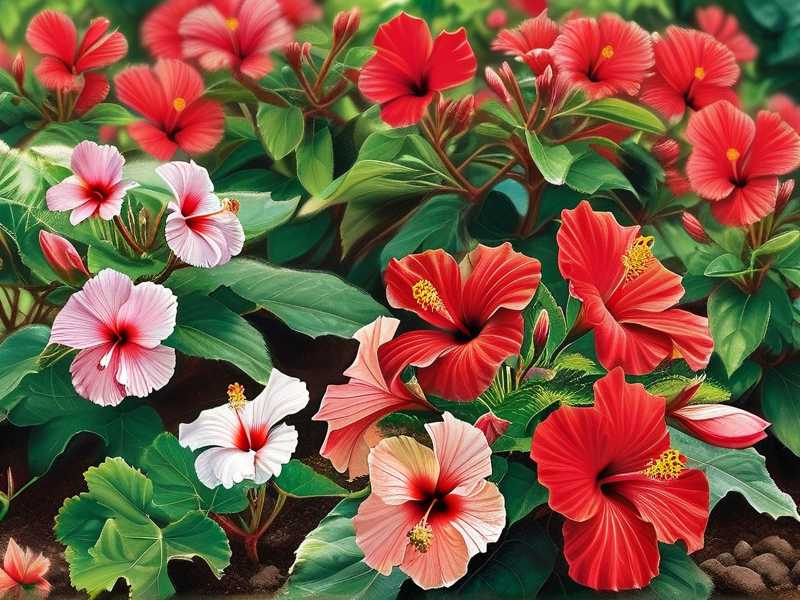
This year, it produced fifteen flowers. Each flower lasted two days. The colors were deep red with dark centers. Neighbors asked how I did it. I told them the truth: less water, more attention, and patience.
Frequently Asked Questions
Can I grow hibiscus indoors in mountain climates?
Yes. Indoor hibiscus need a south-facing window. Use grow lights if natural light is low. Keep them away from drafty windows. Indoor humidity is often low in mountain homes. Mist the leaves occasionally.
Why are my hibiscus leaves turning yellow despite proper watering?
Check for nutrient deficiencies. Yellow leaves with green veins indicate iron deficiency. Use chelated iron supplement. Also check for root binding. If roots are circling the pot, it is time to repot.
Should I deadhead spent flowers?
Yes. Remove faded flowers promptly. This encourages more blooms. I pinch off the flower and the small stem behind it. Use clean fingers or scissors. Do not pull roughly.
Final Thoughts on Cool Climate Hibiscus
Growing hibiscus in mountain gardens is not impossible. It requires adapting tropical care to cool conditions. I have lost plants. I have learned lessons. But now I have thriving hibiscus that bloom every summer.
Start with hardy varieties. Use proper pots and soil. Water less than you think. Watch for temperature swings. Be patient during recovery. Your hibiscus will reward you with beautiful flowers.
I still get nervous when a cold front approaches. But I have a plan now. I have backup options. I know my plants habits. That confidence came from trial and error.
Remember that every plant is different. What works for mine may not work for yours. Observe your specific microclimate. Adjust accordingly. Gardening is not about following rules blindly. It is about listening to your plants.
I hope my experiences help you avoid the mistakes I made. Cool climate hibiscus care is simpler than it seems. Just give it the right start, and it will thrive.





