bluename
Control Caterpillars on Hibiscus: My 2-Week Battle with Handpicking & BT Spray
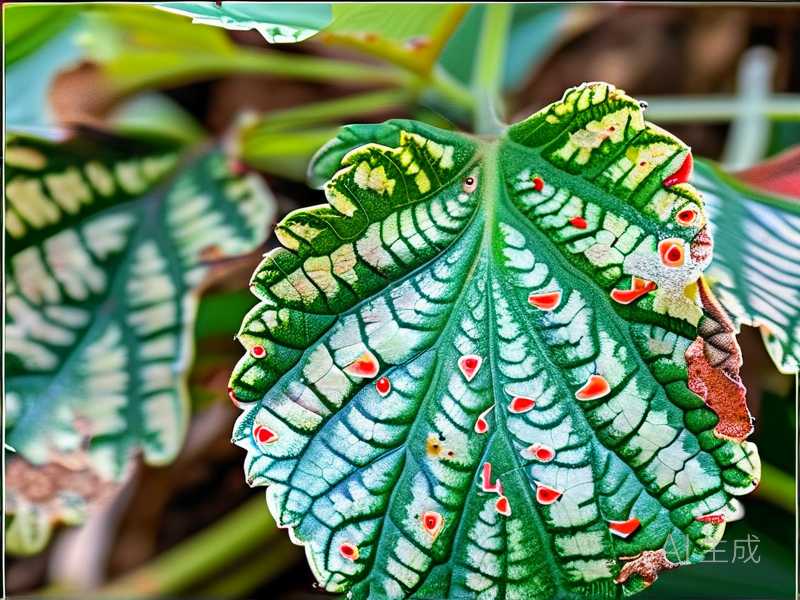
I’ll be honest—there are few things more disheartening for a hibiscus lover than walking out to the garden and finding your prized blooms and lush leaves reduced to skeletal lacework. That was me just a few weeks ago. Overnight, it seemed, an army of green caterpillars had declared my hibiscus their personal buffet. I knew I had to act fast, but I also wanted a solution that was effective, safe for my garden’s ecosystem, and didn’t involve harsh chemicals. After some research, I settled on a two-pronged, organic approach: diligent handpicking combined with applications of Bacillus thuringiensis (Bt) spray. What followed was a detailed, 14-day mission of observation, adjustment, and ultimately, success. Here’s my complete, step-by-step journey on how to control caterpillars on hibiscus using these methods.
Understanding the Enemy: What Are You Really Dealing With?
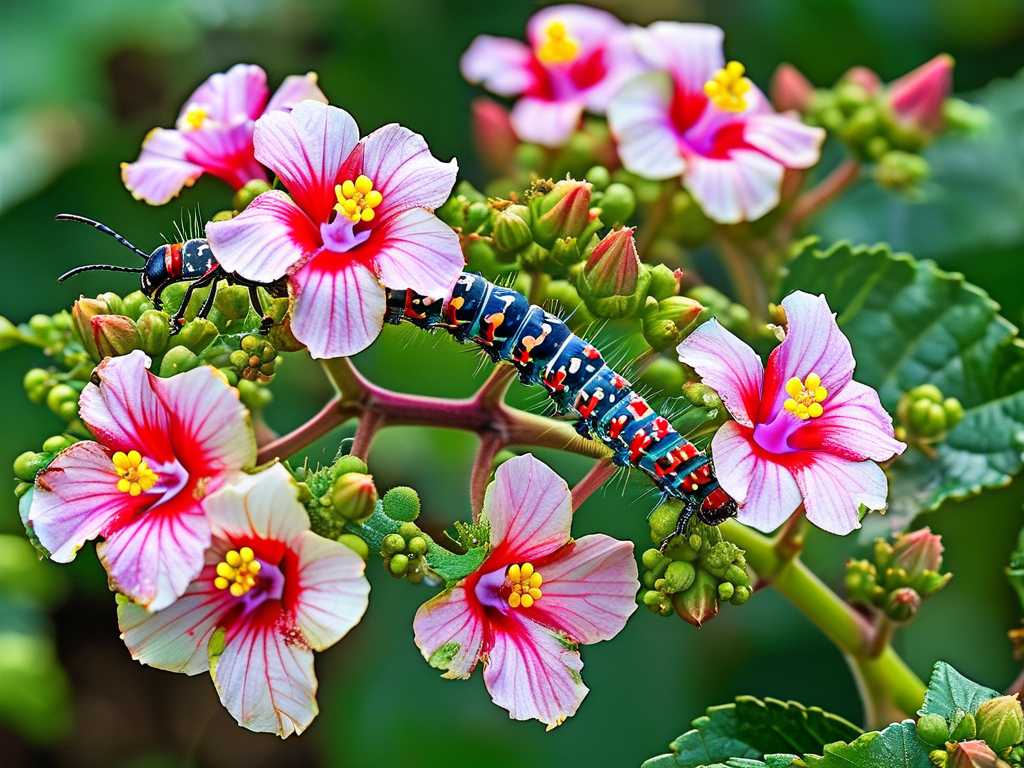
Before you start any control method, you need to know your opponent. In my case, the culprits were primarily hibiscus sawfly larvae and some tobacco budworms. They look like caterpillars but identifying them correctly matters. Sawfly larvae tend to cluster and skeletonize leaves, while budworms bore into buds. I consulted resources from the American Horticultural Society (AHS), which emphasizes that accurate pest identification is the first step toward effective, targeted control, preventing wasted effort on the wrong treatment.
My Chosen Arsenal: Why Handpicking and Bt?
I needed a strategy that aligned with my gardening philosophy. Broad-spectrum insecticides were out—they’d harm the pollinators and beneficial insects I work hard to attract. Handpicking offers immediate, physical removal. Bacillus thuringiensis (Bt), specifically the kurstaki strain (Btk), is an organic bacterial insecticide highly specific to caterpillars. It’s not a poison; it produces proteins that disrupt the gut of leaf-eating caterpillars when ingested, making them stop feeding and die within a few days. The Royal Horticultural Society (RHS) notes Bt’s high specificity as a key advantage for minimizing environmental impact. This combination promised immediate action and longer-term protection.
Week 1: The Initial Assault and Close Observation
My battle plan was set. I committed to a rigorous daily routine for at least two weeks.
Day 1-3: The Handpicking Onslaught Armed with a bucket of soapy water, I spent 20 minutes each morning and evening inspecting every leaf—top and bottom—and every bud. I’d gently squish smaller clusters or drop them into the bucket. The first day’s haul was shocking: over 50 larvae! This step is crucial for managing caterpillars on hibiscus plants because it provides instant relief and reduces the breeding population. I wore garden gloves; some larvae can be irritating to skin.
- The First “Gotcha” Moment: I missed the eggs! Tiny, ridged eggs on the leaf undersides hatched a couple days later, leading to a new wave. Solution: My inspection routine had to include searching for and scraping off these pale yellow egg clusters with my thumbnail.
Day 4: First Application of Bt Spray After the initial handpicking reduced visible numbers, I applied a ready-to-use Bt spray. I thoroughly coated all leaf surfaces, especially the undersides, until droplets just began to run off. The key here is coverage, as the caterpillar must eat the treated foliage. I applied it in the calm, late evening to avoid harming daytime pollinators and to prevent rapid sun degradation.
Day 5-7: Monitoring and the Waiting Game Handpicking continued daily, but numbers started to noticeably drop. I saw a few lethargic, discolored caterpillars—a sign the Bt was working internally. However, I noticed new damage on a few upper leaves.
- The Second “Gotcha” Moment: I had missed spraying the topmost growth because it was hard to reach. New, tender leaves were unprotected. Solution: I used a step stool for the next application to ensure complete coverage for hibiscus caterpillar control. This highlights that thoroughness is non-negotiable.
Week 2: Refinement and Victory
Day 8: Second Bt Application Exactly one week after the first spray, I applied Bt again. This is critical because Bt breaks down in sunlight and rain, and it only affects caterpillars present at the time of spraying. A follow-up catches any larvae that hatched from eggs I missed after the first round.
Day 9-12: Dramatic Decline The combination was now in full sync. My daily handpicking sessions yielded only one or two larvae, if any. New leaf damage had virtually ceased. The plants, which had looked stressed and ragged, began pushing out clean, healthy new growth. I continued inspections but with a much lighter heart.
Day 13-14: Assessment and Ecosystem Check By the end of the two weeks, my hibiscus were no longer caterpillar cafeterias. I observed ladybugs and lacewings moving back into the plants—a sign the treatment hadn’t disrupted beneficial insects. No new eggs or larvae were found. The crisis was over.
Why This Two-Pronged Method Works So Well
This isn’t just my anecdote; it’s a strategy backed by integrated pest management (IPM) principles. Handpicking provides instant gratification and population knockdown. The Bt spray acts as a silent, selective protector, managing the caterpillars you can’t see or reach. Together, they break the life cycle. For organic hibiscus caterpillar treatment, this synergy is powerful. Remember, Bt is most effective on younger, smaller larvae, so timing and consistency are everything.
Essential Tips for Your Success
- Be Persistent: Daily inspection for two weeks is what turns the tide. Consistency is more important than intensity.
- Spray Correctly: Follow Bt label instructions precisely. Reapply after heavy rain or every 7-10 days during an active infestation.
- Target the Undersides: 90% of the pest action happens on the leaf underside. Spray and inspect there.
- Don’t Spray Flowers: Try to avoid direct spray on open blooms to protect visiting bees, even though Bt’s toxicity to them is very low when dry.
My Results and Final Thoughts
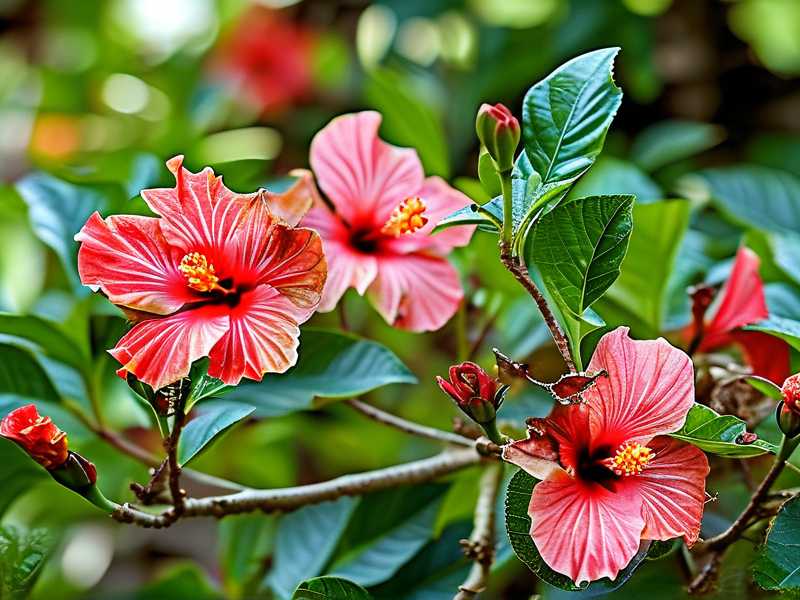
After two dedicated weeks, my hibiscus are thriving again, putting energy into stunning blooms instead of replacing foliage. The handpicking was labor-intensive but therapeutic and immediate. The Bt spray worked silently and effectively as the strategic backbone of my defense. This experience reinforced that you can control caterpillars on hibiscus effectively without resorting to harsh measures. It requires patience, observation, and a willingness to get your hands dirty, but the reward—a healthy, vibrant, and ecologically balanced garden—is utterly worth it.
Some questions you might still have:
Will Bt harm butterflies and bees? Bt kurstaki is specific to caterpillars of moths and butterflies. It can harm desirable butterfly larvae if they eat sprayed foliage in your garden. To protect them, avoid spraying plants that are host species for butterflies you want (like milkweed for monarchs). According to extension services, Bt has very low toxicity to bees, especially when applied in the evening when they are not foraging.
How soon after spraying Bt can I handpick or water my plants? Bt needs about 24 hours to be fully absorbed and become rainfast. Try to time applications when no rain is forecast for a day. You can handpick immediately after the spray dries, but remember, the affected caterpillars will die over the next few days.
I still see caterpillars a few days after spraying Bt, did it fail? Not necessarily. Bt doesn’t kill on contact. Caterpillars stop feeding within hours but may take 2-5 days to die. If they are still active and feeding after 3 days, you may need to reapply, ensuring you achieved good coverage.