bluename
How to Get Rid of Whiteflies on Hibiscus: Neem Oil Soil Drench
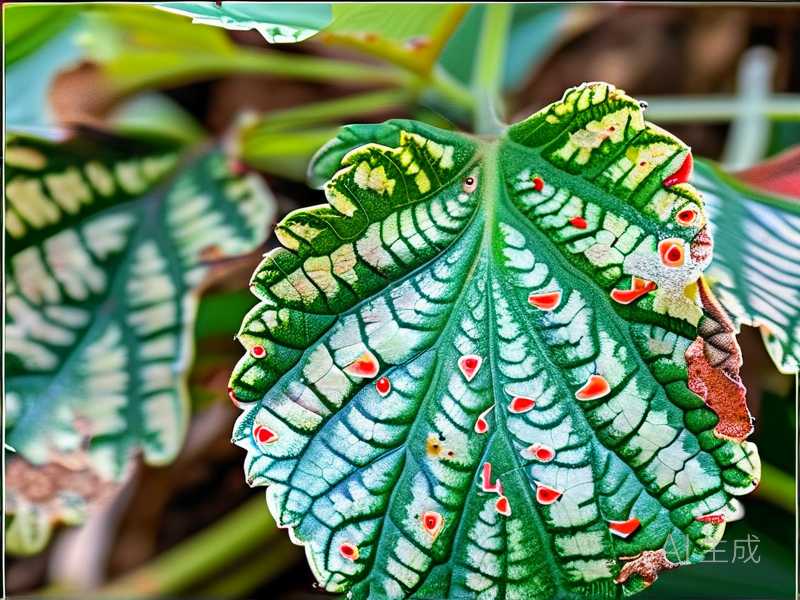
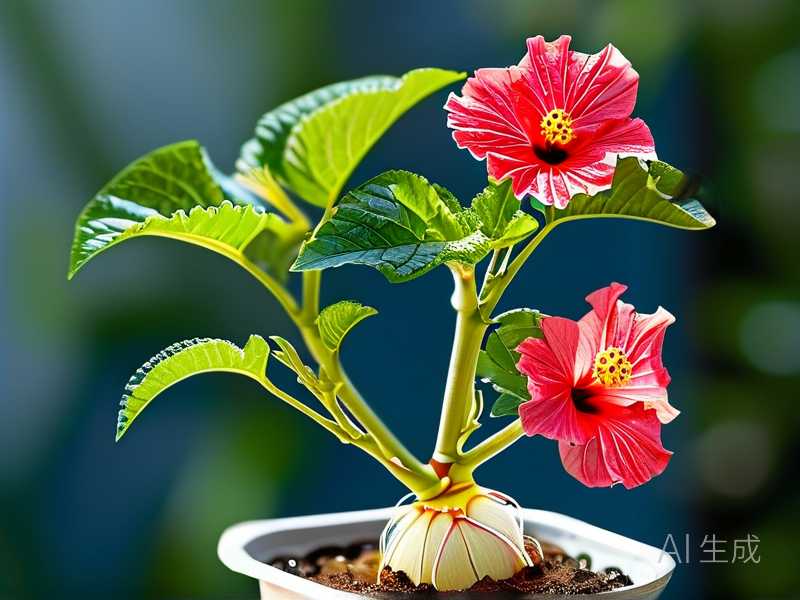
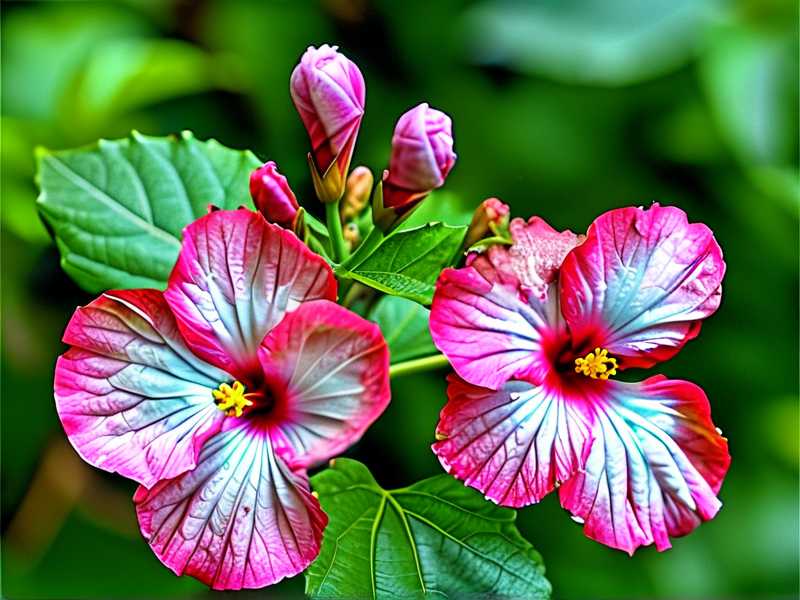
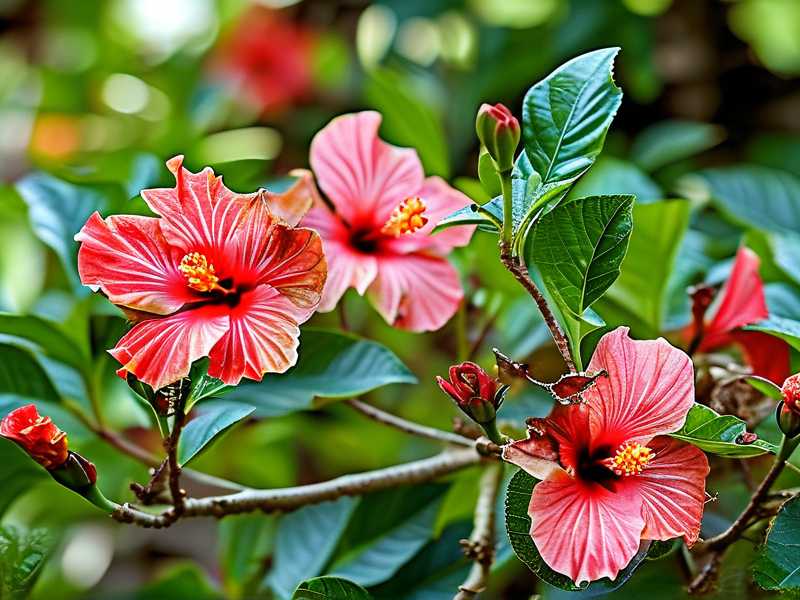
I love my hibiscus plants. Their vibrant, dinner-plate-sized blooms are the pride of my garden. But last season, that pride turned to panic. A cloud of tiny, moth-like insects erupted every time I brushed against the leaves. My hibiscus looked sad, its leaves turning yellow and sticky with a strange, clear residue. I was battling a severe whitefly infestation. I tried sprays, insecticidal soaps, and yellow sticky traps with limited success. The whiteflies kept coming back. That’s when I discovered and committed to a neem oil soil drench treatment. This comprehensive guide details my hands-on, two-week journey using this method, the mistakes I made, and the ultimately successful results.
Understanding the Enemy: Why Whiteflies Love Your Hibiscus
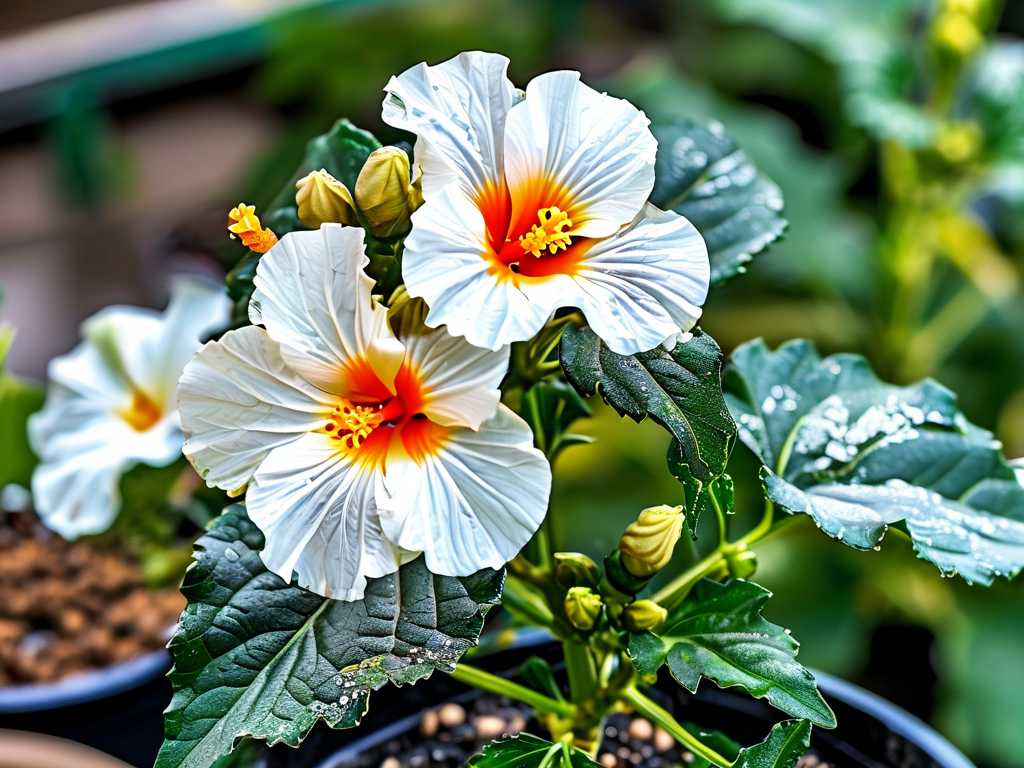
Before diving into the solution, it’s crucial to know what you’re fighting. Whiteflies are not flies; they’re sap-sucking relatives of aphids and scale. They congregate on the undersides of leaves, weakening the plant by draining its nutrients and excreting a sugary substance called honeydew. This honeydew leads to sooty mold, which blocks sunlight from reaching the leaves. According to the Royal Horticultural Society (RHS), whiteflies can also transmit several plant viruses, making control a priority. Hibiscus, with its tender, succulent growth, is a whitefly magnet.
Why I Chose Neem Oil Soil Drench Over Foliar Sprays
Initially, I sprayed neem oil mixture directly on the leaves. While it helped, the effect was temporary. I was only killing the adults and nymphs I could reach. I missed the eggs and found it impossible to coat every single leaf underside thoroughly on a large, bushy plant. Furthermore, spraying in direct sunlight or heat can cause leaf burn. A soil drench offers a systemic approach. When you water the soil with a properly diluted neem solution, the plant’s roots absorb the active compounds, primarily azadirachtin. This makes the plant’s sap slightly unpalatable and disruptive to pests that feed on it. The University of California Statewide Integrated Pest Management Program (UC IPM) notes that azadirachtin acts as an insect growth regulator, interfering with the life cycle of insects like whiteflies. It doesn’t typically kill adult whiteflies on contact but breaks the cycle by affecting the immature stages (eggs, larvae, nymphs), preventing them from maturing into reproducing adults.
My Step-by-Step Process for the Neem Oil Soil Drench
Here is the exact procedure I followed, refined by my initial errors.
Gathering the Right Materials You don’t need much. I used:
- Cold-pressed neem oil: This is non-negotiable. Cold-pressed oil retains azadirachtin, the key systemic compound. “Clarified hydrophobic” or heat-processed neem oil won’t work for a drench.
- Warm water and a small container: For emulsifying.
- Liquid dish soap (mild, natural): Acts as an emulsifier. I used a pure castile soap.
- A one-gallon watering can: For mixing and application.
- A stirring stick.
The Critical Mixing Ratio and Emulsification Step This is where I made my first mistake. I tried to mix the oil directly into the gallon of water. It separated and floated on top, meaning the roots wouldn’t get a consistent dose. The correct way is to create an emulsion first:
- In my small container, I mixed 1 teaspoon of mild liquid soap with 1 cup of warm (not hot) water.
- I slowly added 2 tablespoons of cold-pressed neem oil to this soapy water while vigorously stirring or whisking. This creates a milky, well-emulsified mixture where the oil is broken into tiny droplets suspended in the water.
- I poured this emulsion into my one-gallon watering can and then filled the rest with water, stirring gently. My final drench mixture was approximately 2 tablespoons of neem oil + 1 tsp soap per gallon of water.
Application: Timing and Technique Are Everything My second mistake was improper timing. I applied it at noon on a sunny day. While a soil drench doesn’t risk leaf burn like a spray, the plant was stressed from heat and pests. The ideal time is early morning or late evening when the plant is most receptive to watering. I slowly poured the entire gallon of neem drench around the base of my hibiscus, aiming for the root zone, not the stem. I allowed it to soak in deeply. I treated my two affected hibiscus plants this way.
The Crucial Two-Week Observation Period
This method requires patience. You are not going to see dead whiteflies littering the ground the next day. You are disrupting their life cycle.
Days 1-3: The Waiting Game I saw no visible change. The whiteflies were still active. This was disheartening, but I reminded myself that the plant needed time to absorb and translocate the azadirachtin. I continued normal care, avoiding any other pesticides.
Days 4-7: The First Signs of Change By day 5, I noticed the whitefly activity seemed less frantic. The clouds were smaller when I disturbed the plant. More importantly, upon inspecting the undersides of leaves with a magnifying glass, I saw many tiny, off-white specks (eggs) that appeared shriveled and did not hatch. The sticky honeydew production also seemed to slow. This aligned with the AHSA (American Horticultural Society Alliance) information on neem’s role as an insect growth regulator.
Days 8-14: A Clear Turning Point In the second week, the difference was marked. The number of live, flying adults had decreased by at least 70%. New leaves unfurling showed no signs of infestation—no eggs, no nymphs. The existing yellow leaves did not recover (they never do), but the overall plant vigor improved. The once-sticky leaves began to feel normal. By the end of week two, the infestation was under control. The plant was no longer a breeding ground.
Common Pitfalls and How I Solved Them
- Pitfall 1: Using the wrong neem oil. My first purchase was a “clarified” neem oil spray from a big box store. It failed as a drench. Solution: I sourced 100% cold-pressed, organic neem oil online.
- Pitfall 2: Poor emulsification leading to ineffective application. Solution: I adopted the small-container pre-mix method described above, ensuring a stable emulsion every time.
- Pitfall 3: Impatience and over-application. I considered a second drench after 5 days. Solution: I stuck to the recommended schedule. Experts like those at the RHS advise that soil drenches can remain effective for several weeks. Over-applying can stress the plant’s roots. I waited a full 3 weeks before considering a follow-up (which, in my case, wasn’t needed).
- Pitfall 4: Ignoring other stressors. My hibiscus was in a slightly too-shady spot, which can promote weaker growth. Solution: I pruned the most damaged foliage after the infestation receded and lightly fed the plant with a balanced fertilizer to support recovery, ensuring it wasn’t under other environmental stresses.
Integrating the Drench into a Holistic Pest Management Plan
A neem oil soil soak for hibiscus is powerful but works best as part of a strategy. During my two-week observation, I continued to use yellow sticky traps to monitor and trap remaining adult whiteflies. I also introduced beneficial insects like ladybugs to my garden as a long-term biological control. Regularly hosing down the leaves with a strong jet of water (early in the day) helped dislodge any remaining pests before the drench took full effect. This multi-pronged treatment for whiteflies on tropical plants like hibiscus addresses all stages of the problem.
Frequently Asked Questions
How often should I apply a neem oil soil drench to my hibiscus? Do not apply it as a regular watering treatment. It is a targeted intervention. For an active infestation, one thorough application can be effective for 3-4 weeks. I applied only once during my two-week documented period and it broke the cycle. If a severe infestation persists, a second application can be made after 3 weeks. Always observe the plant’s response first.
Is neem oil soil drench safe for my hibiscus and the soil? When used correctly at the recommended dilution, yes. Cold-pressed neem oil is biodegradable and breaks down in sunlight and soil. It has low toxicity for birds, earthworms, and beneficial insects that don’t feed on the plant sap. However, avoid over-saturating the soil, as with any watering. I noticed no negative impact on soil health or nearby plants.
Will a neem drench also protect my hibiscus from other pests? Yes, due to its systemic action. The same properties that disrupt whiteflies can affect other sap-sucking pests like aphids, soft scales, and spider mites. During my treatment, I also noticed a reduction in aphid activity on nearby plants. It is a broad-spectrum, yet gentle, systemic insecticide for many common garden pests.
Watching my hibiscus recover its strength and eventually burst forth with unblemished, glorious blooms was immensely satisfying. The neem oil soil drench method requires a shift in mindset from quick-kill sprays to strategic, long-term disruption. It demands careful preparation, patience during a 10-14 day observation window, and integration with other sensible gardening practices. Based on my experience, it is one of the most effective, plant-friendly ways to reclaim your hibiscus from the clutches of whiteflies and restore the natural balance to your garden.