 bluename
How to Get Rid of Aphids on Hibiscus: Garlic Spray Recipe That Saved My Plants
I’ll be honest—the day I saw my prized hibiscus leaves curling, covered in a sticky mess and clusters of tiny green bugs, my heart sank. Aphids had launched a full-scale invasion. I tried blasting them with water, but they came back stronger. I worried about using harsh chemicals, fearing they’d harm the bees and butterflies my garden attracts. If you’re here, you likely share that frustration and concern. You want a solution that’s effective, safe for your beautiful hibiscus, and kind to the garden ecosystem. After much trial, error, and research, I perfected a simple, natural garlic spray that finally broke the cycle. This is my hands-on, two-week journey from infestation to recovery, including every stumble and fix along the way.
Understanding Your Enemy: The Hibiscus Aphid Problem
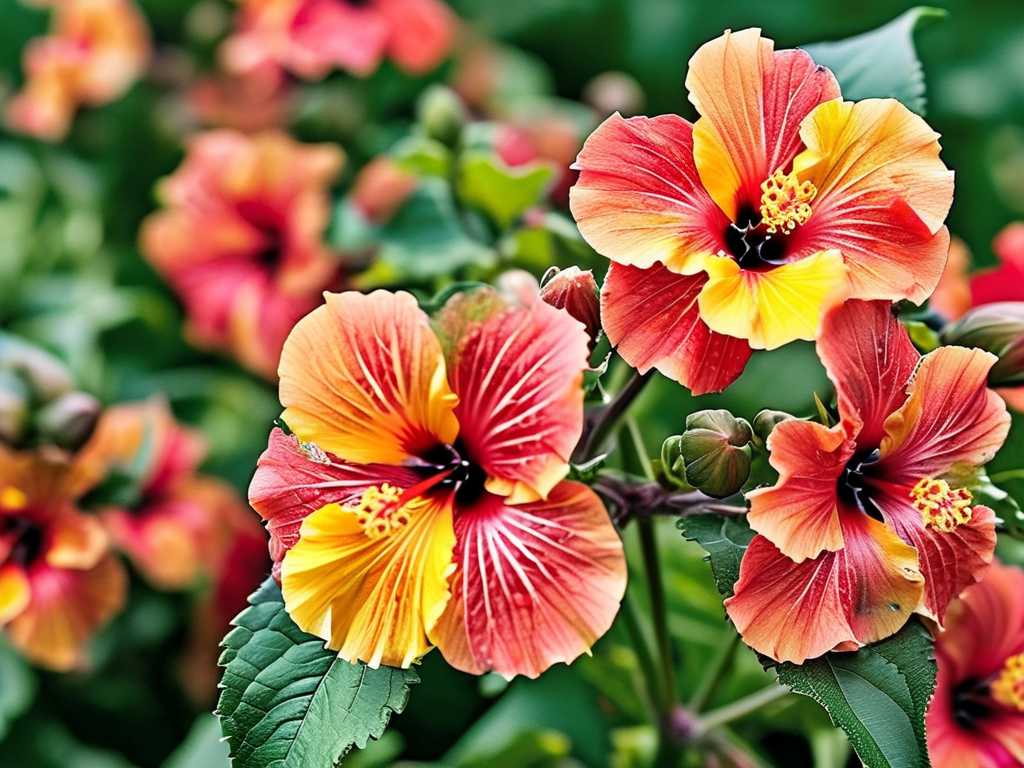
Before mixing anything, it's crucial to know what you're fighting. Aphids are sap-sucking pests that particularly love the tender new growth of hibiscus plants. They weaken the plant, cause leaf distortion, and excrete "honeydew," which leads to sooty mold. The Royal Horticultural Society (RHS) notes that non-chemical methods are the first line of defense in an integrated pest management approach, especially for a frequent target like hibiscus. My goal was to find a method that aligned with this principle—effective yet minimally disruptive.
Why I Chose Garlic as My Natural Weapon
I needed something potent yet safe. Garlic contains allicin, a compound with well-documented insecticidal and antifungal properties. Studies, including those referenced by organizations like the AHSA (American Horticultural Society Association), acknowledge the efficacy of certain plant-derived compounds in pest management. Garlic spray acts as a repellent and a mild contact pesticide, disrupting aphid feeding without leaving toxic residues. It was my ideal candidate: cheap, accessible, and garden-friendly.
My Tested and Refined Garlic Spray Recipe
This isn't just a theoretical formula; this is the exact recipe I used after refining it for maximum effect on my hibiscus.
-
Ingredients:
- 3-4 full bulbs of organic garlic (yes, bulbs, not cloves)
- 2 liters of water
- 1 teaspoon of mild liquid castile soap (acts as a surfactant to help the spray stick)
- 1 liter spray bottle
-
Step-by-Step Preparation:
- Peel and Crush: I separated and peeled all the cloves from the 3-4 garlic bulbs. Crushing them with the flat side of a knife helps release more allicin.
- Create the Concentrate: I added the crushed cloves to 500ml of boiling water, covered it, and let it steep for at least 24 hours. This long steeping is key—it creates a potent brew.
- Strain and Mix: After a full day, I strained the mixture through a cheesecloth or fine sieve into a jug, squeezing out every last drop of garlic juice. I then diluted this concentrate with the remaining 1.5 liters of water.
- Add the Soap: Just before spraying, I added the teaspoon of liquid castile soap and gave it a gentle stir. Important: Never add soap to the concentrate or store the mixture with soap, as it can spoil. Mix it fresh for each application.
The Two-Week Battle: Application, Observation, and Adjustments
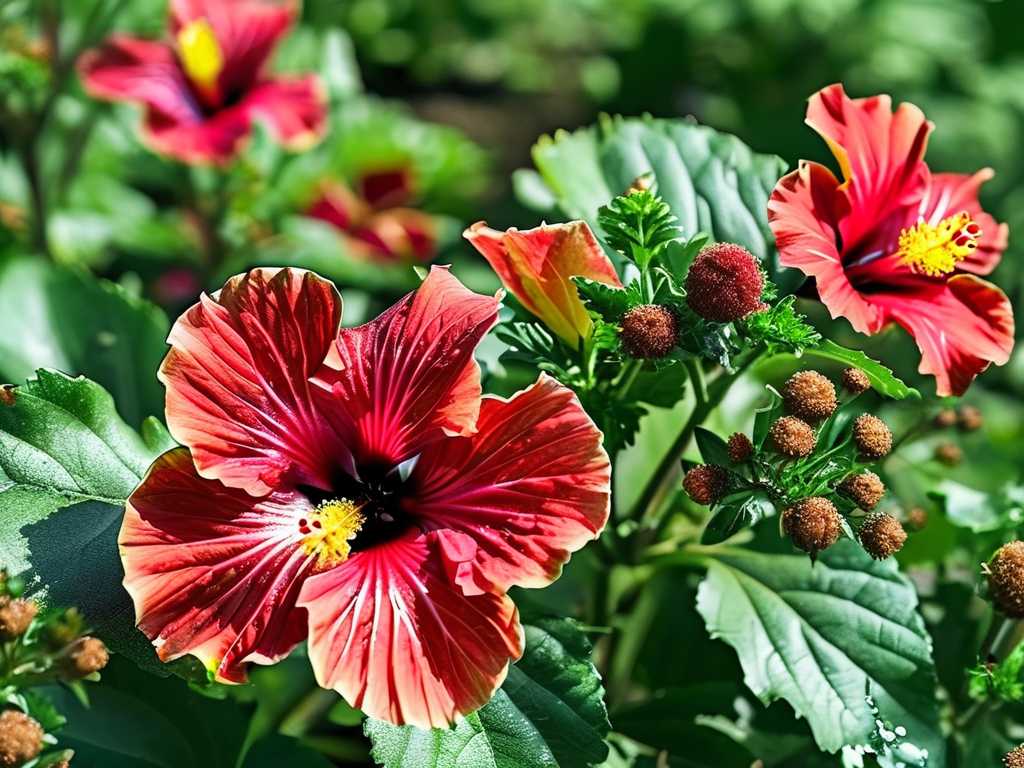
I committed to a strict schedule, applying the spray every 3-4 days for two weeks. Here’s my detailed log.
- Days 1-3 (Initial Application): I thoroughly sprayed my infested hibiscus, drenching the undersides of every leaf and every bit of new growth where aphids congregate. I did this in the late evening to avoid sun-scorch on wet leaves and protect pollinators. The smell was pungent but not unpleasant in the garden context. Within hours, I noticed many aphids had disappeared from the treated areas.
- The First "Gotcha" Moment (Day 4): After the second application, I saw some browning on the edges of a few leaves. I realized my spray was too concentrated. My Fix: I diluted the mixture further, using one part garlic concentrate to four parts water instead of three. I also tested the spray on a single leaf first and waited 24 hours—a crucial step I’d initially skipped.
- Days 5-10 (Persistence Pays Off): With the corrected dilution, I continued spraying. New aphid colonies appeared smaller and less vigorous. The honeydew residue began to dry up. I complemented the spraying by gently wiping unaffected leaves with a soapy water cloth for physical removal, a tip supported by RHS guidelines for minor infestations.
- Days 11-14 (Victory in Sight): By the second week's end, the aphid population was decimated. No new leaf curling was observed. The plant’s new growth emerged clean and healthy. The existing sooty mold started to flake off. I had successfully controlled the outbreak without a single synthetic chemical.
Crucial Tips and Lessons from My Experience
My success wasn't just about the spray. Here’s what made the difference:
- Consistency is Non-Negotiable: Aphids reproduce rapidly. Spraying once won't break their life cycle. The 3-4 day schedule for two weeks is essential to catch newly hatched nymphs.
- Undersides Are Everything: Aiming only at the top of the leaves is useless. You must invert the leaves and spray upward. This was the most labor-intensive but most critical part.
- Soap Choice Matters: I initially used a dish soap and saw more leaf damage. Switching to a pure, mild liquid castile soap (like Dr. Bronner’s) eliminated this issue. Harsh detergents can strip plant oils.
- Monitor Your Plants: The spray is gentle, but any plant can react. Always test on a small section first and adjust dilution as needed. Healthy, well-watered hibiscus plants tolerated it best.
Beyond the Spray: Keeping Aphids Away for Good
The garlic spray is a powerful treatment, but prevention is better than cure. I now employ a multi-pronged defense:
- Encourage Beneficial Insects: I’ve planted more alyssum and dill nearby to attract ladybugs and lacewings, nature's aphid predators.
- Regular Inspection: I make it a habit to check my hibiscus leaf undersides every time I water. Early detection makes control effortless.
- Avoid Over-Fertilizing: Lush, soft growth from too much nitrogen is an aphid magnet. I use a balanced, slow-release fertilizer.
Answers to Common Questions Gardeners Have
Will the garlic smell harm my garden or make my hibiscus smell? The garlic odor is strong initially but dissipates in the garden within a few hours. It does not leave a lasting smell on the hibiscus flowers or foliage. The repellent effect on pests, however, lasts for several days.
Is this spray safe for other plants and pollinators? When used correctly (applied at dusk when bees are less active), it is very garden-safe. The spray repels rather than systemically poisons, minimizing risk to beneficial insects once it dries. I’ve used it on roses and milkweed with equal care and success. Always rinse edible plants thoroughly if used in the vegetable garden.
My hibiscus is in a severe, advanced state of infestation. Will this still work? For a severe case, I recommend a two-step approach. First, give the plant a strong blast of water from a hose to dislodge the bulk of the colony. Then, prune away the most heavily infested and damaged stems. After these physical interventions, begin the garlic spray regimen. This combined strategy tackles both the immediate population and the residual eggs and nymphs.
Seeing my hibiscus bounce back with vibrant, aphid-free blooms was immensely satisfying. This natural approach required more patience and consistency than a chemical spray, but the rewards were greater: a thriving plant, a healthy garden ecosystem, and the peace of mind that comes from knowing exactly what I used on my plants. The garlic spray recipe is a powerful tool in any gardener's arsenal. With careful preparation, diligent application, and a watchful eye, you can reclaim your hibiscus from these tiny pests and enjoy a spectacular, healthy bloom season.





