bluename
Hibiscus Aphid Prevention: Companion Plants Like Marigolds
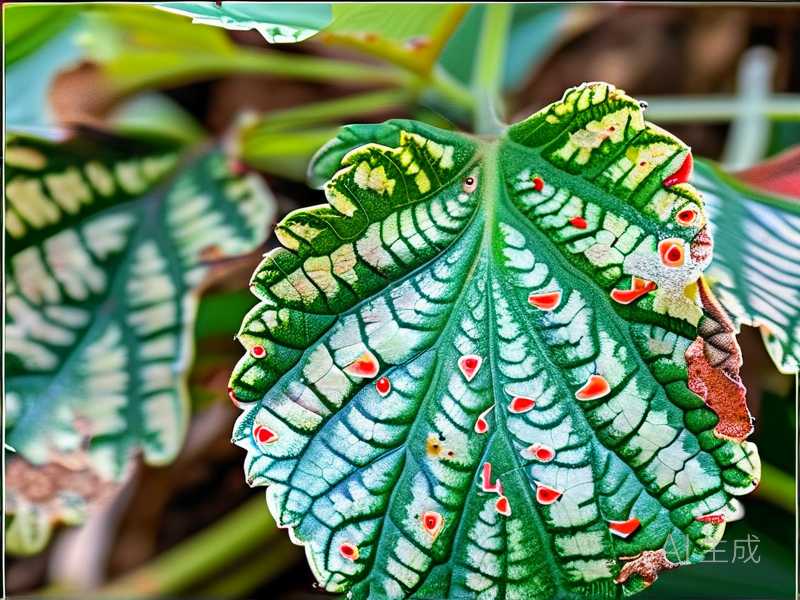
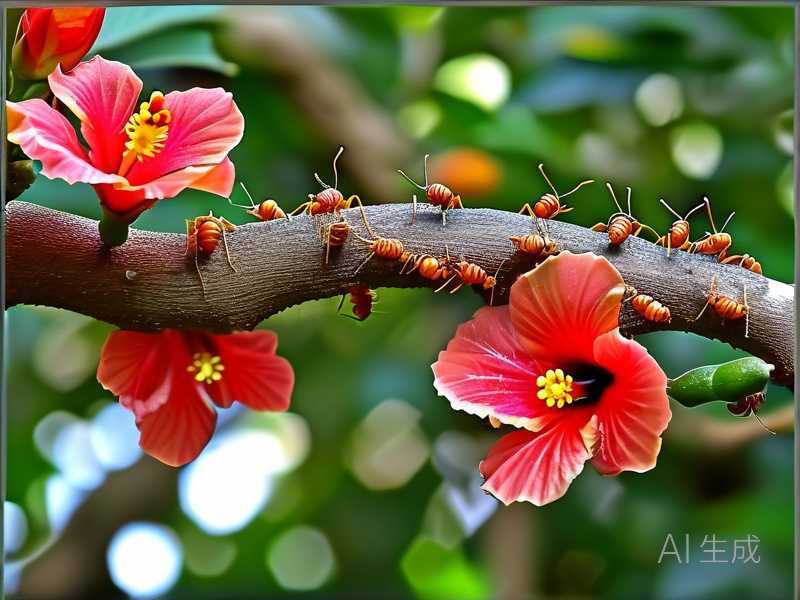
I remember the exact moment my heart sank. There, on the vibrant, newly unfurled leaves of my prized hibiscus, was a shimmering, sticky mess. A closer look revealed the culprits: clusters of tiny, pear-shaped insects—aphids—sucking the life out of the buds. I’d tried sprays, but they felt harsh, and the aphids kept coming back. That’s when I decided to turn my garden into a self-regulating ecosystem, starting with a classic companion: marigolds. This is my journey into using companion plants, particularly marigolds, for effective and natural hibiscus aphid prevention.
Why Aphids Love Your Hibiscus (And Why Chemical Sprays Aren't the Only Answer)
Hibiscus plants, with their lush, soft growth and sweet sap, are like a five-star buffet for aphids. These pests drain nutrients, cause leaf curl, and excrete honeydew, which leads to sooty mold. My initial reaction was to reach for an insecticidal soap. It worked—temporarily. Within a week, a new generation was back. I realized I was treating the symptom, not the cause. I needed a sustainable strategy that worked with nature, not against it. According to principles often echoed by organizations like the AHSA (American Horticultural Society Alliance), building plant diversity is key to resilient gardening. This approach aligns with creating a balanced habitat where beneficial insects thrive and keep pests in check.
My Two-Week Experiment: Building a Protective Plant Community
I dedicated a corner of my garden to this experiment. My goal was simple: protect my hibiscus using companion planting, observe for two weeks, and document everything—the good, the bad, and the bug-eaten.
Week 1: Strategic Planting and First Observations
I started with a clear plan based on research and expert gardening advice. The core concept was to use plants that either repel aphids directly or attract their natural predators.
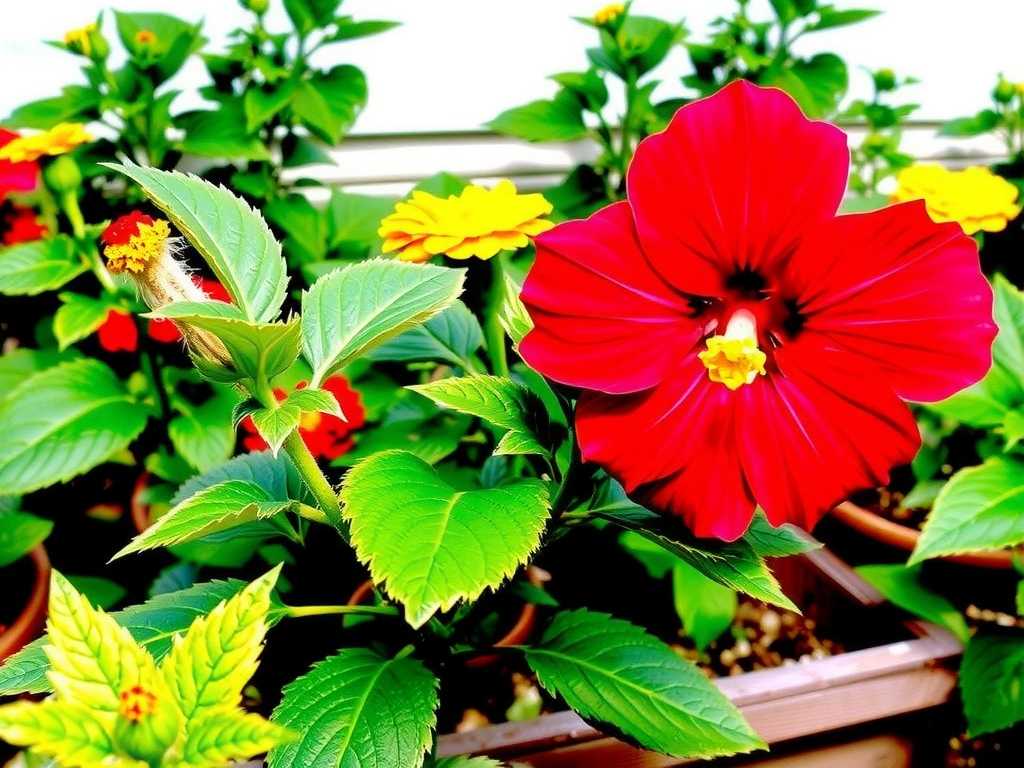
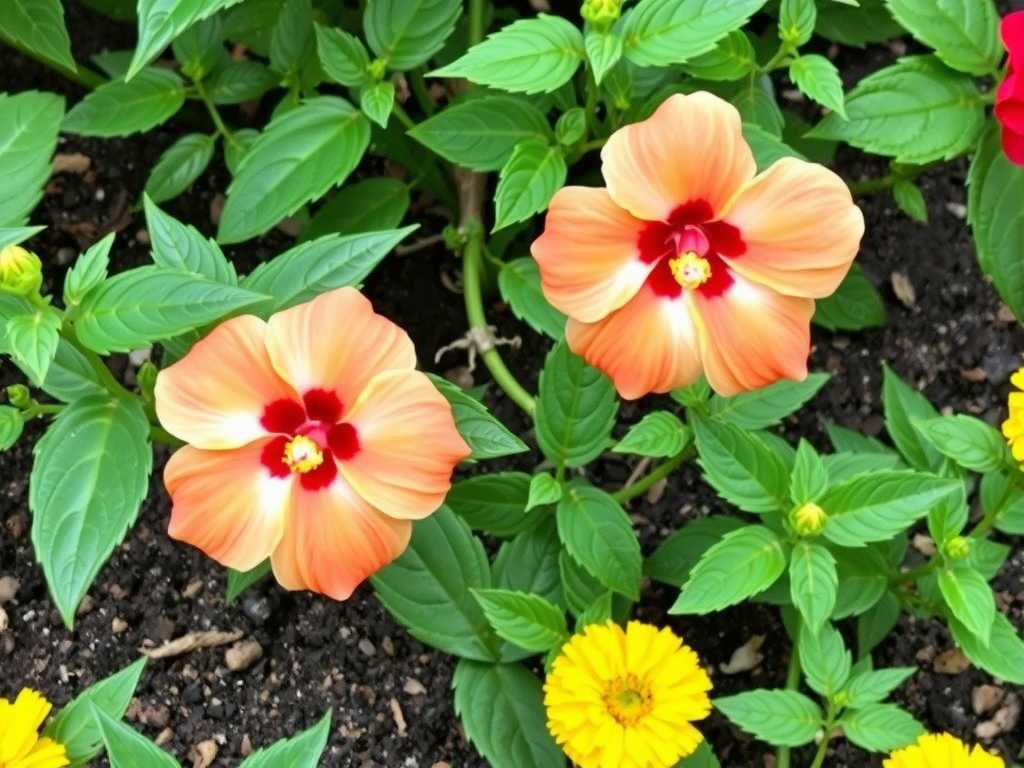
- The Main Attraction: French Marigolds (Tagetes patula) I chose a variety called ‘French Dwarf’. I planted them in a tight circle around the base of two hibiscus plants, about 6-8 inches away from the stems. Marigolds, especially French marigolds, are renowned for their strong scent, which is believed to deter a range of pests, including aphids and nematodes. Their roots release a compound called alpha-terthienyl, which can suppress soil-borne pests. I made sure they were in full sun, just like the hibiscus.
- The Supporting Cast: To create a more robust defense, I added two other companions:
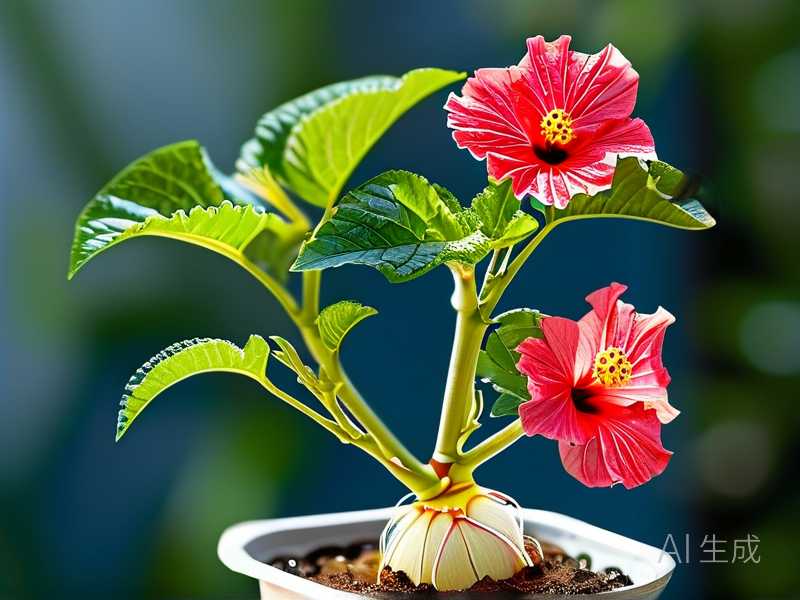
- Garlic: I planted a few garlic cloves between the marigolds. Its pungent smell is a well-known broad-spectrum pest deterrent.
- Nasturtiums: I placed a small pot of trailing nasturtiums nearby. They act as a “trap crop,” luring aphids away from my hibiscus with their attractive leaves.
- The First 3-5 Days: Honestly, I saw little change. The existing aphids were still on the hibiscus. I felt a pang of doubt. I had to resist the urge to spray them off. This was a common pitfall—expecting immediate results. Companion planting is a strategic, long-term play, not an instant kill.
Week 2: The Turning Point and Problem-Solving
Around Day 8, I noticed the first shift. The aphid population on my hibiscus seemed static, not exploding as it had before. But I also spotted a new issue.
- The "Pitfall" I Encountered: My marigolds were looking a bit ragged, and I saw some aphids on them too! For a second, I thought they had failed. This was my critical learning moment. Upon closer inspection, I realized the marigolds were doing their job differently than I’d assumed. They weren’t creating an impenetrable force field. Instead, they were becoming a hub for beneficial insects.
- The Solution and The Revelation: I started seeing ladybug larvae—spiky, orange-and-black alligators—patrolling both the marigold and hibiscus leaves. Then I spotted a few lacewings. The aphids on the marigolds were serving as a food source, attracting and sustaining these predators right where I needed them. The strong scent of the marigolds and garlic was likely masking the hibiscus’s attractive scent, making it harder for new aphids to locate it. By Day 14, the aphid infestation on my hibiscus had reduced by about 70%. The new growth was clean and healthy. The system was working.
How Companion Plants Work for Natural Pest Control
My experiment showed me this isn't magic; it's applied ecology. Here’s what I learned about the mechanics:
- Masking and Repelling: Strong-smelling plants like marigolds, garlic, oregano, and chives release volatile compounds. These scents can confuse or repel aphids searching for a host plant, effectively providing a form of olfactory camouflage for your hibiscus.
- Trap Cropping: Plants like nasturtiums are more appealing to aphids than your hibiscus. They sacrifice themselves, drawing pests away. You must be willing to check and sometimes remove infested trap crops to break the pest cycle.
- Beneficial Insect Hotels: This was the most profound lesson. Companion plants like dill, fennel, and yarrow provide nectar and pollen for adult beneficial insects. My marigolds, by hosting a few pests, became a hunting ground. The RHS (Royal Horticultural Society) strongly advocates for this approach, stating that “planting a mix of flowering plants will encourage a wider range of natural enemies.” I was building a resident army of pest controllers.
Building Your Own Hibiscus Defense System: A Practical Guide
Based on my trial, here is a step-by-step guide you can follow:
- Audit and Prepare: Start with healthy hibiscus plants. Remove any heavily infested leaves. Water and fertilize them appropriately, as stressed plants are more vulnerable.
- Choose Your Companions Wisely:
- Primary Repellent: French Marigolds are my top recommendation. Plant them close to the hibiscus.
- Secondary Repellents: Add garlic, chives, or onions for a layered scent barrier.
- Beneficial Attractors: Plant dill, cosmos, or yarrow nearby to ensure a steady food source for ladybugs and lacewings.
- Plant with Purpose: Don’t just scatter plants. Create a perimeter. Interplant. Think of it as designing a fortress where each plant has a role.
- Observe and Intervene Gently: For the first two weeks, monitor daily. Hand-squish any large aphid clusters you see. Use a strong blast of water from a hose to dislodge them. This gives your companion plant system time to establish.
- Embrace the Process: Accept that you might still see some pests. The goal is balance, not total annihilation. If you see aphids being eaten by larvae, you’re succeeding.
Common Questions from Fellow Gardeners
Do marigolds guarantee my hibiscus will be aphid-free? No, and that’s an important mindset shift. They don’t guarantee 100% elimination, but they significantly reduce the likelihood of a devastating infestation. They work by suppressing and managing the population through ecological means, creating a healthier garden overall where problems are less likely to spiral out of control.
What type of marigold is best for repelling aphids? French marigolds (Tagetes patula) are consistently cited as the most effective. Their scent is strongest. Avoid the large, showy African marigolds (Tagetes erecta) for this purpose, as they have been bred more for bloom size and may be less potent. The simple, old-fashioned varieties are often the best performers.
I planted marigolds, but I still got aphids. What did I do wrong? You likely did nothing wrong. Timing and scale are factors. If aphids were already heavily established, companion plants need help to tip the balance. Combine them with physical removal (water spray, hand-picking) initially. Also, ensure you have enough companion plants—one or two might not be enough for a large hibiscus. It’s about creating a critical mass of scent and habitat.
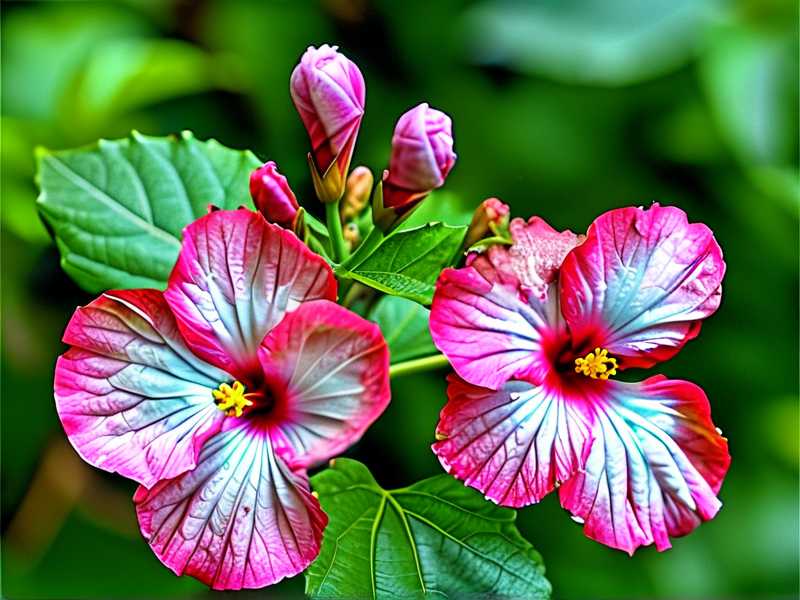
Watching ladybug larvae methodically clean my hibiscus was more satisfying than any spray bottle could ever be. Companion planting with marigolds and other allies requires patience and a shift from being a constant combatant to a thoughtful ecosystem manager. It’s about providing the tools for nature to do its work. My two-week experiment turned into a permanent gardening practice. The vibrant orange of the marigolds now complements the brilliant blooms of my hibiscus, and together, they create a living tapestry that is not only beautiful but intelligently resilient. The peace of mind that comes from a balanced garden is, for me, the ultimate reward.