bluename
Control Leafhoppers on Hibiscus: My Complete Guide to Using Insecticidal Soap Spray
I’ve spent countless mornings admiring my hibiscus, only to have my joy stolen by the sight of tiny, wedge-shaped insects leaping from leaf to leaf, leaving behind a telltale speckling of white or yellow dots. If you’re here, you know the frustration. Leafhoppers on hibiscus are more than a nuisance; they’re sap-sucking menaces that can stunt growth, distort beautiful blooms, and spread disease. After trying various remedies, I found a method that is effective, affordable, and aligns with my desire to garden responsibly: a targeted insecticidal soap spray. This guide isn’t just theory; it’s my detailed, two-week journey from problem to solution, including the mistakes I made and how I fixed them.
Understanding Your Enemy: The Hibiscus Leafhopper
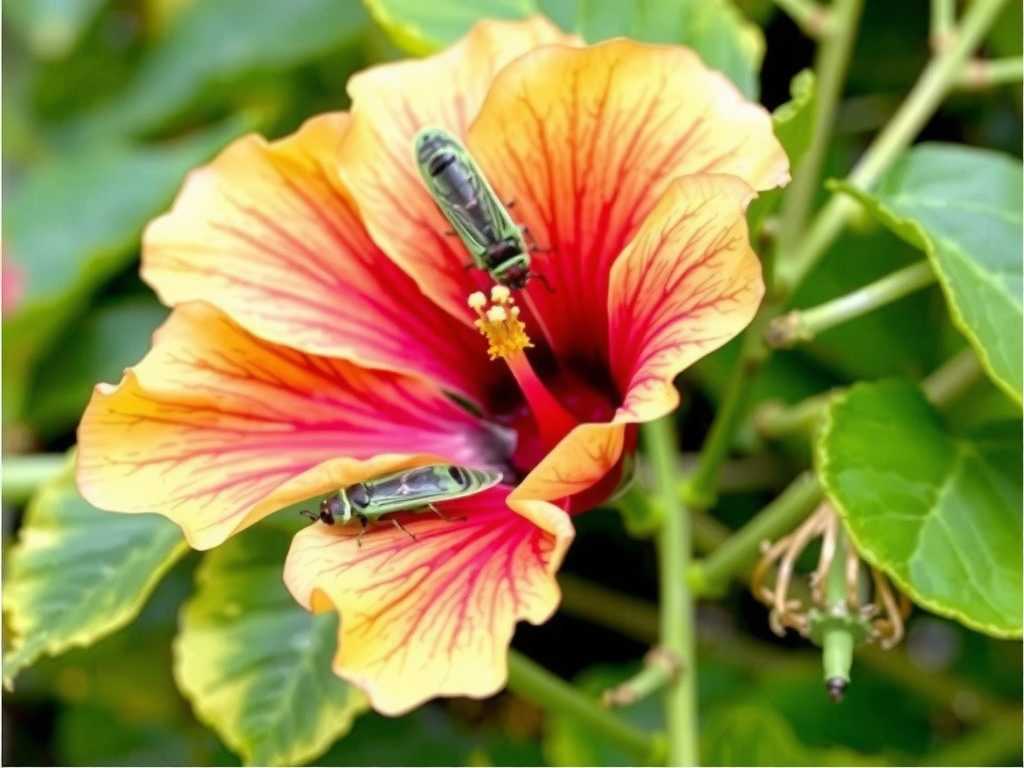
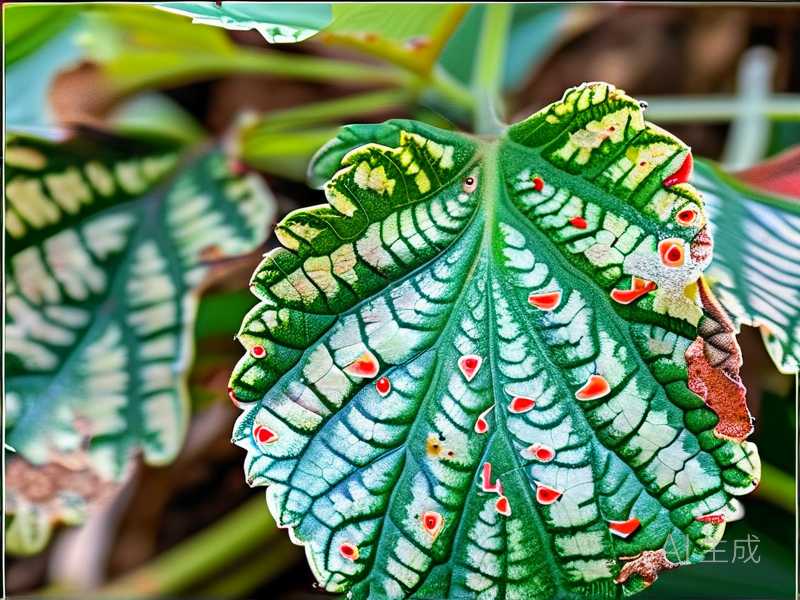
Before you spray anything, you need to know what you’re fighting. Leafhoppers are agile, small insects that feed by piercing plant cells and sucking out the contents. The damage, called stippling, looks like countless tiny pale dots. As they feed, they excrete a sticky substance called honeydew, which can lead to sooty mold. Most critically, some species are vectors for plant diseases. According to resources from the American Horticultural Society (AHA), managing pests like leafhoppers early is key to preventing long-term damage and maintaining overall plant health. My battle began when I noticed not just stippling, but also a slight curling on the edges of new leaves—a classic sign.
Why I Chose Insecticidal Soap for Leafhopper Control
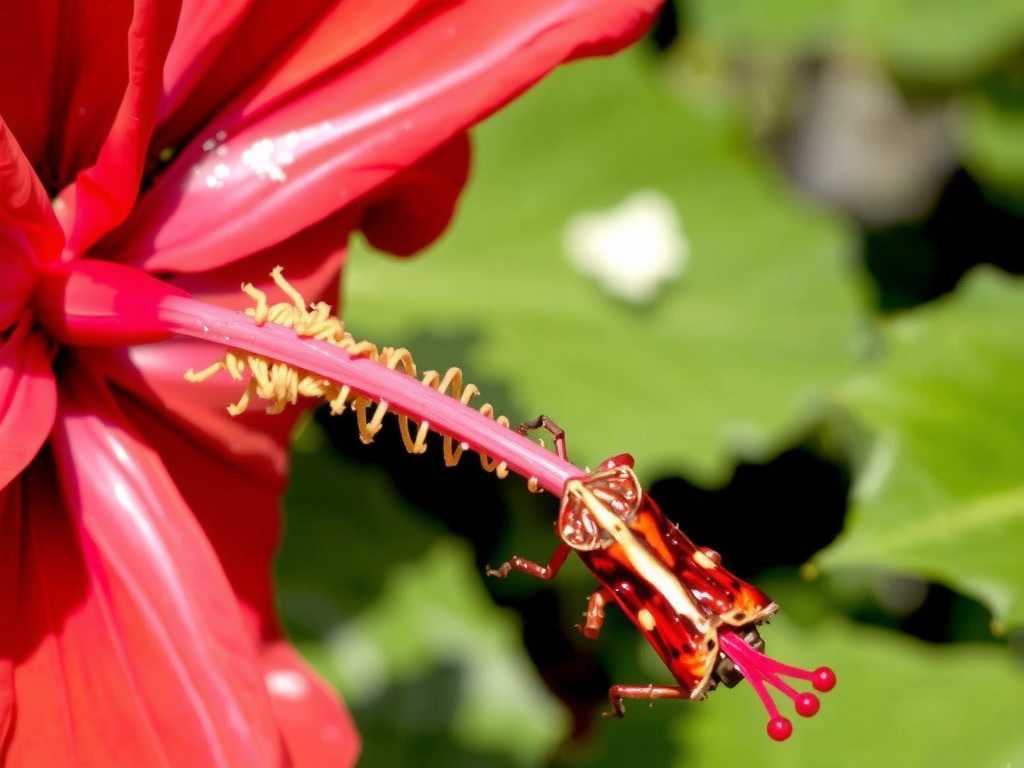
The market is full of chemical insecticides, but I wanted a option that was kinder to my garden’s ecosystem. Insecticidal soap stood out. It’s not a traditional “soap” but a specially formulated potassium salt of fatty acids. Its mode of action is mechanical: it breaks down the insect’s protective waxy coating (cuticle), causing them to dehydrate and die. The Royal Horticultural Society (RHS) notes its particular effectiveness against soft-bodied pests like aphids, mites, and young leafhoppers, with minimal residual impact when used correctly. It was the perfect fit for my leafhopper treatment plan: targeted, with a lower risk to beneficial insects like ladybugs and bees once the spray has dried.
My Step-by-Step Process for Application and Observation
Here is the exact how to apply insecticidal soap routine I followed, refined through trial and error.
Preparation is Everything
First, I gathered my supplies: a commercial, ready-to-use insecticidal soap spray (I chose one clearly labeled for use on ornamentals), a separate clean spray bottle for a DIY version later, a small fan, and gardening gloves. I decided to test the commercial product first for consistency. The most crucial step, which I learned the hard way, is to test the spray on a small, inconspicuous part of the hibiscus. Some plant varieties can be sensitive. I waited 48 hours and saw no leaf burn, so I proceeded.
The Initial Application: Thoroughness is Key
I timed my application for a calm, overcast morning when temperatures were below 85°F (29°C) to prevent rapid evaporation and potential leaf scorch. I meticulously sprayed every part of the plant—the tops and undersides of hibiscus leaves (the leafhoppers’ favorite hiding spot), along stems, and around buds. The goal is to coat the insects directly. I made sure the leaves were dripping wet. I avoided spraying any open flowers to protect visiting pollinators. This first round felt promising.
The Two-Week Monitoring and Reapplication Schedule
Insecticidal soap has no lasting residual effect. It only works on contact. To break the life cycle of the leafhoppers, a consistent schedule is non-negotiable. Here was my plan:
- Day 1: Initial thorough application (as above).
- Day 4: I inspected closely. I saw many dead, brown leafhoppers, but a few live nymphs (young ones) were still moving. I performed a second full application, again focusing on leaf undersides.
- Day 7: The population was drastically reduced. I spot-sprayed only the areas where I saw any activity.
- Day 11: Another full inspection. I found almost no live leafhoppers, and the new growth showed no stippling.
- Day 14: Final check. The infestation was controlled. I gave the plants a gentle rinse with water to wash off any honeydew residue.
The Problems I Encountered and How I Solved Them
It wasn’t all smooth sailing. My first mistake was using a homemade dish soap mixture early on. I thought I was being clever, but common dish soaps contain degreasers and additives that can severely damage plant leaves. I caused phytotoxicity—leaf burn that looked worse than the pest damage! I immediately rinsed the plants and switched to a proper commercial insecticidal soap formula, which is specifically designed for plants.
My second challenge was persistence. After the first spray, I thought I was done. The leafhoppers came back because eggs had hatched. This taught me the critical lesson of the follow-up spray schedule. The 4-day and 7-day reapplications were absolutely vital to kill newly hatched nymphs before they could mature and lay more eggs.
Finally, I learned that a stressed plant is a target. My infested hibiscus was in a slightly too-sunny, dry spot. As part of my organic pest control for hibiscus strategy, I improved the plant’s health by adjusting its watering schedule to keep the soil consistently moist (but not soggy) and providing a light dose of balanced fertilizer. A healthy plant is more resilient.
Integrating Insecticidal Soap into a Holistic Defense
Insecticidal soap is a powerful tool, but it works best as part of a broader strategy. I now regularly hose down my hibiscus with a strong jet of water in the early morning to dislodge early-stage pests. I’ve planted companion flowers like marigolds and garlic nearby, which seem to have a repellent effect. Most importantly, I inspect my plants weekly, looking under leaves. Early detection makes control with insecticidal soap quick and easy, truly embodying an effective organic pest control routine.
Common Questions About Using Insecticidal Soap
Will insecticidal soap kill ladybugs and bees? Direct, wet spray will harm them. This is why I apply early in the morning or at dusk when bees are less active and avoid spraying open flowers. Once the spray has completely dried, the risk to beneficial insects is significantly reduced.
Can I use it on a hot, sunny day? I strongly advise against it. The combination of soap and intense sun can easily scorch leaves, causing brown spots. Always apply during cooler, cloudier parts of the day for the safest leafhopper treatment.
Is it safe for all my plants? No. While safe for most ornamentals like hibiscus, some plants are sensitive. Always, without exception, test on a few leaves first and wait 48 hours. Plants with fuzzy leaves or delicate tissues may be more prone to damage.
Seeing my hibiscus bounce back was incredibly rewarding. The vibrant green returned to the leaves, and the flower buds developed without distortion. Controlling leafhoppers with insecticidal soap spray required patience, observation, and a commitment to the process, but it proved to be an effective and responsible solution. By understanding the pest, using the right product correctly, and supporting your plant’s overall health, you can reclaim your garden’s beauty and enjoy those stunning blooms, pest-free.