 bluename
Control Slugs on Hibiscus: Copper Tape to Repel Pests
There’s nothing more disheartening than waking up to find your prized hibiscus leaves transformed into a lacy, chewed-up mess overnight. I’ve been there, watching those beautiful, vibrant blooms struggle as slimy invaders feast on their foliage. If you’re reading this, you’re likely in the same battle, searching for a solution that is effective, long-lasting, and safe for your garden’s ecosystem. After trying everything from hand-picking to beer traps, I finally turned my attention to a method often touted in gardening circles: copper tape to repel pests. Specifically, I wanted to see if it could truly control slugs on hibiscus plants. This is my hands-on, two-week journey from skepticism to surprising results, including all the mistakes I made and how I fixed them.
Why Slugs Target Hibiscus and Why Copper Might Work

Hibiscus plants, with their large, soft, moisture-rich leaves, are essentially a gourmet salad bar for slugs and snails. These pests are most active at night and in damp conditions, making well-watered hibiscus a prime target. Traditional pesticides can harm beneficial insects and feel too harsh for many home gardeners, leading the search towards physical barriers.
The science behind copper as a repellent is fascinating. According to studies referenced by organizations like the Royal Horticultural Society (RHS), slugs and snails experience a reaction similar to an electric shock when their mucus comes into contact with copper. This interaction, a mild electrochemical reaction, deters them from crossing the barrier. It’s a concept that promised a non-toxic, weather-resistant solution. But does it work in a real-world garden setting? I was determined to find out.
My Step-by-Step Guide to Applying Copper Tape
Before starting, I gathered my supplies: a roll of high-quality, adhesive-backed copper tape (at least 2 inches wide), a pair of scissors, a clean cloth, and rubbing alcohol. Preparation is key.
Step 1: Selecting and Preparing the Pots My test subjects were three potted hibiscus plants of similar size, all showing fresh slug damage. I moved them to a standalone patio area to isolate the experiment. First, I thoroughly cleaned the rim and outer surface of each pot with the cloth and rubbing alcohol. This removes dirt, algae, and oils, ensuring the copper tape adhesive would bond firmly. A clean surface is non-negotiable for long-term adhesion.
Step 2: Applying the Copper Barrier Here’s where I made my first critical mistake. On the first pot, I simply wrapped a single band of tape around the center of the pot. I quickly realized this was flawed. Slugs on the soil inside could still reach the plant, and slugs on the ground could climb the outside of the pot and drop down from the rim. The barrier must be continuous and impossible to bypass.
The correct method, which I used on the remaining two pots, is as follows:
- I applied the tape along the very top rim of the pot, ensuring it formed a complete, unbroken circle. I overlapped the ends by about an inch.
- I then applied a second band of tape around the outside of the pot, about halfway down. This creates a defensive “moat” that slugs climbing from the ground cannot cross.
- I pressed firmly along the entire length of the tape, especially at the overlap, to secure it.
Step 3: Creating a Standalone Defense for In-Ground Plants For hibiscus planted directly in my garden bed, the approach was different. I cut strips of copper tape and attached them to thin, rigid plastic strips (old blinds work perfectly). I then inserted these strips into the soil, forming a complete circle around the base of each plant, creating a vertical copper wall. The key is to ensure there are no gaps and that no leaves or stems are touching the ground outside this circle, creating a bridge for the pests.
The Two-Week Observation: What Actually Happened?
I committed to daily dawn and dusk inspections for 14 days, documenting damage and any slug activity.
Days 1-3: The Initial Test The first night was telling. I found several slugs on the ground near the pots with the proper double-band application, seemingly deterred from climbing. On the first pot with only the single mid-pot band, I found a slug happily munching on a leaf—it had clearly been on the soil inside the barrier already. This immediately confirmed the importance of placement. I re-taped that pot correctly.
Days 4-7: Weathering a Storm Around day five, we had heavy rain. This was my second worry: would the tape peel? The high-quality tape held firm on the cleaned surfaces. The cheaper roll I’d initially bought for one pot did start to curl at the edge. My fix was to use a small staple (carefully placed to not crack the pot) to secure the lifting section, then cover it with a fresh piece of tape. Lesson learned: invest in a good, thick, adhesive-backed copper tape from the start.
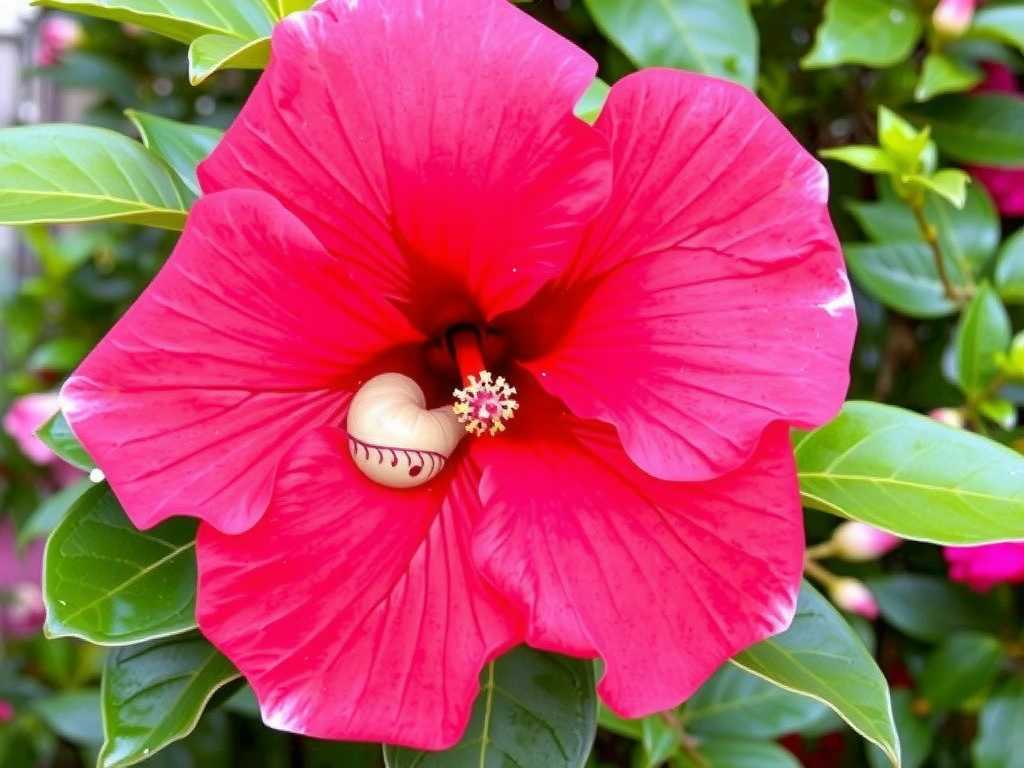
Days 8-14: Clear Results Emerge By the end of the first week, new leaf growth on the protected plants was completely untouched. Existing damage remained, but no new holes appeared. In contrast, my unprotected control plant (a different hosta I left nearby) continued to get ravaged. The most compelling evidence was visual: I would see slugs approach the pot, touch their tentacles to the copper, and immediately change direction. The copper tape slug barrier was functioning exactly as the theory suggested.
Common Pitfalls and How to Solve Them
My experiment wasn’t without hiccacks. Here’s what can go wrong and how to handle it:
- Pitfall 1: Incomplete or Single Barriers. As I discovered, a single band can be useless. Slugs are persistent climbers. The solution is a continuous, unbroken barrier on the top rim and the pot’s side, or a complete vertical fence for in-ground plants.
- Pitfall 2: Poor Surface Preparation. If the tape is applied to a dirty or damp surface, it will fail. Always clean and dry the area thoroughly first.
- Pitfall 3: Foliage Bridges. A leaf or stem touching the ground, a wall, or another plant outside the copper ring creates a highway for slugs. Regularly prune lower leaves to maintain a clear gap.
- Pitfall 4: Copper Patina. Over time, copper oxidizes and turns green. Some gardeners worry this reduces effectiveness. However, authorities like the RHS note that the patina does not significantly hinder the repellent effect. The tape remains functional for an entire season or longer.
Integrating Copper Tape into a Holistic Pest Management Plan
While the copper tape proved highly effective as a physical shield, I view it as part of a broader strategy. The American Horticultural Society (AHA) emphasizes integrated pest management (IPM), which starts with cultural practices.
- Reduce Habitat: I cleared mulch and debris from immediately around my hibiscus pots, removing daytime hiding spots for slugs.
- Water in the Morning: I adjusted my watering schedule to early morning, so the soil surface was drier by evening, making the area less attractive to moisture-loving slugs.
- The Tape as the Final Guard: With these practices in place, the copper tape for hibiscus plants acted as the ultimate perimeter defense, stopping any determined individuals that still approached.
Frequently Asked Questions
Will copper tape harm my plants, pets, or beneficial insects? No. Copper tape is completely inert to the plant and non-toxic. It acts as a passive barrier, not a poison. It does not affect soil chemistry, pets, or insects like bees and ladybugs that fly to the plant. It solely interacts with the slime of mollusks.
How long does the copper tape protection last? A well-applied, high-quality copper tape barrier can last an entire growing season, often longer. Its effectiveness does not wear out, though you may need to replace it if it becomes physically damaged or loses adhesion. Check the tape periodically, especially after extreme weather.
Is copper tape effective against all garden snails and slugs? It is highly effective against most common species. The reaction is based on their physiology. However, very large slugs might sometimes power across if sufficiently motivated by hunger. This is why combining the tape with other habitat-reduction methods (like dry perimeter soil) creates an unbeatable defense system for your hibiscus.
Seeing my hibiscus finally put forth lush, unblemished leaves and vibrant flowers without the constant threat of slugs has been incredibly rewarding. The journey taught me that success lies in the details: the quality of the tape, the meticulousness of the application, and integrating it into smarter gardening habits. It’s a simple, clean, and remarkably effective solution that lets you and your hibiscus enjoy the garden in peace.





