bluename
How to Prevent Ant Nests Inside Hibiscus Branch Crotches from Sheltering Pest Eggs
If you have ever spotted ants marching up and down your hibiscus, disappearing into the fork where two branches meet, you are not alone. Ants love those tight little branch crotches. The problem is not always the ants themselves. The real issue is that ant nests inside hibiscus branch crotches can shelter pest eggs from aphids, scale, mealybugs, and whiteflies. Those ants farm the pests and protect the eggs through bad weather and predators. I learned this the hard way on a mature hibiscus by my back porch. Over two weeks, I tested a simple cleaning and prevention routine that stopped the ants and broke the pest cycle. Here is exactly what worked, what failed, and how to keep your hibiscus crotches clean without harming the plant.
90% of indoor plants die from overwatering. But outdoor hibiscus usually suffer from a different kind of neglect. We miss the small stuff. The branch joints, the old leaf bases, the crusty little pockets where ants build nurseries for pest eggs. Let me walk you through the whole process.

What Actually Attracts Ants to Hibiscus Branch Crotches
Ants do not chew healthy hibiscus wood. They are not carpenter ants in most garden cases. What they want is shelter plus food. The crotch of a hibiscus branch is a natural pocket. It collects debris, dust, old flower bracts, and honeydew from sap-sucking insects. Honeydew is the sugary waste from aphids, mealybugs, and scale. Ants feed on it. So they set up inside those tight angles and defend their food source.
I have inspected dozens of hibiscus plants over the years. The worst ant activity always shows up where branches split at a narrow V angle. The bark there is rough. Debris accumulates. Moisture lingers after rain or watering. It becomes a perfect hidden nursery. Pest eggs sit inside the debris, protected from wind, rain, and beneficial insects. The ants move those eggs around like tiny livestock.
How to Inspect a Hibiscus for Ant Nests in Branch Crotches
Grab a flashlight and a wooden skewer. Do this in the morning when ants are active. Look into every branch fork, especially on the inner canopy. You are checking for small piles of fine soil, plant fuzz, or dark crust. Ants often build loose carton nests from plant fibers and wood particles. It looks like a tiny clump of dirt stuck in the armpit of the branch.
I gently probe with the skewer. If ants pour out, you found a nest. If you see white grains or oval specks mixed in, those could be pest eggs. Don't panic. The fix is straightforward if you act before the branch is damaged.
Step-by-Step: How I Stopped Ant Nests Inside Hibiscus Branch Crotches
I tested this routine on two hibiscus shrubs in my garden. One had a moderate ant colony in three branch forks. The other had a long-standing infestation with scale insects on the inner stems. Here is the exact sequence I used.
Step 1: Blast the Crotches with a Sharp Stream of Water
I used a garden hose with a jet nozzle. Nothing crazy. Just a focused spray to dislodge loose nest material, ants, and honeydew residue. I did this for about fifteen seconds per affected branch fork. The goal was not to strip bark. Just wash out the debris.
After the first rinse, I let the plant dry for two hours. You need the surface to be damp but not dripping before the next step. If you apply treatments to a soaking wet plant, they dilute too fast.
Step 2: Apply a Mild Horticultural Soap Solution
I mixed one tablespoon of pure liquid castile soap in one quart of water. No detergents with degreasers or synthetic fragrances. Those can burn hibiscus leaves. I used a small brush to scrub each branch crotch manually. A soft toothbrush works well. The soap breaks the ants’ scent trails and suffocates soft-bodied pests and exposed eggs on contact.
I scrubbed gently in a circular motion. Then I rinsed with the hose again. This step removed most of the sticky honeydew and eggs trapped in the rough bark. I repeated the scrub after five days because new ant scouts will probe the old sites.
Step 3: Use a Targeted Ant Bait Station Nearby
This was the real turning point. Spraying only kills the ants you see. The colony returns from nearby. I placed a liquid ant bait station at the base of each hibiscus, but not touching the trunk. The bait uses a borax-based solution. Worker ants carry it back to the nest. It collapses the colony in about five to seven days.
I avoided sprinkling dry ant killer around the root zone. That can shift soil chemistry and hurt the hibiscus. Bait stations are cleaner and safer around pets if placed inside a covered holder.
Step 4: Create a Physical Barrier on the Trunk
After the crotch cleaning, I applied a thin band of sticky horticultural glue around the main trunk, about one foot above the soil. I used a ready-made tree foot barrier product. It stops ants from climbing back up. You must first make sure no branches touch the ground or nearby structures. Ants will use grass blades, stakes, or a fence as a bridge. I trimmed a low branch that was touching my porch rail. That one branch had been a highway for ants.
Step 5: Remove the Food Source
Aphids and scale produce the honeydew that feeds ants. Without honeydew, ants lose interest. I inspected the hibiscus leaves, buds, and stems. I found a few clusters of aphids on new growth and a patch of soft brown scale on one older branch. I removed the scale with a cotton swab dipped in rubbing alcohol. Then I sprayed the new growth with the same mild soap solution. Within ten days, the honeydew was gone, and ant pressure collapsed.
Two-Week Observation Diary of the Hibiscus Ant Treatment
Day 1–2: After the first rinse and soap scrub, I saw fewer ants by evening. But a small line returned the next morning. They were probing the same crotches. No new nest material yet.
Day 3–5: I put out the bait station. Ant activity spiked for one day as workers fed. Then it dropped sharply. I spotted dead ants near the bait. Not many inside the branch crotches.
Day 6–8: The second soap scrub removed a faint residue that had re-formed. By day eight, no live ants were visible in any branch fork. I still checked morning and evening.
Day 9–12: A few stray ants visited the trunk. They reached the sticky band and turned back. No ants made it into the canopy. The crotches stayed clean and dry.
Day 13–14: I did a final inspection at sunrise. Zero ants in the branch crotches. The aphids were gone. New hibiscus buds were opening without sticky residue. I kept one bait station in place for another week as a buffer.
This two-week process taught me one big lesson. You cannot just spray the ants and walk away. You have to remove the shelter, cut the food pipeline, and block re-entry. Otherwise the same nest returns in five days.
Common Mistakes That Make Ant Nests Worse
The first mistake is reaching for broad-spectrum insecticide immediately. Yes, it kills ants on contact. It also kills the beneficial insects that eat aphid eggs and scale crawlers. The pest problem often rebounds worse. I tried that on my first hibiscus years ago. I wiped out everything and then got a massive mealybug outbreak. Never again.
The second mistake is ignoring the branch architecture. Hibiscus often grows dense twiggy clusters. If you never thin the interior, air movement drops. Crotches stay humid and dark. Ants love that. I now prune crossing branches once or twice a year to open up the canopy. It makes inspections easier too.
The third mistake is using petroleum jelly or axle grease as a trunk barrier. It works briefly, but it can soften and burn hibiscus bark in hot sun. Use proper horticultural glue designed for trees. It lasts longer and does less damage.
Long-Term Prevention for Hibiscus Branch Crotches
Prevention is really about cleanliness and observation. I inspect my hibiscus every weekend during warm months. It takes three minutes. I look at five random branch forks, the undersides of new leaves, and the top few inches of soil.
I wash the canopy once a month with a gentle hose spray. This knocks off dust, pollen, and the first traces of honeydew. I avoid watering late in the evening. Wet foliage overnight invites fungal issues and keeps branch crotches damp. Morning watering allows the plant to dry by afternoon.
I also keep a small mulch-free ring around the trunk. Ants like to nest under moist mulch and then climb up. A clean four-inch gap reduces that pathway. The soil still gets shade from the hibiscus canopy, so the roots stay cool.
Soil and Drainage Notes That Help Reduce Ant Pressure
Healthy hibiscus plants are less attractive to sap-sucking pests. And sap-sucking pests are the main draw for ants. So soil health matters. I use a mix of two parts quality potting soil, one part perlite, and one part pine bark fines for container hibiscus. For in-ground plants, I amend heavy clay with compost and coarse sand to improve drainage.
Soggy soil weakens hibiscus roots. It also raises humidity around the lower canopy. That creates a better microclimate for aphids and ants around the base. If the soil stays too wet, fix the drainage first. Let the top inch or two dry before deep watering. In hot weather, I water deeply three times a week. In cooler weather, once a week or less. I never use a saucer under a pot that holds standing water for more than thirty minutes.
Light and Airflow Also Play a Role
Ant nests inside hibiscus branch crotches are more likely in dense, shaded canopies. My hibiscus gets full morning sun and light afternoon shade. That is the sweet spot here in a hot summer climate. If your plant is in deep shade, it grows leggy and soft. Pests attack stressed soft growth. I moved one hibiscus from a shaded side yard to a brighter spot. The ant and aphid pressure dropped within a month. The plant also bloomed more.
If you live in a hotter region like parts of Texas or Arizona, give hibiscus afternoon shade. But do not bury it in a dark corner. Six hours of direct sun is a good baseline for most hibiscus. More sun means faster drying of branch crevices after rain or irrigation. Ants prefer stable moisture. A dry crotch is less inviting.
Fertilizing Without Feeding the Pest Cycle
I used to over-fertilize my hibiscus. Big mistake. High nitrogen pushes soft, juicy new growth. Aphids and mealybugs flock to that. More pests, more honeydew, more ants. Now I use a balanced fertilizer with a moderate nitrogen number. Something like a 10-10-10 or a hibiscus-specific formula. I feed every two weeks during active growth at half strength. In fall and winter, I stop feeding entirely.
Healthy but not over-pushed growth is firmer. Pest insects have a harder time piercing the tissue. The crotches stay cleaner. The plant still blooms heavily because hibiscus flowers respond to steady, balanced nutrition rather than huge nitrogen spikes.
Pruning to Eliminate the Worst Ant Nesting Spots
I now prune my hibiscus twice a year. Early spring before the big growth push, and late summer after the main bloom flush. I remove branches that cross or rub. I open the center so light and air can pass through. I especially target narrow V-shaped forks that have already shown ant activity. Cutting one side of a tight fork early prevents a weak joint later.
When I prune, I make cuts just outside the branch collar. No stubs. Stubs die back and create little pockets for rot and ants. Clean cuts heal faster. I wipe my pruners with rubbing alcohol between plants to avoid moving pest eggs around.
Using Beneficial Insects as Backup
I have not released beneficial insects on purpose, but I have noticed lacewings and ladybugs show up when I stop spraying broad-spectrum products. Lacewing larvae eat aphid eggs. Ladybugs eat aphids and scale crawlers. They help break the cycle that attracts ants into the branch crotches in the first place. I plant a few small-flowered herbs nearby like dill and cilantro to support them. It is a slow, quiet fix that works over time.
What I Do in Winter for Cold-Climate Hibiscus
If you keep hibiscus in a pot and bring it indoors for winter, ants can hitchhike inside. Before moving any plant into the house, I hose down the canopy, scrub the branch crotches, and inspect the pot bottom. Ants often nest in the drainage holes. I submerge the whole pot in a bucket of water for about twenty minutes if I suspect ants in the soil. That flushes them out without chemicals. Then I let it drain completely before bringing it inside.
Indoors, I keep the plant in a bright window and water sparingly. The dry indoor air helps keep branch crotches arid. I still check weekly. One year I brought in a hibiscus with a hidden ant nest in a lower branch fork. I found ants trailing across my kitchen counter two days later. Now I inspect every single plant before the move.
A Closer Look at the Pest Eggs Ants Protect
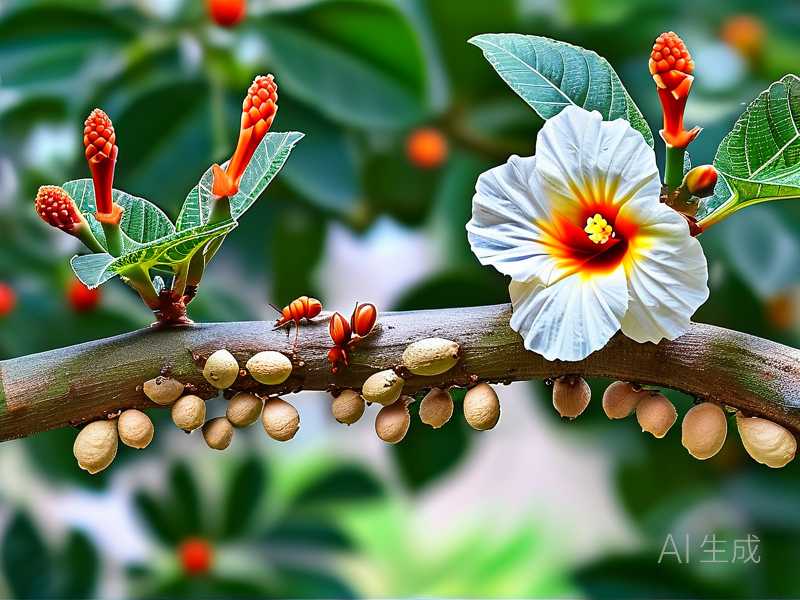
Aphid eggs are tiny and oval, usually yellow, green, or black. Scale eggs are hidden under the adult scale cover. Mealybug eggs sit inside white cottony masses. Whitefly eggs are pale and often laid in circles on leaf undersides. When ants nest inside hibiscus branch crotches, they carry some of these eggs into the debris. The eggs stay protected there until conditions are right.
The best non-toxic egg removal method I have used is manual removal plus horticultural soap. I wipe the crotch with a paper towel first to collect loose material. Then I scrub with the soap solution. Then I rinse. For heavy infestations, I follow with a light neem oil spray, but never in full sun. Neem can burn leaves if applied when temperatures are above 85°F.
Why I Avoid Vinegar and Boiling Water
I have seen people pour boiling water on ant nests. Not on hibiscus. That will kill plant tissue. Vinegar also damages foliage and shifts soil pH if it runs off. Stick to water, soap, manual scrubbing, bait stations, and physical barriers. Those methods are safer for the plant and for the soil life that helps your garden.
The Cost of Ignoring Ant Activity in Hibiscus
Ignoring ants is easy. They are small. They do not eat leaves. But they act as farmers. They protect the pests that suck sap and weaken the plant. Over time, you see sticky leaves, sooty mold, stunted blooms, and yellowing. The hibiscus loses vigor. It becomes more attractive to even more pests. A simple weekend check prevents months of repair.
I have brought back hibiscus plants that looked terrible. The turnaround usually starts with cleaning the branch crotches and reducing ants. Everything else follows.
Frequently Asked Questions About Ants in Hibiscus Branch Crotches
Are ants directly harming my hibiscus?
No, not usually by chewing. But they protect aphids, scale, and mealybugs in exchange for honeydew. Those pests cause leaf yellowing, bud drop, and sooty mold. Ants also build nests that hold moisture and debris against the bark, which can encourage rot in tight branch forks.
Can I use cinnamon or coffee grounds to repel ants from my hibiscus?
I have tried cinnamon. It is messy, washes away fast, and does not reliably kill the colony. Coffee grounds do very little once wet. For a real fix, you need to remove the nest material, reduce honeydew, and stop ant access with a proper barrier. Cinnamon can be a light temporary deterrent, but I don’t rely on it.
How often should I clean hibiscus branch crotches?
I do a quick inspection once a week. A more thorough wash with a hose happens monthly during spring and summer. If I see ants or sticky residue, I do the soap scrub right away. In fall before bringing plants inside, I do a full detailed cleaning. That rhythm has kept my hibiscus largely ant-free for several years.
A Practical Recap from My Own Garden
The hibiscus by my back porch was a mess two summers ago. Ants were nesting in three branch crotches. Aphids were clustered on the new shoots. A black sooty mold was forming on the lower leaves. I tried spraying the ants alone. They came back. I tried a dry ant powder near the base. It washed into the soil and I worried about the plant. What finally worked was the sequence I described: rinse, scrub, bait, barrier, and pest removal.
The branch crotches stayed clean for weeks. The hibiscus put out fresh green growth and bloomed heavily by late summer. That experience is why I now treat ant nests inside hibiscus branch crotches as a pest management priority, not just a minor annoyance. It is one of those quiet tasks that makes a huge difference in plant health.
For more detailed guidance on garden pest management and plant care, the Royal Horticultural Society has excellent practical resources online. I have also found useful region-specific advice from the American Horticultural Society. Both organizations emphasize integrated approaches that protect beneficial insects while managing pests. I try to follow that same balanced philosophy in my own garden.