bluename
How to Revive Potted Hibiscus When Most New Growth Distorts From Insect Feeding Harm
If your potted hibiscus is pushing out new leaves that come in curled, puckered, or twisted, and you can see tiny specks or sticky residue on the undersides, you're dealing with insect feeding damage. The short answer: isolate the plant, prune off the worst distorted growth, treat the pests (usually aphids, whiteflies, or thrips), flush the soil if you've been overwatering, and give it bright light with consistent moisture for two weeks. New growth should start emerging clean within 10 to 14 days if you catch it early enough.
I've killed more hibiscus than I'd like to admit. The first one drowned in a decorative pot with no drainage. The second fried on a south-facing windowsill in July. The third one — the one that finally taught me something — came back from the brink after a thrips infestation that turned every new leaf into a crinkled little fist. That plant is still alive three years later. Here's what actually worked.
Why Distorted New Growth Is Almost Always a Pest Problem
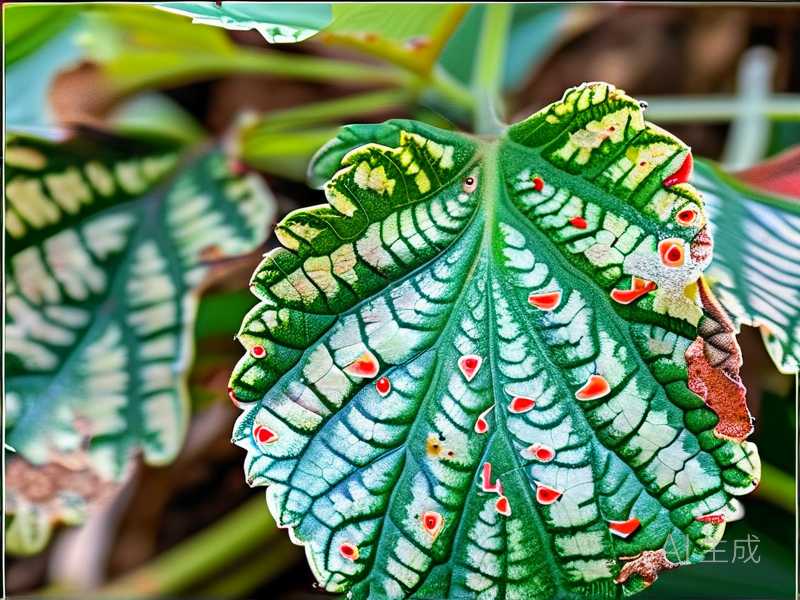
Hibiscus pushes new growth from the tips. When something is feeding on those tender tips, the leaves develop unevenly. Cells get damaged on one side and not the other. The result is curling, cupping, or that weird corkscrew look.
The usual suspects:
- Aphids — cluster on new tips, leave sticky honeydew
- Whiteflies — fly up in a cloud when you bump the plant
- Thrips — tiny, slender, love to feed inside developing leaf buds
- Mealybugs — white cottony blobs in leaf joints
According to the Royal Horticultural Society (RHS), thrips are particularly damaging to greenhouse and indoor hibiscus because they feed on the expanding tissue before it even unfurls. By the time you see distortion, the damage is already done.
The American Horticultural Society (AHS) notes that early intervention is critical — once pest populations establish, they reproduce fast enough to outpace most home remedies.
So step one is always: figure out what's actually feeding on your plant.
Step 1: Inspect Like You Mean It (Day 1)
Don't just glance at the plant. Flip the leaves. Look at the growing tips with a flashlight. Tap the pot over a white sheet of paper.
I use a cheap jeweler's loupe — 10x magnification. You can get one for under $10. It changed how I diagnose plants.
Here's my routine:
- Check undersides of at least 10 leaves
- Look inside the tight new growth at the tips
- Tap the pot over white paper and watch for movement
- Check for sticky residue on lower leaves
- Look for tiny black specks (thrips frass)
If you see tiny crawling things, you've got your answer.
Step 2: Prune the Distorted Growth
This hurts. I know. But those curled leaves aren't going to straighten out. They're spending the plant's energy for nothing.
Cut back to just above a healthy node. Use clean snips. Wipe them with alcohol between cuts if you're working on multiple plants.
I take off about a third of the damaged growth the first time. Not more. The plant needs leaves to photosynthesize.
Wait two weeks. If new growth still comes in distorted, prune again.
Step 3: Treat the Pests
This is where most people give up. They spray once, see bugs the next day, and assume nothing works.
Pest treatment is a commitment. It takes 2 to 3 weeks minimum.
What I use:
- Insecticidal soap — for aphids and whiteflies. Spray every 3 days for 2 weeks.
- Neem oil — for thrips and mealybugs. Spray every 5 days, in the evening.
- Spinosad — my nuclear option. Works on thrips when nothing else does.
The key is coverage. Spray the undersides. Spray the stems. Spray the soil surface.
I learned this the hard way. I used to just mist the top of the leaves and wonder why thrips kept coming back.
One more thing: isolate the plant. I didn't do this once and gave thrips to my entire windowsill collection. Took months to clean up.
Step 4: Fix the Growing Conditions
Pests attack stressed plants. A healthy hibiscus can shrug off a few aphids. A stressed one gets overrun.
Light
Hibiscus wants full sun. Indoors, that means a south or west window. At least 6 hours of direct light.
I tried growing one in an east window once. It survived but never thrived. The growth was weak and spindly, and pests loved it.
If you don't have a good window, get a grow light. A simple LED panel works fine. Keep it 6 to 12 inches above the plant.
Water
Here's the part that trips up almost everyone: 90% of indoor plants die from overwatering. Not underwatering. Overwatering.
I've drowned at least four hibiscus. Maybe five. I stopped counting.
The signs of overwatering look a lot like underwatering — yellowing leaves, dropping buds, wilting. So people water more. And the roots rot.
How I water now:
- Stick my finger two inches into the soil
- Water only if it feels dry at that depth
- Water until it runs out the drainage holes
- Empty the saucer after 10 minutes
In summer, that's about every 2 to 3 days for a potted hibiscus in bright light. In winter, maybe once a week. Sometimes less.
Humidity
Hibiscus likes humidity. 50% or higher. If your home is dry, group plants together or run a small humidifier.
I mist my hibiscus in the morning. Not because it raises humidity much, but because it helps me check the leaves daily.
Step 5: The 2-Week Observation Window
This is where I slowed down and actually watched.
Week 1, Days 1-3: Treated with neem oil. Removed the worst leaves. Moved the plant to a brighter spot.
Week 1, Days 4-7: No visible improvement. A few new leaves started to emerge but still looked slightly curled. I almost gave up.
Week 2, Days 8-10: New growth started coming in flatter. Not perfect, but better. The curl was less severe.
Week 2, Days 11-14: Clean new leaves. Still small, but no distortion. That's when I knew it was working.
By week 3, the plant was pushing normal growth again.
The Three Mistakes I See New Growers Make
1. Overwatering
I get it. Dry soil looks sad. But hibiscus roots need oxygen. Soggy soil suffocates them.
If you're not sure, wait another day. The plant will tell you when it's thirsty. Leaves droop slightly, then perk up after watering.
If it doesn't perk up within a few hours, the roots are probably already damaged.
Let the soil dry out. Repot into fresh, well-draining mix if it smells sour.
2. Wrong Light
Hibiscus is not a low-light plant. It's not even a medium-light plant. It wants sun.
I've seen people put them in bathrooms with tiny windows and wonder why they decline. That's not going to work.
Put it in your brightest spot. If that's not enough, supplement with a grow light.
3. Wrong Pot
This one gets overlooked. A pot that's too big holds too much water. A pot without drainage is a death sentence.
I use terracotta or unglazed ceramic for hibiscus. They breathe. Plastic works if you're careful, but terracotta is more forgiving.
Pot size: one size up from the root ball. No bigger. A hibiscus in a too-large pot will sit in wet soil and rot.
What About Fertilizer?
Don't fertilize a stressed plant. Wait until you see healthy new growth.
Once it's recovering, use a balanced liquid fertilizer at half strength, every two weeks. Hibiscus is a heavy feeder during the growing season.
I like a 20-20-20 formula. Some growers swear by bloom boosters, but I haven't seen a big difference.
Stop fertilizing in late fall. Let the plant rest.
When to Give Up (And Start Over)
Sometimes the damage is too far gone. If the stems are soft and brown at the base, that's root rot. If the main trunk is mushy, it's over.
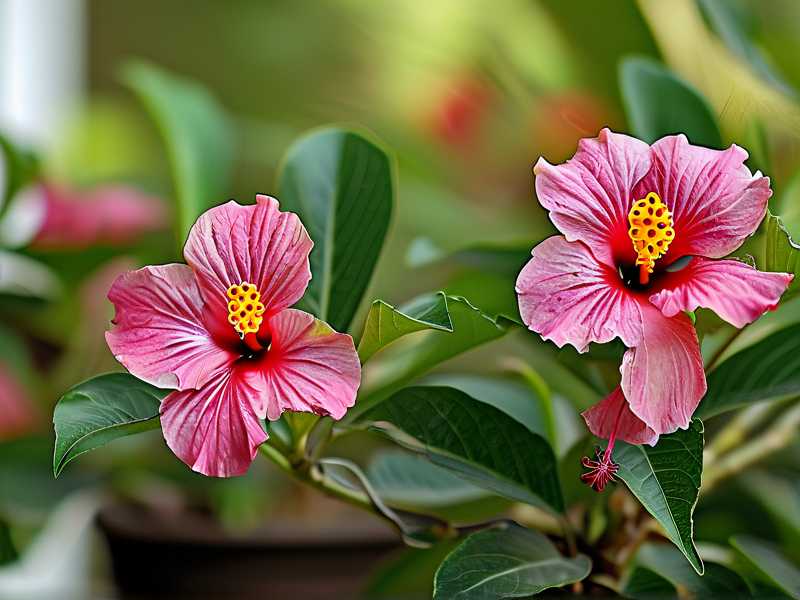
But hibiscus are tougher than they look. I've seen one come back from a single green stem.
If you've treated for pests, fixed the watering, and given it two weeks of good light and still nothing — check the roots. If they're white and firm, keep going. If they're brown and mushy, it's time for a new plant.
FAQ
How long does it take for hibiscus to recover from pest damage? New growth should start looking normal within 2 to 3 weeks if you treat pests consistently and fix the growing conditions. Full recovery takes longer — usually 4 to 6 weeks for the plant to look full again.
Can distorted hibiscus leaves fix themselves? No. Once a leaf is distorted, it stays that way. You need to prune it off and wait for new growth. Don't waste time hoping the curled leaves will flatten out.
What if I've treated for pests but new growth is still distorted? Check your watering first. Overwatering stresses the plant and makes it more vulnerable. Also check that you're actually reaching the pests — thrips hide deep in the tips. A systemic insecticide might be necessary if topical treatments aren't working.
Final Thoughts
Reviving a hibiscus with distorted new growth isn't complicated, but it's not instant either. Identify the pest. Prune the damage. Treat consistently. Fix the light and water. Then wait two weeks and watch.
I've brought back plants that looked hopeless. It takes patience. And it takes resisting the urge to do too much — more water, more fertilizer, more fussing. Usually, the plant just needs the right conditions and a little time.