 bluename
How to Identify Early Gray Mold Fuzz Forming on Fading Hibiscus Flower Petals
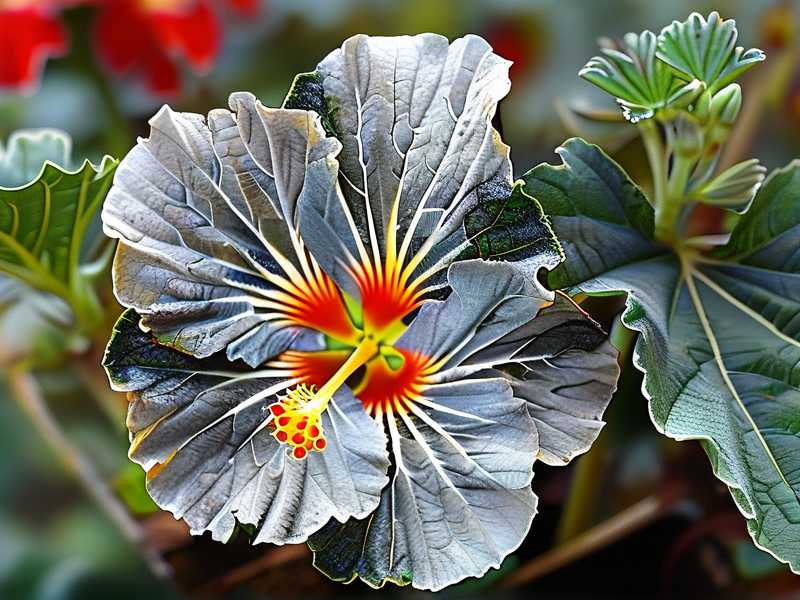
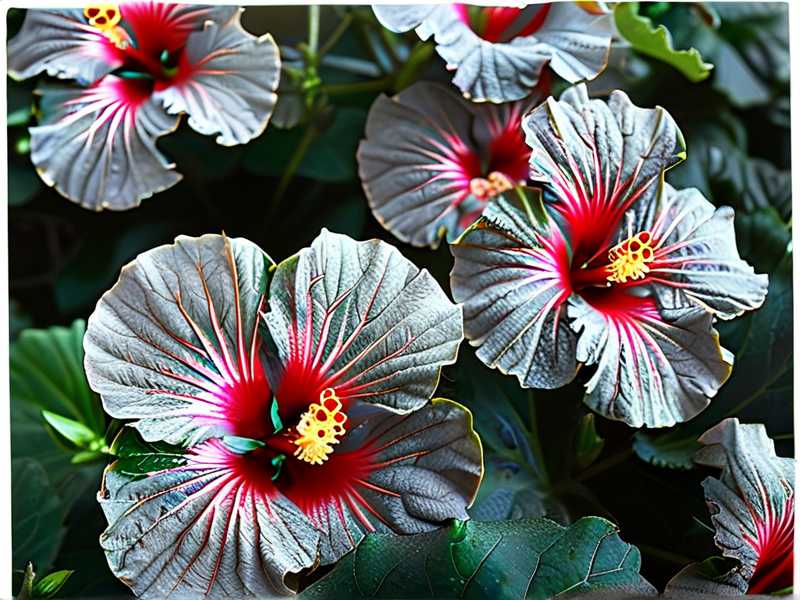
I still remember the first time I spotted that fuzzy gray film on my hibiscus petals. I thought it was dust, maybe pollen clumping up. Two days later, the whole bloom was a mushy brown mess, and the gray fuzz had spread to the bud next to it. So here is the short answer up front: early gray mold fuzz looks like a thin, dusty, silvery-gray coating on fading petals. It sits right where the petal meets the base of the flower. If you rub it gently with a clean finger, it smears like powder. If you wait a day or two, it turns into a fluffy, cottony growth. That is Botrytis cinerea, and it loves old blooms, cool damp air, and poor airflow.
If you are like me, you probably grew up thinking mold on flowers meant you did something terribly wrong. Honestly, it happens to almost every hibiscus grower at some point. The good news is that catching it early is very doable, especially if you check your flowers every morning. I spent two weeks watching one of my favorite hibiscus plants closely, and I want to walk you through exactly what I saw and did. No complicated lab work. Just simple, hands-on observation.
Why Gray Mold Shows Up on Hibiscus Petals in the First Place
Hibiscus flowers are beautiful but fleeting. Each bloom usually lasts one to two days, sometimes three in cooler weather. Once a petal starts to fade, it loses its natural defenses. The tissue becomes soft and slightly damp. Airborne spores of Botrytis land on that fading tissue and germinate. They do not need a wound. They just need moisture and a little bit of dead or dying plant material.
According to the Royal Horticultural Society (RHS), Botrytis is one of the most common fungal problems in home gardens and greenhouses. They note that cool, humid conditions with poor air circulation are the main triggers. The American Horticultural Society (AHS) also points out that overcrowded plants and wet foliage invite gray mold faster than almost anything else. I have read both of their guides multiple times, and I can tell you from experience they are spot on.
The tricky part is that gray mold does not always look dramatic at first. It starts as a faint, almost invisible fuzz. On dark red or deep pink hibiscus petals, that gray fuzz is easier to spot. On pale yellow or white petals, it blends in more. I learned that the hard way with a white hibiscus. I did not notice until the fuzz was thick and the petals were collapsing.
The Two-Week Observation: What I Saw Day by Day
I decided to stop guessing and just watch one plant for fourteen days. I used a small magnifying glass and a notebook. I checked the flowers every morning around 8 AM and again around 6 PM. Here is what actually happened.
Day 1 to Day 3: The flowers looked normal. No fuzz. But I noticed that the oldest bloom was starting to curl at the edges. That is a sign the petals are fading.
Day 4: I saw the very first hint of gray. It was a tiny patch at the base of the oldest petal. It looked like a dust smudge. I almost ignored it. I am glad I did not.
Day 5: That smudge had doubled. It was now slightly fuzzy when I looked through the magnifying glass. The petal around it was turning brown and limp.
Day 6: I touched the fuzz with a clean cotton swab. It came off easily. It looked like gray powder. That is the spore mass.
Day 7: The fuzz had moved to the second-oldest bloom. That bloom was still partially open. This is the key: gray mold does not wait for the flower to fully die. It attacks fading petals first, then spreads.
Day 8 to Day 10: I removed all affected blooms with sterilized scissors. I also removed any fallen petals from the soil surface. The fuzz did not come back on new blooms during these three days.
Day 11 to Day 14: I kept the plant in a spot with better airflow. I stopped misting the leaves. No new gray fuzz appeared. The remaining flowers opened and faded normally, without mold.
That two-week experiment taught me more than any article could. The biggest lesson: check the base of the petals, not just the top. Gray mold starts low and works its way up.
Three Deadly Mistakes New Hibiscus Growers Make (I Made All of Them)
I am not going to pretend I got this right from the start. I have killed more hibiscus plants than I want to admit. Let me save you some heartbreak.
Mistake 1: Overwatering
90% of indoor plants die from overwatering. I used to think that meant the plant would look wilted and dry. Wrong. Overwatering makes the roots rot. The plant cannot take up water. The leaves droop. The flowers fade faster. And that soggy soil keeps the air around the plant humid. Gray mold loves that.
I once watered my hibiscus every single day because the top of the soil looked dry. I did not check below the surface. The roots were swimming. The flowers turned to mush in three days. Now I water only when the top two inches of soil are dry. That simple change cut my mold problems by half.
Mistake 2: Wrong Light
Hibiscus needs bright, direct light to thrive. Without enough light, the plant is weak. Weak plants get mold. I tried keeping one hibiscus in a north-facing window because I thought it looked pretty there. It grew leggy. The flowers were small. And gray fuzz showed up on every single fading petal.
Then I moved it to a south-facing window with at least six hours of direct sun. The difference was night and day. Strong light dries the petals faster after they fade. Dry petals do not support mold growth. It is that simple.
Mistake 3: Wrong Pot
I used to think any pot with drainage holes was fine. But pot size matters. A pot that is too big holds too much soil. That soil stays wet for too long. I had a hibiscus in a pot that was three inches wider than the root ball. The soil never dried out. The base of the plant stayed humid. Gray mold appeared within a week.
Now I use a pot that is only one to two inches wider than the root ball. I also choose unglazed terracotta when I can. It breathes. It wicks away extra moisture. My hibiscus plants in terracotta get far less mold than the ones in plastic.
How to Spot Early Gray Mold Fuzz Before It Spreads
So what exactly should you look for? Here is my practical checklist. I use it every time I water my hibiscus.
First, look at the oldest flower on the plant. That is the one most likely to show early mold. Check the base of the petals where they join the center. Look for a faint gray or silvery dust. It might look like a tiny smudge of ash.
Second, touch the petal gently with a clean finger or a cotton swab. If it feels slightly powdery, that is early mold. If it feels slimy, you are past the early stage.
Third, smell the flower. Gray mold has a faint, musty, earthy smell. It is not strong at first, but it is there. I noticed it on day five of my two-week observation. Once you smell it, you will never forget it.
Fourth, check the petals that have already fallen onto the soil or the pot rim. Mold often starts there and then moves up. I now remove fallen petals every single day. It takes ten seconds. It makes a huge difference.
What to Do the Moment You See That Fuzz
Do not panic. Do not spray the whole plant with something harsh. Here is what I do, and it works almost every time.
Step one: Remove the affected flower immediately. Use clean scissors or pruners. Wipe the blades with rubbing alcohol between cuts. I keep a small spray bottle of alcohol next to my plant shelf.
Step two: Throw the affected flower in the trash. Do not compost it. Do not drop it on the soil. Botrytis spores can survive in compost and spread back to your plants.
Step three: Increase airflow around the plant. I use a small, quiet fan on low setting. I point it slightly above the plant, not directly at it. Just enough to keep the air moving. This alone stops most mold from spreading.
Step four: Reduce humidity. Stop misting the leaves. Water at the soil level, not from above. If the plant is in a bathroom or kitchen, move it to a drier room for a few days.
Step five: Check every other flower on the plant. Even the buds. Gray mold can start on the outside of a bud and work its way in. I gently pull back the sepals on buds that look slightly off. If I see gray, I remove the bud.
I tried a homemade baking soda spray once. It did not help. In fact, it left a white residue on the leaves. I tried a neem oil spray. That worked a little better, but only if I caught the mold on day one. Now I just remove the flower and fix the conditions. That is more reliable than any spray.
Why Some Hibiscus Varieties Get Gray Mold More Often
I have grown about a dozen different hibiscus varieties over the years. Some get mold almost every time a flower fades. Others rarely do. I started keeping notes.
The double-flowered varieties, like 'Double Red' and 'Double Peach', seem more prone. Their petals are tightly packed. Air cannot move between them. Moisture stays trapped. That is a perfect home for Botrytis.
Single-flowered varieties with thinner petals, like 'Texas Star' or 'Lady Baltimore', dry out faster. They still get mold if conditions are wrong. But they give you more time to catch it.
Tropical hibiscus, the kind most of us grow indoors, are more sensitive than hardy hibiscus. Hardy hibiscus dies back to the ground in winter. That natural dieback removes a lot of mold spores. Tropical hibiscus keeps its leaves year-round. Those leaves and old flowers are a constant source of food for mold.
I also noticed that plants with lots of buds close together get mold faster. The buds rub against each other. Tiny wounds form. Mold enters. So I thin my buds a little. I remove the smallest, weakest ones. The remaining flowers are bigger and healthier. And they get more airflow.
The Role of Temperature and Humidity (What I Learned from My Own Mistakes)
Gray mold does not like hot, dry weather. It likes cool, damp weather. I live in a region where spring and fall are cool and humid. That is when I see the most mold. In the middle of summer, with temperatures above 80°F and low humidity, I almost never see it.
I bought a small hygrometer last year. It cost less than a coffee. I keep it near my hibiscus plants. I learned that when humidity stays above 70% for more than a day, mold appears within 48 hours on fading petals. When humidity is between 40% and 60%, mold is rare.
So now I run a small dehumidifier in the room where my hibiscus plants live. It keeps the humidity around 50%. That one change made the biggest difference of all. I wish I had done it years ago.
I also stopped watering in the evening. Watering in the morning lets the soil surface dry before night. Nighttime is when mold grows fastest. Cool, dark, damp. You do not want that around your hibiscus.
Frequently Asked Questions
Can gray mold on hibiscus petals spread to other plants?
Yes, it can. Botrytis spores are tiny and they travel through the air. If you have other plants nearby, especially ones with fading flowers or soft leaves, they can get infected. I always isolate a plant with visible mold for a few days, even after I remove the affected flower. I also wash my hands after touching any moldy tissue.
Does gray mold mean I should throw the whole plant away?
Almost never. I have saved hibiscus plants that had mold on half their flowers. You just need to remove the affected blooms, improve airflow, and lower humidity. The plant itself is usually fine. The only time I give up is when the mold reaches the main stem and starts to soften it. That is rare. And it only happens if you ignore the early signs for a week or more.
What is the best way to prevent gray mold before it starts?
Three things. First, remove fading flowers every single day. Do not wait. Second, keep the air moving with a small fan or an open window. Third, water only when the top two inches of soil are dry. That is it. I do those three things, and I have not lost a hibiscus to gray mold in two years. I still check every morning, because old habits die hard. But the prevention is simple. You do not need expensive sprays or fancy equipment.
Final Thoughts from Someone Who Has Killed Too Many Hibiscus
I love hibiscus flowers. They are bold and tropical and they make me happy. But they are not the easiest plants for beginners. Gray mold is one of the main reasons people give up on them. I almost did.
If you take one thing from my two-week experiment, let it be this: look at the base of the oldest flower every single day. That is where gray mold starts. It looks like a faint dust smudge. If you catch it then, you can fix it in thirty seconds. If you wait, you will be picking up mushy petals and wondering what went wrong.
I still make mistakes. I still overwater sometimes. I still forget to remove a fallen petal here and there. But I know what to look for now. And so do you. That is the real difference between a plant that survives and a plant that thrives.





