bluename
How to Revive Container Hibiscus After Nematodes Severely Reduce Feeder Root Mass
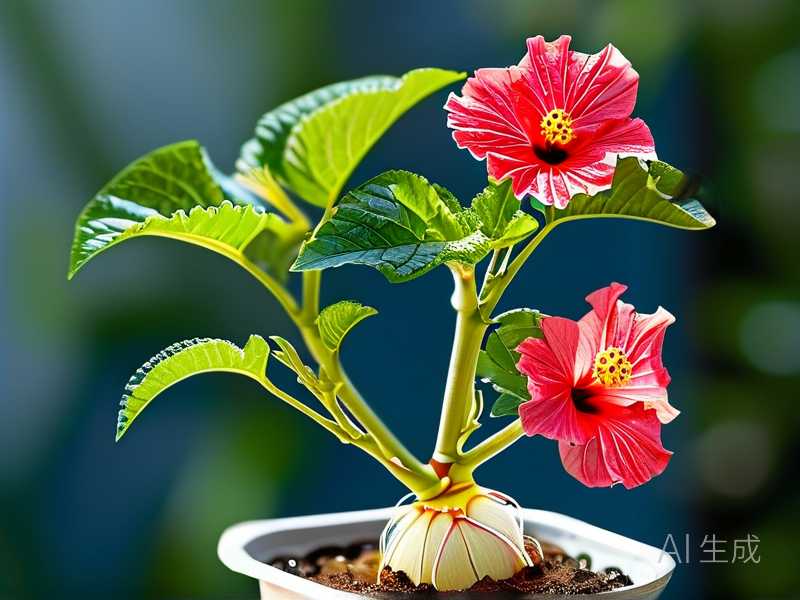
If your potted hibiscus is suddenly limp, dropping buds, and refusing to grow no matter how much you water it, nematodes may have eaten away most of its feeder roots. The good news is that a hibiscus can bounce back — I have revived several — but only if you catch the root damage early and rebuild the root system before the plant starves. The first thing I do is stop feeding, check the drainage, and gently lift the root ball to see how much living root is left. From there, it is a slow game of warmth, light, and patience. I usually see the first real signs of recovery around the two-week mark. Let me walk you through exactly how I do it.
Why Nematodes Are So Sneaky in Containers
Nematodes are microscopic roundworms. Some live in soil and feed on plant roots. In a garden bed, a hibiscus can often outgrow the damage. In a pot, though, the root zone is tiny. There is nowhere for the roots to run.
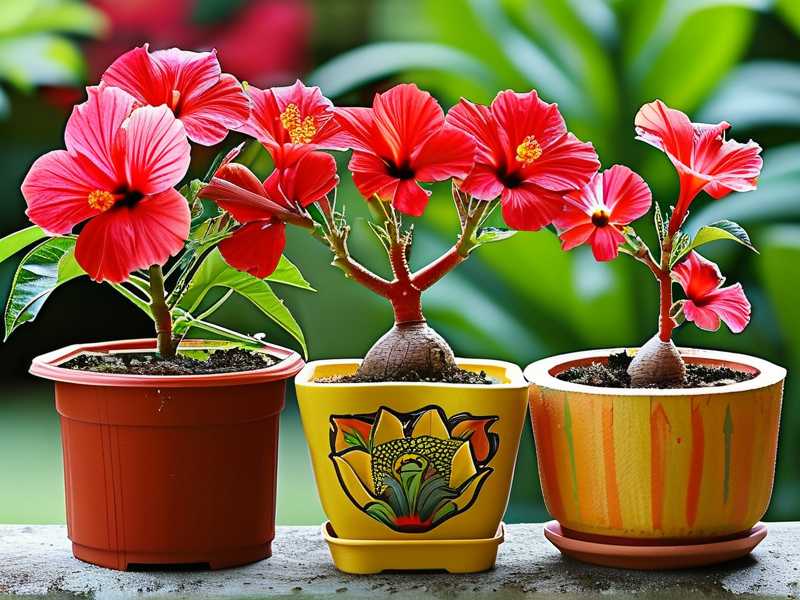
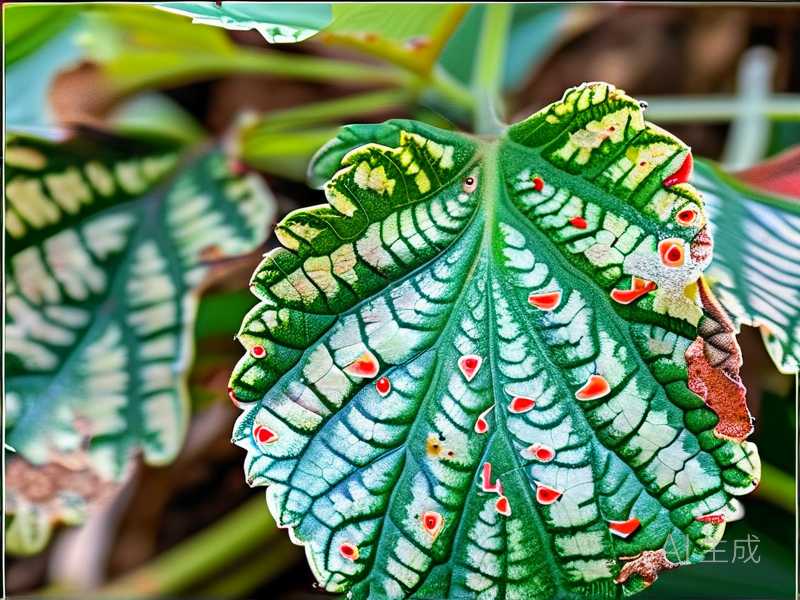
The worst part? You rarely see the pest. You see the symptom — yellowing leaves, stunted growth, wilting that does not improve after watering. I used to blame everything on underwatering. Then I pulled a plant out of its pot and found brown, mushy feeder roots with almost nothing left. That was my wake-up call.
As the Royal Horticultural Society explains, root-feeding nematodes cause swollen, distorted roots and poor top growth. They also open the door for secondary rot. By the time the leaves look bad, the roots are already in trouble.
How I Confirm It Is Nematodes and Not Something Else
I do not guess. I dig. Gently slide the root ball out of the pot and look at the fine roots. Healthy feeder roots are white and crisp. Nematode damage shows up as dark, stubby, or galled roots that snap easily.
Another sign is patchy decline. Some stems stay green while others collapse. If the whole plant went limp overnight, that is usually root rot. Nematodes creep up slowly over weeks.
One more check: look at the drainage holes. If you see slime or a sour smell, you probably have rot on top of nematode damage. That combo kills faster than either problem alone.
The Three Deadly Mistakes That Finish Off a Struggling Hibiscus
I have made every one of these. Each one turned a recoverable plant into a dead one.
Mistake 1: Overwatering
90% of indoor plants die from overwatering. That line gets thrown around a lot, but it is true, and it is especially true here. When nematodes have reduced the feeder roots, the plant cannot absorb water fast enough. The soil stays wet. Rot sets in. The roots that survived nematodes now drown.
I killed a beautiful 'Cooperi' that way. The leaves drooped, so I watered more. Two weeks later the trunk was soft. Game over.
Mistake 2: Wrong Light
People move a sick plant to a dark corner to "rest." That is the opposite of what a hibiscus wants. Hibiscus is a full-sun plant. It needs strong light to photosynthesize and rebuild roots. Put it in shade and it starves.
That said, do not blast a weak plant with midday summer sun either. I learned to use bright, filtered light for the first week, then ease it back toward full sun.
Mistake 3: Using the Wrong Pot
A pot that is too big holds too much wet soil around damaged roots. A pot with poor drainage is worse. I once used a decorative ceramic pot with a single tiny hole. The plant sat in a swamp. Nematodes loved it.
Go with a pot that is only one or two inches wider than the root ball. Make sure it has plenty of drainage holes.
Step-by-Step: How I Revive a Nematode-Damaged Hibiscus
Step 1: Unpot and Inspect
Water the plant lightly the day before. This makes the root ball easier to handle. Slide it out. Shake off loose soil. Rinse the roots with a gentle stream of room-temperature water so you can actually see them.
Step 2: Trim the Dead Roots
Use clean, sharp scissors. Cut away any brown, mushy, or galled roots. Stop when you hit firm white tissue. Yes, you will lose a lot of root mass. That is fine. Dead roots only invite rot. Dip the cut ends in a little cinnamon or a diluted hydrogen peroxide rinse if you have rot.
Step 3: Repot in Fresh, Sterile Mix
Never reuse the old soil. It is full of nematodes and their eggs. I mix a fast-draining blend: two parts potting mix, one part perlite, one part coarse sand or pine bark fines. Some growers add a handful of worm castings for gentle nutrition without burning the roots.
Step 4: Water Once and Then Wait
Water thoroughly until it runs out the bottom. Then do not water again until the top inch or two of soil is dry. I check with my finger. If it is damp, I wait. This is the hardest part because every instinct says "water the poor thing."
Step 5: Light and Warmth
Place the pot in bright, indirect light for three to four days. Then move it to a spot with four to six hours of direct sun. Hibiscus roots regenerate fastest when the soil is warm — around 75 to 85°F. If you are in a cool climate, a heat mat under the pot helps a lot.
Step 6: No Fertilizer for Two Weeks
This one hurt to learn. I fed a stressed hibiscus right after repotting and burned what little root was left. Wait at least two weeks. Then start with a very dilute liquid fertilizer — quarter strength — and work up.
What I Saw After Two Weeks
Day 1 to 3: The plant looked worse. Leaves drooped. I panicked. Resist the urge to water.
Day 5: Two new leaves appeared near the base of a stem. Tiny, but green.
Day 7: The soil finally dried enough to water again. I gave it a light soak.
Day 10: One flower bud formed, then dropped. That is normal. The plant is testing itself.
Day 14: New growth on three stems. The leaves were a healthy medium green. I knew the roots were coming back.
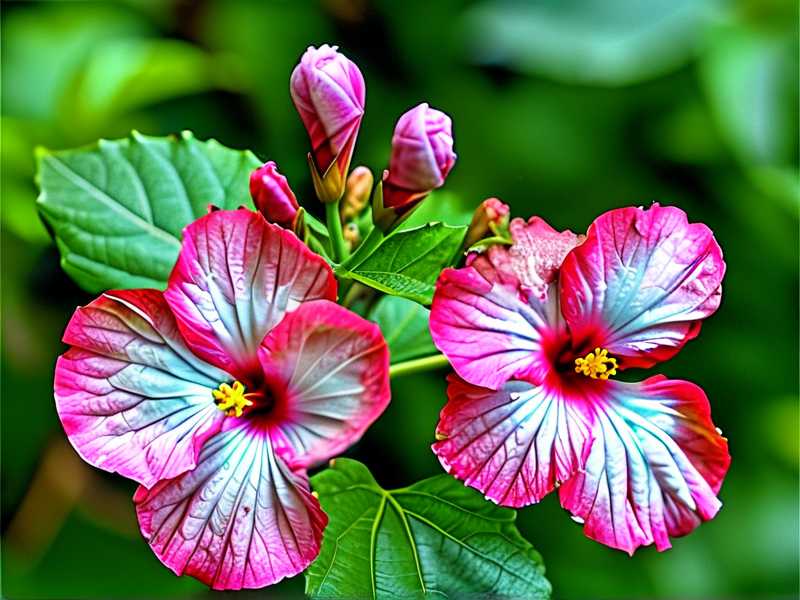
A month later, the hibiscus had grown about four inches and was holding buds. That is the timeline I have seen again and again — two weeks to see hope, four to six weeks to see real recovery.
Long-Term Care to Keep Nematodes Away
Once the plant is back, do not slip back into old habits. Nematodes thrive in moist, warm, organic-heavy soil. Let the top layer dry between waterings. Keep the pot off the ground on a stand so air circulates. Repot every 18 to 24 months with fresh mix even if the plant looks fine.
If you grow other tropicals, quarantine any new plant for a month before putting it near your hibiscus. Nematodes travel in soil, not on the wind.
A Few Extra Things I Wish I Had Known
Do not use garden soil in containers. It compacts, holds water, and often carries pests. I learned that after losing two plants.
A hibiscus in recovery may drop every leaf and still come back from the trunk. I almost threw out a bare stick that later pushed out new shoots.
Some people swear by neem oil drenches for nematodes. I have tried it. Results were mixed. It may slow the pest down, but it will not fix a root system that is already destroyed. Rebuilding the roots is the real job.
FAQ
Can a hibiscus survive with almost no feeder roots?
Yes, but only with strict water control and strong light. The plant lives off stored energy in its stems and trunk while new roots form. Most failures happen because the grower waters too often during this stage.
How long until I see new growth?
Expect visible new leaves or shoots in 10 to 14 days if the roots were trimmed properly and the soil stays just barely moist. If nothing happens after three weeks, check the roots again. You may have missed rot.
Does neem oil or hydrogen peroxide kill nematodes in the soil?
A hydrogen peroxide drench can help with secondary rot, and neem may reduce some pest activity. Neither is a cure. The only reliable fix in a container is removing the old soil and regrowing healthy roots in a clean, fast-draining mix.
The Bottom Line
Reviving a container hibiscus after nematode damage is not fast and not pretty. But it works. Focus on three things: clean soil, careful watering, and strong light. Forget about fertilizer for the first couple of weeks. Watch for that first tiny new leaf around day 10 to 14. That is your signal that the feeder roots are coming back. Stick with it, and your hibiscus will reward you with flowers again before the season is out.