bluename
How to Identify Nematode-Related Wilting on Hibiscus Even With Moist Garden Soil
If your hibiscus is wilting while the soil around it still feels damp, nematodes are a real suspect. I learned this the hard way after watching two potted hibiscus collapse in a single summer. The leaves drooped, the soil stayed moist, and I kept watering because I thought the plant was thirsty. That mistake made everything worse. Nematode-related wilting on hibiscus even with moist garden soil is easy to misread, and that is exactly why so many home gardeners lose plants before they figure out what is happening.
I want to save you that frustration. In this article I will walk you through how I finally identified root-knot nematodes and lesion nematodes in my own garden, the two-week observation routine I now use, the mistakes that cost me plants, and how to tell nematode damage apart from plain overwatering.
Why Moist Soil and a Wilting Hibiscus Do Not Add Up
When a plant wilts, most of us reach for the hose.
But if the soil is already moist, adding water is like giving cough syrup to someone with a broken leg. It does not fix the root cause.
Nematodes are microscopic roundworms that live in soil. They attack hibiscus roots and feed on them. The roots swell into galls, crack, and rot. And once the root system is damaged, it cannot move water up to the leaves, no matter how wet the soil is.
That is the cruel paradox. The soil is soaked. The plant is dying of thirst.
The Royal Horticultural Society notes that root-knot nematodes cause distinctive swellings on roots and are especially damaging in warm, sandy soils. The American Horticultural Society also points out that nematode problems are often mistaken for nutrient deficiency or drought stress. I made both of those mistakes before I knew better.
The Two-Week Observation Test I Use Now
I do not trust a single glance anymore. Nematode damage reveals itself slowly, and you need patience to see the pattern.
Here is the exact two-week routine I follow with any hibiscus that wilts in moist soil.
Day 1 to 3: Check the soil at root level. Not the surface. Push your finger down three inches. If it is wet and the leaves are still limp, stop watering entirely.
Day 4 to 7: Watch the pattern of wilt. Nematode wilt usually starts on one side of the plant or on the lowest leaves. Overwatering wilt tends to affect the whole plant evenly and improves after you stop watering.
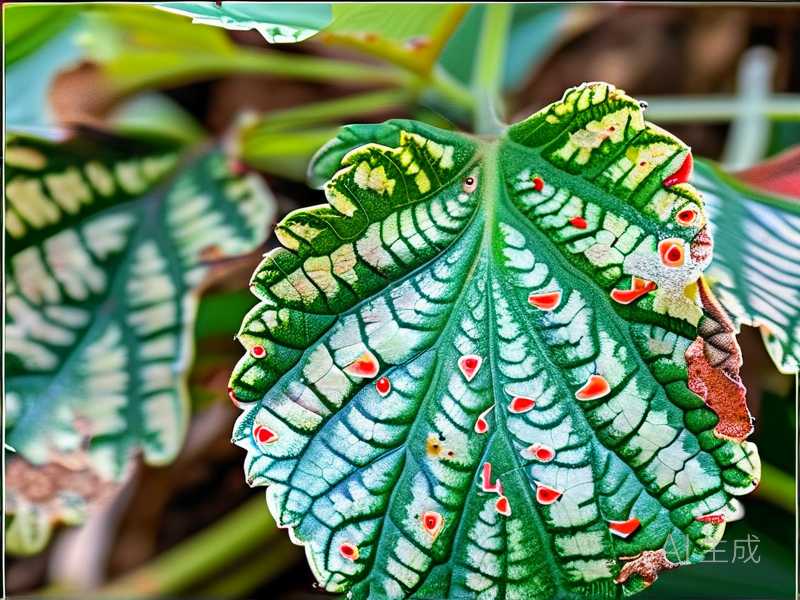
Day 8 to 10: Look for leaf symptoms. Nematode-stressed hibiscus often shows yellowing between the veins, small leaves, and stunted new growth. The buds may drop before opening.
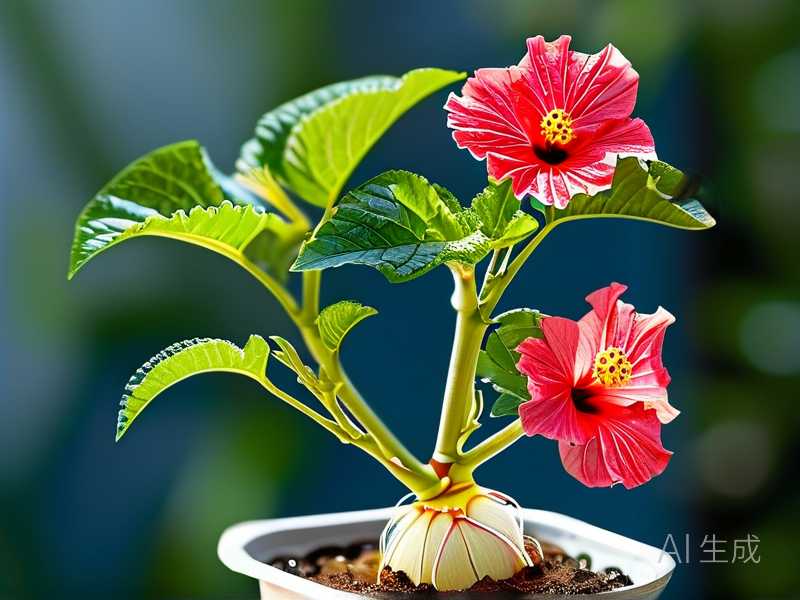
Day 11 to 14: Slide the plant out of its pot or dig carefully around the root zone. Healthy roots are white and firm. Nematode-infected roots have knots, galls, or dark lesions. If you see those, you have your answer.
I remember pulling up a hibiscus on day 12 of this test. The soil was practically dripping. The roots looked like a string of tiny beads. That was root-knot nematode damage, plain and simple.
The Three Beginner Mistakes That Made My Nematode Problem Worse
I have killed my share of hibiscus. Four, to be exact. Three of those deaths came down to the same three mistakes, and I see new gardeners repeat them constantly.
Mistake One: Overwatering
This is the big one. I cannot say it enough. 90% of indoor plants die from overwatering. Outdoors, overwatering creates the perfect wet, warm environment where nematodes thrive and root rot takes hold.
I used to water on a schedule. Every Tuesday, every Friday, no matter what. That is a recipe for disaster. Now I water only when the top two inches are dry, and I never water a wilting plant in moist soil.
Mistake Two: Light Misplacement
Nematode damage weakens a hibiscus, and weak plants need good light to recover, but they cannot handle harsh midday sun. I once moved a struggling hibiscus into full afternoon sun thinking it would perk up. It scorched within two days.
The fix is bright, filtered light. Morning sun is ideal. If you are growing in a container, a spot that gets four to six hours of gentle morning light works best.
Mistake Three: The Wrong Pot
I used to grab whatever pot was cheap. Big mistake. Nematodes spread more easily in oversized pots where the soil stays wet longer. A pot that is too large holds excess moisture around the roots, and that is nematode heaven.
Use a pot that is only one or two inches wider than the root ball. Make sure it has drainage holes. I now use terracotta for hibiscus because it breathes and dries out faster than plastic.
What Nematode Damage Actually Looks Like on Hibiscus
Let me get specific, because "wilting" can mean a lot of things.
Above ground, nematode-infected hibiscus often shows:
- Wilting that does not recover overnight
- Yellowing leaves, especially between the veins
- Stunted growth and smaller-than-normal leaves
- Fewer flowers, or buds that drop before opening
- Overall decline that gets worse over weeks, not days
Below ground, the signs are even clearer:
- Small knots or galls on the roots
- Dark, mushy lesions on roots
- A root system that looks smaller than it should
- Roots that break apart easily when you touch them
If you see galls, you are almost certainly dealing with root-knot nematodes. Lesion nematodes cause dark spots and root rot instead of galls. Both are bad news.
How to Tell Nematodes Apart From Other Hibiscus Problems
Nematodes love to hide behind other diagnoses. Here is how I separate them.
Fungal wilt, like Fusarium, also causes wilting in moist soil, but it usually moves fast and turns the stem brown inside. Nematode decline is slower and more gradual.
Nutrient deficiency causes yellow leaves too, but it usually affects the whole plant evenly and improves with fertilizer. Nematode damage does not improve with feeding. I tried that once. I fed a wilting hibiscus every week for a month. It died anyway.
Drought stress causes wilting too, but the soil is bone dry. If the soil is moist, drought is off the table.
What I Do Once I Confirm Nematodes
Honestly, there is no easy cure for nematodes in a home garden. Once they are in the soil, they are hard to remove.
But you do have options.
If the hibiscus is in a pot, I repot it in fresh, sterile potting mix after rinsing the roots clean. I cut away any galled or rotten roots with sterilized scissors. Then I water with a diluted seaweed extract to reduce stress.
If it is in the ground, I remove the plant and solarize the soil or plant a nematode-resistant cover crop like marigolds. French marigolds are my go-to. They release compounds that suppress nematodes in the soil.
I also avoid planting hibiscus in the same spot for at least two seasons. Rotating crops and adding organic matter helps, but it is not a quick fix.
Frequently Asked Questions
Can hibiscus recover from nematode damage?
Sometimes, if you catch it early and repot in clean soil. But once the root system is heavily damaged, recovery is unlikely. I have saved one hibiscus out of four that showed severe nematode symptoms.
Do nematodes always cause wilting?
No. Early infestations may only cause stunted growth and yellow leaves. Wilting usually appears once the root damage is significant. That is why regular root checks matter.
Are there nematode-resistant hibiscus varieties?
Some hibiscus species have better tolerance than others, but true resistance is rare. If nematodes are a recurring problem in your garden, choose varieties grafted onto resistant rootstock or switch to plants known to tolerate nematodes, like certain marigolds and grasses.
Final Thoughts
Identifying nematode-related wilting on hibiscus even with moist garden soil comes down to one habit: stop assuming wilt means thirst.
Check the soil. Watch the pattern for two weeks. Look at the roots. And please, do not make my mistakes with overwatering, bad light, and oversized pots.
Once you know what you are looking at, you can act instead of guessing. Your hibiscus will thank you, even if it takes a season to bounce back.