 bluename
Tropical hibiscus are sun lovers, but those scorching afternoon rays can actually stress them out. I learned this the hard way after my potted beauties dropped buds and looked fried by August. The direct answer is yes, you absolutely need shade cloth for tropical hibiscus in hot afternoons, especially when temperatures climb past 90°F (32°C). I use a 30% to 40% shade cloth draped over a simple frame from 1 PM to 4 PM, and it made a world of difference within two weeks. Let me walk you through exactly how I did it, what went wrong first, and what you should avoid at all costs.
I’m the kind of person who talks to their plants. I’ve also killed more hibiscus than I care to count. My first attempt at summer care was a disaster. I thought more sun meant more blooms. I was so wrong. The leaves turned yellow, the buds fell off like confetti, and the whole plant looked like it had given up on life. It wasn't until I consulted resources from the RHS and the AHS that I understood the stress response. They explained that while hibiscus thrives in full sun, intense afternoon heat can cause transpiration to outpace the roots’ ability to take up water. That’s when I decided to try the shade cloth method.
Why Afternoon Shade is Non-Negotiable
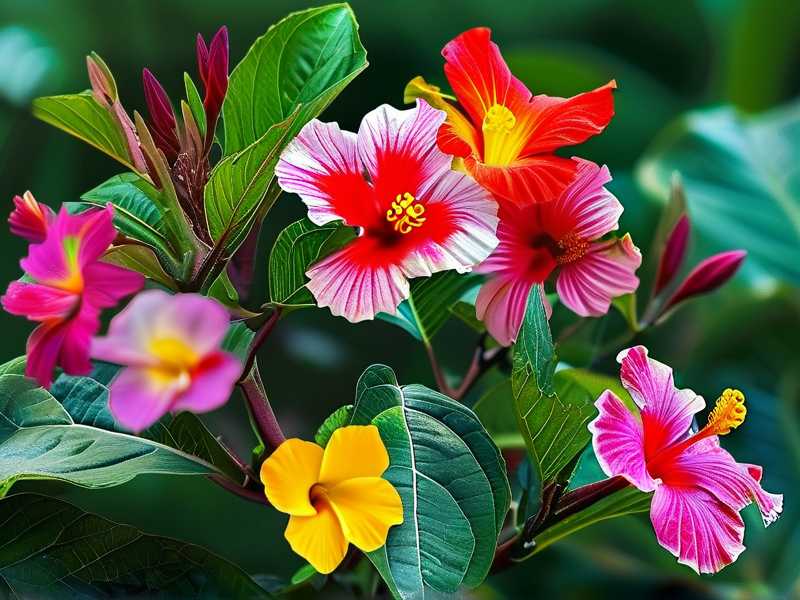
The morning sun is gentle and beneficial. It fuels photosynthesis without the brutal, drying heat. But after lunch, the sun becomes a bully. It scorches the leaves, evaporates soil moisture rapidly, and forces the plant into survival mode. In survival mode, the hibiscus will drop its flowers and buds to save energy. That’s the opposite of what you want. I noticed my soil was drying out by noon every single day. No matter how much I watered, the plant looked parched by 3 PM. Shade cloth solves this by blocking a percentage of the sunlight and reducing the leaf surface temperature. It's not about hiding the plant from light entirely. It’s about filtering the harshness.
My Exact Setup Process
I want to be clear about my process because the details matter. I didn’t just throw a sheet over the plant. That would trap heat and restrict airflow. Here is the step-by-step method I used.
First, I measured the height and width of my largest potted hibiscus. I have three in five-gallon containers. I ordered a piece of 40% shade cloth that was large enough to drape over the top and sides without touching the leaves. Touching leaves with wet fabric causes fungal issues, so I built a simple frame.
I used four wooden stakes, about five feet tall, hammered into the ground around the pots. Then, I attached the shade cloth to the top of the stakes with zip ties. It looked like a little canopy. I made sure the front and back were open for airflow. This took me about twenty minutes. The key is to create a shadow, not a sauna.
My Two-Week Observation Log
The first day was cloudy, so I didn't see a massive difference. But the second day was a scorcher. At 2 PM, I touched the leaves of the shaded plant versus the non-shaded one. The difference was striking. The shaded leaves were cool to the touch. The exposed ones felt warm and almost crispy. I continued to water deeply every morning.
By the end of week one, I saw zero new leaf drop. That was a huge win. Previously, I was losing a few leaves daily. The buds that were already formed started to plump up instead of shriveling. I was skeptical at first, but the evidence was there. By day ten, the first flower opened. It was a vibrant pink, and it lasted for almost three days. On the unshaded plant, the flowers lasted barely a day before wilting.
By the end of week two, the shaded plant had produced six more buds. The unshaded one looked stunted. The color of the leaves on the shaded plant was a healthy, deep green. The exposed plant had a yellowish tint and visible brown spots on the edges. The shade cloth wasn’t just a luxury. It was the difference between survival and sheer misery for the plant.
The 3 Biggest Mistakes I Made as a Newbie
I’ve been through the wringer with these plants. I want to save you the heartache. I have a friend who brags about killing plants, and I see her making the same errors I once did. These are the critical mistakes you need to avoid.
Mistake #1: Overwatering to Combat Heat
This is the most common issue. I panicked when I saw the leaves droop in the heat. I thought, ‘It needs more water!’ So, I watered again in the afternoon. That was a catastrophic error. The roots sat in soggy soil, which suffocated them. 90% of indoor plants die from overwatering, and container hibiscus is no different. The drooping might have been heat stress, but the root rot I caused was fatal. I only realized my mistake when the soil started to smell sour. I pulled the plant out and the roots were brown and mushy. I had to repot immediately. Now, I only water when the top two inches of soil are dry. I check this with my finger every morning. It is foolproof.
Mistake #2: Placing It in the Wrong Light Spot
I used to think that my south-facing patio was perfect. It got sun from 9 AM to 7 PM. That’s just too much for a container plant in the peak of summer. The afternoon sun is way too intense. I thought full sun was the same as bright light. It’s not. I adjusted by moving the pot to a spot that gets morning sun and dappled afternoon shade. If the plant is in the ground, you need to anchor the shade cloth to the ground. If you can’t move it, your shade cloth is your only solution. Check your light at different times of the day. You need six hours of morning sun, not six hours of blistering midday sun.
Mistake #3: Using the Wrong Pot
I had a beautiful dark plastic pot. It looked sleek. It was terrible for the plant. The dark plastic absorbs heat, and in the afternoon sun, it turned into an oven. The soil temperature rose so high that it literally cooked the roots near the edge of the pot. I tried wrapping the pot in a light-colored towel during the hottest days, but that was a band-aid. I switched to a light-colored ceramic or a double-potting system. This means placing the grower pot inside a larger cachepot, leaving an air gap in between. That insulation is crucial. I cannot emphasize this enough. Container choice is a major factor in tropical plant health.
Common Pitfalls When Using Shade Cloth
You would think using shade cloth is simple, but I found a few traps along the way.
The Rushing Problem
I was in a hurry one morning and left the shade cloth on until 5 PM. The plant didn’t get enough light that day. It’s fine once in a while, but if you do it daily, it will reduce blooming. I set a timer on my phone now to remind me to remove it. You need to find that balance between protecting the plant and letting it photosynthesize. I find that 4 hours of shade is the max you need in most US climates.
The Airflow Issue
I made the mistake of draping the cloth directly over the plant like a blanket. This stopped the breeze. High humidity trapped under the cloth caused powdery mildew on the leaves. You want the canopy to be open on the sides. The shade cloth is for the sun, not for trapping air. Air movement is vital, especially on warm days. If you don’t have a breeze, a small oscillating fan nearby during the hottest part of the day helps, but I usually just rely on the open sides.
Do You Need Shade Cloth for In-Ground Plants?
I get this question a lot. I have one hibiscus planted in the ground in a raised bed. I did not shade it, thinking it was tougher. I was wrong. In-ground roots are cooler than pot roots, but the leaves still suffer. The buds drop just the same. I actually rigged up an umbrella for my in-ground plant on those extreme heat index days. It’s less pretty than a frame, but it works. The AHS notes that heat stress affects leaves and flowers similarly regardless of root zone temperature. So, if you live in a desert climate or a high-heat zone, your in-ground tropical hibiscus will also appreciate some shade during the hottest part of the afternoon. Just keep the sides open.
Watering Adjustments with Shade
One thing that surprised me was how my watering schedule changed. With the shade cloth, the soil dried out slower. That meant I could water less frequently, which was great. I was watering daily before. After I added the shade, I switched to every other day. This further reduced the risk of root rot. It’s a trickle-down effect. Less heat means less water evaporation. Less water evaporation means less frequent watering. This gives the roots a chance to breathe and grow. The root system got stronger and more fibrous. This helped the whole plant look healthier.
My Final Thought on this Setup
I look at my hibiscus now, with its dark green leaves and big vibrant blooms, and I can’t believe I used to let it fry. The shade cloth was a cheap and simple solution that changed my summer gardening game. It’s not about being lazy. It’s about working smarter with the climate. I try to check the weather forecast now. If we have an unnatural heatwave, I know I need to put the cloth up earlier or leave it on a bit later. If it’s a cooler day, I skip the shade entirely. It’s a dynamic routine, not a rigid rule.
Frequently Asked Questions
How long should I leave the shade cloth on during the day? I put mine up around 1:00 PM and take it down at 4:00 PM. That covers the peak heat. On really brutal days, I might extend it to 5:00 PM. But I never cover the morning sun. That morning light is essential for the plant to build energy.
Can I use regular fabric like a bedsheet instead of shade cloth? You can, but I wouldn’t. A bedsheet blocks too much light and doesn’t allow for proper airflow. I tried a white sheet once, and the plant got leggy because it was essentially in the dark. Shade cloth is knitted to provide specific percentages of shade. It allows air to pass through. It’s a few dollars, and it’s worth the investment.
What percentage of shade cloth is best for hibiscus? I recommend 30% to 40%. Anything higher, like 50% or 60%, blocks too much light. Your plant will stop blooming and stretch out looking for light. I use 40% because my summers are extremely hot. If you live in a milder area, 30% is probably enough. You want to take the edge off the heat, not plunge the plant into a cave.





