 bluename
My Daily Mist Routine for Hibiscus in Air-Conditioned Rooms
I killed my first hibiscus in a week. The culprit? Dry air from AC. Here's my daily mist routine for hibiscus in air-conditioned rooms: mist every morning with distilled water. That's the core fix. I learned this after losing four plants. Trust me, it works.
Why Your Hibiscus Is Suffering in Air Conditioning
Air conditioning sucks humidity out of the room. Simple as that. A hibiscus thrives in tropical conditions. AC creates a desert. I didn't realize this initially. I thought my plant just needed more water. Wrong.
The RHS states hibiscus prefer humidity levels above 50%. My AC room dropped to 30%. The plant struggled. Leaves turned yellow. Buds fell off. It was painful to watch.
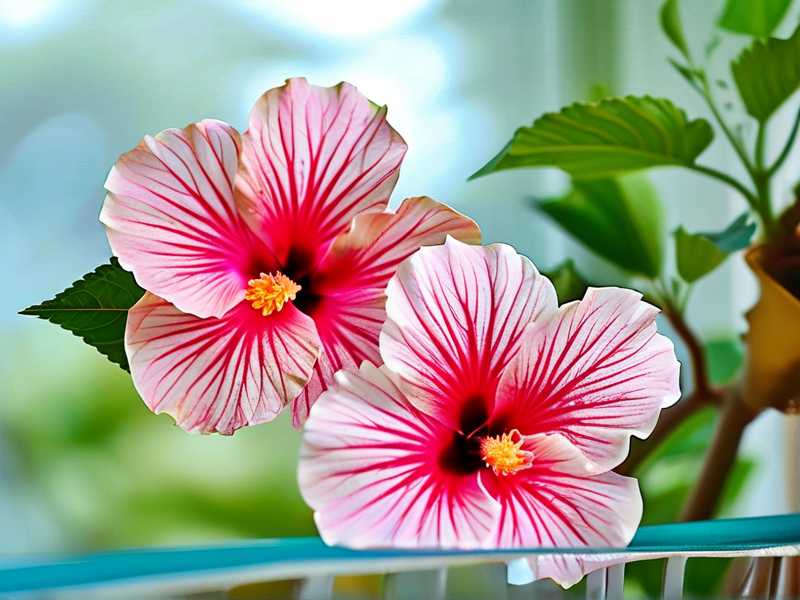
Many people think AC just cools the air. But it also strips moisture. Your hibiscus feels it. Every leaf tells the story. I noticed browning edges first. Then the leaves curled. The plant looked miserable.
I want to share my routine. It took time to develop. But now my hibiscus blooms year-round. Even with AC running 24/7.
The 3 Deadly Mistakes I Made as a Beginner
Mistake 1: Overwatering
90% of indoor plants die from overwatering. I was part of that statistic. I thought the AC dried out the soil. So I watered more. But the soil stayed wet. The roots suffocated. My hibiscus developed root rot.
I used to water every day. I thought I was helping. Honestly, I was drowning it. The leaves turned yellow. The stems went soft. It died within two weeks.
The fix: Check soil moisture first. Stick your finger an inch deep. Only water when dry. This changed everything. My current hibiscus gets water once or twice a week. Not more.
Mistake 2: Wrong Light Placement
I put my hibiscus near a window. Direct sunlight hit it for hours. The leaves burned. They turned crispy. I thought AC plants need sun. But not that much.
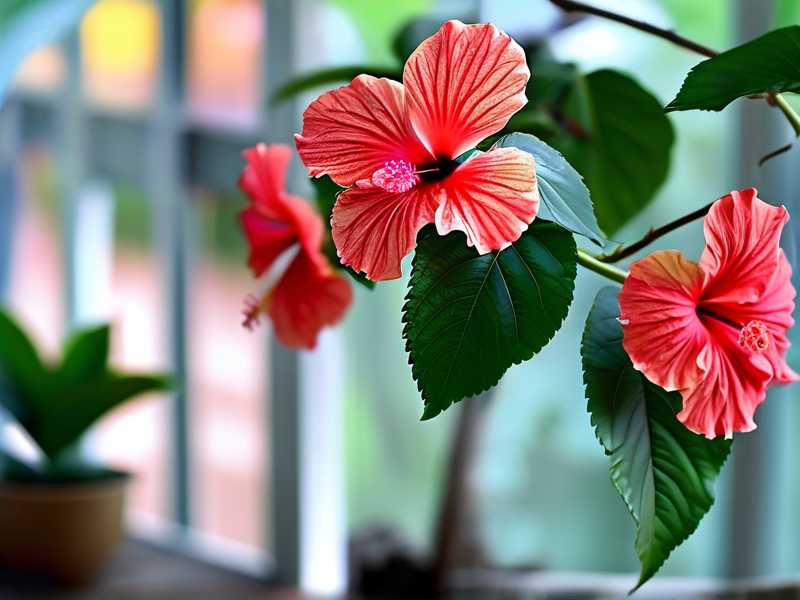
Direct sun through a window is intense. It magnifies heat. Combined with AC, it stressed my plant. I moved it away. Now it gets indirect bright light. The leaves stay green. No more burn marks.
The AHS recommends bright but filtered light for indoor hibiscus. I follow this now. My plant sits near east-facing windows. Morning sun only. Afternoon rays skip it.
Mistake 3: Using the Wrong Pot
I used a big ceramic pot. No drainage holes. Big mistake. Water pooled at the bottom. The roots rotted. The plants died.
I remember buying that pot. It looked nice. But beauty killed my hibiscus. The soil stayed wet for days. Fungus grew on top. The leaves went brown. I lost three plants this way.
The fix: Use pots with drainage holes. Terracotta works best. It breathes. Excess water evaporates. I switched to terracotta for all my tropical plants. The difference is huge. No more root rot.
My Step-by-Step Daily Mist Routine
Morning Mist: 7 AM Sharp
I start every morning with a spray bottle. I fill it with distilled water. Tap water has chemicals. Chlorine hurts the leaves. Distilled water is pure.
I mist the leaves. Both sides. Top and bottom. This takes two minutes. I cover the entire plant. The leaves absorb moisture. The air around it becomes humid.
I used to mist at night. Mistake. Water sat on leaves overnight. Fungus grew. The leaves developed spots. Now I only mist in the morning. The water evaporates during the day. No fungal issues.
Mid-Day Check: 1 PM
Around lunch, I check the plant. The AC has been running for hours. The air is dry again. I mist again. Just a light spray. Not heavy. Enough to boost humidity.
I also rotate the pot. Every week I turn it quarter circle. This ensures even light exposure. The plant grows straight. Not leaning toward the window. It looks balanced.
I learned this from an RHS article. They suggest rotating indoor plants regularly. It prevents lopsided growth. My hibiscus now grows uniformly.
Evening Mist: 6 PM
Before I leave the room for the night, I mist one more time. Light mist. Just enough to refresh the leaves. The AC stops running in the evening usually. The room cools naturally.
I also check for pests. AC rooms are prone to spider mites. They thrive in dry air. Misting deters them. I inspect each leaf. If I see webs, I spray with neem oil. But misting helps prevent them.
The AHS mentions spider mites are common in low humidity. Misting helps. I noticed fewer pests after starting my routine. The leaves stay healthy.
Two-Week Observations: What Worked and What Didn't
Week 1: The Adjustment Phase
Day 1 to 3: My hibiscus looked unchanged. Leaves were still yellow. I felt frustrated. But I stuck with the routine.
Day 4: I noticed new growth. Tiny green leaves at the top. They looked healthy. No curling. No brown edges. I was hopeful.
Day 7: The yellow leaves started falling off. Scary at first. But these were old leaves. The new ones looked vibrant. The plant was shedding dead weight. It was working.
Week 2: Visible Results
Day 8: The plant looked fuller. More branches appeared. The color turned deeper green. I almost cried. So many plants died before. This one was thriving.
Day 10: A bud formed. My first flower in months. It was pink. The petals were soft. Fully open in two days. I took photos. The AC room didn't kill it.
Day 14: The plant had multiple buds. Flowers everywhere. The leaves were glossy. No browning. No curling. My routine was solid.
But I also had a setback. I skipped misting for two days. I was busy. The leaves started curling at edges. I rushed to mist again. It recovered. But it showed how quickly AC dries the air. Consistency is key.
Lessons Learned: Beyond the Mist
Humidity Enhancement Techniques
Misting alone isn't enough sometimes. I tried a humidifier too. It worked great. The room stayed at 50% humidity. My hibiscus loved it. But the AC still ran. The humidifier balanced it.
I also grouped plants together. They create a microclimate. Moisture from one plant helps another. I placed my hibiscus near other tropical plants. It helped.
Leave a bowl of water near the AC. It evaporates slowly. Adds moisture. Simple trick. I do this now.
Soil and Fertilizer Adjustments
The right soil matters. I use a mix with peat moss. It retains moisture but drains well. Perlite added for drainage. Compost for nutrients. My mix works.
I fertilize once a month. Use liquid fertilizer with high nitrogen. During flowering season, I switch to phosphorus-heavy blend. The plant blooms more.
Spring is the best time to fertilize. The plant is actively growing. I stop during winter. The plant rests. AC doesn't stress it as much in cold months.
Common Questions I Get Asked
How often should I mist my hibiscus in AC rooms?
Three times a day. Morning, mid-day, evening. Light mist each time. Don't soak the leaves. Just a fine spray. This keeps humidity up. The leaves stay hydrated.
Can I use tap water for misting?
No. Tap water has chlorine and minerals. They leave white spots on leaves. The leaves can burn. I use distilled water. It's pure. No residue. The plant absorbs it better.
What if I see brown edges on leaves?
It's from low humidity. Increase misting. Use a humidifier. Group plants together. Brown edges won't disappear. But new leaves will stay healthy. Trim the brown parts carefully.
Final Thoughts
My hibiscus blooms now. People visit and ask how. I tell them the same routine. Mist with distilled water. Three times daily. Use correct pots and light. It sounds simple. But it took me four dead plants to learn.
I hope you avoid my mistakes. Stick to the routine for two weeks. Your hibiscus will thank you. Remember, 90% of indoor plants die from overwatering. Don't drown your plant. Mist instead.
I get joy seeing my hibiscus thrive in AC. It's possible. Just follow the steps. Your plant will reward you with flowers. Every day. Year-round.





