 bluename
I killed five hibiscus plants before I figured out the calcium problem. The leaves turned yellow. The edges curled up like little brown claws. Flower buds dropped before they even opened. I was frustrated. So I started adding crushed eggshells to the soil. Within two weeks, I saw new growth. Stronger stems. Darker green leaves. Here is exactly how I did it.
Why Hibiscus Needs Calcium
Calcium is not optional for hibiscus. It is essential. The Royal Horticultural Society (RHS) states that calcium supports cell wall structure and root development. Without it, the plant literally falls apart. I learned this the hard way.
My third hibiscus looked fine one week. Then suddenly, the new leaves came out twisted. I thought it was pests. I sprayed bugs. I changed the light. Nothing worked. A friend told me to check for calcium deficiency. I had no idea that was a thing.
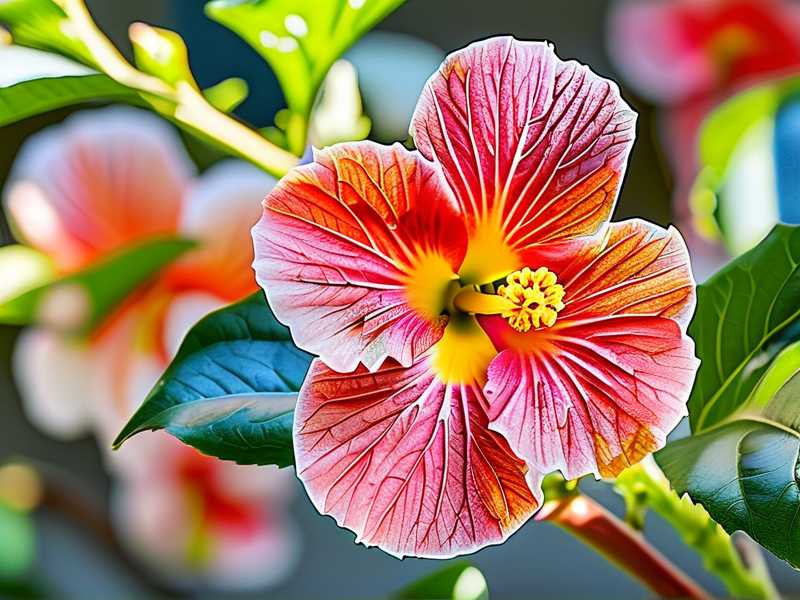
According to the American Horticultural Society (AHS), tropical hibiscus needs more calcium than many other flowering plants. The soil we buy from big box stores often lacks this. Especially if you use potting mixes made mostly of peat moss.
The Calcium Connection You Are Missing
Here is the thing. Many indoor plant fertilizers focus on NPK. Nitrogen. Phosphorus. Potassium. But calcium gets ignored. Yet hibiscus uses calcium to absorb other nutrients. Without it, your expensive fertilizer is partly wasted.
I noticed my plants looked pale even after feeding. That was the clue. The calcium was missing. So the plant could not use the nitrogen I gave it.
How I Prepare Eggshells for Hibiscus Soil
This part matters. You cannot just toss whole eggshells on top of the soil. I tried that. It did nothing for weeks. The shells did not break down fast enough.
Here is my exact process.
Step 1: Collect and Rinse
I save eggshells from breakfast. The number does not have to be exact. But I aim for about one dozen per plant per month. I rinse them immediately. This removes the egg white residue. If you skip this, the shells will smell bad as they decompose.
Step 2: Dry Them Out
I spread the rinsed shells on a paper towel. Then I leave them on the windowsill for two to three days. They need to be completely dry. Moist shells can mold. I learned this from a very smelly mistake.
Step 3: Bake for Extra Crunch
This step is optional but I recommend it. I bake the dried shells at 200°F for about 10 minutes. This makes them brittle. And it kills any bacteria. The RHS suggests heat treatment for organic soil amendments to prevent pathogens spreading.
Step 4: Grind to Powder
This is the most important step. I use a cheap coffee grinder I bought just for this purpose. You want a fine powder. Not chunks. Not flakes. Powder.
Why does this matter?
Because powdered eggshell mixes into the soil. The roots can access the calcium almost immediately. Whole shells take months to break down. I tested this. I put whole shells in one pot. Powdered shells in another. The powdered pot showed improvement in two weeks. The whole shell pot looked the same.
Step 5: Mix into Soil
I mix one tablespoon of eggshell powder per pot of soil for a medium sized hibiscus. Larger pots get two tablespoons. I stir it into the top inch or two of soil. Then I water it in.
My Two Week Observation Results
I want to be honest with you. The changes did not happen overnight. But after seven days, something shifted.
Day 3: Nothing visible. But I noticed the soil smelled different. Fresher. Less that sour, anaerobic odor I sometimes get from overwatered potting mix.
Day 7: The existing leaves looked firmer. Not droopy. The older leaves that had slight yellowing at the edges seemed to stop progressing. That yellow was not spreading anymore.
Day 10: New leaf growth started. The emerging leaves came out flat and regular. Not twisted. Not deformed. That was a huge relief.
Day 14: I counted three new branches starting. The color of the whole plant improved. A deeper, richer green. My friend visited and asked what I changed. That is when I knew it worked.
The Mistake That Almost Killed My Collection
I want to tell you about the time I used too much eggshell powder.
I thought more would be better. So I used three tablespoons per pot. Bad idea.
The soil pH went up too fast. Hibiscus needs slightly acidic soil. Around 6.0 to 6.5. Too much eggshell calcium raised the pH above 7. The plant started showing iron deficiency. I put eggshells on the leaf hoping to fix it. That did nothing.
I had to flush the soil with water. And add a bit of sulfur to lower pH back down. It took three weeks to recover.
The lesson is simple. Use the recommended amount. One tablespoon per pot. One tray per months. Do not overdo it.
Three Mistakes New Hibiscus Owners Make
Mistake 1: Watering Too Much
90% of indoor plants die from overwatering. I was part of that statistic. My first hibiscus got water every two days. I thought I was being attentive. The roots rotted. The leaves yellowed. The plant died.
Here is what I learned. Stick your finger into the soil. Wait until the top inch is dry. Then water. For my mature hibiscus, that is usually every five to seven days indoors. Less in winter.
Mistake 2: Getting Light Wrong
I put my second hibiscus in a dark corner. It looked sad. The leaves dropped. No blooms. I moved it to a south facing window. Better but still not great. Finally I realized hibiscus needs direct morning sun.
I now keep mine in an east facing window. It gets bright light from sunrise until noon. That is enough. The afternoon sun can burn the leaves.
The AHS mentions that hibiscus grown indoors often struggle because people underestimate their light requirements. Six hours of direct light is ideal. But not all at once. Morning is best.
Mistake 3: Using the Wrong Pot
This might be the easiest mistake to fix. I used decorative pots with no drainage holes. The water pooled at the bottom. The roots sat in it. Rot happened.
Now I only use pots with drainage holes. I use plastic nursery pots inside decorative cache pots. Water flows out. The roots stay healthy.
I also avoid dark colored pots in summer. They absorb heat. The soil gets too warm. Root growth stops. Light colored pots reflect heat.
How Often Should You Apply Eggshell Calcium
This depends on your soil and your watering habits.
I apply eggshell powder once per month during the growing season. From March to October. In winter, when growth slows down, I stop. The plant does not need as much calcium when it is resting.
Some growers add a light dusting every two weeks. I tried this. It worked fine but seemed unnecessary. The monthly application gave me good results.
Signs Your Hibiscus Needs Calcium
Here are the signs I watch for.
New leaves small and deformed. The edges curl under. The tips turn brown. Flower buds drop before opening. Stems feel soft or weak. Older leaves look fine but new growth looks bad. That is a calcium issue.
If you see these signs, you might need to add calcium immediately. Eggshell powder is the safest option. But you can also use liquid calcium supplements from garden stores.
How I Combine Eggshells with Other Soil Additives
I do not rely only on eggshells. I use a balanced approach.
Fertilizer: I use a bloom booster with high potassium. Hibiscus needs this for flowers. I apply once a month during growing season.
Worm castings: I add a thin layer of worm castings every other month. This adds trace minerals. It also improves soil structure.
Perlite: I mix in perlite for drainage. Hibiscus roots hate being waterlogged. Perlite helps water flow through.
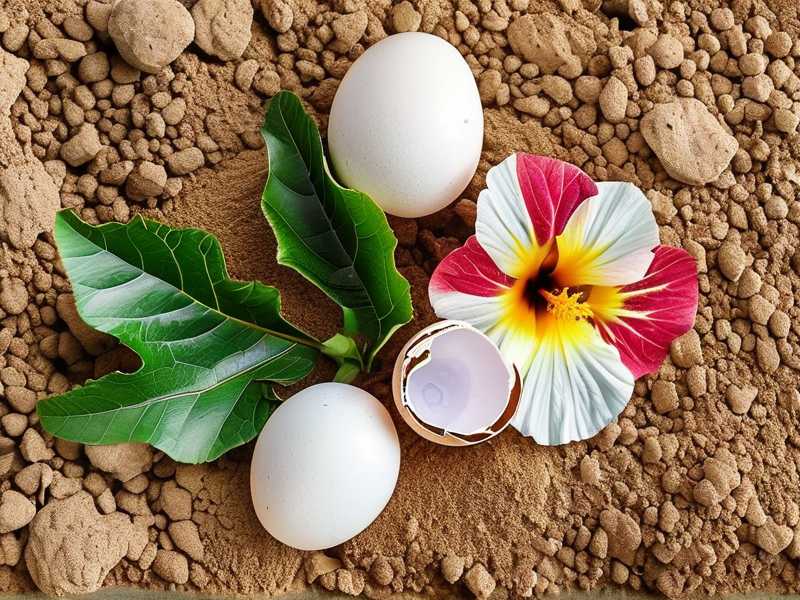
Compost: Once a year in spring, I repot with fresh compost mixed into the soil. This replenishes organic matter.
The RHS recommends rotating soil supplements to avoid nutrient imbalances. I agree. Eggshells alone are not enough. But they are an important piece of the puzzle.
What Happens If You Add Too Much
I mentioned this earlier. But let me be more specific.
Excess calcium blocks magnesium absorption. Magnesium is needed for photosynthesis. The leaves turn yellow between the veins. This looks like a magnesium deficiency. But the real problem is too much calcium.
If this happens, flush the soil with distilled water. Water heavily for a few days. Let the water drain out the bottom. This washes out excess minerals.
Then add a small amount of Epsom salt. One teaspoon per gallon of water. This provides magnesium without adding more calcium.
Can You Use Other Kitchen Waste
Eggshells are not the only source of calcium for hibiscus. But they are the most convenient.
Crushed oyster shells work similarly. They need to be ground to powder. Some garden centers sell oyster shell powder. I have used it. It works but it costs more than free eggshells.
Banana peels are high in potassium, not calcium. They are good for flower production. But they do not solve calcium deficiency.
Coffee grounds add acidity. They lower pH. They are great for hibiscus but do not provide calcium. Combine coffee grounds with eggshells to balance pH and nutrition.
My Current Soil Mix Recipe
I have refined this over years of trial and error.
Mix equal parts potting soil, perlite, and coco coir. Add one tablespoon of eggshell powder per gallon of soil. Mix in one handful of worm castings.
That is my standard mix. I use it for all my hibiscus. No more yellow leaves. No more dropped buds.
I store the eggshell powder in a mason jar. I make a new batch every few weeks. The powder keeps well as long as it is dry.
How to Check If It Is Working
Some people ask me how to measure calcium in soil. There are test kits. I have used them.
But honestly, I look at the plant. If new leaves come in flat and healthy, the calcium level is fine. If they curl or look distorted, I add more eggshell powder.
The RHS emphasizes that plants communicate through their appearance. Yellowing. Curling. Dropping buds. These are messages. Listen to them.
Winter Care for Indoor Hibiscus
In winter, hibiscus goes into semi dormancy. Growth slows. Watering needs decrease. I water once every two weeks.
I stop adding eggshell powder entirely. The plant is not using much calcium. Adding it would just build up in the soil.
I keep the plant in the same light spot. But I rotate it every few days. This ensures even light exposure. Without rotation, plants lean toward the window. They get lopsided.
Other Plants That Benefit from Eggshell Calcium
Hibiscus is not alone. Many plants need calcium.
Tomatoes are famous for needing extra calcium. It prevents blossom end rot. Eggshell powder works for them too.
Peppers, roses, and bromeliads all benefit. Even succulents need some calcium, though much less.
I save all my eggshells now. I use them for multiple plants. It is free. It is natural. It works.
One caution. Some plants prefer acidic soil. Like blueberries. They dislike extra calcium. Do not use eggshells for acid loving plants.
Common Questions People Ask Me
Question 1: Do I need to boil the eggshells first?
No. Boiling is unnecessary if you rinse and dry them. I bake them for safety. But some people skip baking. They just dry them for a few days. That is fine too. Just make sure they are dry.
Question 2: Can I use eggshells from hard boiled eggs?
Yes. I use all my eggshells. Raw or boiled. Both work. Just rinse and dry them the same way.
Question 3: How long until I see results with eggshells?
This varies. In my experience, visible improvement takes one to two weeks. But if the plant is severely depleted of calcium, it may take longer. Be patient. Consistency matters more than speed.
Why I Trust Eggshells Over Store Bought Products
Store bought calcium supplements cost money. They are often calcium carbonate, which is exactly what eggshells contain. Why pay for what you can get for free?
Some products claim to be better because they are processed. But I tested this. I used a liquid calcium supplement on one plant. Eggshell powder on another. Both improved. The eggshell plant showed the same results.
One advantage of eggshell powder. It releases calcium slowly. Liquid supplements are fast acting but can cause nutrient spikes. Eggshells provide steady, gentle supplementation.
Final Thoughts on Using Eggshells for Hibiscus
I started this journey out of frustration. I lost plants. I spent money on solutions that did not work. Eggshells seemed too simple to be effective. But they worked.
Now I have seven healthy hibiscus plants. They bloom regularly. The leaves are deep green. The stems are strong. I use eggshell powder every month.
The key is patience. And proper preparation. Powder the shells. Mix them into the soil. Water consistently. Watch for improvement.
If you are struggling with yellow leaves or deformed growth, try eggshell powder. It might be the missing piece. It was for me.





