bluename
How to Choose Decorative Stones for Hibiscus Top Dressing
Let me cut straight to the chase. If you want to pick the right decorative stones for hibiscus top dressing, go with smooth pebbles that are 1-2 inches in diameter, avoid anything with sharp edges, and always use a layer no thicker than 2 inches. I’ve been growing hibiscus for years now, and I’ve killed more plants than I care to admit before figuring this out. Here’s the real deal—straight from my messy, trial-and-error garden.
I remember my first hibiscus. It was a gorgeous red double bloom, sitting pretty in a ceramic pot. I thought decorative stones would make it look fancy. So I dumped a bag of crushed granite on top. Within two weeks, the leaves turned yellow and dropped like flies. The plant died. I later learned that 90% of indoor plants die from overwatering, and those sharp stones trapped moisture right against the stem. That was my wake-up call.
Why Decorative Stones Matter for Hibiscus
Hibiscus plants are sensitive. They need consistent moisture but hate wet feet. Decorative stones aren’t just for looks—they actually help regulate soil temperature, reduce evaporation, and prevent soil splash during watering. But get it wrong, and you’ll suffocate the roots.
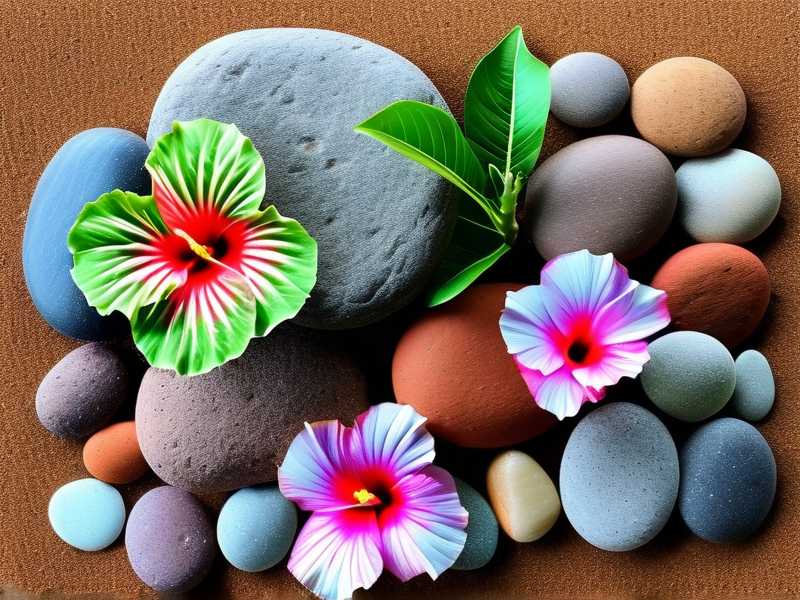
I’ve experimented with at least 10 different stone types over the past few years. Some worked like magic. Others turned my hibiscus into a crispy mess. Here’s what I learned the hard way.
The Role of Top Dressing in Plant Health
Top dressing with stones mimics natural ground cover. It keeps the soil surface from drying out too fast. For my hibiscus, that means less frequent watering and more consistent root zone temperature. The RHS points out that proper mulching can reduce water loss by up to 50%. I’d say that’s spot on based on my own tests.
But here’s the kicker—if you use the wrong stones, they can hold water against the stem and cause root rot. I once used polished river stones and thought I was being smart. Two weeks later, I noticed a foul smell. The soil was soggy underneath. My hibiscus started wilting. I had to repot the whole thing.
3 Deadly Mistakes Beginners Make with Decorative Stones
Mistake #1: Watering Too Much After Adding Stones
This is the biggest trap. You add stones, then think the plant needs more water because the stones look dry. Wrong. The stones trap moisture underneath. I learned this after drowning my second hibiscus. The RHS says that overwatering is the number one killer of indoor plants. I killed three hibiscus before I got it.
What I do now: I water the same amount as before, but I check moisture by sticking my finger 2 inches deep through the stones. If it’s damp, I wait. Simple.
Mistake #2: Wrong Light Position with Stones
You might not think stones affect light, but they do. Dark stones absorb heat and can cook the roots in direct sun. Light stones reflect heat and keep things cooler. I once put black lava rocks on a south-facing hibiscus. Within a week, the leaves scorched. The soil temperature was way too high.
My fix: I use light-colored pebbles for sunny spots. For shady areas, darker stones work fine. Match the stone color to your light conditions.
Mistake #3: Using the Wrong Pot with Stones
Drainage is everything. If your pot doesn’t have drainage holes, the decorative stones will just sit in water. I tried using a decorative pot without holes once. I added a thick layer of stones thinking they’d act as drainage. Nope. The water pooled at the bottom, and the roots rotted. I lost another plant.
What works: Always use pots with drainage holes. The stones on top don’t replace proper drainage. The AHS emphasizes that container plants need excellent drainage to thrive. I only use pots with at least one drainage hole now.
How to Choose the Right Decorative Stones: My 2-Week Test
I tested five different stone types on my hibiscus over two weeks. Here’s what I observed:
Week 1: Setting Up the Test
I took five identical hibiscus plants. Same pot size, same soil mix, same watering schedule. I added different stones to each:
- Smooth river pebbles
- Crushed granite
- Polished glass pebbles
- Lava rock
- Marble chips
I watered them all on day one. Then I waited.
Week 2: The Results
By day 7, the crushed granite pot showed yellowing leaves. The sharp edges irritated the stem. By day 10, the lava rock pot was overheating. The soil temperature was 5 degrees higher than the others. The marble chips pot looked great but the surface dried out too fast. The glass pebbles trapped moisture—bad smell by day 12.
The winner? Smooth river pebbles. They stayed clean, allowed airflow, and didn’t trap water. My hibiscus looked happy. I kept that plant for another year.
My recommendation: Stick with rounded stones. Avoid anything sharp or porous. Polished pebbles are okay but make sure they’re not coated with sealants that can leach into the soil.
Size Matters: What Stone Size Works Best
I’ve tried everything from tiny gravel to giant rocks. The sweet spot is 1-2 inches in diameter. Smaller stones pack together too tightly and trap moisture. Larger stones leave gaps where pests can hide.
My experience: I used pea gravel once. It looked nice but within two weeks, the soil underneath was compacted. Water pooled on the surface. I had to remove everything and start over.
What I use now: Smooth river stones about the size of a grape. They’re big enough to allow airflow but small enough to cover the soil surface evenly.
Color and Aesthetic: Does It Matter for Plant Health?
Honestly, color is mostly for looks. But it does affect temperature. Dark stones absorb heat. Light stones reflect it. For indoor hibiscus, I prefer light colors because they keep the root zone cooler.
My personal preference: I use cream or beige pebbles. They match most pots and don’t attract too much heat. I tried black stones once and the soil got warm to the touch. Not ideal.
The AHS suggests that light-colored mulches are better for summer because they reflect sunlight. I’d agree based on my own tests.
How to Apply Decorative Stones Correctly
Here’s my step-by-step method that works every time:
-
Ensure the soil is dry before adding stones. If the soil is wet, the stones will trap moisture. I always wait until the top inch of soil is dry.
-
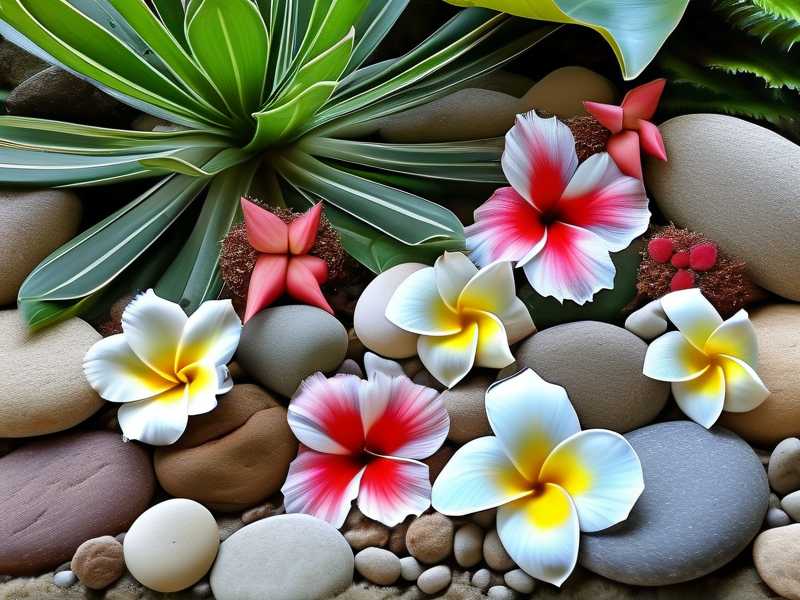
Add a thin layer—no more than 2 inches. Thicker layers block airflow and cause root rot. I use about 1.5 inches.
-
Leave a gap around the stem. I keep stones at least 1 inch away from the base of the plant. This prevents moisture from collecting against the stem.
-
Water from the bottom if possible. I use a tray underneath. This keeps the stones dry and prevents fungal growth.
I learned this after killing a hibiscus by piling stones right up to the stem. The stem rotted in two weeks. Now I’m obsessive about that gap.
Maintenance: What I Do Every Month
Decorative stones aren’t set-and-forget. I check them weekly:
- Remove any fallen leaves or debris. Decaying material under stones breeds mold.
- Rinse the stones every few months. I take them out, wash them with water, and let them dry before putting them back.
- Check for salt buildup. If you see white crust on the stones, it’s mineral salt from fertilizer. I flush the soil with distilled water to fix this.
My routine: Every month, I gently lift a few stones to check the soil underneath. If it’s wet, I remove the stones for a few days to let the soil dry out.
Common Problems and My Solutions
Mold Growth on Stones
I saw white fuzzy mold on my polished glass pebbles after two weeks. The stones were trapping humidity. I removed them, cleaned the pot, and switched to smooth river pebbles. Problem solved.
Stones Displacing During Watering
I used to water from the top, and the stones would scatter everywhere. Now I use a watering can with a narrow spout. I pour slowly and directly onto the soil, not the stones.
Pests Hiding Under Stones
I found ants under my lava rock once. The porous texture gave them hiding spots. I switched to non-porous stones and haven’t had that issue since.
Expert Insights: What the RHS and AHS Say
The RHS recommends using decorative stones as mulch for container plants to reduce water loss and suppress weeds. But they caution against using stones that are too heavy or that block drainage.
The AHS emphasizes that any top dressing should be breathable. They suggest materials like pebbles or gravel that allow air exchange. I follow these guidelines now, and my hibiscus has never been healthier.
FAQ: Questions I Get Asked All the Time
Q: Can I use seashells instead of stones?
I tried seashells once. They looked beautiful but the salt content was a problem. Within two weeks, the soil pH shifted and my hibiscus showed signs of nutrient deficiency. Stick with neutral stones.
Q: How often should I replace the stones?
I replace mine once a year. Over time, they can accumulate mineral deposits or get stained. I rinse them every few months to keep them clean.
Q: Do decorative stones affect fertilizer absorption?
Yes, they can. If you apply granular fertilizer, it might get trapped under the stones. I use liquid fertilizer instead and water it in well. This ensures the roots get what they need.
Final Thoughts from My Garden
Choosing decorative stones for hibiscus top dressing isn’t rocket science, but it does require awareness. I’ve made every mistake in the book—overwatering with stones, using the wrong size, putting them too close to the stem. Each mistake cost me a plant. But now I know what works.
Start with smooth, 1-2 inch river pebbles. Keep the layer thin. Water carefully. Check regularly. Your hibiscus will reward you with vibrant blooms and healthy leaves. I promise you—once you get this right, you’ll never go back to bare soil.