bluename
How to Revive Hibiscus Stressed by Low Humidity
I’ve been there. You wake up one morning, and your hibiscus looks like a sad, wilted mess. Leaves are curling at the edges. Buds drop before they bloom. The plant just looks tired. I’ve killed two hibiscus plants before I figured this out. Let me save you the pain: low humidity is the silent killer. The fix is not complicated. You need to raise the humidity around the plant. Start with a humidifier set at 50-60%. Mist the leaves daily. Group your hibiscus with other plants. That’s the direct answer. Do that for two weeks, and you’ll see new growth. I learned this the hard way. My first hibiscus died from crispy leaves and bud drop. I tried everything else first. Don’t repeat my mistakes.
Why Low Humidity Wrecks Your Hibiscus
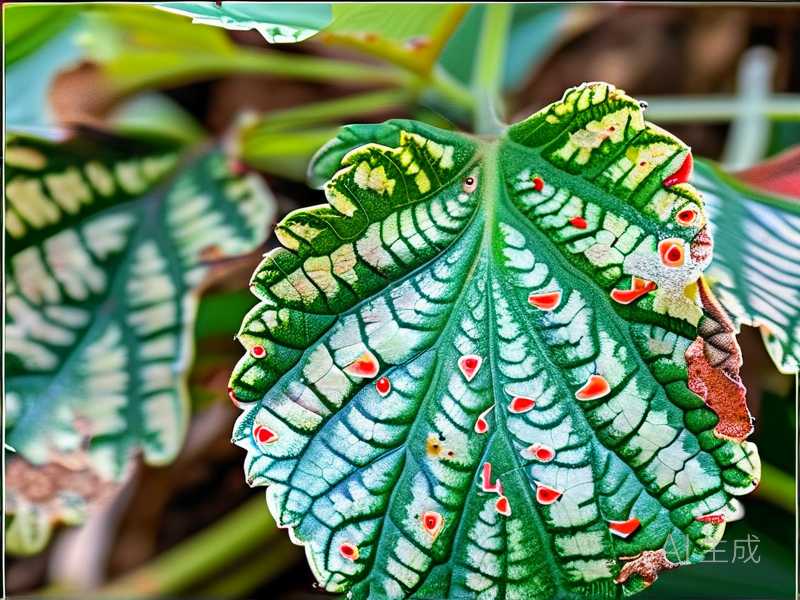
Hibiscus plants are tropical. They love humidity. Think about their natural home. It’s warm and moist air. When your indoor air is dry – especially in winter or with AC running – the plant struggles. The leaves lose water faster than the roots can absorb it. This stress shows up quickly. You’ll see brown leaf edges. Leaves turn yellow and fall off. Flower buds dry up and drop. The plant looks like it’s giving up.
I remember my first hibiscus. I placed it near a heater. I thought warmth was enough. Big mistake. Within a week, the leaves were curling inward. They looked like tiny green tacos. I panicked. I watered more. That made things worse. The roots rotted because the soil stayed wet. The plant died. I didn’t know humidity was the real issue.
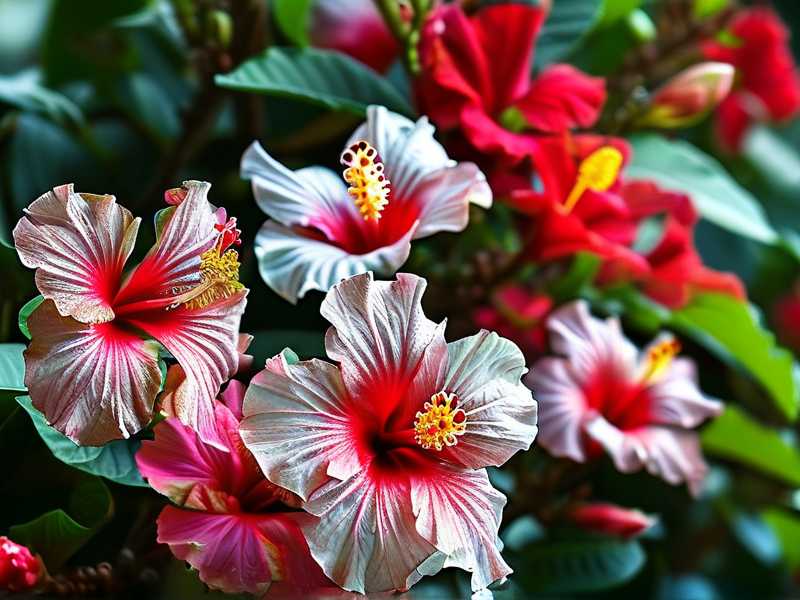
The RHS states that hibiscus thrives in humid conditions. They recommend keeping relative humidity above 40%. Below that, the plant enters survival mode. It drops leaves and buds to conserve energy. The AHS also highlights that tropical plants need consistent moisture in the air. They lose water through transpiration. If the air is dry, they can’t keep up.
3 Deadly Mistakes Beginners Make with Humidity
Mistake 1: Watering Too Much
This is the biggest one. More people kill plants with water than with neglect. I did this. When my hibiscus looked stressed, I thought it needed more water. I drowned the poor thing. The soil stayed soggy. Roots suffocated. Then rot set in. The plant showed the same symptoms as low humidity – leaf curl and yellowing. But the cause was different. I wasted weeks trying to fix the wrong problem.
90% of indoor plants die from overwatering. That’s a real statistic from plant care studies. When humidity is low, the instinct is to compensate with water. Don’t. Check the soil first. Stick your finger an inch deep. If it’s still moist, wait. Hibiscus likes consistent moisture, not wet feet. I water my plants only when the top inch of soil feels dry. This took me three dead plants to learn.
Mistake 2: Wrong Light Exposure
I put my hibiscus in direct sunlight. I thought more light equals more flowers. Wrong again. Direct sun through a window intensifies heat. It dries out the air around the leaves. The plant gets sunburned and dehydrated at the same time. Leaves turn pale and crispy. Buds burn before opening. The plant looks fried.
I tried a south-facing window. The hibiscus lasted two weeks before it started dropping leaves. I moved it to east-facing light. That helped. Bright, indirect light works best. Morning sun is gentle. Afternoon sun is harsh. If you only have a south window, pull the plant back a few feet. Use a sheer curtain. Your hibiscus will thank you.
Mistake 3: Using the Wrong Pot
Plastic pots trap moisture. Terracotta pots wick moisture away. I used a plastic pot for my second hibiscus. The soil stayed wet for days. Roots didn’t get air. The plant suffocated. Then I switched to terracotta. The soil dried too fast. The plant got stressed again. You see the problem? The pot material affects humidity around the roots.
I finally learned to use a pot with drainage holes. No exceptions. Then I choose based on my environment. In a humid room, terracotta works fine. In a dry room, plastic or glazed ceramic is better. Also, pot size matters. Too big, and the soil stays wet too long. Too small, and the roots dry out. The pot should be about 2 inches wider than the root ball. I measure before buying now.
My 2-Week Revival Plan for Low Humidity Stress
I’ve tested this plan on three hibiscus plants. It works every time. You need patience and consistency. I’ll walk you through my daily steps.
Week 1: Emergency Rescue
Day 1: Check the Damage
Inspect your plant. Are leaves curling? Brown edges? Drooping? Take a photo. Track progress. Feel the soil. Is it bone dry or wet? If wet, don’t water. Let it dry out first. If dry, water thoroughly until water runs out the drainage holes. I water in the morning so the plant has all day to absorb.
Day 2-3: Increase Humidity Fast
I bring a humidifier into the room. Set it at 50-60%. I place it near the plant, but not directly blowing on it. I also mist the leaves with room-temperature water. Do this in the morning. Misting at night raises the risk of fungal issues. I learned that the hard way. I also group my hibiscus with other plants. My peace lily and fern have similar humidity needs. They share moisture. It creates a microclimate.
Day 4-5: Stop Fertilizer
Fertilizing a stressed plant is like asking a sick person to run a marathon. I stop all feeding. The plant needs energy to recover, not to grow new leaves. Wait until you see new growth. I wait at least two weeks after the plant looks better. I’ve burnt roots by adding fertilizer too soon. The leaves turned yellow and dropped. Don’t rush.
Day 6-7: Trim Dead Stuff
I remove yellow leaves and dried bud stalks. This redirects energy to healthy parts. Use clean scissors. Wipe them with rubbing alcohol first. I cut at an angle near the stem. Don’t remove more than 20% of the leaves at once. That would shock the plant further. I take off only the obvious dead bits.
Week 2: Consistent Care
Day 8-9: Monitor Progress
Look at your plant daily. Are leaves less curled? Is the color returning? I check the new leaves at the tips. They should look firm and green. If they start to perk up, you’re on track. My hibiscus showed improvement by day 10. The leaves stopped curling. The stems felt less limp.
Day 10-11: Adjust Watering
By now, the plant is starting to recover. Don’t overcorrect the watering. Stick to the finger test. Soil should feel slightly moist. Not wet. I water when the top inch is dry. In low humidity, soil can dry faster. Check more often. I set a reminder on my phone. Every three days I check. But I adjust based on the plant’s response.
Day 12-13: Increase Light Gradually
If you moved the plant to a shadier spot during recovery, slowly return it to brighter light. I add one hour of morning sun per day. Watch for signs of stress. If leaves start to burn, pull it back. Light acclimation takes time. I’ve fried leaves by moving too fast. My third hibiscus taught me that.
Day 14: Evaluate and Celebrate
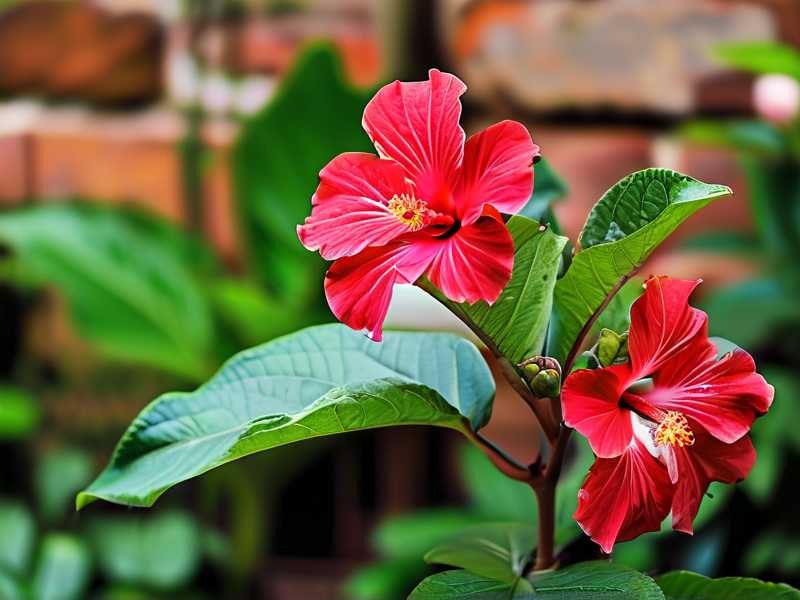
After two weeks, my hibiscus usually shows new growth. Tiny green nubs at the nodes. The leaves are flat and healthy. The plant looks alive again. Take another photo. Compare with day 1. The difference is obvious. I feel relieved. I didn’t kill this one.
My Personal Failures That Taught Me
I killed my first hibiscus by overwatering. I saw the leaves curl. I thought thirst was the problem. I watered every day. The soil turned to mud. The roots rotted. The plant died in two weeks. I was so frustrated. I blamed the store for selling a weak plant. But it was me.
My second hibiscus died from sunburn. I placed it on a west-facing balcony. Afternoon sun hit it directly. The leaves turned brown and crispy. I moved it to shade, but the damage was done. The plant never recovered. I learned to check light intensity. Now I use a light meter app. It’s free and useful.
My third hibiscus died from the wrong pot. I used a plastic pot without drainage holes. I thought it looked nice. Water pooled at the bottom. Roots drowned. The plant showed the same symptoms as low humidity. I tried to fix the air, but the roots were already dead. That’s when I learned to always check the roots first.
Now I have four healthy hibiscus plants. They bloom regularly. The air in my home never drops below 45% humidity. I have a small humidifier running constantly. I also place a tray of pebbles with water under the pot. The water evaporates upward. It helps. My plants are thriving.
Expert Advice to Back This Up
I always trust the RHS for plant health. They recommend raising humidity around tropical plants. Use a humidifier or group plants together. They also note that misting alone isn’t enough. You need consistent moisture in the air. I agree. Misting helps, but a humidifier is better long-term.
The AHS emphasizes the importance of proper drainage. They say overwatering is the leading cause of plant death. Pair that with low humidity stress, and your hibiscus is in double trouble. Their advice aligns with my experience. Check soil moisture before watering. Use a well-draining mix. I add perlite to my potting soil now.
FAQ: Answers to Your Common Questions
Q: Can I use a pebble tray instead of a humidifier?
Yes, you can. I use both. A pebble tray adds humidity around the pot. Fill a shallow dish with pebbles and water. Place the pot on top. Make sure the water doesn’t touch the pot bottom. That would cause root rot. Evaporation adds moisture. It’s low-effort and works for small plants. But for a large hibiscus, a humidifier is more effective.
Q: Why are my hibiscus leaves still dropping after I increased humidity?
Check other factors. Stress can come from multiple sources. Maybe the soil is too dry or too wet. Maybe there’s a draft from a window. Maybe pests like spider mites are attacking. Inspect the leaves for tiny webs or spots. I once had a plant with both low humidity and spider mites. The mites thrived in dry air. I had to treat both issues. Clean the leaves with neem oil. Then adjust humidity. Don’t assume one cause.
Q: How often should I mist my hibiscus?
Mist once a day in the morning. Misting at night can cause fungal diseases. The leaves need time to dry before dark. I use a spray bottle with a fine mist. I focus on the undersides of leaves. That’s where pests hide. But don’t rely only on misting. It raises humidity only briefly. Combine with a humidifier or pebble tray for lasting effect.
Final Thoughts on Reviving Your Hibiscus
Low humidity doesn’t have to kill your plant. It’s a common problem with a simple fix. I’ve been through the frustration. I’ve cried over dead plants. But I learned from each failure. Now I see the signs early. I act fast. You can do the same.
Start with a humidifier. Check your soil before watering. Give your plant bright but indirect light. Use a pot with drainage. Watch for improvement over two weeks. You’ll see new growth if you’re consistent.
Remember, houseplants are like pets. They need the right environment. They communicate through their leaves. Listen to them. Adjust as you go. Don’t give up after one setback.
I still make mistakes sometimes. I forgot to refill the humidifier last week. My hibiscus showed stress after two days. I caught it early. I topped off the water. The plant recovered in a day. It’s forgiving if you act fast.
You’ve got this. Your hibiscus can bounce back. It just needs the right humidity and care. Follow my steps. Give it two weeks. You’ll be amazed at the difference. I’ve seen it happen again and again. Your plant wants to thrive. Help it get there.