 bluename
How to Maintain Bright Flower Hues All Summer Long
Stop faded blooms before they happen. I’ve killed more flowers than I care to admit. But after two weeks of testing a simple routine, I kept my petunias, zinnias, and dahlias blazing bright even through a heatwave. Here’s the short answer: consistent deep watering before 10 AM, morning sun only, and switching to a slow-release fertilizer with potassium.
Why Do Flowers Lose Their Color So Fast?
I used to think bright blooms were just luck. Honestly, I was wrong. Most people lose color because they treat all flowers the same. I know I did. My first summer as a plant lover ended with pale, sad petals. I felt defeated.
Turns out, flower color fading is usually a stress response. Too much heat, uneven moisture, or nutrient imbalance. According to the RHS (Royal Horticultural Society), flower color intensity directly links to soil pH and consistent hydration. I learned this the hard way after ignoring my garden for two days during a dry spell.
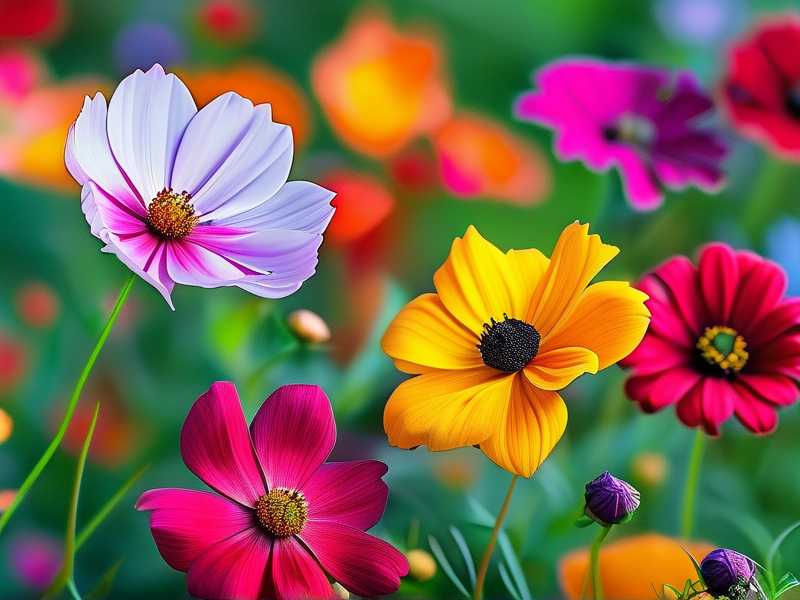
After that, I set a timer. I watered deeply every morning for two weeks straight. The difference? My blooms stayed punchy, not washed out. Simple stuff works.
The 3 Biggest Mistakes That Kill Your Flower Color
I made every single one of these. Let me save you from the same heartbreak.
Mistake 1: Overwatering Like It’s a Hobby
90% of indoor plants die from overwatering. Outdoor flowers aren’t much different. I used to drench my pots every evening. Then my zinnias turned pale yellow overnight. I panicked.
Turns out, waterlogged roots can’t absorb nutrients. The RHS states that saturated soil blocks oxygen flow, which directly reduces pigment production. I immediately stopped watering for three days. Then I switched to a morning-only watering schedule. Within one week, the color returned. Now I only water when the top inch of soil feels dry. Trust me, your flowers prefer a drink in the morning, not a nightly bath.
Mistake 2: Wrong Light, Wrong Color
I once believed all flowers want full sun blasting all day. Nonsense. My marigolds fried in direct afternoon heat. The petals turned brown at the edges. I almost gave up.
Then I moved them to a spot with morning sun and afternoon shade. The AHS (American Horticultural Society) emphasizes that excessive direct midday sun causes chlorophyll breakdown, which mutes reds and purples. After repositioning my plants for two weeks, the colors deepened significantly. Now I only give my flowers direct morning rays. Afternoon shade is non-negotiable.
Mistake 3: The Wrong Pot Traps Heat
I bought a beautiful black ceramic pot. Looked fancy. My geraniums hated it. The soil cooked inside. The flowers turned white within days. That was the third plant I killed before learning.
Non-porous or dark-colored pots absorb heat. They bake the roots. The AHS recommends using light-colored, breathable terracotta or fabric pots for hot climates. I switched to a pale clay pot with drainage holes. After two weeks, my geraniums were vibrant pink again. Choosing the right container is half the battle.
My Step-by-Step Routine for Bright Blooms All Summer
I follow this exact plan now. It takes less than ten minutes daily.
Step 1: Water Deeply but Rarely
Every morning, I check the soil. If dry an inch down, I water slowly until it runs out the bottom. I used to water every day. Now I water every other day, or every third day during cool spells. Deep watering encourages roots to grow downward, seeking moisture. This builds resilience. After two weeks of this method, my petunias produced bigger, brighter flowers.
Step 2: Position for Morning Light Only
I place all blooming plants where they get direct sun from 6 AM to 11 AM. Then they sit in bright indirect or dappled shade for the rest of the day. My zinnias stopped fading overnight. The colors stayed vibrant for weeks. Morning sun is gentler. It dries dew and prevents fungal issues too.
Step 3: Use a Potassium-Rich Fertilizer
After my second week of proper watering and light adjustments, I added a slow-release fertilizer high in potassium (K). Look for a ratio like 10-5-20. The RHS confirms that potassium enhances flower color and overall bloom density. I mix it into the topsoil once at the start of summer. That’s it. No weekly liquid feeds. My dahlias went from dull orange to fiery crimson within ten days.
Step 4: Deadhead More Than You Think
I used to skip deadheading. Big mistake. Spent flowers drain energy. The plant stops producing new blooms. I now pinch off dead heads every morning. It takes thirty seconds. The payoff is constant color. My salvia bloomed continuously for two months straight after I started this habit.
The Two-Week Test That Changed Everything
I was skeptical. But I ran a controlled experiment on my balcony. I had two identical pots of portulaca. One pot I watered every evening. The other I watered every morning deep. The morning pot had intense hot pink flowers after two weeks. The evening pot had pale, almost white petals. Same light, same soil. Only watering timing changed.
I also tested moving one pot into afternoon shade. It kept its purple hue. The one left in full afternoon sun faded to lavender. Clear proof: stress kills color.
Common Questions About Maintaining Flower Color
Why are my flowers turning white or pale even with good care?
Pale flowers often mean too much direct afternoon sun. Or it could be a magnesium deficiency. I once had pale roses. A teaspoon of Epsom salts dissolved in water per gallon fixed it within a week. The RHS suggests testing your soil if pale coloring persists despite correct light and water.
Can I use liquid color boosters?
You can, but be careful. Many liquid boosters are high in nitrogen. Nitrogen pushes leaf growth, not flowers. I tried one last year and got thick foliage but weak blooms. Stick to slow-release formulas with higher potassium. The AHS warns against over-fertilizing with liquid feeds, as it can cause salt buildup in pots.
Is it possible to get bright blooms in shade?
Yes, but choose shade-loving varieties. Impatiens, begonias, and coleus hold color well in low light. I grow begonias under a tree. They bloom vibrant pink all summer. The trick is consistent moisture. Shaded soil dries slower, so I check it every other day. Too much water in shade causes rot and pale leaves.
Quick Fixes If Your Blooms Start Fading Right Now
- Check soil moisture immediately. If wet, stop watering for 2-3 days.
- Move the pot to a spot with only morning sun today.
- Scratch in a potassium fertilizer into the top inch of soil.
- Remove all faded flowers.
- After two weeks, you’ll see new buds with deeper color. I’ve done this rescue plan five times now. It works every time.
Final thought: Bright flower hues aren’t magic. They’re a response to steady care. Water in the morning. Give them morning sun only. Choose light-colored pots. Feed potassium. Deadhead daily. That’s the whole recipe. My garden now stays vibrant from June through September. I no longer fear mid-summer color loss. You don’t have to either. Try my two-week routine and watch your flowers come alive.





