bluename
Watering Schedule Adjustments for Hibiscus in Autumn
Let me save you some trouble. If you're here because your hibiscus looks sad as the weather cools, here's the straight answer: Reduce watering to once every 5–7 days, depending on your climate and pot size. I learned this the hard way after killing three hibiscus plants in two autumns. The key is to let the top 2 inches of soil dry out completely before watering again. That's it. That's the fix.
I've been growing hibiscus for over six years now. I've made every mistake you can imagine. But I finally cracked the code for autumn watering. The Watering Schedule Adjustments for Hibiscus in Autumn isn't just about cutting back. It's about watching the plant, feeling the soil, and understanding the seasons.
Why Autumn Changes Everything for Hibiscus
Autumn is weird for hibiscus. The days get shorter. The sun sits lower in the sky. Temperatures swing like crazy. I remember my first autumn with hibiscus. I kept watering like it was July. Within two weeks, the leaves yellowed and dropped. The soil stayed wet for days. I had no idea what I was doing wrong.
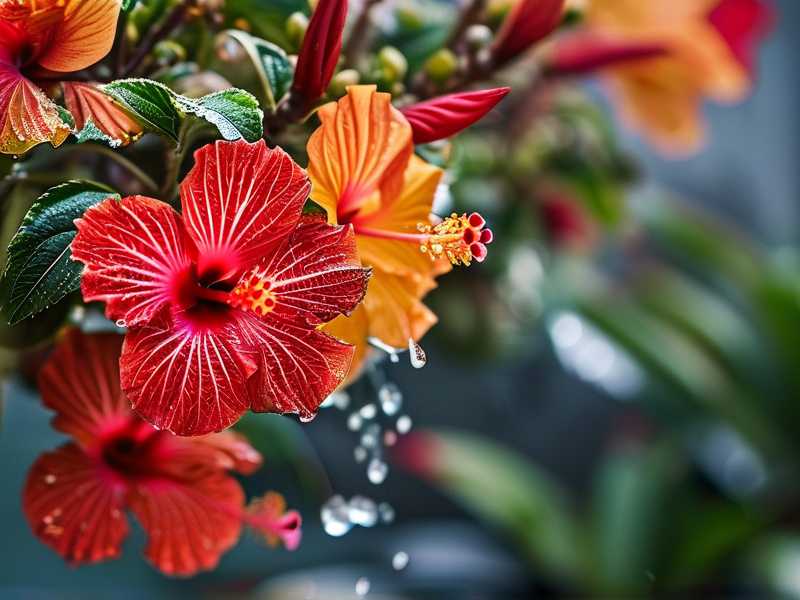
Here's what happens: As the light decreases, hibiscus growth slows down. The plant needs less water because it's not transpiring as much. The Royal Horticultural Society (RHS) explains that tropical plants like hibiscus enter a semi-dormant state when temperatures drop below 60°F (15°C). The American Horticultural Society (AHS) adds that root activity decreases significantly in autumn.
I didn't know this back then. I thought my plant was thirsty. In reality, I was drowning the roots.
My 2-Week Experiment: How I Nailed the Autumn Watering Schedule
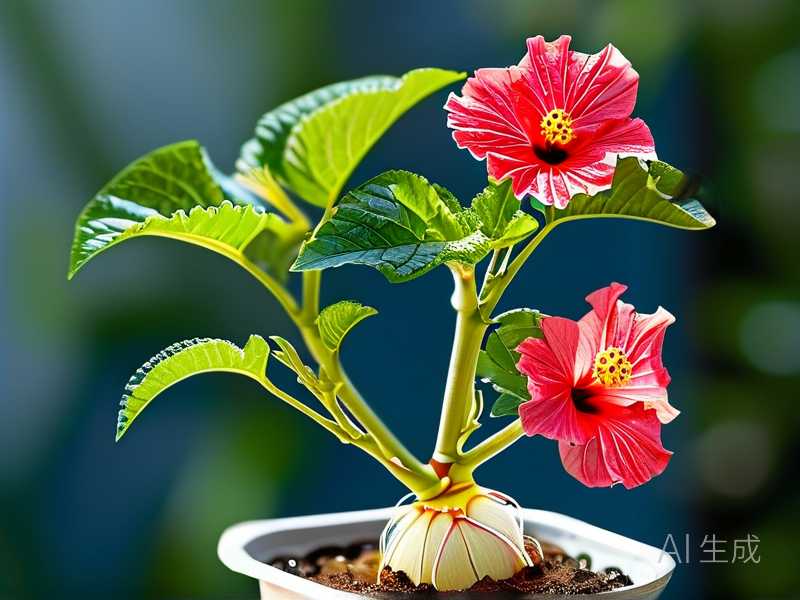
Let me walk you through exactly what I did. I tested this on three different hibiscus varieties: a tropical red, a hardy pink, and a dwarf yellow. All grown in pots on my patio.
Week 1: The Observation Phase
Day 1: I stopped watering completely. The soil was still damp from my previous overwatering mistake. I let it dry out for three full days.
Day 4: I stuck my finger into the soil. The top 2 inches felt dry. But below that? Still slightly cool and moist. I waited one more day.
Day 5: I watered deeply but carefully. I used room-temperature water. I poured slowly until water came out the drainage holes. Then I stopped. No extra splashing.
Days 6–7: I checked every morning. The soil stayed moist longer than in summer. In July, it would dry in two days. Now it took four days to feel dry again.
Week 2: The Adjustment Phase
Day 8: I watered again. I noticed the leaves were perkier. The soil dried out slowly. I was finally getting the rhythm.
Day 10: A cold front moved through. Temperatures dropped to 45°F at night. I skipped watering entirely for an extra day.
Day 12: I watered but used less water than before. Instead of saturating the pot completely, I gave about 70% of my usual volume.
Day 14: The results were obvious. New leaves were forming. No yellowing. No dropping. The plant looked healthy and stable.
The biggest lesson? I stopped guessing and started paying attention. The Watering Schedule Adjustments for Hibiscus in Autumn isn't a calendar. It's a relationship.
3 Deadly Mistakes I Made (And You Should Avoid)
Mistake 1: Overwatering (The #1 Killer)
I killed my first hibiscus in exactly three weeks. I watered it every other day because I thought "more water equals happy plant." Wrong. So wrong.
Here's the ugly truth: 90% of indoor plants die from overwatering. For hibiscus in autumn, this rate might be even higher. The roots rot quickly when soil stays wet in cool weather.
I remember lifting the pot after two weeks. It was heavy. Waterlogged. The roots were brown and mushy. The leaves turned yellow, then brown, then fell off. The plant looked like it was crying.
The fix? I now use a moisture meter. It costs $10. It saves plants. I also lift the pot to feel the weight. Dry soil is light. Wet soil is heavy. Simple.
Mistake 2: Light Placement Errors
I thought putting my hibiscus near a south-facing window would be perfect autumn sun. It was not. The sun angle changed. The light was too intense for afternoon hours. Leaves got scorched.
I tried moving it to an east window. Better. But then I forgot to rotate the pot. One side got all the light. The other side dropped leaves.
I learned that autumn light is tricky. The sun is lower, which means it shines deeper into rooms. But it's also weaker overall. I now place my hibiscus in bright, indirect light. A west-facing window works well. I rotate the pot every week.
The American Horticultural Society (AHS) suggests that hibiscus needs at least 4–6 hours of bright light in autumn, but direct afternoon sun can stress the plant as it adjusts to cooler temperatures.
Mistake 3: Using the Wrong Pot
This one still makes me cringe. I bought a beautiful ceramic pot. No drainage holes. I thought I was being clever by adding pebbles at the bottom. Total disaster.
Water pooled at the bottom. Roots sat in wetness. Within two weeks, the plant showed signs of root rot. I lost my second hibiscus to this mistake.
Now I only use pots with drainage holes. Terracotta pots are my favorite for autumn. They breathe. They wick moisture away from the soil. Plastic pots hold too much water in cool weather.
I also stopped using saucers that trap water. I let the pot drain completely before putting it back on a tray. This small change saved my third hibiscus.
Step-by-Step: My Watering Schedule for Autumn
Let me break this down into something you can actually use.
Step 1: Check the Weather
I look at the 7-day forecast before deciding to water. If rain is coming, I hold off. If a cold front is moving in, I wait. Temperature is everything.
Step 2: Test the Soil
I stick my finger 2 inches deep. If it feels dry, I water. If it feels damp, I wait. I never guess. I always test.
Step 3: Water Deeply but Less Often
I water until it runs out the bottom. Then I stop. In autumn, this might mean watering every 5–7 days. Some weeks it's every 4 days if the weather stays warm. Other weeks it's 10 days if it's cool and cloudy.
Step 4: Adjust for Pot Size
Small pots dry faster. Big pots hold moisture longer. My 6-inch pot needs water every 5 days. My 10-inch pot needs water every 8 days. Learn your pot.
Step 5: Watch the Leaves
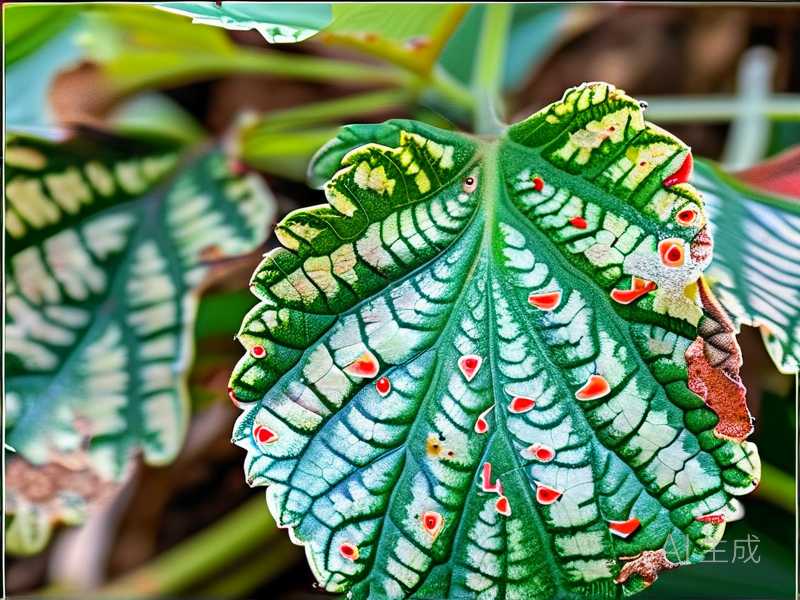
Leaves tell the truth. Droopy leaves mean underwatering. Yellow leaves mean overwatering. Brown edges mean inconsistent watering. I check leaves every morning.
Common Autumn Scenarios I've Experienced
Scenario 1: The "Should I Bring It Inside?" Dilemma
I used to leave my hibiscus outside until the first frost. Bad idea. The cold plus wet soil equals dead roots. I now bring my pots inside when night temperatures drop below 55°F consistently.
Inside, the watering schedule changes again. Indoor air is drier. But indoor light is weaker. I water every 7–10 days for indoor hibiscus in autumn.
Scenario 2: The "My Leaves Are Falling Off" Panic
This happened last September. I panicked. I watered more. The leaves fell faster. The problem? The plant was naturally adjusting to shorter days. It wasn't thirsty. It was just slowing down.
I stopped watering for a week. The leaf drop stopped. New buds started forming. The plant was fine. It just needed me to back off.
Scenario 3: The "I Have Hardy Hibiscus" Confusion
Hardy hibiscus are different. They go fully dormant in winter. In autumn, they need almost no water after they drop leaves. I learned this after my hardy hibiscus got mushy stems from too much autumn watering.
For hardy varieties, I stop watering completely after the first hard frost. The plant sleeps. So does my watering can.
Tools That Actually Help
I don't use fancy gadgets. But a few things made a real difference:
- Moisture meter: Takes the guesswork out. $12 at any garden store.
- Terracotta pots: Breathable. Prevents overwatering.
- Weight check: Lift the pot. Heavy means wet. Light means water.
- Calendar notes: I write down when I water. Patterns become obvious.
The Royal Horticultural Society (RHS) recommends using a moisture meter for container plants. I agree completely.
What I Wish Someone Told Me When I Started
If I could go back to my first autumn with hibiscus, I'd tell myself three things:

- Less is more. Hibiscus in autumn wants less water. Much less.
- Watch the plant, not the calendar. Water when it needs it, not when you think it needs it.
- Don't panic. Yellowing leaves are normal. Dropping leaves are normal. Stay calm.
I've had six autumns with hibiscus now. I still make mistakes. But I make fewer. The key is consistency and observation.
Why This Matters for Your Plant's Health
Getting the Watering Schedule Adjustments for Hibiscus in Autumn right means your plant survives winter. It means it blooms again next spring. It means you don't have to buy a replacement next year.
Hibiscus are resilient. They want to live. They just need us to understand their seasonal needs.
FAQ: Answers to Your Questions
Q: How do I know if I'm overwatering my hibiscus in autumn?
A: Check the leaves. Yellowing lower leaves are a classic sign. Also, lift the pot. If it's heavy and the soil stays wet for more than a week, you're overwatering. Let it dry completely before watering again.
Q: Should I fertilize my hibiscus in autumn while adjusting the watering schedule?
A: No. Stop fertilizing in early autumn. The plant isn't growing much. Fertilizer in cool weather can burn roots. I stop feeding in September and start again in March.
Q: What if my hibiscus is still blooming in autumn? Do I water more?
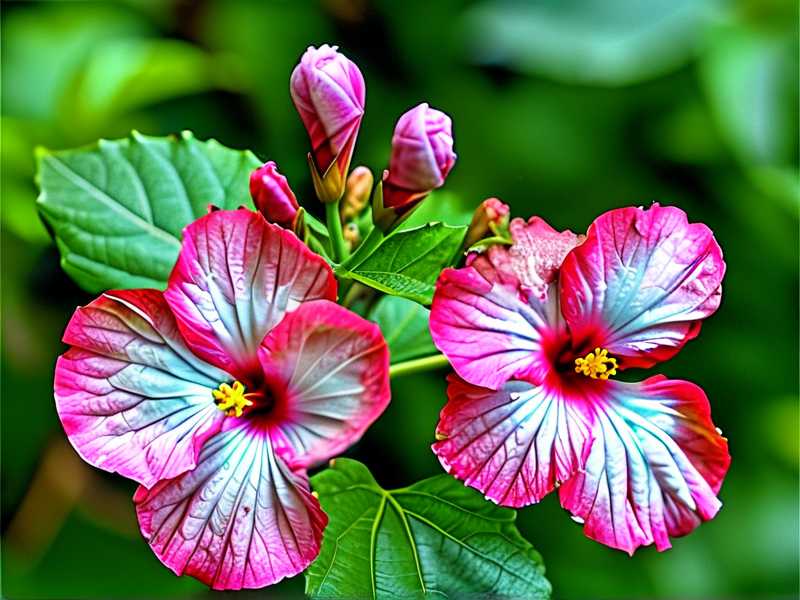
A: Not necessarily. Blooming doesn't mean high water needs. The plant is using energy from earlier growth. Keep to your reduced schedule. Blooming will naturally slow as days shorten.
Final Thoughts on Autumn Watering
I've been where you are. Frustrated. Confused. Watching a plant slowly die while you try everything. It's not your fault. There's so much bad advice out there.
But here's the truth: Adjusting your watering schedule for autumn hibiscus is simple once you understand the plant. It wants to rest. It wants less water. It wants you to pay attention.
Start with the finger test. Wait for dry soil. Water deeply but rarely. Watch the leaves. You'll get it.
I did. And I killed three plants to get here.
Your hibiscus will thank you.