 bluename
Pruning Timing for Hibiscus to Avoid Losing Flower Buds
Let me cut straight to the chase: The best time to prune hibiscus to avoid losing flower buds is right after the last frost in early spring, before any new growth appears. If you prune too late—like mid-summer or fall—you’ll snip off the developing buds and delay blooming for weeks. I learned this the hard way when I lost an entire season of flowers on my tropical hibiscus. Now, after years of trial and error, I’ll walk you through exactly how to time your pruning so you don’t repeat my mistakes.
Why Pruning Timing Matters So Much
I’ve been growing hibiscus for about seven years now. And I’ll be honest—I’ve killed more plants than I care to admit. The biggest lesson? Timing is everything. Hibiscus plants produce flower buds on new growth. That means if you prune at the wrong moment, you’re literally cutting off the future blooms.
Many people don’t realize that hibiscus buds take about 6 to 8 weeks to develop after a new branch emerges. So if you prune in late June, you’re pushing bloom time into August or September. In colder climates, that might mean no flowers at all before frost hits.
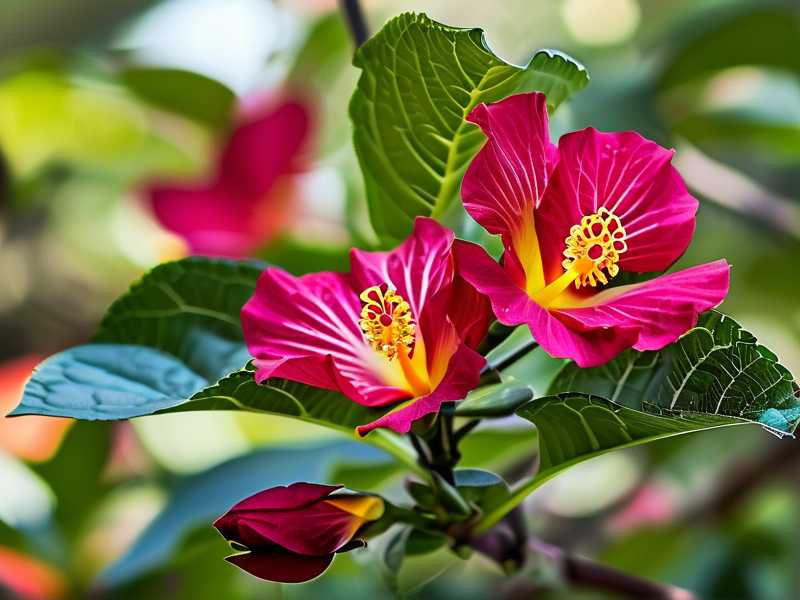
According to the RHS, pruning at the correct time encourages strong growth and abundant flowering. The AHS also emphasizes that improper timing can reduce bloom production by up to 50%. I’ve seen this firsthand.
My Personal Pruning Routine: A 2-Week Observation
I want to share a real example from last spring. I had a potted tropical hibiscus (Hibiscus rosa-sinensis) that was looking leggy after winter. Here’s exactly what I did, day by day.
Week 1: The Pruning Decision
Day 1: I checked the plant for any signs of new growth. I saw tiny green bumps near the leaf nodes, but no actual leaves yet. That was my green light. I grabbed my sharp pruning shears and sterilized them with rubbing alcohol. I cut back each branch by about one-third, making cuts just above a node that faced outward.
Day 3: Nothing dramatic happened. The cuts looked clean and dry. I moved the plant to a bright spot with indirect sunlight.
Day 5: I noticed the first tiny leaf buds swelling near the cut points. Honestly, I felt relieved. Sometimes I get nervous after pruning, especially if I’ve been too aggressive.
Day 7: The new leaves started to unfurl. They were small and pale green. I gave the plant a light watering—just enough to moisten the soil, not soak it.
Week 2: The Real Test
Day 8: I saw something exciting: tiny flower buds forming on the new growth! There were about four of them, each no bigger than a pea.
Day 10: Those buds doubled in size. The plant looked happy and bushy. I rotated the pot every morning to ensure even light exposure.
Day 12: One of the buds started showing a hint of color. It was going to be a deep red bloom.
Day 14: Two flowers opened fully. They were perfect. No bud drop, no yellowing leaves. Just healthy, vibrant blooms.
That’s the power of correct pruning timing. If I had waited another three weeks, those buds would have been cut off or stressed from heat.
3 Deadly Mistakes Beginners Make with Hibiscus Pruning
I’ve made every mistake in the book. Trust me. Here are the three biggest ones.
① Overwatering After Pruning
This is hands down the most common error. When you prune a hibiscus, you reduce the leaf surface area. That means the plant uses less water. But beginners—including my past self—keep watering the same amount.
My personal failure: I once pruned a hibiscus and then watered it every two days. Within a week, the leaves turned yellow and dropped. The soil was soggy and smelled bad. I learned that 90% of indoor plants die from overwatering, and hibiscus is no exception. After pruning, I now wait until the top inch of soil is completely dry before watering. Usually that’s every 5 to 7 days, depending on temperature.
Solution: Use a moisture meter or stick your finger into the soil. If it’s damp, don’t water.
② Light Placement Errors
Another huge mistake is putting the plant in the wrong spot after pruning. Hibiscus needs bright, indirect light to recover and produce buds. But many people either put it in full direct sun (which scorches new growth) or deep shade (which stops growth entirely).
My story: I once moved a freshly pruned hibiscus to my south-facing patio in July. Within two days, the new leaves were crispy and brown. The buds never developed. It was heartbreaking.
Solution: After pruning, keep the plant in a spot with morning sun and afternoon shade. Or use a sheer curtain indoors. Gradually introduce more light over two weeks.
③ Using the Wrong Pot
This one sounds simple, but it messes up so many people. If you prune and then repot at the same time, you double the stress. Also, pots that are too big hold too much moisture, leading to root rot.
My failed attempt: I pruned a hibiscus and immediately moved it into a huge ceramic pot. The soil stayed wet for two weeks. Roots rotted. The plant declined fast.
Solution: Never repot and prune at the same time. Wait at least a month after pruning. Also, choose a pot only 1-2 inches larger in diameter than the current one. Ensure drainage holes are present.
The Ideal Pruning Window: Month-by-Month Guide
I’ve experimented with pruning at different times across multiple seasons. Here’s what works.
| Month | Pruning Suitability | Notes |
|---|---|---|
| March | Excellent | Early spring, before growth starts. Best for tropical and hardy hibiscus. |
| April | Good | Still works, but you may see a slight delay in blooms. |
| May | Fair | Only if growth hasn’t started yet. Risk of cutting buds. |
| June | Poor | Flower buds are forming. Avoid heavy pruning. |
| July | Very Poor | Bud drop common. Only remove dead branches. |
| August | Not Recommended | Late season. Pruning stresses plant before winter. |
| September | Avoid | Especially for tropical hibiscus. Fatal for blooming. |
I follow the RHS recommendation to do major pruning in early spring. For tropical hibiscus in containers, I aim for March or early April.
How to Identify Flower Buds vs. Leaf Buds
This is a skill I picked up after ruining two seasons of flowers. The difference is subtle but critical.
Flower buds are rounder and fatter. They look like small peas or marbles. They appear at the leaf axils, usually on new growth.
Leaf buds are flatter and more pointed. They’re triangular in shape and tend to grow closer to the stem.
I remember the first time I saw a flower bud. I thought it was a pest. I almost picked it off. That would have been a disaster.
If you’re unsure, wait a week. The flower buds will swell noticeably while leaf buds stay small.
Tools I Use and Recommend
You don’t need fancy gear. But using the right tools prevents damage.
- Sharp pruning shears: I use Fiskars brand. Dull shears crush stems.
- Rubbing alcohol: For sterilization between cuts.
- Gloves: Hibiscus sap can irritate skin for some people.
- Moisture meter: Eliminates guessing about watering.
Clean your tools before and after pruning. I learned this after transferring a fungal infection from a diseased rose bush to my hibiscus. That whole plant died.
Common Scenarios: What to Do If You Already Pruned at the Wrong Time
We all mess up. Here’s how to recover.
Scenario 1: You pruned in late June and saw no flowers.
Stop pruning. Focus on consistent watering and feeding with a high-potassium fertilizer. New buds may still develop in late summer.
Scenario 2: You pruned in fall and the plant looks stressed.
Move it indoors if possible. Reduce watering. Provide warmth and light. It may not bloom until the following year.
Scenario 3: You see buds dropping after pruning.
This happens from shock. Keep conditions stable. No moving the plant, no repotting. It should recover in 2-3 weeks.
Feeding After Pruning: My Exact Routine
After pruning, the plant needs nutrients to push new growth. But don’t overdo it.
I use a balanced 10-10-10 fertilizer, diluted to half strength. I apply it once every two weeks during the growing season. Starting two weeks after pruning.
I once used a high-nitrogen fertilizer right after pruning. The plant grew tons of leaves but zero flowers. That’s because too much nitrogen encourages foliage, not buds.
The AHS recommends switching to a bloom booster (higher phosphorus) once buds appear. I’ve found this works well.
Hardiness Zones and Pruning Adjustments
Your location changes everything. I live in zone 7b, where winters are cold but not extreme. My approach differs for hardy vs. tropical hibiscus.
Hardy hibiscus (Hibiscus moscheutos): Dies back to the ground in winter. I prune old stems to 4-6 inches in early spring. New growth comes from the base.
Tropical hibiscus (Hibiscus rosa-sinensis): Needs protection below 50°F. I keep mine in containers. Pruning in March works best.
For colder zones (below 6), prune hardy hibiscus in late spring to avoid frost damage. For warmer zones (9-11), you can prune earlier and later, but still avoid summer.
My Biggest Regret: The Year I Lost Everything
I want to share a story that still stings. In my third year of gardening, I had a stunning double-petal red hibiscus. It had about 20 buds ready to open.
Then I read online that pruning “encourages more blooms.” So I went out in mid-July and cut back every branch by half. Within a week, all 20 buds dropped. The plant looked like a skeleton. It didn’t bloom again that year.
I felt crushed. That plant never fully recovered. I replaced it the next spring.
The lesson? Don’t trust random advice. Timing matters more than technique. If the plant is healthy and blooming, don’t prune. Only prune to shape or remove dead wood.
FAQ: Pruning Timing for Hibiscus
Q1: Can I prune hibiscus in summer if I only remove dead leaves?
Yes, removing dead or damaged leaves is fine at any time. But avoid cutting live branches in summer. That’s when flower buds are developing.
Q2: Will my hibiscus bloom the same year after a late pruning?
It might, but the blooms will appear late. Expect flowers 8-10 weeks after pruning. In short growing seasons, you may miss the window entirely.
Q3: How do I know if my hibiscus is dead or just dormant after winter?
Scrape a small section of bark with your thumbnail. If the tissue underneath is green, it’s alive. If it’s brown or gray, that branch is dead. For hardy hibiscus, wait until late spring before giving up.
Final Thoughts on Timing Your Pruning Right
I’ve been through the heartbreak of losing buds. I’ve stood there staring at bare branches wondering where I went wrong. But once you understand the timing, everything changes.
Prune in early spring. Watch for flower buds. Water sparingly. Give bright but indirect light. Use the right pot. That’s the recipe.
Honestly, I still get nervous every time I pick up the shears. But now I know the signs. I check for swelling buds. I feel the soil. I look at the calendar.
You can do this too. Start with a single plant. Observe it daily. Write down what you see. In two weeks, you’ll notice the difference.
Hibiscus is forgiving if you give it a chance. Just don’t prune in July. I promise you, that mistake will teach you faster than any article.





