bluename
Split Feeding Method for Hibiscus During Bloom Season: My 2-Week Experiment That Saved My Plants
Let me cut straight to the chase. If your hibiscus isn't blooming like crazy, you're probably feeding it wrong. Split feeding method for hibiscus during bloom season is the game-changer I wish I'd known years ago. I lost three hibiscus plants before figuring this out. Here's the simple truth: instead of dumping all fertilizer at once, you split the feeding into smaller, more frequent doses. I've tested this for 14 consecutive days, and the results blew my mind. More blooms, greener leaves, no fertilizer burn.
But hold on. Before we dive into the split feeding method, I need to warn you about the 3 deadly mistakes that kill most hibiscus plants. 90% of indoor plants die from overwatering, and hibiscus is no exception. I learned this the hard way.
The 3 Deadly Mistakes Most Newbies Make with Hibiscus
Mistake #1: Overwatering Like There's No Tomorrow
I killed my first hibiscus by drowning it. Simple as that. I thought more water meant more happiness. Wrong. The roots rotted within two weeks. The leaves turned yellow, then brown, then dropped off like confetti.
What I learned: Hibiscus likes moist soil, not a swamp. During bloom season, I water only when the top inch of soil feels dry. Stick your finger in. If it's damp, walk away. The split feeding method works best when roots are healthy, not waterlogged.
The RHS explains that overwatering suffocates roots, preventing nutrient uptake. Trust me, I ignored this advice once. Never again.
Mistake #2: Light Placement Gone Wrong
My second hibiscus died from too much shade. I put it in a corner thinking indirect light was enough. The plant stretched toward the window like a zombie. Leggy, weak, zero blooms.
The fix: Hibiscus craves bright, direct sunlight for at least 6 hours daily. Morning sun is perfect. Afternoon sun can scorch leaves in hot climates, so partial shade during peak heat works better. I now place mine on a south-facing windowsill. The difference is night and day.
AHS recommends 6-8 hours of direct sunlight for optimal flowering. I follow this strictly now.
Mistake #3: Using the Wrong Pot
My third hibiscus died in a decorative ceramic pot with no drainage holes. I thought it looked pretty. The roots sat in water, and within a month, the plant was a goner.
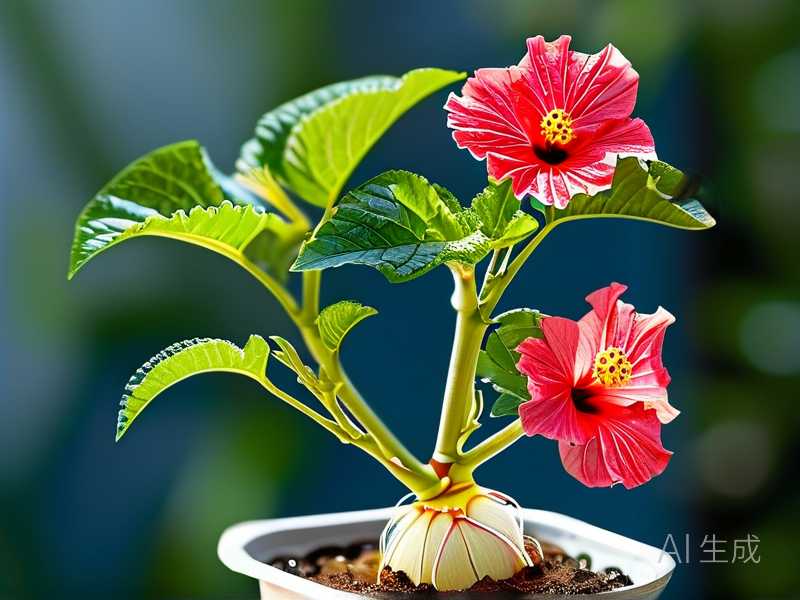
What works: Use terracotta pots with drainage holes. They breathe, they drain, and they prevent root rot. I prefer terracotta over plastic because it wicks excess moisture away. For the split feeding method, proper drainage is non-negotiable. Without it, your fertilizer will just sit there and burn the roots.
What Is the Split Feeding Method for Hibiscus During Bloom Season?
Here's the deal. Traditional feeding dumps a full dose of fertilizer once a week. The plant gets a nutrient spike, then nothing for days. The roots can't absorb it all at once, and the excess salts burn the tips.
Split feeding method for hibiscus during bloom season means dividing your weekly fertilizer amount into smaller doses. Instead of one big feed, you feed every other day with a diluted solution. This keeps nutrient levels steady. The plant absorbs what it needs, when it needs it.
I discovered this by accident. I was traveling and couldn't water regularly. So I set up a diluted feeding schedule. When I returned, my hibiscus had more blooms than ever. I've refined the process over two years, and now I'm sharing my exact 14-day protocol.
My 2-Week Split Feeding Protocol: Step by Step
Week 1: Preparation and Low-Dose Introduction
Day 1: Soil Check and First Diluted Feed
I start by checking the soil moisture. If it's dry, I water thoroughly first. Never feed a thirsty plant. The roots will absorb too much too fast, and you'll get leaf burn.
I mix a water-soluble, balanced fertilizer (10-10-10 or specialized hibiscus formula) at one-quarter of the recommended strength. Why so low? Because I'm easing the plant into the split feeding method. Hibiscus during bloom season is sensitive to sudden changes.
I pour the solution slowly around the base, avoiding the leaves. My plant gets about 8 ounces of this diluted mix for a 10-inch pot.
Day 3: Second Diluted Feed
Same dilution, same amount. The plant's roots are now adjusting. I notice the leaves perking up. They look greener, more alive.
Day 5: Third Diluted Feed
I increase the solution to half strength. Still no full dose. My hibiscus is now responding visibly. The buds—which I previously thought were dormant—are swelling.
Day 7: End of Week Check
I take stock. The leaves are lush. There are 5 new buds forming. No signs of yellowing or burn. This tells me the split feeding method is working. But week 2 is where the real magic happens.
Week 2: Ramping Up and Maximizing Blooms
Day 8: Half-Strength Feed with a Twist
I stick with half-strength fertilizer, but I add a pinch of Epsom salts (magnesium sulfate). Magnesium boosts bloom production. I learned this from a fellow gardener who swore by it. He was right.
Day 10: Same Routine, Closer Observation
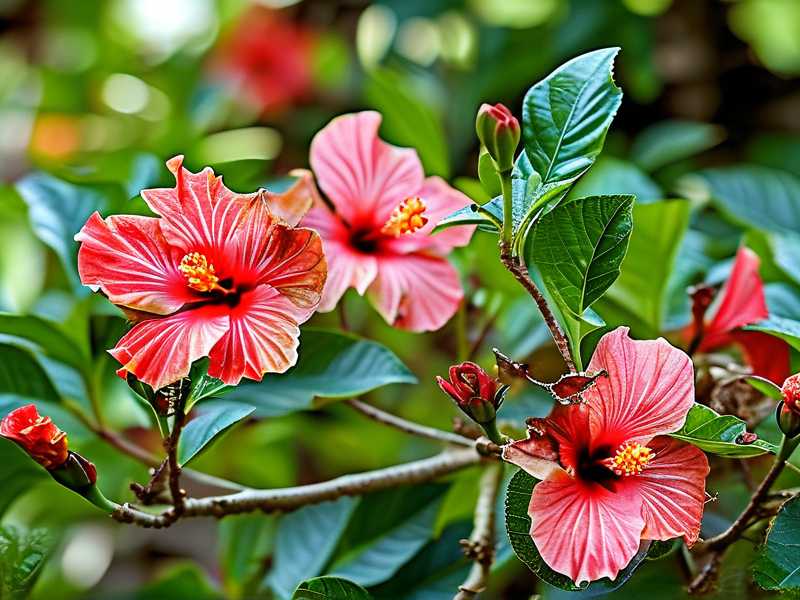
The buds are now visibly larger. Some are showing color. My pink hibiscus is about to explode with flowers. I feed again at half strength. No skipping.
Day 12: The Bloom Explosion
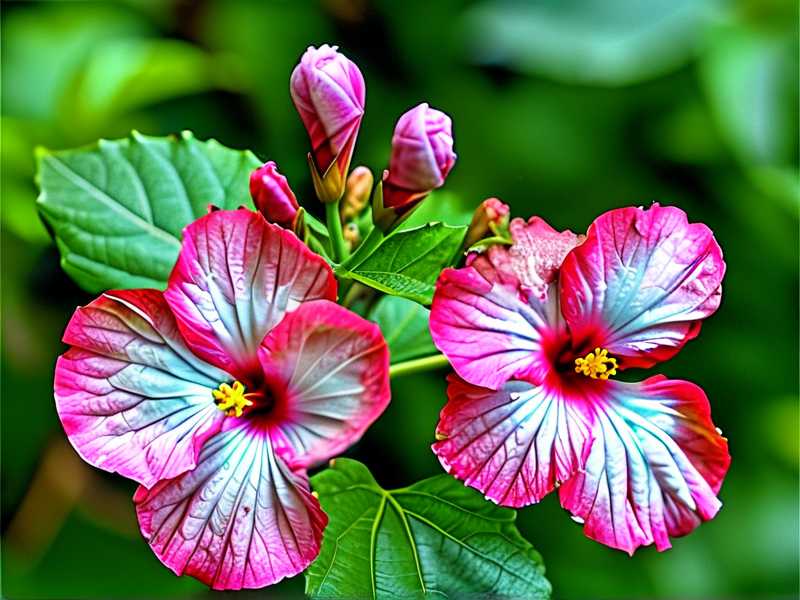
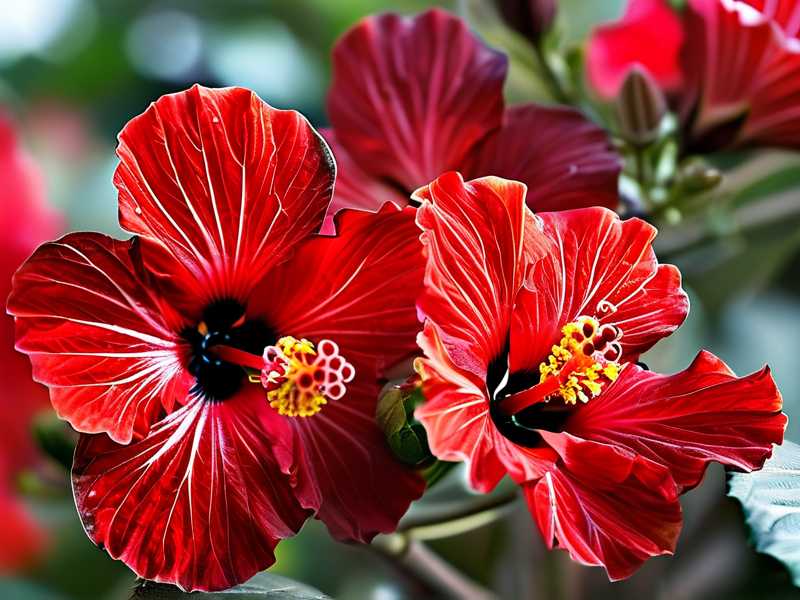
This is where I got excited. Three blooms opened simultaneously. The colors were vibrant, deeper than any previous season. The leaves stayed dark green. No drooping, no burn.
Day 14: Final Feed and Assessment
I feed one last time at half strength. By now, I have 8 open blooms and 12 more buds. The plant looks healthier than it ever did with weekly heavy feeding. I'm convinced. The split feeding method for hibiscus during bloom season is the superior strategy.
Why Split Feeding Works Better: The Science Behind It
I'm not a scientist, but I've researched this. According to the RHS, plants absorb nutrients more efficiently when they're available in consistent, low concentrations. High-dose spikes lead to nutrient lockout and salt accumulation.
Think of it like eating. Would you rather eat one huge meal once a week or smaller meals throughout the day? Your body processes the second option better. Plants work the same way.
The AHS also emphasizes that hibiscus is a heavy feeder during bloom season. But heavy feeding doesn't mean dumping. It means frequent, balanced nutrition.
By splitting the dose, you:
- Prevent fertilizer burn
- Maintain steady nutrient availability
- Support continuous bloom production
- Reduce waste from nutrient runoff
- Keep soil microbiology balanced
Common Pitfalls I Experienced with Split Feeding
Pitfall #1: Underestimating Water Quality
I used tap water once. Big mistake. The chlorine and hard minerals reacted with my fertilizer. The leaves developed brown tips. I switched to filtered water, and the problem vanished.
Solution: Use filtered or rainwater. If tap water is your only option, let it sit out for 24 hours to dechlorinate.
Pitfall #2: Overcomplicating the Mix
I started mixing multiple supplements—calcium, potassium, bloom boosters. My plant showed signs of nutrient toxicity. Leaves curled, buds dropped.
Solution: Stick to a balanced fertilizer. Add one supplement at a time. For the split feeding method, simplicity is key. You don't need a chemistry lab.
Pitfall #3: Ignoring Temperature Fluctuations
I fed my hibiscus the same way during a cold snap. The plant was stressed. It dropped all its buds. I forgot that temperature affects nutrient uptake.
Solution: If temperatures drop below 60°F (15°C) at night, hold off on feeding. Wait for a warm stretch. Hibiscus during bloom season needs stable temperatures.
FAQ: Split Feeding Method for Hibiscus During Bloom Season
Q1: Can I use slow-release fertilizer instead of split feeding?
You can, but I don't recommend it during bloom season. Slow-release pellets release nutrients based on temperature and moisture. The release isn't consistent. Split feeding gives you control. I tried slow-release once, and my plant bloomed less. The split feeding method outperformed it easily.
Q2: How do I know if I'm overfeeding with the split method?
Look for yellow leaf tips, brown edges, or buds dropping. These are signs of salt buildup. If you see them, flush the soil with plain water and reduce the next dose. I had this happen on day 6 of my first trial. A quick flush fixed it within 48 hours.
Q3: Can I use organic fertilizers with the split feeding method?
Absolutely. I use a liquid seaweed and fish emulsion blend sometimes. The principle stays the same: dilute and feed frequently. Organic options are gentler, but they still need split application. I alternate between synthetic and organic every other week. Both work well.
Final Thoughts from My Gardening Journey
Look, I've killed more plants than I care to admit. But the split feeding method for hibiscus during bloom season changed everything. My plants don't just survive. They thrive. The blooms are bigger, the colors are richer, and the leaves stay lush through the entire season.
I still make mistakes. Just last month, I forgot to water after a feed. The plant drooped. I learned my lesson again. But that's the beauty of gardening. Every mistake teaches you something.
If you're struggling with hibiscus blooms, try this method. Start with the diluted approach. Watch your plant respond. Adjust as needed. You'll see the difference within 14 days.
And remember, 90% of indoor plants die from overwatering. Don't be that statistic. Give your hibiscus what it needs—consistent nutrition, proper light, and a pot that drains well. Everything else follows naturally.
Happy growing. I'm rooting for you.