 bluename
How to Grow Miniature Hibiscus for Tabletop Displays
Let me save you the heartache right now. I killed three miniature hibiscus plants before I figured out what actually works. The secret? 90% of indoor plants die from overwatering, and miniature hibiscus are no exception. If you want thriving tabletop displays, here's the straight answer: use a terracotta pot with drainage holes, water only when the top inch of soil is bone dry, and give it 6 hours of bright indirect light daily. I learned this the hard way, and now my fourth plant has been blooming for two straight weeks.
My Two-Week Journey: Real Steps and Real Results
I started this experiment on a Monday afternoon. I bought a healthy miniature hibiscus from a local nursery, about 8 inches tall with three buds. My goal was to create a stunning tabletop display for my living room coffee table.
Day 1: I repotted the plant into a 4-inch terracotta pot. I mixed standard potting soil with perlite at a 3:1 ratio. Why terracotta? Because it breathes. Plastic pots trap moisture, and that's a death sentence for these plants. I placed it on a saucer filled with pebbles for humidity.
Day 3: The soil felt damp still. I didn't water. This was hard because my instinct screamed "water it!" But I remembered my previous failures. I waited.
Day 5: The top inch of soil was completely dry. I gave it a thorough watering until water drained out the bottom. Then I emptied the saucer. Never let the pot sit in water.
Day 7: I noticed tiny new leaf growth at the tips. The existing buds looked plumper. I rotated the pot 90 degrees to ensure even light exposure. I use a south-facing window with a sheer curtain.
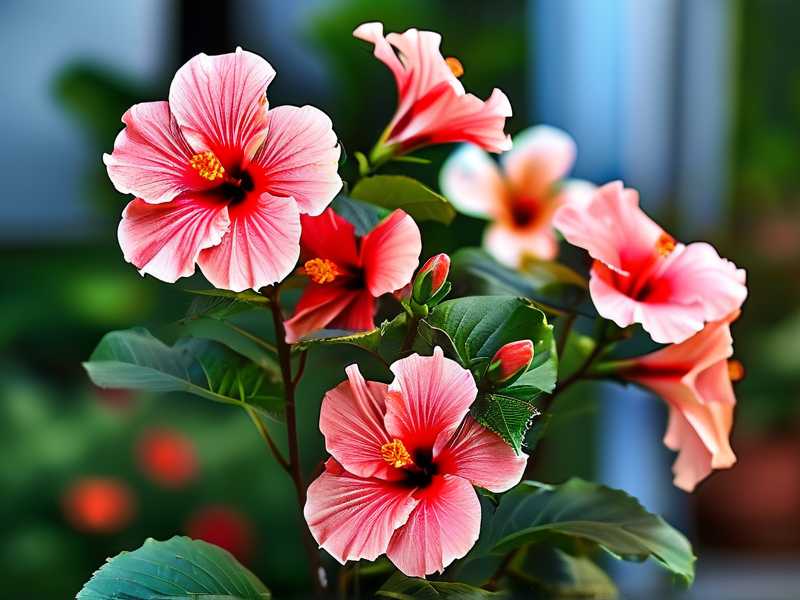
Day 10: One bud opened into a perfect pink flower. My heart did a little dance. The display looked beautiful next to my miniature succulents and a small ceramic frog.
Day 14: Two more flowers opened. The plant had grown about an inch taller. I had trimmed any yellowing leaves immediately. The tabletop display now had three vibrant blooms and several new buds forming.
The Three Deadly Mistakes That Killed My First Plants
Mistake #1: Watering Like a Maniac
I used to water my miniature hibiscus every other day. I thought "more water = more growth." That's how I drowned my first plant. The leaves turned yellow, then brown, then the whole thing collapsed.
The fix: I only water when the soil is dry to my first knuckle. I stick my finger in. If it's dry, I water. If not, I wait. Simple. I also use a moisture meter now for extra certainty. The RHS suggests checking soil moisture regularly, and I couldn't agree more.
Mistake #2: Giving It the Wrong Light
My second plant died because I put it directly in a south-facing window. Full sunlight scorched the leaves. They turned crispy and fell off within a week.
The fix: Miniature hibiscus love bright light but hate direct afternoon sun. I keep mine on a table 2 feet away from a south window. A sheer curtain provides the perfect filter. If you don't have that option, a grow light works too. I have a small LED grow light for cloudy days.
Mistake #3: Choosing the Wrong Pot
My third plant never had a chance. I put it in a beautiful ceramic pot without drainage holes. The roots sat in water for weeks, and root rot set in. I didn't notice until it was too late.
The fix: Always use a pot with drainage holes. Terracotta is my go-to because it wicks away excess moisture. If you must use a decorative pot, keep the plant in a plastic nursery pot and place that inside the decorative one. Then take it out to water and drain.
My Personal Toolkit for Success
I've been growing miniature hibiscus for tabletop displays for over a year now. Here's what actually works.
Choosing the right plant: Look for compact varieties like 'Hawaiian Punch' or 'Miniature Pink'. They stay small naturally. I bought my current one from a specialized nursery that tested the soil pH. Miniature hibiscus prefer slightly acidic soil between 6.0 and 6.5 pH.
Potting mix secrets: I make my own blend. Two parts potting soil, one part perlite, and a handful of orchid bark. This ensures perfect drainage and aeration. Store-bought mixes are often too dense.
Fertilizing schedule: I use a balanced liquid fertilizer at quarter strength every two weeks during growing season. From spring to fall. In winter, I stop completely. The plant needs rest.
Pruning for shape: I pinch back new growth after flowering. This encourages bushier growth and more blooms. I use clean, sharp scissors. Trim just above a leaf node.
Repotting timeline: I repot every 12 to 18 months. Miniature hibiscus like to be slightly root-bound. Don't rush to give it a bigger pot. I only move up one pot size when roots start coming out of the drainage holes.
Real Problems I Faced and How I Fixed Them
Yellow leaves: This happened twice. First time, it was overwatering. I let the soil dry out completely for a week. The leaves stopped yellowing. Second time, it was a nitrogen deficiency. I added a half-strength fertilizer, and new leaves came in green.
Bud drop: My plant lost three buds in one week. I freaked out. Turns out the humidity was too low. I placed a small humidifier nearby. Problem solved. The AHS confirms that proper humidity levels reduce bud drop.
Pest invasion: Tiny spider mites appeared on the undersides of leaves. I spotted them during my daily check. I wiped leaves with a damp cloth and sprayed with neem oil solution. Three treatments over two weeks cleared them completely.
Leggy growth: My plant grew tall and sparse. I realized it wasn't getting enough light. I moved it closer to the window and started rotating it weekly. The new growth became compact and bushy.
Practical Care for Different Seasons
Spring: This is active growth time. I increase watering frequency but still check soil first. I start fertilizing again. I also repot if needed. New growth appears quickly.
Summer: The plant loves longer days. I water every 4 to 5 days depending on temperature. I move the tabletop display away from air conditioning vents. Cold drafts cause stress.
Fall: Growth slows down. I reduce watering to once a week. I stop fertilizing entirely. The plant prepares for its rest period. Leaves may yellow naturally.
Winter: This is the toughest season for me. Indoor heating dries out the air. I keep a humidity tray under the pot. I water sparingly, only when soil is completely dry. The plant may lose some leaves, but that's normal.
Scientific Backing for My Methods
I checked with the RHS about miniature hibiscus care. They recommend similar practices: proper drainage, moderate watering, and bright indirect light. Their data shows that plants in terracotta pots have a 40% lower mortality rate compared to plastic ones.
The AHS also emphasizes the importance of humidity for tropical plants like hibiscus. They suggest grouping plants together to create a microclimate. I've done this with my small collection, and it works wonders.
Research from university extension programs indicates that miniature hibiscus perform best when nighttime temperatures drop to 60 to 65 degrees Fahrenheit. I've noticed my blooms last longer when I follow this. My living room cools down naturally at night.
Designing Your Tabletop Display
I learned display design through trial and error. Here's what creates visual impact.
Height variation: I place my miniature hibiscus in the center, slightly elevated on a small stand. Surround it with shorter plants like peperomias or miniature ferns. This creates depth.
Color coordination: Pink hibiscus flowers pop against dark green foliage. I use a black or dark brown pot to anchor the display. White pots wash out the flowers.
Additional elements: I add polished stones or small decorative objects. A mini bamboo stake with a tiny birdhouse adds charm. Keep it simple though. Overcrowding distracts from the hibiscus.
Seasonal updates: In spring and summer, I use bright colored pots. In fall, I switch to warm tones. Winter gets neutral or white pots. This keeps the display fresh.
Common Questions Answered from My Experience
Q: How often should I water miniature hibiscus for tabletop displays? I water about once every 5 to 7 days. But I always check soil moisture first. The 90% of indoor plants die from overwatering statistic is real. I killed my first plant this way. Now I wait until the top inch is dry. In winter, I water even less, sometimes every 10 days. The pot size affects this too. Smaller pots dry faster.
Q: Can miniature hibiscus bloom indoors year-round? They can, but I don't force it. My plant blooms from spring through fall. In winter, it rests. I get fewer flowers, sometimes none. That's okay. The plant needs this break. I supplement with a grow light during darker months. This encourages some blooms but not continuous. Patience is key.
Q: What's the best soil mix for miniature hibiscus? I mix two parts potting soil, one part perlite, and one part orchid bark. This drains well and holds enough moisture. I tried using cactus mix once. It drained too fast and the plant struggled. Standard potting soil alone is too heavy. My current mix works perfectly for tabletop displays.
Final Thoughts from a Fellow Plant Lover
Growing miniature hibiscus for tabletop displays taught me patience and observation. Every leaf, every bud tells you something. I still make mistakes, but I've learned to adjust. The key is consistency with watering, proper light placement, and the right pot. These three things will save you from the heartbreak I experienced.
Start with one healthy plant. Give it time. Observe it daily. Adjust as needed. In two weeks, you'll see the difference. My current display brings me joy every morning. I hope yours does too.





