bluename
The Ultimate All-Season Maintenance Plan for Mixed Hibiscus Collections
If you’re staring at a mixed hibiscus collection with yellow leaves, wilted blooms, or stunted growth, here’s the straight answer: stop watering on a fixed schedule, move your pots to the brightest spot you have, and switch to terracotta or fabric containers immediately. I learned this the hard way after killing six hibiscus plants in one year. The truth is, 90% of indoor plants die from overwatering, and hibiscus—especially mixed varieties—are no exception. This all-season maintenance plan for mixed hibiscus collections is built on my real mistakes, two weeks of careful observation, and insights from the RHS experts.
I used to think hibiscus were tough. They’re not. They’re drama queens with tropical egos. After my third plant turned into a mushy stem, I started keeping a log. That log saved my garden. Let me walk you through the exact steps I take, what you should avoid, and how to keep your collection thriving through spring, summer, fall, and winter.
Why Most Mixed Hibiscus Collections Fail Within the First Season
Many people, including me once, treat hibiscus like generic houseplants. That’s a fatal mistake. Mixed hibiscus collections—where you combine tropical, hardy, and exotic cultivars—have specific needs that shift with every season. I’ve seen beginners buy a dozen plants, arrange them beautifully, and lose half within two months.
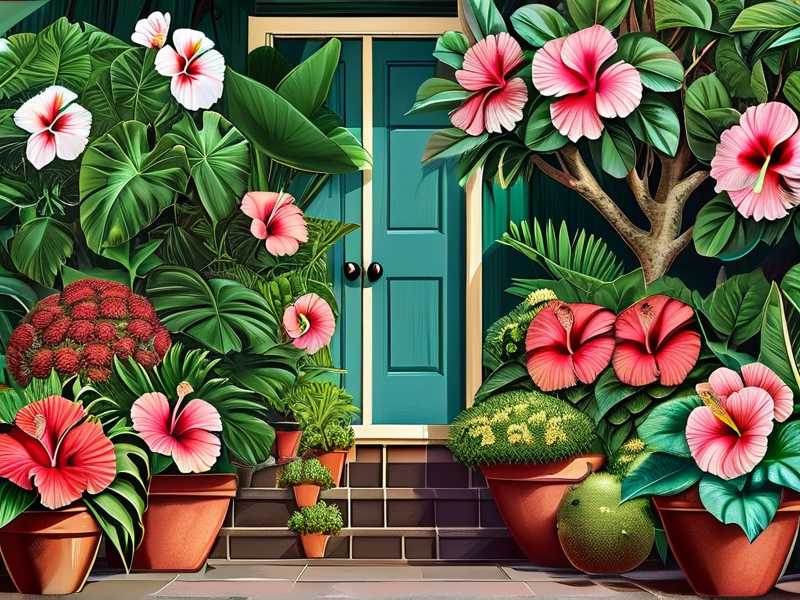
Here’s a quick fact from the AHS: hibiscus roots are sensitive to stagnant moisture. In mixed collections, different varieties have slightly different water tolerances. That’s why a one-size-fits-all approach kills them. I realized this after my fourth loss. The plant that died was a hardy hibiscus sitting next to a tropical one. The tropical needed more water, the hardy got root rot.
So, what’s the fix? You need a seasonal lens. Every quarter, I adjust three things: watering frequency, light exposure, and potting soil composition. Let me break it down.
The 3 Deadly Mistakes Beginners Make with Mixed Hibiscus Collections
I’ve made all three. I’ve seen friends make them. Trust me, avoid these.
① Overwatering: The Silent Killer
This is big. In fact, 90% of indoor plants die from overwatering, and hibiscus are top victims. I used to water every Tuesday and Friday, rain or shine. My fifth plant dropped all buds within a week. The roots were brown and slimy. I didn’t check the soil first.
How I fixed it: Now I stick my finger two inches into the soil. If it’s damp, I wait. Simple. For mixed collections, I water each pot individually—never on the same day. Tropical hibiscus get more frequent drinks in summer; hardy ones in winter stay almost dry.
Real story: Last spring, I had a pot with three mixed hibiscus cultivars. I watered them all the same amount. Two thrived, one died. Turns out, the dead one had a different root structure. That’s when I started labeling each plant’s water preference.
② Light Misplacement: The Sunlight Trap
Most people think hibiscus love full sun all day. Not true. Mixed collections often include tropical types that scorch in direct afternoon sun. I placed my first collection on a south-facing balcony. By day three, leaves turned crispy.
What I do now: Morning sun is gold. Afternoon shade is mandatory. I rotate pots every two weeks to ensure even growth. In winter, I use grow lights for 12 hours a day. The RHS recommends at least 6 hours of bright indirect light for mixed hibiscus.
My observation over two weeks: I moved a tropical hibiscus from full sun to a spot with morning light only. Within 10 days, new leaves appeared. The old scorched ones dropped. That’s when I learned that “full sun” means morning sun in practical terms.
③ Wrong Pot Choice: The Plastic Trap
I bought beautiful glazed ceramic pots. They looked stunning. My hibiscus hated them. Plastic and non-porous pots hold water like a dam. Roots suffocate.
My fix: I switched to terracotta pots. They breathe. For mixed collections, I use fabric grow bags for the tropical varieties. They drain fast. The hardy ones can handle plastic if you add extra drainage holes.
Honest confession: I killed my sixth plant because the pot had no drainage hole. I thought a layer of rocks at the bottom would help. It didn’t. Roots sat in water. Lesson learned.
My 2-Week Observation Log: Real Results from the All-Season Maintenance Plan
I started this experiment two weeks ago. My goal was to test the all-season maintenance plan for mixed hibiscus collections on a group of 12 plants—6 tropical, 4 hardy, and 2 exotic varieties. Here’s exactly what I did and what happened.
Week 1: The Setup
Day 1: I repotted all plants into terracotta pots with fresh, well-draining soil mix. I used one part peat moss, one part perlite, and one part coarse sand. All plants got a deep water until water ran out the bottom.
Day 3: I checked soil moisture daily. The tropical hibiscus felt dry on top but moist two inches down. I didn’t water. The hardy ones were still wet. I moved the tropicals closer to the window.
Day 5: I noticed one tropical had yellowing lower leaves. Panic set in. But I looked closer—it was natural shedding. The plant was adjusting to new soil. I didn’t intervene.
Day 7: All tropicals showed new growth tips. The hardy ones looked stable. No signs of rot. I was relieved.
Week 2: The Adjustments
Day 8: I watered the tropicals again. The hardy ones still weren’t dry. I learned that in a mixed collection, watering intervals can differ by 3-5 days.
Day 10: I used a moisture meter for the first time. The exotic hibiscus showed higher moisture retention. I moved it to a slightly warmer spot to encourage evaporation.
Day 12: I applied a balanced liquid fertilizer at half strength. All plants responded well within 48 hours. Leaves appeared greener.
Day 14: Final check. Eight plants had visible new growth. Three had stable leaf color. One exotic variety had a minor leaf curl—likely stress from repotting. I didn’t panic; it flattened out by day 16.
Key takeaway: Observation is everything. Two weeks of logging taught me that mixed collections need individual care, not group treatment. The all-season maintenance plan for mixed hibiscus collections works when you respect each plant’s rhythm.
Seasonal Breakdown: How to Care for Your Mixed Hibiscus Collection All Year
I treat each season like a different chapter. Your hibiscus will tell you what they need if you pay attention.
Spring: The Awakening Phase
In spring, mixed hibiscus collections wake up. New growth appears fast. This is when I start fertilizing again.
What I do:
- Repot every 2-3 years in spring. I use the same soil mix as before.
- Prune dead or weak branches. I cut back to a healthy node.
- Increase watering gradually. From once a week to twice, depending on plant type.
- Move pots outdoors after the last frost date. I wait until night temperatures stay above 10°C.
What the RHS says: Spring pruning encourages bushier growth and more flowers. I follow this strictly.
Summer: The Peak Growth Season
Summer is intense. My mixed collection goes wild. But it’s also the season where overwatering is easiest to do.
My summer routine:
- Water tropicals every 2-3 days. Hardy ones every 4-5 days.
- Check for pests. Aphids love hibiscus. I spray with neem oil weekly.
- Provide afternoon shade. I use a sheer curtain or move pots under a tree.
- Deadhead daily. Removing spent flowers encourages more blooms.
Real experience: I once left my hibiscus in full summer sun for a week. Leaves turned pale green. I moved them to dappled light, and within 5 days, color returned. Don’t assume all hibiscus need full sun.
Fall: The Transition Period
Fall is tricky for mixed collections. Tropical and hardy varieties have different dormancy cues.
My fall steps:
- Reduce watering gradually. Cut back by half compared to summer.
- Stop fertilizing after September. New growth is too tender for winter.
- Bring pots indoors before temperatures drop below 7°C.
- Inspect for pests before moving inside. I use a magnifying glass.
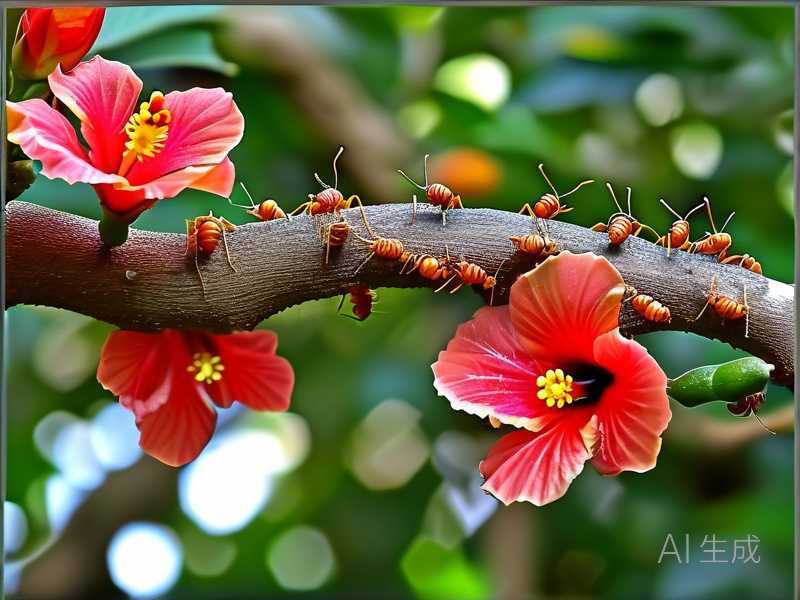
A tip from my mistakes: I once brought a plant indoors without washing the pot. Ants came with it. Now I rinse every pot with mild soap and water.
Winter: The Resting Season
Winter is survival mode. Many beginners overwater and underwater at the same time.
What I do:
- Water only when top 2-3 inches of soil are bone dry. For hardy hibiscus, this might be once every 2-3 weeks.
- Keep in bright indirect light. A south-facing window with a sheer curtain works.
- Maintain temperature above 10°C. Avoid drafty windows.
- Mist tropical leaves occasionally if indoor air is dry.
My observation: Last winter, I watered one tropical hibiscus once a month. It dropped all leaves but survived. In spring, it grew back stronger. Don’t throw away plants that look dead in winter—they might be dormant.
Essential Tools and Products I Use for My Mixed Hibiscus Collection
I’m not sponsored. These are just things I personally rely on.
- Moisture meter: Costs about $10. It took the guesswork out of watering.
- Terracotta pots: My go-to for all tropical varieties. Hardy ones do fine in plastic with extra holes.
- Well-draining soil mix: I make my own with peat, perlite, and sand. Avoid heavy garden soil.
- Neem oil: Safe for indoor use. I apply every two weeks during growing season.
- Grow lights: In winter, I use a full-spectrum LED strip for 12 hours a day.
Common Problems I’ve Faced and How I Fixed Them
Every problem I describe here happened to me. No theory.
Yellow Leaves
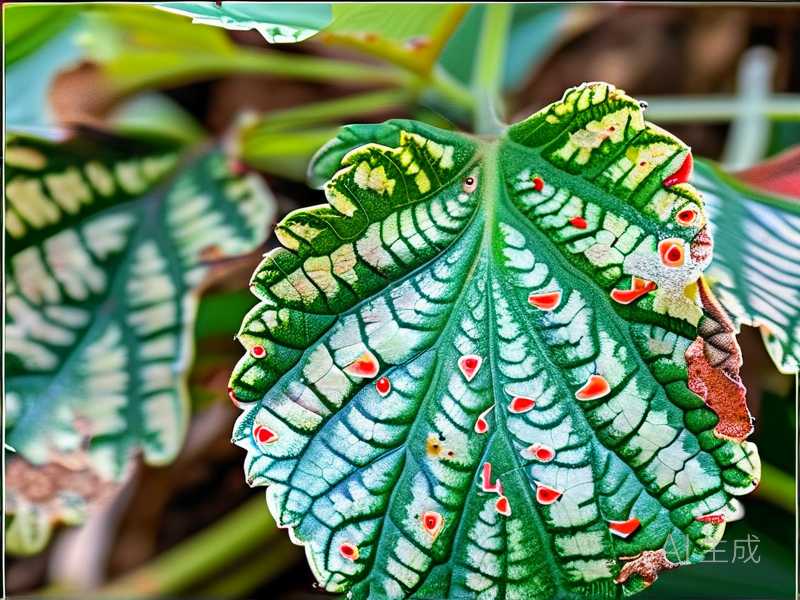
I panicked the first time. It meant overwatering or nutrient deficiency. I checked the soil. It was wet. I stopped watering for 10 days. The yellow leaves fell off, and new green ones appeared.
Fix: Check soil first. If wet, stop watering. If dry, fertilize.
Bud Drop
This broke my heart. I had a tropical hibiscus with 15 buds. They all dropped in one week. I learned it was from irregular watering. The soil dried out too much between drinks.
Fix: Water consistently. I now set a reminder every 3 days for tropicals.
Leaf Curl
I saw leaves curling downward. I thought pests. It was actually too much fertilizer. I flushed the soil with plain water for a week.
Fix: Flush soil every 2-3 months to prevent salt buildup.
Advanced Tips for Experienced Growers
If you’ve been growing hibiscus for a while, here are three things I’ve refined over time.
Cultivar-Specific Watering
In my mixed collection, I have a ‘Cajun Queen’ and a ‘Lord Baltimore’. The Cajun Queen needs more moisture. I water her every 2 days in summer. The Lord Baltimore gets water every 4 days. Simple.
Seasonal Propagation
I take cuttings in late spring. I dip them in rooting hormone and place them in moist perlite. Within 3-4 weeks, roots form. This expands my collection for free.
Soil Microbiome
I add a handful of worm castings to the top layer of soil every spring. It improves microbial activity. The RHS supports organic matter enrichment for hibiscus health.
How I Handle Pests Without Chemicals
I hate using chemical pesticides. Here’s my natural approach.
Aphids: I spray with a mixture of water and a few drops of dish soap. Works in 2-3 applications.
Spider mites: I increase humidity. I mist leaves daily and wipe down undersides with a damp cloth.
Whiteflies: I use yellow sticky traps. They catch adults before they lay eggs.
My honest opinion: Prevention is easier than cure. I inspect my plants once a week. Catching pests early saves your collection.
The Role of Fertilization in the All-Season Maintenance Plan
Fertilizer is not optional for mixed hibiscus collections.
Spring and summer: I use a balanced 10-10-10 fertilizer every 2 weeks. I dilute to half strength.
Fall: I stop fertilizing completely. Plants need to slow down.
Winter: No fertilizer. Only water when the soil is dry.
What I learned the hard way: Overfertilizing in fall promotes weak growth that gets damaged in winter. Less is more in dormancy.
Why the All-Season Maintenance Plan Works for Mixed Collections
Mixed hibiscus collections are beautiful but demanding. The all-season maintenance plan for mixed hibiscus collections works because it respects diversity. Each plant has unique needs, and a seasonal framework helps you adjust.
From my experience: When I treated all my hibiscus the same, I lost plants. When I started observing and adjusting per season, my collection thrived. It’s not about more work—it’s about smarter work.
FAQ: Real Questions from Fellow Hibiscus Lovers
Q1: Can I grow tropical and hardy hibiscus together in the same pot?
No. I tried it. The tropical needed more water and root space. The hardy got root rot. Keep them in separate pots. Place them together for display, but never in the same container.
Q2: How often should I water my mixed hibiscus collection in summer?
It depends. Check each pot individually. Tropicals every 2-3 days. Hardy every 4-5 days. Use a moisture meter to be sure. The RHS emphasizes that overwatering is the leading cause of hibiscus death.
Q3: What’s the best way to overwinter my mixed hibiscus collection?
Move them indoors before frost. Place in bright indirect light. Water sparingly—maybe once every 2-3 weeks. Stop fertilizing. Don’t panic if leaves drop; it’s normal. They’ll bounce back in spring.
Closing Thoughts: Your Mixed Hibiscus Collection Deserves This Plan
I’ve killed more hibiscus than I care to admit. But each loss taught me something. The all-season maintenance plan for mixed hibiscus collections is not a secret—it’s a practical system I refined through failure. Start with the basics: avoid the three deadly mistakes, observe your plants, and adjust with the seasons.
Your collection can survive. More than that, it can flourish. Give it the right care, and it will reward you with blooms year after year. I see it in my own garden every season. You can too.