 bluename
Control Mealybugs on Hibiscus: Systemic Insecticide Guide
I’ve spent years cultivating my hibiscus collection, and nothing deflates that joy faster than spotting those telltale white, cottony masses nestled in the leaf axils and along the stems. Mealybugs. If you’re reading this, you likely know the frustration. You’ve tried sprays, neem oil, and picking them off by hand, only to watch them return with a vengeance a few weeks later. I was in the same cycle of temporary fixes until I decided to delve deep into the world of systemic insecticides. This guide is the culmination of my hands-on experience, a detailed account of my two-week journey from infestation to control, including the mistakes I made and how I corrected them.
Understanding Your Enemy: The Hibiscus Mealybug
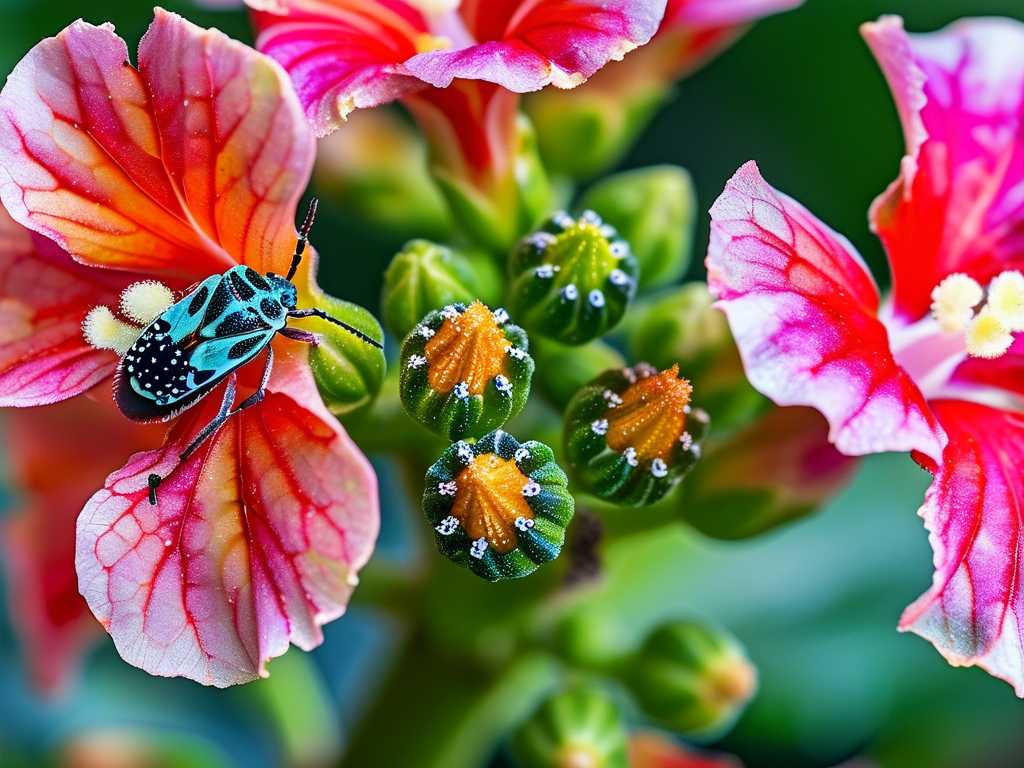
Before reaching for any treatment, it’s crucial to know what you’re fighting. Mealybugs are sap-sucking pests that weaken hibiscus by draining vital nutrients, leading to yellowing leaves, stunted growth, and a sticky residue called honeydew that promotes sooty mold. Their waxy coating makes them resistant to many contact sprays. According to the Royal Horticultural Society (RHS), mealybugs are particularly problematic in warm, sheltered environments like greenhouses or indoor settings, but they plague outdoor gardens too. Their rapid reproduction means a small colony can explode quickly.
Why I Chose a Systemic Approach
After repeated failures with topical treatments, I needed a solution that worked from the inside out. Systemic insecticides are absorbed by the plant and transported through its vascular system. When mealybugs feed, they ingest the insecticide and die. This method is highly effective against hidden pests and provides lasting protection. The American Horticultural Society (AHS) notes that systemics can be a valuable tool for managing persistent sap-feeding insects when used responsibly as part of an integrated pest management (IPM) strategy. For my badly infested, prized ‘Double Red’ hibiscus, this was the path I chose.
My Step-by-Step Systemic Insecticide Application Process
Here is the exact process I followed, which you can adapt for your plants.
Selecting the Right Product
My research led me to a liquid imidacloprid systemic insecticide formulated for flowering shrubs and trees. I specifically looked for one labeled for use on hibiscus and against sucking insects like mealybugs. Safety was paramount—I ensured it was appropriate for my setting (a patio container garden) and stored it securely away from pets and children.
Preparation and Application Day
I applied the treatment in the early evening when temperatures were mild and the plant was not under drought stress. I watered the soil thoroughly a few hours before application, as recommended on the label, to ensure good uptake and prevent root stress.
Mixing was precise: I used a dedicated measuring syringe to dilute the concentrate in a watering can as per the instructions for my pot size. I did not guess the measurements. The solution was applied directly to the soil at the base of the stem, avoiding any splash onto the foliage or nearby flowering plants to protect pollinators. I then gave the plant a light watering with plain water to help move the product into the root zone.
The Critical Two-Week Observation Period
This is where the real learning happened. I kept a daily log.
- Days 1-3: No visible change. The mealybugs were still active. This was expected, as the insecticide needs time to be absorbed and distributed.
- Days 4-7: By day five, I noticed the first significant change. The mealybugs appeared less mobile. Their white bodies started to look desiccated and shriveled. The sticky honeydew production seemed to halt.
- Days 8-14: The transformation was clear. The majority of the mealybug colonies turned brown and crispy. They did not wash off easily but were clearly dead. New growth emerging during this period was clean and free of pests. My hibiscus, which had begun to droop, showed signs of perking up. No new honeydew spots appeared.
The Pitfalls I Encountered and How I Solved Them
My process wasn’t flawless. I made one critical error and learned a vital lesson.
The Over-Application Mistake
In my zeal to protect a neighboring hibiscus that showed early signs, I applied the systemic as a “preventative” at the same full strength. This was a mistake. Within two days, the younger plant showed slight leaf curl and edge burn—signs of chemical stress. I had ignored the fundamental rule: only treat plants with an active, significant infestation.
My Corrective Action
I immediately leached the soil of the stressed plant by slowly running a large volume of water through the pot to help dilute the residual chemical. I moved it to a shaded area to recover and withheld any further treatments. It recovered over the following three weeks. This taught me that systemics are powerful tools for control, not broad-spectrum preventatives for lightly affected plants.
Integrating Systemics into a Holistic Pest Management Plan
A systemic insecticide is not a silver bullet. To achieve long-term health and prevent recurrence, I combined it with these practices:
Post-Treatment Cleanup and Monitoring
Once the mealybugs were dead, I gently brushed off the carcasses with a soft toothbrush and wiped down the remaining leaves with a damp cloth to remove sooty mold residue. I continued to inspect the plant weekly, paying close attention to hidden areas.
Cultural Practices to Prevent Reinfestation
I improved air circulation around my potted hibiscus by spacing them better. I became more disciplined with my feeding, avoiding excessive nitrogen-rich fertilizers that can promote the soft, succulent growth mealybugs love. Regular, gentle blasts of water from the hose during routine watering helped dislodge any early wanderers.
When to Consider a Follow-Up Application
The product I used offered protection for up to 8 weeks. I did not need a follow-up application that season because I combined the systemic treatment with vigilant monitoring and improved plant hygiene. For severe, recurring infestations, a second application may be necessary as directed on the label, but I believe it’s best to allow the plant a period without chemicals once the initial population is crushed.
Addressing Common Concerns from Fellow Gardeners
Is systemic insecticide safe for my hibiscus blooms and pollinators? The key is timing and application. I applied the drench to the soil, not the flowers, when my hibiscus was not in peak bloom. Bees and butterflies visiting flowers are not exposed to the insecticide when it’s applied this way correctly. Always follow the label’s pollinator protection instructions meticulously.
How often can I use a systemic on my hibiscus plants? This is not a routine fertilizer. I use it as a last resort for major infestations that other methods fail to control. Overuse can lead to pesticide resistance in pests and potential soil buildup. One application per season, if absolutely needed, has been sufficient in my experience when paired with other IPM tactics.
Can I use systemic granules instead of a liquid drench? Yes, granular systemics are another option. I chose a liquid for more immediate control in a containerized plant. Granules are often worked into the soil and watered in, providing a slower, longer-term release. Both can be effective; the choice depends on your specific situation and product availability. Always, without exception, follow the labeled instructions for your chosen product.
Seeing my vibrant hibiscus recover its vigor, free from the draining presence of mealybugs, was immensely rewarding. The systemic insecticide provided the decisive intervention my plant needed to break the infestation cycle. However, its success was cemented by the ongoing care and vigilance that followed. By understanding the tool, applying it correctly and responsibly at the right time, and committing to overall plant health, you can reclaim your hibiscus from these persistent pests and enjoy their spectacular blooms once more.





