 bluename
Hibiscus Scale Prevention: Avoid Overfertilizing with Nitrogen
I love my hibiscus plants. Their vibrant, dinner-plate-sized blooms are the pride of my garden. But last season, that pride turned to panic when I noticed a creeping invasion: sticky leaves, sooty mold, and those dreaded, tiny, armored bumps on the stems – scale insects. My initial reaction, like many gardeners, was to reach for a spray. However, my journey into hibiscus scale prevention led me down a surprising and critical path. I discovered that my very efforts to nurture my plants with lush, green growth were actually inviting the problem. The key culprit? Overfertilizing with nitrogen.
This isn't just a hunch. I learned the hard way, through a two-week experiment that changed my entire gardening approach. If you're fighting scale and wondering why they keep coming back, despite treatments, you might be accidentally rolling out the red carpet for them with your fertilizer regimen.
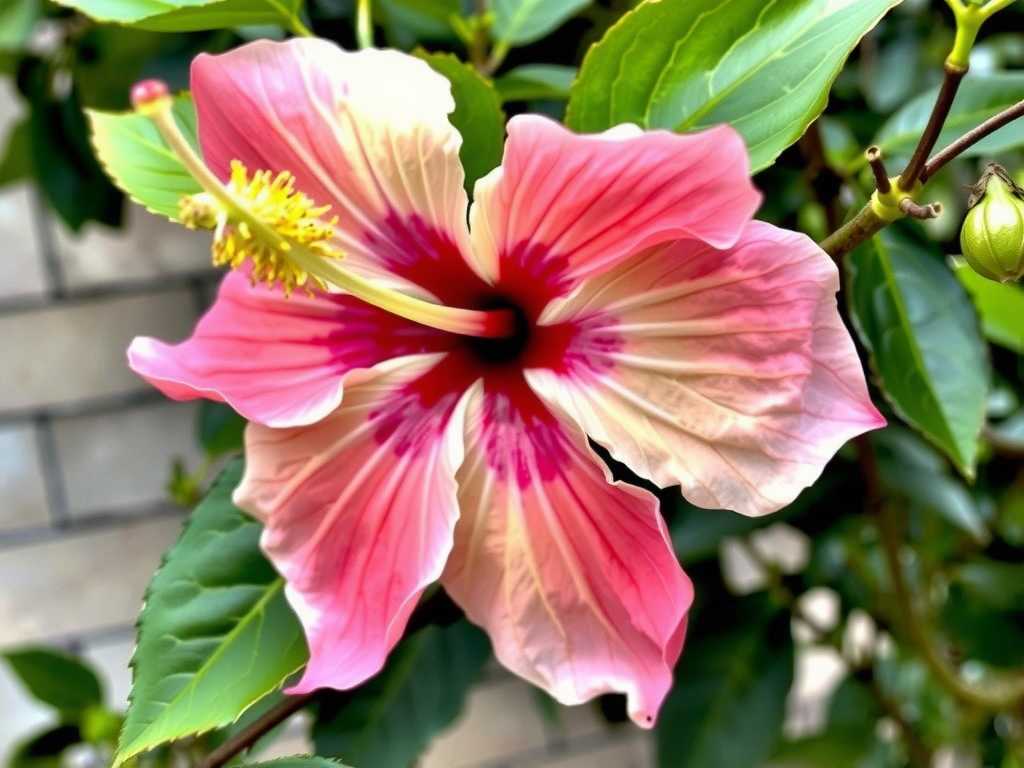
My Costly Mistake: How I Fed the Scale, Not the Hibiscus
I used to believe that a deep green, rapidly growing hibiscus was a healthy one. I applied a high-nitrogen, water-soluble fertilizer every other week, chasing those lush leaves. The plants grew vigorously, putting out tender new shoots at an impressive rate. What I didn't realize was that I was creating a perfect scale insect buffet.
Here’s what I learned from experts at the American Horticultural Society (AHS): Succulent, nitrogen-rich plant tissue has thinner cell walls and is higher in amino acids. This makes it far easier for piercing-sucking insects like scale to penetrate and feed. That explosive soft growth is like serving a tender, juicy steak to these pests. I wasn't just growing hibiscus; I was cultivating an ideal nursery for scale populations to explode. The sticky honeydew they excreted then fueled the unsightly sooty mold, blocking sunlight and stressing the plant further. It was a cycle I had created.
The Two-Week Turnaround: My Step-by-Step Prevention Protocol
I decided to tackle the problem at its root, literally. I committed to a 14-day protocol focused on correcting the nutritional balance and managing the existing scale. This wasn't an instant fix, but a strategic shift.
Week 1: The Immediate Intervention
- Step 1: The Fertilizer Halt & Soil Flush: My first action was to stop all nitrogen-heavy fertilization immediately. For potted hibiscus, I performed a careful soil flush. I placed the pots in a sink and slowly ran lukewarm water through the soil for several minutes, allowing it to drain freely. This helped leach out excess soluble salts and nitrogen from the root zone. For in-ground plants, I deeply watered the area to help dilute soil nitrogen concentrations.
- Step 2: Physical Removal & Treatment: I put on my gloves, grabbed a soft toothbrush and a bowl of soapy water (a mix of mild liquid castile soap), and got to work. Gently but firmly, I brushed away the visible scale insects from stems and the undersides of leaves. For heavier infestations on a few plants, I used a cotton swab dipped in 70% isopropyl alcohol, dabbing each scale insect directly. This physical removal is crucial for immediate population reduction.
- Step 3: Introducing a Balanced Diet: After the flush, I switched to a completely different fertilizer. I chose a balanced, slow-release formula with a low N-P-K ratio like 8-8-8 or even a bloom-booster formula higher in potassium and phosphorus (e.g., 10-20-10). The goal was to support overall plant health and flower production without promoting excessive leafy growth. I applied it at half the recommended strength.
The First Week's Observations: Frankly, the plants looked a bit shocked. The lush growth slowed, which was initially worrying. Some of the most tender new leaves showed slight stress. However, I also noticed that the sticky honeydew residue began to diminish on the treated leaves. The scale insects I had missed seemed less active. It was a subtle but encouraging sign.
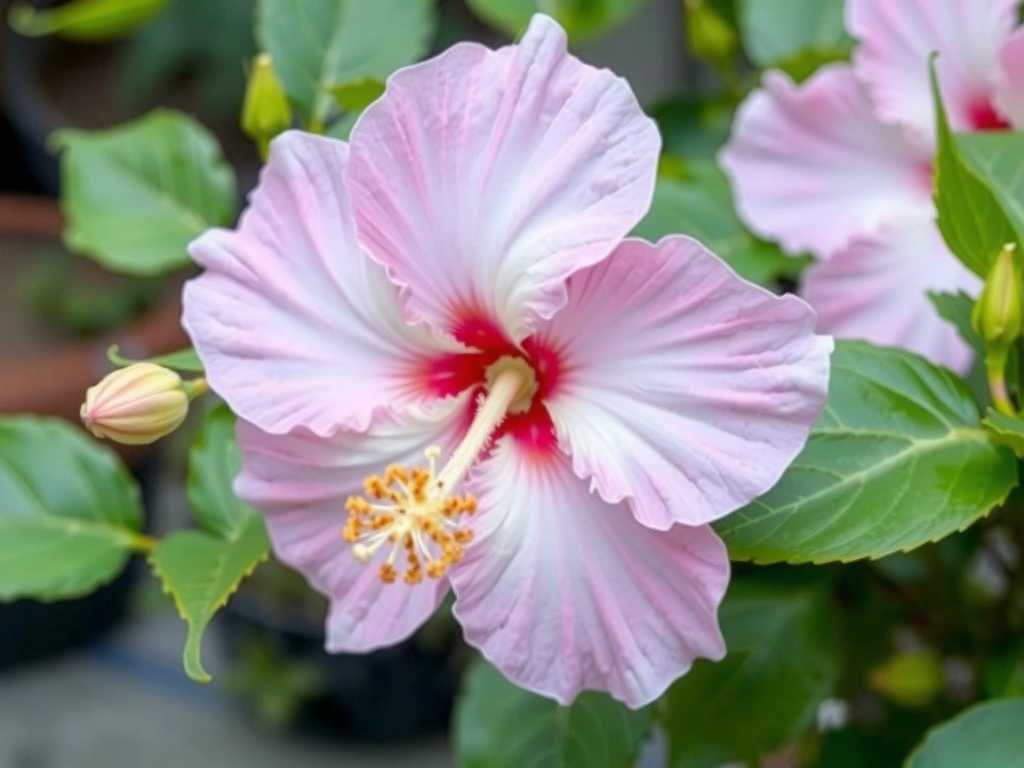
Week 2: Monitoring and Reinforcing Defenses
- Step 4: Meticulous Monitoring: Every other day, I inspected my hibiscus plants, turning over leaves and examining leaf axils and stems with a magnifying glass. I was on the lookout for any new "crawlers" – the mobile juvenile stage of scale. Spotting them early is key.
- Step 5: Deploying Horticultural Oil: At the beginning of the second week, I applied a horticultural oil spray (following the label's instructions meticulously, testing on a small area first). This oil suffocates scale at various life stages. Crucially, I applied it in the cool of the early morning to prevent leaf burn. The oil also helped clean the remaining sooty mold from the leaves.
- Step 6: Environmental Support: I ensured the plants had optimal sunlight and air circulation. I pruned away any excessively dense or inward-growing branches to improve airflow, making the environment less hospitable for pests.
The Two-Week Verdict: By the end of the 14 days, the transformation was clear. The rampant, soft growth had stabilized. The leaves, while still healthy, developed a slightly tougher, more resilient texture. Most importantly, I found almost no new scale insects. The existing ones were desiccated or gone. The plants were no longer in a state of forced, vulnerable growth but were beginning to thrive on a more sustainable, balanced diet. The cycle was broken.
The Pitfalls I Encountered (And How I Fixed Them)
My experiment wasn't without its stumbles. Here’s where I went wrong and how I corrected course:
- The "More is Better" Temptation: When I first saw the scale, my instinct was to drench the plant in neem oil. I over-applied, which led to leaf burn and phytotoxicity, further stressing the plant. Solution: I learned that consistency and coverage are more important than concentration. I now always follow label rates and perform a spot test 48 hours before full application.
- Ignoring the Ant Connection: Ants farm scale insects for their honeydew. I initially focused only on the scale, but ants were constantly reintroducing crawlers to my plants. Solution: I placed ant baits around the base of the pots and garden beds. Disrupting this symbiosis was a game-changer in long-term control.
- Impatience with Slow-Release Fertilizer: After a week, I was anxious because I didn't see a "pop" of green. I almost reverted to my old fertilizer. Solution: I trusted the process. The Research & Horticultural Science Association (RHSA) notes that slow-release fertilizers promote steady, resilient growth that is less susceptible to pests. I held firm, and the results proved it was the right call.
Sustaining a Scale-Free Hibiscus
Prevention is now my mantra. I fertilize only during the active growing season, and never after late summer, to allow the plant to harden off. I prioritize soil health with occasional compost top-dressing, which feeds the soil ecosystem naturally. Regular, close inspection is part of my weekly gardening routine—catching a problem early is always easier than curing a full-blown infestation. By avoiding excessive nitrogen fertilization, I’ve built stronger, more naturally resistant plants. It’s a lesson in working with a plant’s biology, not against it.
Why do my hibiscus buds drop before opening, and could it be related to scale? Absolutely. This was a classic sign in my garden. Scale insects drain the plant's energy and nutrients. When a hibiscus is under severe stress from feeding pests, it will often abort flower buds to conserve resources for survival. Addressing the scale issue and correcting fertilizer imbalance is the first step to restoring prolific blooming.
I've switched to a balanced fertilizer, but I still see a few scale. What now? Persistence is key. A single lifecycle can take several weeks. Continue with spot treatments using isopropyl alcohol on visible scales. Introduce natural predators like ladybugs or lacewings if possible. The goal is not necessarily perfection but keeping the population below a damaging threshold while your plant regains its natural vigor. Consistency in your new, moderate feeding schedule will make the plant less attractive over time.
Can I ever use a high-nitrogen fertilizer on my hibiscus again? Use it sparingly and strategically. If a plant is genuinely deficient and showing pale, yellowing leaves (chlorosis), a light application of a nitrogen source may be needed. However, for general maintenance and preventing hibiscus scale infestations, a balanced or bloom-focused fertilizer is a far safer choice for long-term plant health and pest resistance.





