 bluename
How to Fix Hibiscus Leaf Drop After Spider Mites Have Wrecked Your Upper Canopy
If your hibiscus looks like it got hit by a tiny tornado, with the top leaves yellowing, crisping, and dropping off after a spider mite invasion, you're in the right place. I've been exactly there. The short answer: stop the mite comeback first, then correct watering, light, and potting stress so the plant can push new growth without dropping more leaves. Most people panic and do too much at once. That's the real killer. In my experience, the fix takes about two weeks of steady, boring consistency, not heroic interventions.
I've grown hibiscus for eleven years across a sunny California patio and a gloomy Oregon sunroom. I've killed four of them. Two died from spider mites combined with my own overreaction. So this isn't theory. It's the routine I wish someone had handed me the first time I watched a healthy canopy turn into confetti.
Why Spider Mites Cause Leaf Drop at the Top
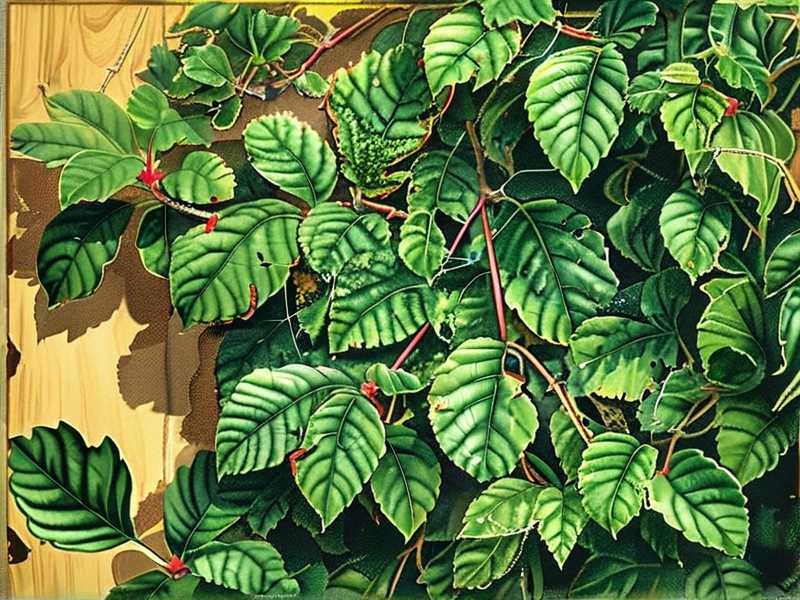
Spider mites are sap suckers. They pierce leaf cells and drain them, mostly on the tender upper growth where the tissue is easiest to puncture. The damage shows up as stippling, then bronzing, then full leaf death. A heavy infestation on the upper canopy triggers a hormonal stress response in the plant. The hibiscus decides those leaves aren't worth keeping and cuts them loose.
Here's the part most articles skip. The leaf drop continues for a week or two after the mites are actually gone. The plant doesn't instantly know the threat ended. So you'll see leaves falling and assume you failed. You probably didn't. The RHS notes that spider mite damage often becomes visible only after populations are high, which is why people catch it late. That matches everything I've seen.
Step One: Confirm the Mites Are Actually Dead
Before you fix anything else, verify. Take a white sheet of paper. Hold it under a suspect leaf and tap the leaf firmly. If you see tiny specks that start crawling and smearing reddish-brown when you press them, you still have live mites. If the specks stay still and dry, they're dead or it's just dust.
I use this paper test every two days for the first week. It's low tech and it works. Don't trust a casual glance. Mites are smaller than a grain of salt.
If they're alive, treat again. I rotate between insecticidal soap and horticultural oil, never the same one twice in a row, because mites build resistance fast. Spray the undersides of leaves, not the tops. That's where they live. I learned that the hard way after spraying the tops of my first hibiscus for a week straight while the mites partied underneath.
Step Two: Fix the Watering (This Is Where Most People Fail)
Here's the sentence that should be printed on every plant tag: 90% of indoor plants die from overwatering. Not underwatering. Overwatering. And a mite-stressed hibiscus is ten times more vulnerable to root rot because its whole system is already taxed.
After a heavy mite infestation, your hibiscus has fewer leaves. Fewer leaves means it drinks less water. If you keep watering on your old schedule, you're drowning the roots. I did this to my second hibiscus. The mites were gone, but I kept watering every three days out of habit. Within ten days the remaining leaves went limp, then yellow, then dropped. I pulled the plant out and the roots were brown mush.
What I do now: I wait until the top inch of soil is dry before watering. I stick my finger in, all the way to the second knuckle. If it's even slightly damp, I wait. When I do water, I water until it runs out the drainage holes, then I empty the saucer. Never let it sit in water.
During recovery, I water maybe once every five to seven days, depending on heat and pot size. Less than I think I need. That feels wrong, but it's right. AHS gardening guidance consistently warns that soggy roots are the number one killer of container plants, and my own dead hibiscus collection backs that up.
Step Three: Get the Light Right
Light is the second thing people get wrong. After mites, some growers move the plant into a dark corner to "recover." That's a mistake. Hibiscus needs strong light to regrow a canopy. Without it, the plant stays weak and keeps dropping leaves because it can't photosynthesize enough to fuel new growth.
But you also can't blast a stressed plant with harsh afternoon sun. The damaged upper leaves scorch easily. I aim for bright, indirect light with a couple of hours of gentle morning sun. East-facing window is ideal. If you're in Australia or the southern US and the sun is brutal, filter it with a sheer curtain for the first two weeks.
I tried full direct sun on a recovering hibiscus once, thinking more light equals faster recovery. By day three the remaining top leaves were crispy and brown. Lesson learned. Gentle and bright beats intense and direct during recovery. Once you see new leaf buds forming, you can gradually increase direct sun.
Step Four: Check the Pot
The third mistake is the pot itself. A hibiscus in a pot that's too big, with no drainage, or with compacted old soil will struggle to recover no matter what you do above the soil line.
I killed my third hibiscus by leaving it in a decorative cachepot with no drainage holes. I thought I was being careful with watering. I wasn't. Water pooled at the bottom and the roots rotted silently. By the time the leaves dropped, it was too late.
What works: a pot with real drainage holes, sized so the root ball fills about two-thirds of it. Not too big. If you repot during recovery, use a fast-draining mix. I make mine with three parts potting soil, one part perlite, one part orchid bark. It drains fast and the roots breathe. Don't fertilize for the first two weeks after mite treatment. Stressed roots burn easily. I wait until I see clear new growth, then I use half-strength liquid fertilizer once.
What I Actually Did Over Two Weeks
Here's my real timeline from the last recovery, which worked.
Day 1 to 2: Treated with horticultural oil, focusing on leaf undersides. Did the paper test. Mites were dying but not gone.
Day 3: Retreated with insecticidal soap. Moved the plant to an east window. Stopped watering entirely.
Day 4 to 6: Leaves kept dropping. About fifteen more fell. I did nothing. This is the hard part. Doing nothing is the treatment.
Day 7: Paper test showed no live mites. Soil was dry two inches down. Watered thoroughly. Emptied the saucer.
Day 8 to 10: No new leaf drop. The plant looked sad but stable. I resisted the urge to fertilize or repot.
Day 11: Spotted two tiny new leaf buds near the base of the stems. Celebrated quietly.
Day 12 to 14: Watered once more when the top inch dried. New buds grew slightly. No more leaf drop. The plant had turned the corner.
That's it. No magic. Just stopping the mites, drying out the soil, getting the light right, and waiting.
Frequently Asked Questions
Will my hibiscus grow leaves back after spider mite damage?
Yes, if the stems are still green and pliable. Scratch a stem lightly with your fingernail. If it's green underneath, the plant is alive and will push new growth. If it's brown and dry, that stem is dead and you should prune it back to healthy wood. I've had hibiscus come back from nothing but two bare stems.
Should I cut off all the damaged leaves?
Only remove leaves that are fully brown and crispy. Leave anything green, even if it's spotted or ugly. Those leaves are still making food for the plant. I made the mistake of stripping every damaged leaf off my first hibiscus. Without leaves it couldn't photosynthesize, and it died within two weeks. Be patient with ugly leaves.
How long until I see new growth?
Usually ten to fourteen days if the roots are healthy and the light is good. If you see nothing after three weeks and the stems are still green, check the roots. Root rot from overwatering is the most likely culprit. If the roots are brown and mushy, trim them back, repot in fresh fast-draining mix, and water sparingly.
The bottom line, after all my dead plants and all my stubborn second attempts: fix the mites, then fix your habits. The leaf drop will stop once the plant stops being stressed. Give it two weeks of boring consistency and it will reward you with new leaves. I've watched it happen more times than I can count, even on plants I was sure were done for.





