bluename
How to Fix Hibiscus Leaf Spotting Worsened by Ants Transporting Pest Eggs
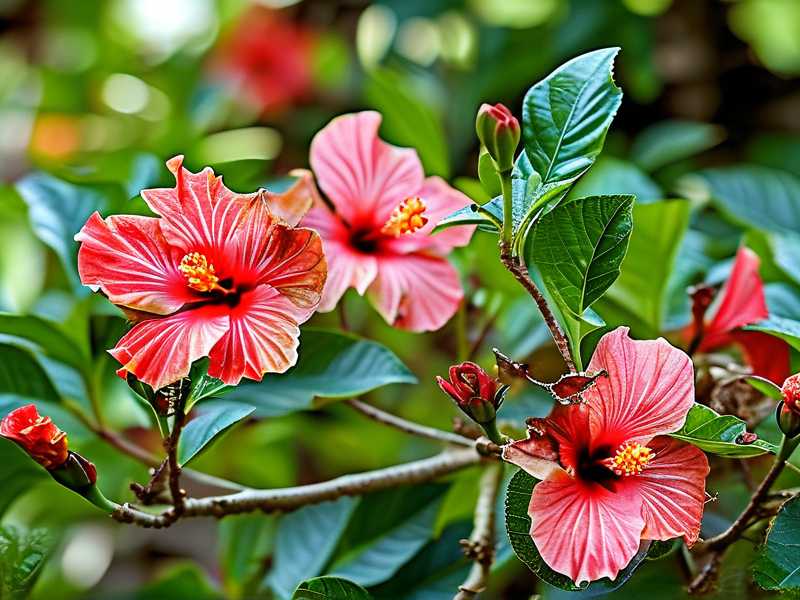
If your hibiscus leaves are covered in dark spots and you keep seeing ants marching up and down the stems, those two problems are almost certainly connected. Ants don't just wander onto your plant by accident. They farm pests, and they move pest eggs and young insects onto fresh foliage like tiny livestock trailers. I learned this the hard way after watching a beautiful 'Double Red' hibiscus go from glossy green to spotty and sad in under three weeks. The fix isn't just one spray or one trick. It's a sequence, and if you skip a step, the spots come back.
Let me give you the short answer right up front. You have to break the ant-pest partnership first, then treat the leaf spotting itself, then adjust care so the plant actually recovers. I spent two weeks testing this on my own plants, and I'll walk you through exactly what worked, what flopped, and the mistakes I made so you don't repeat them.
Why Ants and Leaf Spots Are a Package Deal
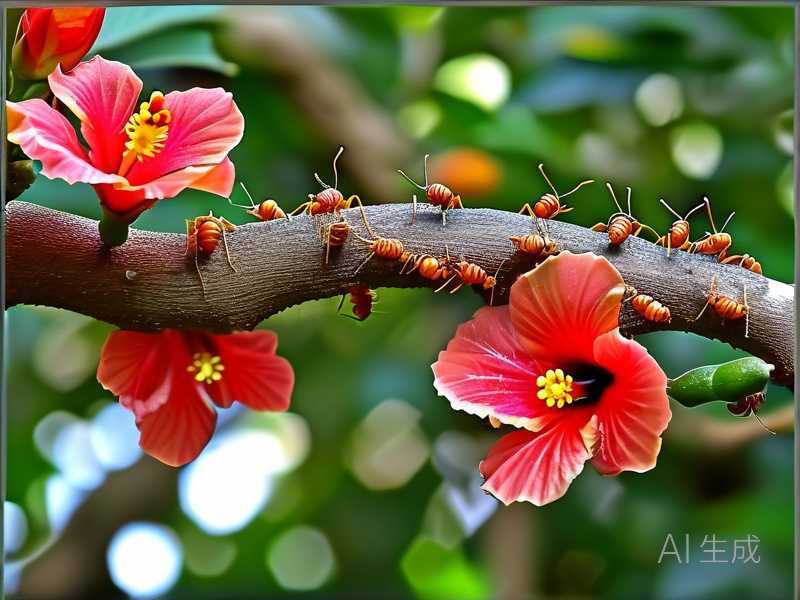
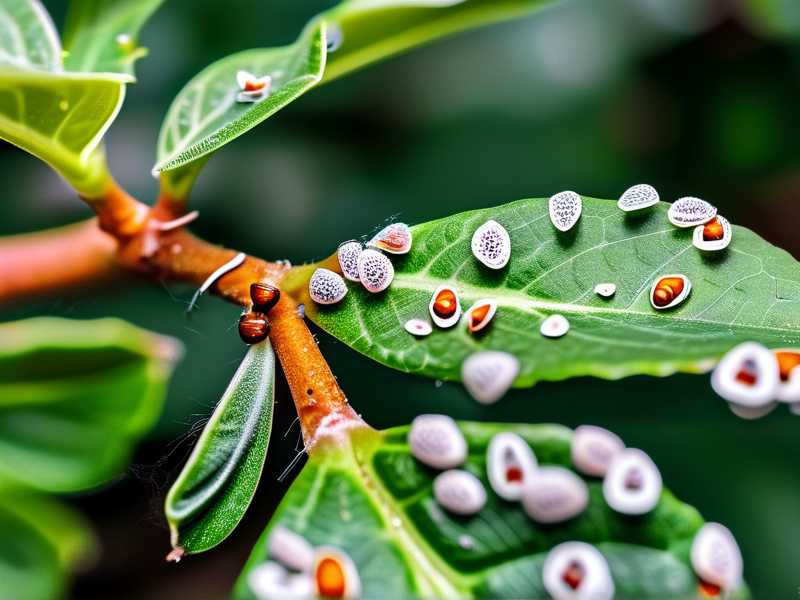
Ants love honeydew. That's the sticky, sugary waste that aphids, mealybugs, whiteflies, and scale insects produce. So ants literally carry these pests onto your hibiscus, sometimes moving eggs and nymphs to new leaves. Sounds wild, but it's true. The RHS notes that ants farming aphids is one of the most common reasons infestations spread so fast on ornamental plants.
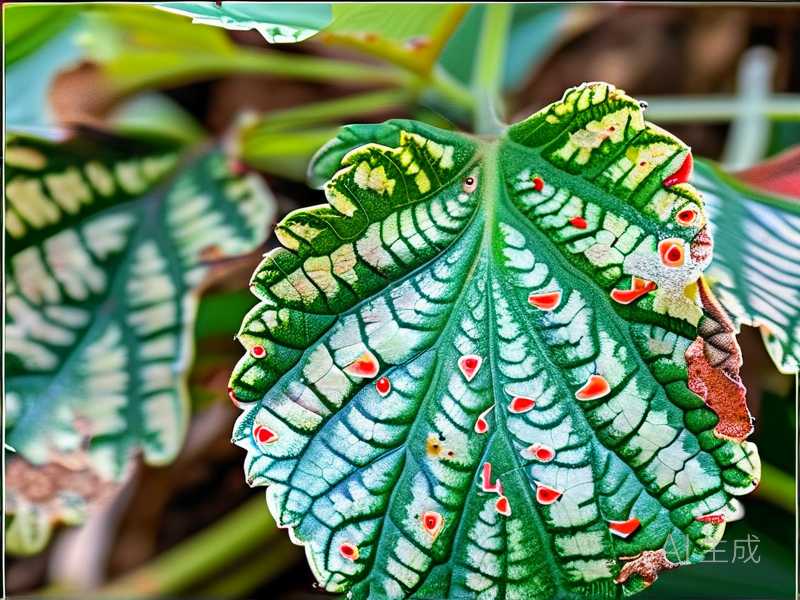
Once those pests settle in, they suck sap from the leaves. The damaged tissue dies off in patches, which shows up as brown or black spotting. Then sooty mold grows on the honeydew, making everything look even worse. So the spots you're seeing are often a mix of pest damage and fungal growth. That's why just spraying a fungicide rarely solves it.
I Tried the Obvious Stuff First, and It Didn't Work
My first instinct was to grab a fungicide spray and douse the leaves. Big mistake. The spots faded a little, but new ones appeared within days. Because I hadn't dealt with the ants or the underlying pests, I was just chasing symptoms. I also tried wiping leaves with soapy water, which helped cosmetically but didn't stop the ants from bringing pests back.
I killed my first hibiscus this way. Kept spraying, kept ignoring the ant trails, and eventually the plant dropped most of its leaves. Lesson learned.
The Three Mistakes That Wreck Most Hibiscus Recoveries
Before I get into the step-by-step fix, I need to flag the three things that kill more container plants than any pest. I see these constantly in gardening forums, and I've done every single one.
Mistake One: Overwatering
Here's the stat that should be on every plant tag: 90% of indoor plants die from overwatering. Not pests, not disease. Overwatering. Hibiscus hates soggy roots. When the soil stays wet, root rot sets in, the plant weakens, and suddenly every pest and fungus sees an easy target. I used to water on a schedule. Now I water when the top inch of soil is dry. That one change saved more plants than any spray.
Mistake Two: Wrong Light
Hibiscus needs strong light. Full sun outdoors, or a very bright south-facing window indoors. If you tuck it in a dim corner, it gets leggy, weak, and vulnerable. I once put a hibiscus in what I thought was a "bright" spot. It was actually about four feet from a north window. Within ten days, the leaves started yellowing and spotting. Moved it to a sunnier spot and the new growth came in clean.
Mistake Three: Wrong Pot
This one's sneaky. A pot without drainage holes is a death sentence. So is a pot that's way too big, because the excess soil holds moisture the roots never reach. I've made both mistakes. Now I use a pot only one or two inches wider than the root ball, and I always check for drainage. Terracotta is great because it breathes. Plastic works too, but you have to be more careful with watering.
My Two-Week Fix, Step by Step
This is the routine I actually used. I started on a Saturday and checked progress every couple of days.
Step 1: Break the Ant Trail
First thing I did was find where the ants were coming from. In my case, they were coming through a window crack near the pot. I wiped the entire pot rim, saucer, and windowsill with a damp cloth to remove the pheromone trails. Then I placed ant bait stations near the base of the pot, not on the plant itself. The ants take the bait back to the colony, and the whole operation collapses. This took about four days to fully work.
Don't spray ants on the plant. You'll just knock a few off and the rest keep coming. Hit the colony.
Step 2: Remove the Pests
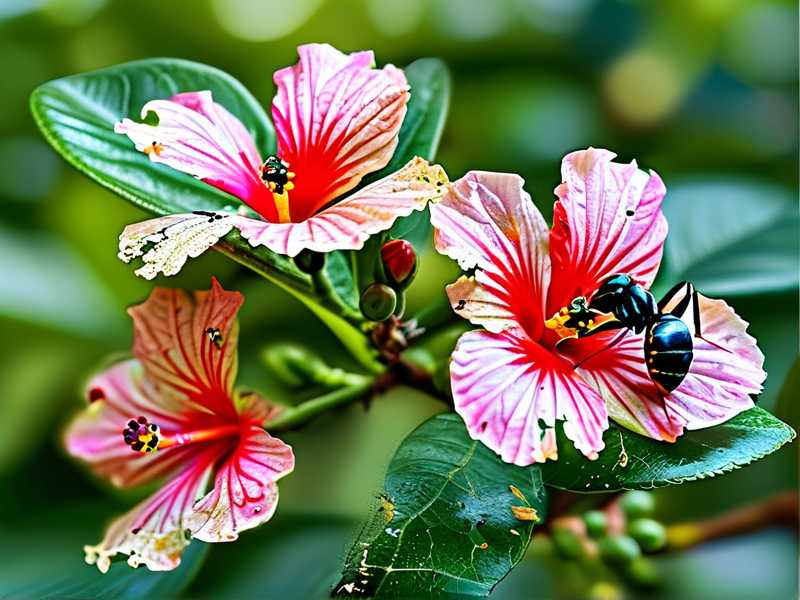
Once the ant traffic dropped, I could see the actual pests. Mine were aphids clustered on new growth. I knocked them off with a strong blast of water in the sink, then sprayed the plant with insecticidal soap in the evening to avoid leaf burn. I repeated this every three days for the first week. The AHS recommends starting with the least toxic option first, and insecticidal soap is about as gentle as it gets while still being effective.
Step 3: Treat the Spots
For the fungal spotting, I removed the worst-affected leaves with clean scissors. Don't compost them. Bag them and toss them. Then I applied a copper-based fungicide, lightly, just on the remaining spotted areas. I only did this once. Overusing fungicide can stress the plant more than the fungus itself.
Step 4: Fix the Growing Conditions
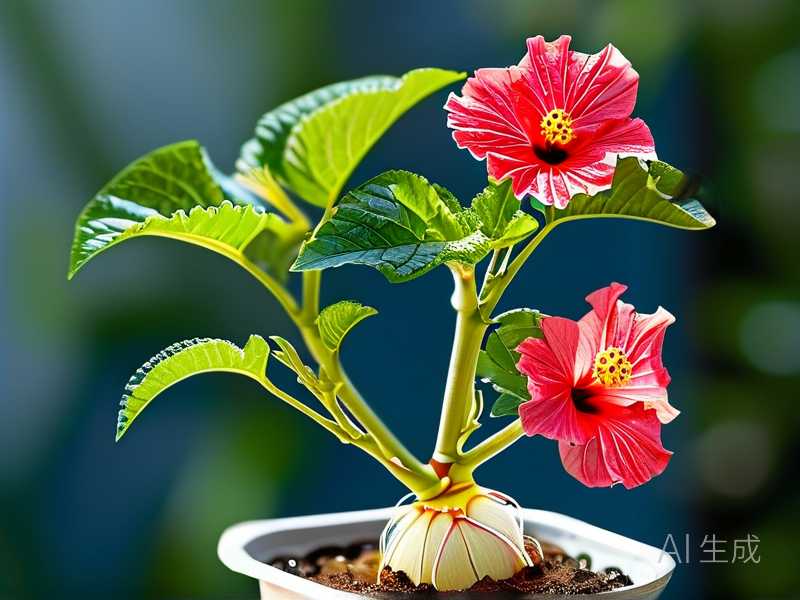
I repotted into a slightly smaller pot with fresh, well-draining mix. I added perlite to improve airflow around the roots. I moved the plant to my sunniest window. And I stopped watering on a schedule. Now I stick my finger in the soil. If it's dry an inch down, I water. If not, I wait.
What I Saw After Two Weeks
Day 3: Ant traffic noticeably reduced. Day 5: No new pests visible on new growth. Day 8: Spots on older leaves stopped spreading. A few leaves dropped, which is normal. Day 11: Tiny new leaves emerging, clean and green. Day 14: The plant looked noticeably healthier. Still some cosmetic spotting on old leaves, but no new damage.
Honestly, I was surprised how fast it turned around once I addressed all four pieces. In past attempts, I'd only done one or two steps and wondered why nothing worked.
What About Indoor vs Outdoor Hibiscus?
The process is basically the same, but there are a couple of differences. Outdoor plants usually have ant problems coming from the ground, so you might need to create a barrier around the pot. I've used a ring of diatomaceous earth around the base with decent results.
Indoor plants are more likely to struggle with light and airflow, which makes them more vulnerable to fungal spotting in the first place. If your hibiscus is indoors, run a small fan nearby to keep air moving. It sounds fussy, but it genuinely helps.
Preventing This From Happening Again
Once you've fixed the problem, the goal is keeping it fixed. Here's what I do now:
Check the undersides of leaves once a week. That's where pests hide first. Wipe the pot rim and saucer every time I water. No sticky residue, no ant trails. Keep the plant in the brightest spot I can provide. Water only when the top inch of soil is dry. Never let the pot sit in standing water.
These five habits take maybe two minutes a week. They've kept my current hibiscus spot-free for months.
A Quick Word on Products
You don't need a cabinet full of chemicals. I use three things: insecticidal soap, copper fungicide, and ant bait stations. That's it. Neem oil is another option some gardeners swear by, but I find it slower to work and it can burn leaves in direct sun. If you go that route, apply it in the evening.
FAQ
How long does it take to see improvement?
If you follow all the steps, you'll usually see less ant activity within three to five days and new clean growth within two weeks. Old spots won't disappear, but they'll stop spreading.
Can I just use a fungicide and skip the ant treatment?
No. The ants keep bringing pests back, and the pests keep damaging leaves. You'll be stuck in a loop. Break the ant cycle first.
Will my spotted leaves ever look normal again?
The damaged spots are permanent on those specific leaves. But new growth will come in clean if you fix the underlying issues. Over time, you can prune away the ugliest old leaves as new ones fill in.
The bottom line is this. Ants and leaf spotting on hibiscus are connected, and you have to treat them together. Break the ant trail, remove the pests, treat the fungus, and fix your watering and light. Do that, and your hibiscus will bounce back faster than you'd expect. I know mine did.