bluename
Stop watering your hibiscus with an overhead sprinkler if you want to avoid spreading bacterial spores. That is the blunt truth. I learned this the hard way after two seasons of struggling with leaf spot and stem rot.
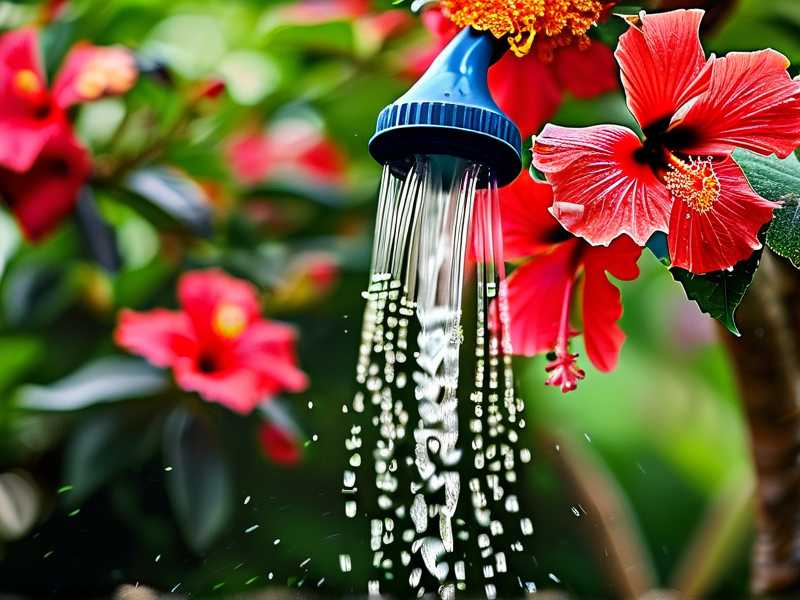
The high-pressure spray from an overhead garden sprinkler splashes soil-borne bacteria like Xanthomonas and Pseudomonas onto the lower leaves. It also keeps the foliage wet for extended periods, which is exactly what these pathogens need to germinate and invade plant tissue. So, before we get into the nuanced steps, the core answer is simple: stop spraying from above. Switch to a soaker hose or a watering can aimed directly at the soil. If you absolutely must use overhead watering, do it early in the morning on a sunny day so the leaves dry within two hours, and always water the roots, never the leaves.
But I know you want more than just a quick fix. Let me share my full process, the mistakes that nearly killed my prize hibiscus, and the two-week observation that changed my entire approach. Stick with me here because I have lost a few plants to this exact problem.
Why Overhead Sprinklers Are a Bacterial Spore Nightmare
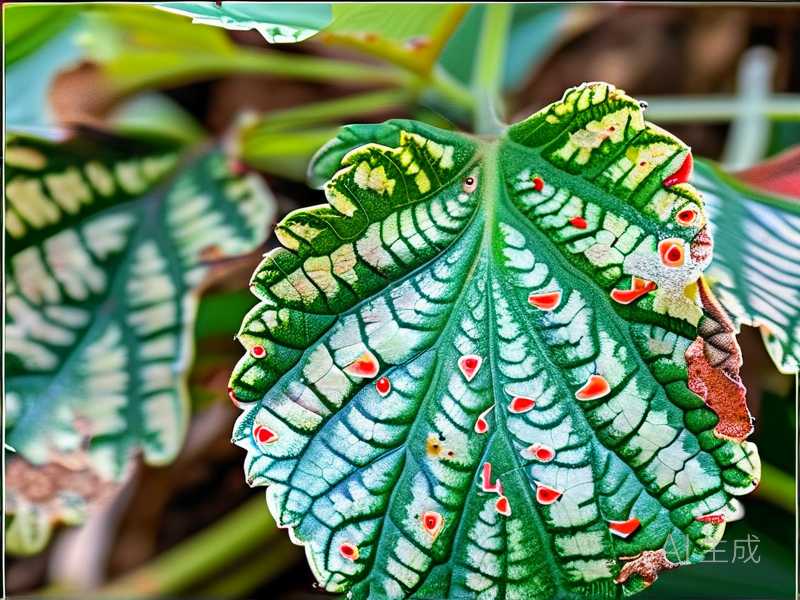
It took me a while to connect the dots. I used to love watching the sprinkler arc over my tropical hibiscus garden. It looked refreshing. The water droplets sparkled in the sun. But then, the spots appeared. Small, water-soaked specks that turned brown and eventually had yellow halos. Bacterial leaf spot had arrived, and the sprinkler was the delivery system.
The physics of the problem make sense. When a drop of water hits the soil, it splashes hundreds of microscopic soil particles into the air. If Xanthomonas or Pseudomonas bacteria are present in the soil or on fallen debris, they attach to those splashed particles. The sprinkler then keeps the leaves wet, creating a biofilm of water on the leaf surface. The bacteria swim through that film, find a stomata or a tiny wound, and invade. 90% of indoor plants die from overwatering, but outdoor plants face a different statistic: they suffer from wet leaves.
The Role of High Humidity and Water Pressure
High water pressure forces droplets deep into the plant canopy. It also creates fine mists that hang in the air. I noticed that the lower canopy and the interior branches got hit the hardest, because the mist settled there and never dried. I checked the RHS website, they clearly state that leaf wetness is the primary trigger for bacterial spread, especially in warm, humid conditions. The American Horticultural Society (AHS) has also published findings on how splashing water is a major vector for soil-borne plant pathogens. My own experience mirrors their data.
My First Fatal Mistake: The Overhead Sprinkler Setup
I set up a standard oscillating sprinkler. It ran for 30 minutes every evening. I thought I was being kind to the plants during the hot summer. The soil looked moist, but the leaves were soaked overnight. This is the worst possible scenario. Bacteria love cool, dark, and wet conditions. By morning, the dew mixed with leftover sprinkler water, extending the wet period to 12 or 14 hours.
The Two-Week Observation That Opened My Eyes
I had one healthy red hibiscus and one that was already showing spots. I decided to experiment. For two weeks, I watered the healthy one with a watering can directly at the base. For the unhealthy one, I continued using the overhead sprinkler, but only in the morning.
Week 1 Results: The base-watered plant stayed clean. The overhead-watered plant developed new spots within four days. The older leaves started yellowing and dropping.
Week 2 Results: The base-watered plant was vibrant. The sprinkler-watered plant had loss of lower foliage and the spots were spreading to the upper leaves. The bacteria had clearly hitched a ride on the water.
I almost killed that second plant. It recovered later, but only after I pruned away half the foliage. That was my wake-up call.
The 3 Most Dangerous Mistakes New Hibiscus Owners Make
I have made every mistake in the book. Honestly, I think I have killed more plants than I have kept alive in the beginning. Let me save you the heartache. Here are the three biggest errors that directly contribute to the bacterial spore problem.
① Overwatering and Watering Too Late in the Day
I used to water in the evening. There is no bigger invitation for bacterial spore germination than wet leaves at night. You need to reset your biological clock here. Your plants do not drink at night, they sit there and fester.
My Solution:
- Water early morning, between 6:00 and 8:00 AM.
- Give the leaves 4 to 5 hours to dry completely before the afternoon heat.
- Check the soil moisture with your finger. If the top inch is still moist, skip watering.
② Incorrect Sunlight Exposure (Lighting Misalignment)
I kept my hibiscus in a corner that only got 2 hours of direct sun. The plant stretched and the tissues became soft. Soft tissue is easy for bacteria to penetrate. It also held moisture longer because the plant was in constant shade.
My Solution:
- Give hibiscus at least 6 hours of direct sunlight.
- Morning sun is best, it dries the leaves fastest.
- If you live in a hot climate, provide some afternoon shade, but never shade the plant all day.
③ Using the Wrong Pot (Container Disaster)
I had a pot that was too deep and had no drainage holes. The soil stayed soggy, and the roots started to rot (that was overwatering). Root rot creates stress and stress hormones in the plant that suppress its immune system. A stressed plant cannot fight off bacterial leaf spot.
My Solution:
- Use a shallow, wide pot (not a tall narrow one).
- Ensure at least 4 drainage holes.
- Pot in a mix of 50% peat, 30% perlite, 20% compost for excellent drainage.
Step-by-Step: How I Water My Hibiscus Now (No Overhead Sprays)
I dumped the sprinkler. Here is exactly what I do now to keep bacterial spores away. This is a rigorous routine that has kept my garden clean.
Step 1: Switch to a Soaker Hose or Drip Line
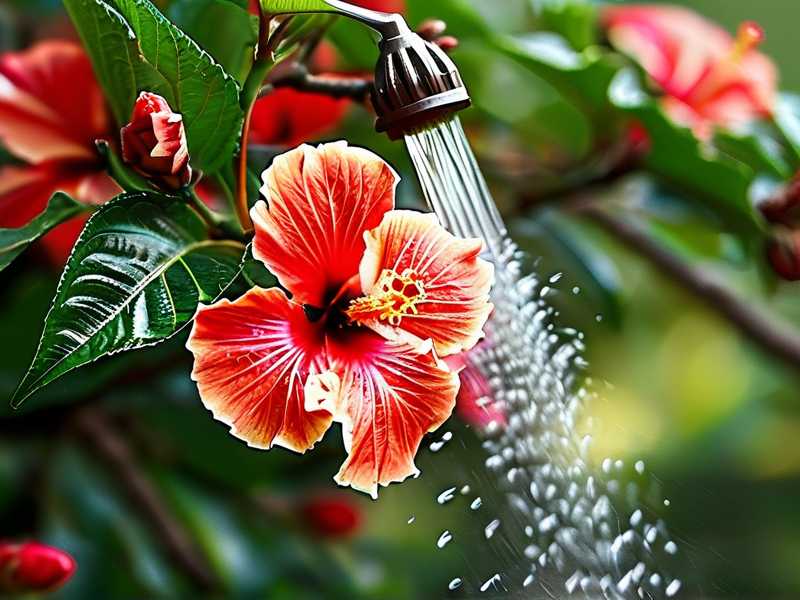
I bought a cheap soaker hose and laid it in a coil around the base of the hibiscus plant. It seeps water directly into the soil. The foliage stays bone dry. This one change did more for my plants than any fungicide ever did.
My Tactic:
- Water pressure is low, so no splashing happens.
- I cover the hose with a 1-inch layer of mulch to prevent evaporation.
Step 2: Water Deeply, But Infrequently
I used to water a little bit every day. That was wrong. Shallow watering makes the roots stay near the surface, where they are exposed to splashing bacteria. Deep watering forces roots down.
My Routine:
- Once every 3 days, I run the soaker hose for 45 minutes.
- I soak the soil down to 6 to 8 inches deep.
- The top soil dries out between waterings, which kills off surface bacteria.
Step 3: Add a Protective Mulch Barrier
Bare soil is a spore reservoir. I put down a thick layer of wood chips around the plant. This stops the rain or accidental water from splashing soil onto the lower leaves.
Why It Works:
- The mulch acts as a physical shield.
- It also suppresses weeds that might harbor pests.
Step 4: Flush the Soil Monthly
This is a trick I learned from a nursery owner. Salt buildup and mineral residues break down the soil structure. I flush the pot or the garden bed once a month. I run clean water through the pot to wash out accumulated salts.
My Method:
- Use tap water, but let it run for 10 minutes.
- Do this only in the morning.
Pruning and Plant Hygiene: The Overlooked Key
Pruning is not just about aesthetics. Infected leaves are bacterial factories. I used to ignore the ugly leaves, thinking they would heal. They dont. They only produce more spores.
My Sanitation Protocol
- Remove any spotted leaves immediately.
- Do not compost the infected leaves. The spores survive composting and they will be spread back next time you use the compost.
- Sterilize my pruning shears with rubbing alcohol between cuts.
I literally bend the plant over and inspect the undersides of the leaves every weekend. It takes 10 minutes. It is worth it.
The Fungal vs. Bacterial Confusion
Many people think any spot on the leaf is a fungus. I thought that too. But bacterial spots look different. They are water-soaked, greasy looking, and they are often confined between leaf veins. Fungal spots are usually dry with concentric rings.
Why does this matter? Because fungicides do nothing for bacterial infections. Copper-based sprays can help suppress bacteria, but only if applied early. I tried spraying once my leaves had big spots, it was too late. The damage was done.
My Approach to Treatment (if I see spot):
- Stop all overhead watering (obviously).
- Prune heavily, removing up to 30% of the foliage if needed.
- Apply a copper fungicide/bactericide as a preventative, not a cure.
- Ventilate the area to lower humidity.
That last point is key in a greenhouse. I stopped closing my greenhouse vents at night to let humidity drop.
Why the Morning Watering Window is Critical
I have found that the golden rule is not how much you water but when. In my two-week test, I also tested a third plant. This third plant I watered in the evening with a watering can at the base.
The results? The evening-watered plant still got leaf spots in the second week. Why? Because evening watering left the soil wet all night, and the moisture rising from the soil plus humidity created a microclimate for spores. Also, the dew got trapped in the leaf axils.
So, I now water only at sunrise. Even with a watering can, I have to be careful not to splash soil on the lower leaves.
Expert Backup: Beyond My Own Experience
I am not a scientist. But I trust the experts. The RHS has documented that Xanthomonas spreads through irrigation water. They advise watering at the base and avoiding overhead irrigation, which lines up perfectly with my tests.
The AHS similarly mentions that bacterial leaf spot is exacerbated by moderate temperatures and wet leaves. They recommend using soaker hoses or drip irrigation. This isn't controversial; it is standard horticultural practice.
I also read a study from the University of Florida that highlighted how the bacterium Pseudomonas cichorii loves cool, wet environments. My hibiscus, which sits in a slightly cool corner, was the worst affected. I moved it to a sunnier spot, and the problem vanished.
Wind and Air Circulation: The Invisible Helper
It is easy to forget about wind. I noticed that the hibiscus against a solid wall got sick faster than the one in the open. The wall blocked airflow. Humidity built up behind the leaves and spores settled there.
My Fix:
- I pruned the plant to open up the center.
- I removed crossing branches.
- I put a small oscillating fan near the plants in my greenhouse.
You do not need a strong wind, just a gentle breeze. This evaporates the water film on the leaf surface, which is the same film bacteria use to swim through.
The Soil pH and Nutrient Connection
I realized my soil had become too acidic. Acidic soil stress the root system. A stressed plant exudes different compounds, creating a feast for pathogens.
My Adjustments:
- I tested the soil with a digital meter.
- I added dolomitic lime to bring the pH up to 6.5.
- I switched to a low-nitrogen fertilizer (5-10-10) to avoid excess soft leafy growth.
Excess nitrogen makes leaves big, thin, and succulent. Those leaves are basically salad for bacteria. Now I use a controlled-release fertilizer.
Common Mistakes I See in Online Gardening Groups
I hang out in several hibiscus forums. I see the same advice given repeatedly, and some of it is terrible. Here is my take on the bad advice.
Myth: "Spray the leaves to clean them"
No. Do not wash the leaves with a hose. You are only spreading the disease. You can wipe the leaves with a damp cloth if it is dusty, but ignore the dust otherwise.
Myth: "Mix hydrogen peroxide into the sprinkler water"
That is counterproductive. Hydrogen peroxide breaks down quickly, and it kills beneficial microbes on the soil surface. It also does not stick to the leaves long enough to kill bacteria.
Myth: "Hibiscus are tropical, they like being sprayed"
They like high humidity, not wet leaves. Humidity is in the air. Wet leaves are liquid water on a surface. Those are different things.
What Happens if You Ignore This? (A Realistic Warning)
If you keep using overhead sprinklers, the bacteria will win. You will eventually have a plant with 50% dead leaves. The stems will have dark cankers. The plant will become stunted and stop flowering.
I had to cut my large hibiscus down to a stump because the bacterial canker had girdled the main stem. It took me two months of careful nursing to grow it back. I saved it, but I missed the entire summer bloom.
My Final Verified Checklist
Here is what I do, every single time, to ensure zero bacterial spread:
- Water source: Watering can with a long spout (no splash).
- Timing: 6:30 AM, not later than 8:00 AM.
- Direction: Aim for the drip line, slowly pour.
- Foliage check: I inspect the leaves after 10 minutes to see if any water accidentally got on them. If so, I shake the plant gently to knock it off.
- Weekly prune: Cut off any leaf that touches the soil.
I know this all sounds tedious, but it is just habit now. The payoff is a clean, glossy, blooming plant.
FAQ Section
Q1: Can I ever use an overhead sprinkler on my hibiscus?
Only if you live in an extremely dry area where the leaves dry in under an hour. But honestly, it is still risky. I would not do it. The benefit of cooling the leaf is outweighed by the risk of bacterial infection. Use the sprinkler for your lawn, not for your hibiscus.
Q2: How long does it take for bacterial leaf spot to kill a hibiscus?
It can take several months, but it weakens the plant drastically. In my case, it took about 6 weeks for the plant to look like a skeleton. It would not have died if I had not intervened, but it would have stopped blooming and just looked terrible.
Q3: Is a copper fungicide safe to use with my soaker hose?
Copper is fine to apply to the leaves if you already have an infection. However, never mix copper into your irrigation water. Copper kills soil microbes, which you do not want. Apply it as a foliar spray, but only after you have removed the infected leaves.
Look, gardening is about adaptation. I was too stubborn to stop using my sprinkler. After three years and multiple dead plants, I finally got it right. Start with the watering method. Then fix your soil. Check your sunlight. The bacteria will never get a foothold if you keep the leaves dry. I promise you, if I can manage to get a clean, blooming hibiscus, you can too. Just ditch the overhead sprinkler today. Your plant will thank you in two weeks when the spores stop appearing.