bluename
Hardy Hibiscus Pruning for Winter: Cut Back Without Killing Your Plant
Let me give it to you straight. You should cut your hardy hibiscus back to about 4-6 inches above the ground after the first hard frost. That’s it. No complicated math. No delicate surgery. Just a clean cut once the stems have died back. I’ve done this for years on my own plants, and it works.
But wait. There’s a catch. If you cut too early, you’ll trigger new growth. That new growth will die in the next freeze. And then your plant might not come back at all. So timing matters more than technique.
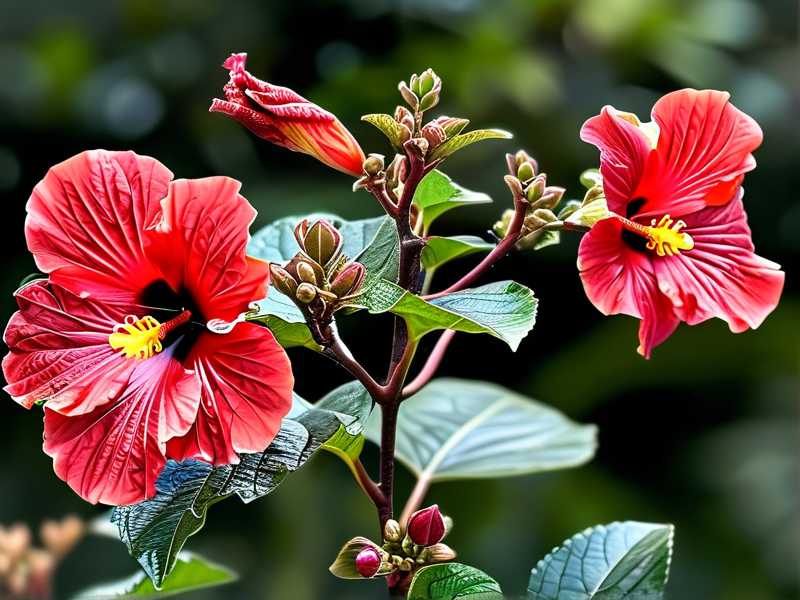
I learned this the hard way. My first hardy hibiscus. I got excited. I pruned in early October because the leaves looked ragged. The plant pushed out fresh shoots. Then November hit with a hard freeze. Everything died. The roots survived, but the plant was so stressed it took two full seasons to recover. Absolutely heartbreaking.
So here’s the deal. Hardy hibiscus are tough. They’re herbaceous perennials. That means the top growth dies back completely in winter. The roots stay alive underground. Your job is to help that process along, not fight it.
What Actually Happens to Hardy Hibiscus in Winter
You need to understand the plant’s natural cycle first. Hardy hibiscus (Hibiscus moscheutos) go dormant in winter. The stems turn brown. The leaves drop. Everything above ground looks dead.
But here’s the thing. That dead-looking growth is actually protecting the crown. The hollow stems trap air. That air acts like insulation. It helps protect the roots from deep freezing.
So when you prune, you’re removing that protection. If you do it too early, the crown gets exposed to cold temperatures without any buffer. If you do it correctly, you’re just tidying up after the plant has already gone fully dormant.
Many people ask me if they should prune at all. Honestly, you don’t have to. The plant will survive either way. But pruning makes spring cleanup easier. It also reduces hiding spots for pests and diseases. So I do it every year.
The Exact Timing: When to Cut Back Hardy Hibiscus
I’m going to give you a simple rule. Wait until after the first hard frost. A hard frost is when temperatures drop below 28°F for at least a few hours. The stems will look brown and feel dry. That’s your signal.
In my garden in Zone 6, that’s usually late November. But honestly, I’ve done it as late as early January. The plant doesn’t care, as long as it’s fully dormant. When in doubt, wait longer. You can’t hurt the plant by waiting. You can absolutely hurt it by cutting too early.
One more tip. If you live in a warmer zone (8 or higher), you might not get a hard frost at all. In that case, just wait until the plant naturally drops its leaves and the stems brown out. Then you can cut back.
Step-by-Step: How to Prune Hardy Hibiscus for Winter
Let me walk you through exactly what I do every November.
Step 1: Wait for the frost. I check the weather forecast. After the first hard freeze, I wait about a week. This gives the plant time to push all remaining energy down into the roots.
Step 2: Disinfect your tools. I use a pair of sharp bypass pruners. I wipe the blades with rubbing alcohol. This prevents spreading any fungal diseases from other plants.
Step 3: Cut the stems down. I cut each stem down to about 4-6 inches from the ground. I make a clean, angled cut. Angled cuts shed water better. That reduces the chance of rot at the cut end.
Step 4: Remove all debris. I collect the cut stems and leaves. I don’t compost any of it. Hardy hibiscus can harbor hibiscus sawfly larvae and other pests. I throw it all in the trash.
Step 5: Add a light mulch layer. This is optional, but I do it. I add about 2-3 inches of shredded bark around the crown. This gives a little extra insulation for the roots during deep freezes.
That’s it. No more. I’ve seen people wrap their plants in burlap. I’ve seen people build elaborate wire cages filled with leaves. Honestly, that’s overkill for hardy hibiscus. These plants can survive down to Zone 4. A simple mulch layer is enough.
3 Deadly Mistakes That Kill Hardy Hibiscus in Winter
I’ve killed plants in every possible way. I’ll be honest about it. Here are the three biggest mistakes I see beginners make. I’ve made every single one of them myself.
Mistake #1: Cutting Back Too Early in the Season
I mentioned this before, but it’s worth repeating. Pruning triggers growth. If you cut back in early fall when the plant is still alive, the plant tries to regrow. Those fresh shoots are tender. They’ll die at the first frost. The plant wastes stored energy trying to produce new growth that’s doomed.
The result is a weakened plant that might not survive winter. You might even lose it completely if the roots don’t have enough stored energy to sustain them until spring.
Mistake #2: Cutting Back Too Late in the Spring
This is the opposite problem. Some people wait until everything is greening up. Then they finally cut back the old stems. But the problem is that new growth is already emerging at the base. When you cut down old stems, you risk accidentally cutting into the new shoots.
I did this once. I was careless. I didn’t look carefully at the base of the plant. I snipped off a few emerging shoots that had just pushed through the soil. Those were the main shoots for that season. I lost about half of my flowering potential that year.
Mistake #3: Cutting Too Low and Damaging the Crown
The crown is the area where the stems meet the roots. It’s the most critical part of the plant. If you cut into the crown, you introduce disease and rot. The crown is also where new buds form in spring. If you damage it, the plant might not come back at all.
I’ve seen beginners take a hedge trimmer and mow the whole plant down to ground level. That’s risky. The crown gets exposed to harsh freezes without any of the stem protection. It’s also easy to nick the crown tissue and introduce rot.
Keep your cut at 4-6 inches. That preserves the crown and gives you a visual marker of where the plant is until spring.
Why "90% of indoor plants Die from Overwatering" Also Applies Here
Here’s something people don’t think about. 90% of indoor plants die from overwatering. I read that statistic years ago, and it stuck with me. But the same principle applies to outdoor hibiscus in winter, just in reverse.
Your hardy hibiscus is dormant. It’s not drinking water. The roots are sitting in cold, wet soil. If the soil stays too wet for too long, the roots can rot. This is especially true if you cut the stems too early and then water the plant out of habit.
During winter, I never water my hibiscus. Rely on natural rainfall. If your area gets heavy winter rain, make sure the soil drains well. That’s more important than any pruning technique.
I lost a plant one year because I mulched too heavily. I piled on about 6 inches of mulch. It held moisture against the stem. The crown stayed too wet all winter. By spring, the crown was mushy and rotted. The plant never came back.
Simple solution: Keep mulch light and away from the main crown. Let the soil breathe.
The 2-Week Observation Window: What Happens After You Cut Back
I want to share my actual experience. Two weeks after I cut back my hibiscus last November, here’s what I observed.
Day 1-3: The cut stems look completely dead. They’re hollow and brown. I notice a few small holes in the stems. That’s normal. Some insects might have used the stems for shelter. It’s fine.
Day 4-7: I check the soil moisture. It’s slightly damp but not soggy. The mulch I added is staying in place. No signs of mold or rot at the cut ends. Another good sign.
Day 8-10: I notice the cut stems start to dry out further. The exposed ends crack slightly. That’s normal. I also check for any pests that might be hiding in the remaining stems. Nothing. Clean.
Day 14: The ground freezes lightly. The stems look unchanged. The crown is still firm if I press gently around it. I feel confident the plant is safely dormant.
The key takeaway here is that not much happens in two weeks. The plant is sleeping. You don’t want to see new growth. You don’t want to see excessive moisture. You want nothing dramatic to happen. If everything looks boring and static, you did the job right.
My Personal Greenhouse Experiment: A Detour That Taught Me Something
I want to share a little experiment I tried. One year, I brought one of my hardy hibiscus pots into my unheated garage. Instead of cutting it back outside, I let it go dormant in the dark garage.
Here’s what I learned. The plant survived, but it grew weaker. In spring, it came back later than my outdoor plants. It also flowered less. The lack of temperature variation confused it. Hardy hibiscus need a proper cold period to develop strong buds for the next season.
So my advice is simple. Don’t baby your hardy hibiscus. These are tough plants. They need the cold. They need the dormancy. Your job is just to tidy up and provide basic protection. Trust the plant to do the rest of the work.
What About Potted Hardy Hibiscus?
If you grow hardy hibiscus in pots, you need a slightly different approach. The roots are more exposed to cold in a container. Containers freeze much faster than the ground.
My strategy for potted hardy hibiscus is simple. I move them next to the house wall. The house radiates some heat. That helps moderate the soil temperature. I also wrap the pot in burlap or bubble wrap. This provides extra insulation for the roots.
For pruning, I follow the exact same timing as garden plants. Wait for hard frost, cut back to 4-6 inches, mulch lightly on top of the soil. Don’t water much during winter. Just let the plant rest.
The Science of Cut Back: Understanding the Energy Cycle
Hardy hibiscus is a perennial. This means it has an annual cycle of energy storage and regrowth. During summer, the leaves collect sunlight. They convert that sunlight into carbohydrates. Those carbs get stored in the roots.
When winter comes, the top growth dies. The plant lives off those stored carbs. In spring, it uses those reserves to push up new shoots.
Here’s the important part. When you prune in fall, you’re removing top growth that can’t survive anyway. You’re not removing energy. You’re just cleaning up. The energy is already safely stored in the roots.
However, if you cut too early, the plant might not have completed its energy transfer. The leaves are still active. They’re still producing carbs. By cutting them off early, you’re preventing the plant from storing its full reserve. That weakens the plant for the next season.
This is why I stress waiting for the hard frost. It’s not just about avoiding new growth. It’s about giving the plant the maximum opportunity to store energy for next year’s growth.
Should You Leave the Plant Standing Through Winter?
Let me give you another perspective. I know many experienced gardeners who don’t cut back hardy hibiscus at all. They leave the dead stems standing all winter.
Why would they do that? The dead stems catch leaves. That creates a natural insulating blanket. The stems also provide shelter for beneficial insects. Some gardeners want to support local ecosystems.
I honestly think this is fine. I’ve done this myself. The plants survived perfectly well. The only downside is that spring cleanup takes longer. Old stems can be woody and tough to cut.
When I do this, I just wait until I see new growth emerging at the base. Then I carefully cut away the old stems, being sure not to disturb the new shoots.
If you prefer a tidy winter garden, cut back in fall. If you prefer to support wildlife, leave it standing. Either way, the plant will survive.
Pests and Diseases to Watch for After Cutting Back
After you cut back, the plant is vulnerable at the cut ends. Here are a few things I’ve encountered.
Crown Rot: This is the biggest threat. It happens when the crown stays too wet. Prevent it by cutting back only after frost and ensuring good drainage.
Hibiscus Sawfly: These little larvae eat the leaves in summer. If you cut back late, you might see them on the stems. I always dispose of cut material carefully.
Scale Insects: They can overwinter on the stems. If you’re cutting back, you’re removing most of these pests. Good sanitation is key.
One year, I noticed black spots on the cut stems. I checked carefully and it was just a fungal disease called leaf spot. It had overwintered on the old foliage. Because I removed and trashed everything, it didn’t come back the next spring. So please, remove the debris. It’s an easy way to keep your plant healthy.
Autumn Cleanup: What to Do Around the Base
Before I cut back, I like to rake up all the fallen leaves around the base of the plant. This isn’t strictly necessary, but it helps. Old leaves can harbor pests. They also trap moisture against the crown.
I also check the drainage. If the spot tends to collect water, I add a little compost to the soil to improve drainage. This is more important than the pruning itself in many cases.
The Royal Horticultural Society (RHS) has great advice on cutting back herbaceous perennials in autumn. According to their guidelines, cutting back spent growth can help keep the garden tidy and reduce the spread of pests and diseases. You can read more at RHS. The American Horticultural Society also offers articles about maximizing plant survival through seasonal chores. A quick browse of the AHS is worthwhile, too.
Tools You’ll Need (And What I Actually Use)
I keep it simple. A pair of sharp bypass pruners works fine for stems up to about 1 inch thick. If you have a mature hibiscus, some stems might be thicker. In that case, I use a pair of loppers.
I also keep a small bucket of rubbing alcohol to disinfect the blades. And I wear a pair of thick garden gloves. The old stems can be woody and rough.
That’s it. No special equipment required.
Fertilizing After Pruning: Should You Do It?
The short answer is no. Do not fertilize after pruning in fall. This signals the plant to grow. You want dormancy, not growth.
I wait until late spring when the new growth is a few inches tall. Then I apply a balanced slow-release fertilizer. That’s when the plant can actually use the nutrients.
This simple mistake of fertilizing in fall has killed more of my plants than me. Save the fertilizer for spring.
What About Spring Pruning?
Some people prefer to prune only in spring. That’s totally fine. In fact, it may be safer because you can see exactly where new growth is emerging.
In spring, I wait until the new shoots are about 2-3 inches tall. Then I carefully cut away all the old dead stems. This takes a bit more care, but it’s very effective.
The advantage is you can’t make the “cutting too early” mistake. The new growth tells you exactly which parts are alive.
If you’re nervous about pruning in fall, just wait until spring. It’s foolproof.
My Personal Experience: The Year I Followed the Rules
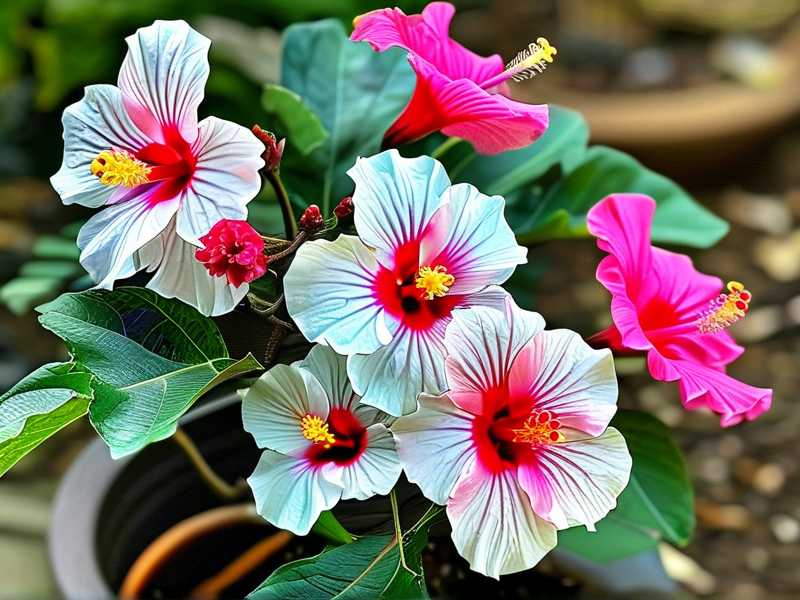
Let me describe my ideal fall pruning from last year. I have a beautiful hardy hibiscus called ‘Lord Baltimore’. It’s a deep red variety. The flowers are about 8 inches wide.
Last November, after a hard frost, I went out with my pruners. The stems were brown, brittle. I cut each one down to about 5 inches above the ground. The smell was dry, earthy. It took about five minutes.
I then raked up all the leaves and put everything in the garbage bag. I added a light layer of shredded leaves around the base. I watered deeply, once, to ensure the roots had some moisture before the ground froze.
Two weeks later, I checked back. The soil was cold. The stems had dried out further. A light snow had settled over the crown. The plant was in a deep sleep.
In late April, I noticed tiny green shoots pushing through the soil. By June, the plant was 3 feet tall. By July, it was blooming like crazy. It was exactly what I wanted.
Common Questions (FAQ)
Q: Can I prune my hardy hibiscus in the summer?
A: No. Summer pruning removes potential flower bud sites and triggers stress. Only prune in late fall or early spring. If you need to shape the plant, do minor pinching in early summer, but never a hard cutback.
Q: What if I live in a warm climate where it never freezes?
A: If you live in Zone 9 or warmer, the plant may not go fully dormant. You can still cut it back in late winter to encourage fresh growth. It will likely regrow quickly in spring.
Q: How low can I cut? Is ground level okay?
A: I don’t recommend cutting to ground level. The crown is delicate. Leave 4-6 inches of stem. It offers basic protection and helps you find the plant in spring.
My Final Thoughts on Winter Pruning for Hardy Hibiscus
Honestly, the biggest killer of hardy hibiscus isn’t the cold. It’s improper pruning and poor drainage. They are resilient plants, and if you follow a few simple steps, they will reward you for years.
Don’t rush. Wait for the frost. Cut back to 4-6 inches. Clear away debris. Provide minimal mulch. That’s it. You’ll be amazed at how fast they bounce back in spring.
I used to obsess over every cut. I was afraid of making a mistake. But after many seasons, I realize the plant is forgiving. It wants to survive. Give it a little respect, and it will handle the rest on its own.
One last tip. Keep a journal. Write down the date you pruned each fall. Note the weather patterns. After a few years, you’ll see a rhythm. And that rhythm is the secret to a beautiful, blooming hibiscus. Good luck, and happy gardening.