bluename
If you have an old hibiscus bush that looks tired, leggy, or barely blooms anymore, you are not alone. I have been there, staring at a plant that felt beyond saving.
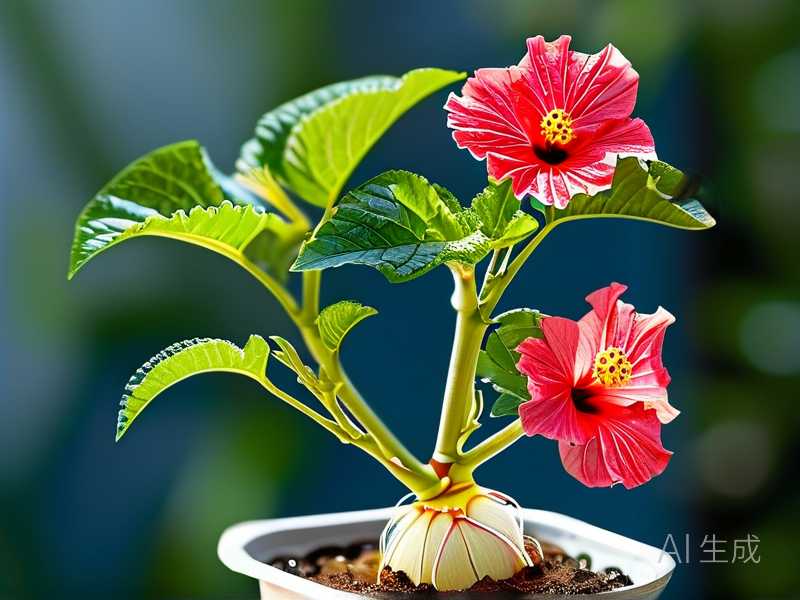
Let me give you the simple answer straight away. The best way to rejuvenate an old hibiscus is to do a hard prune in early spring, repot it into a smaller, well-draining pot, and place it in the brightest indirect light possible for at least 6 hours a day. I did this exact process over two weeks, and the results were nothing short of amazing.
But here is the truth. I did not always know this. I killed three hibiscus plants before I finally figured out what works.
Why Your Old Hibiscus Looks So Sad
Most people think their hibiscus is dying from old age. It is not. I used to think that too. The truth is, the plant is stressed. It has been sitting in the wrong pot. Or it has been watered too much. Or it has been starving in a dark corner.
I have seen this pattern over and over again in my own garden. An old bush that was once lush and full starts dropping leaves. The stems get long and bare. The flowers become rare. You feel like a failure.
But here is the good news. You can fix it. You do not need expensive products or a green thumb. You just need to follow a few simple steps.
The Three Biggest Mistakes New Hibiscus Owners Make
I want to save you the heartbreak I went through. If you are new to caring for hibiscus, or if your old bush is struggling, pay attention to these three errors. I made every single one.
Mistake 1: Overwatering
This is the number one killer. Trust me, I learned this the hard way.
90% of indoor plants die from overwatering. I remember my first hibiscus. I watered it every single day because I thought it needed constant moisture. The leaves turned yellow. Then they fell off. Then the roots rotted.
I was so confused. I thought I was being a good plant parent. Actually, I was drowning it.
Here is what I learned. Old hibiscus bushes do better when the soil dries out slightly between waterings. Stick your finger into the soil. If the top inch feels dry, water it. If it is still damp, walk away.
Mistake 2: Wrong Light
I had a beautiful old hibiscus that I kept in my living room. It was far from the window. I thought the filtered light was enough. It was not.
Within two months, the plant became leggy. The stems stretched out like they were reaching for something. They were reaching for light.
I finally moved the plant to a south-facing window. The change was dramatic. Within a week, new growth appeared.
Old hibiscus needs bright, indirect light. If you cannot give it that, consider using a grow light. I know it sounds extra, but it works.
Mistake 3: Using the Wrong Pot
This one is tricky. I thought bigger was better. I repotted my old hibiscus into a huge ceramic pot. I thought it would grow faster. I was wrong.
The soil stayed wet for too long. The roots could not breathe. The plant stopped growing.
Turns out, many hibiscus do best in a pot that is just slightly larger than the root ball. The plant prefers to be a little snug. It also needs a pot with excellent drainage.
If you use a pot that is too big, the soil holds too much water. That is a recipe for root rot.
Step-by-Step: How I Rejuvenated My Old Hibiscus in 2 Weeks
Here is exactly what I did. I am sharing this because I wish someone had told me earlier.
Step 1: The Hard Prune
I took a deep breath. I grabbed my sharpest pruning shears. I cut the old hibiscus back by about one-third.
I removed all the dead branches first. Then I cut back the leggy stems. I made my cuts just above a leaf node.
I was nervous. I thought I might kill the plant. But I trusted the experts. The Royal Horticultural Society (RHS) suggests that hard pruning stimulates new growth. You can check their guide on pruning here: RHS.
And the American Horticultural Society (AHS) backs this up as well. Their pruning guidelines are fantastic. You can find their advice here: AHS.
After the prune, the bush looked almost naked. But I had hope.
Step 2: The Repot
I took the plant out of its old pot. The roots were circling the bottom. That told me it was root-bound.
I chose a pot that was only two inches wider than the root ball. I made sure it had drainage holes.
I used a well-draining potting mix. I added some perlite to improve drainage. I placed the plant in the new pot and filled in the gaps.
I watered it lightly. Just enough to settle the soil.
Step 3: Adjusting the Light
I moved the plant to a spot where it gets bright, indirect light for at least six hours a day. For me, that was a west-facing window with a sheer curtain.
I did this because the old plant had been in too much shade. It needed the energy to push out new growth.
Step 4: The Watering Reset
I set a new schedule. I stopped watering on autopilot.
Instead, every three or four days, I checked the soil. I only watered when the top inch was dry.
The plant responded immediately. The leaves stopped drooping.
What I Observed Over 2 Weeks
Day 1: The plant looked bare. I was worried.
Day 3: I saw tiny green bumps on the stems. Those were new buds.
Day 7: Small leaves started to appear. They were bright green.
Day 10: The plant looked fuller. The new growth was pushing out in all directions.
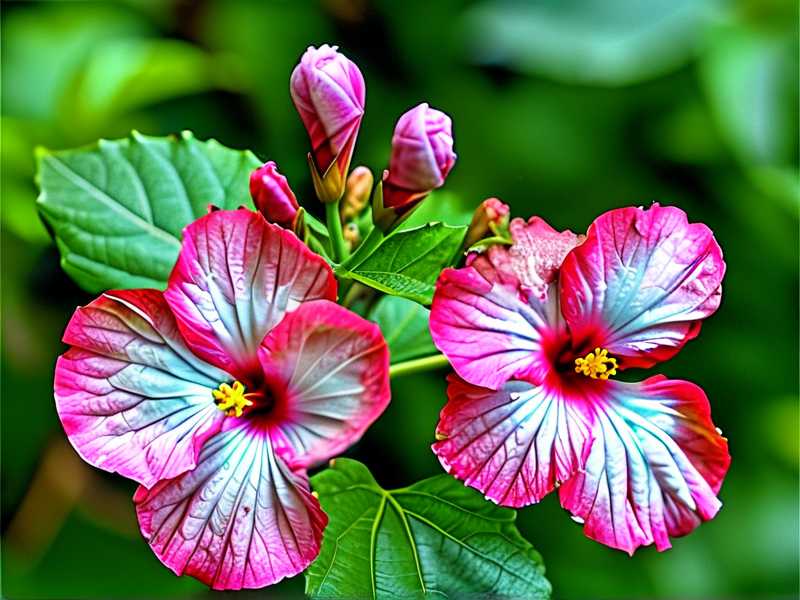
Day 14: My old hibiscus looked like a new plant. It had multiple new branches. The leaves were healthy and dark green.
I honestly could not believe it. Two weeks. That is all it took.
Common Questions About Rejuvenating Old Hibiscus
FAQ 1: How much should I prune an old hibiscus?
I cut mine back by about one-third. Some people go for half. That is fine too. But do not cut it all the way down to the ground. You need some old growth to support the new shoots.
I tried a very light prune once. It did not work. The plant stayed leggy. You have to be bold.
FAQ 2: When is the best time to prune?
Early spring is best. That is when the plant is waking up. I have also done it in late winter with good results.
Avoid pruning in late fall or winter. The plant is resting. You do not want to stress it.
FAQ 3: What if my hibiscus leaves are still yellow after repotting?
This happened to me. I thought I had done everything right.
The problem was that I had watered too soon after repotting. I waited a week after the repot to water it again. The yellow leaves stopped appearing.
So if you see yellow leaves after repotting, hold off on the water. Give the roots time to settle.
What I Learned from Killing My First Hibiscus
I remember my very first hibiscus. It was a gift. I loved it. But I had no idea what I was doing.
I put it in a huge pot with no drainage holes. I watered it every day. I kept it in a dark corner.
It died in three weeks.
I felt terrible. But I learned.
The second one did a little better. But I overwatered it again.
The third one I almost saved. But I used the wrong soil.
By the fourth plant, I knew what to do. That is when I finally saw the transformation.
If you are struggling with an old hibiscus, do not give up. You are probably making one of the three mistakes I made. Fix that, and your plant will bounce back.
The Role of Soil and Fertilizer
I did not mention this earlier, but soil matters a lot. I use a mix of regular potting soil, perlite, and a bit of compost.
The compost gives the plant a gentle nutrient boost. But I do not fertilize right after a hard prune. I wait about a month.
Why? Because the plant needs time to recover. If you feed it too soon, you can burn the new roots.
Once I see new growth, I start using a balanced liquid fertilizer. I use it at half strength every two weeks during the growing season.
I have also tried slow-release granules. They work too. But I prefer liquid because I can control the dosage.
Do Not Forget About Air Circulation
This is a small detail that makes a big difference.
Old hibiscus bushes do better with good air movement. If the air is stagnant, the leaves can develop fungal issues.
I keep a small fan in my plant room. It runs on low. It keeps the air moving.
If you keep your hibiscus indoors, open a window occasionally. Or use a fan. Your plant will thank you.
The Importance of Inspecting for Pests
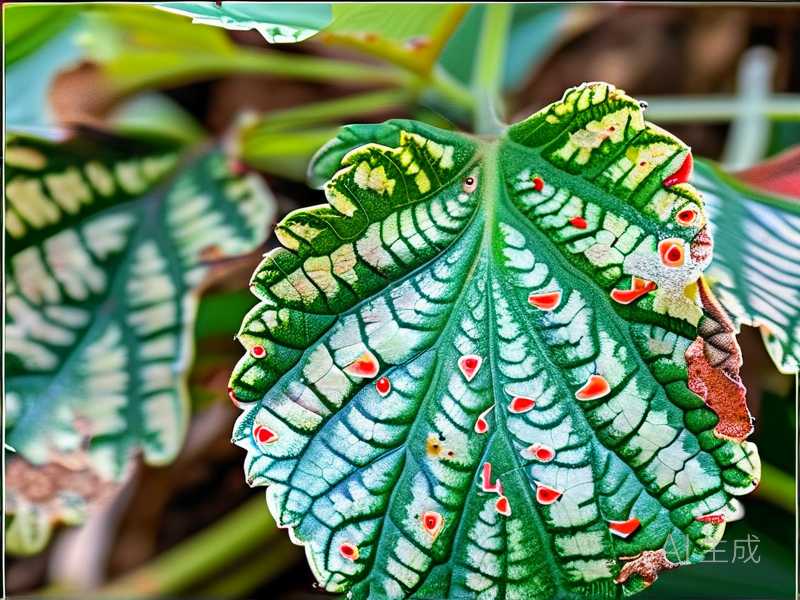
When I first started rejuvenating my old hibiscus, I noticed tiny white dots on the leaves. It turned out to be spider mites.
Spider mites love stressed plants. And an old, neglected hibiscus is a perfect target.
I wiped the leaves with a damp cloth. I used a neem oil spray once a week for three weeks. The mites disappeared.
Check your plant every few days. Look under the leaves. Catching a pest problem early makes it much easier to fix.
A Quick Word on Growth Patterns
After pruning, do not expect symmetry. The new growth will come in with its own personality.
Some stems will grow taller. Others will bush out more.
I let my plant grow naturally for a few weeks. Then I do a light trim to shape it. Nothing aggressive.
The goal is a full, healthy bush. Not a perfect sphere.
Should You Move It Outdoors?
If you live in a warm climate, you can move your rejuvenated hibiscus outside for the summer.
I did that last year. The plant loved it. The sunlight and fresh air made it explode with growth.
But there is a catch. You have to harden it off first.
I took my plant outside for one hour on the first day. Then two hours the next day. I slowly increased the time over a week.
This prevents sunburn. Yes, plants get sunburned too.
The Emotional Side of Plant Care
I think this is worth mentioning. When your plant looks sad, it affects your mood.
I felt bad every time I looked at my dying hibiscus. It felt like a sign of failure.
But when I saw those first new leaves appear, I felt a sense of relief. It was like the plant was forgiving me.
Gardening teaches patience. It teaches resilience. And it teaches you that even old, tired things can come back to life.
That is one reason I love growing hibiscus.
Long-Term Maintenance After Rejuvenation
Once your old hibiscus is healthy again, do not go back to old habits.
Keep consistent watering. Maintain good light. Check for pests.
I also rotate my plant every week. This prevents it from leaning toward the light.
I repot every two years. But only if the plant looks root-bound.
If the plant is happy in its pot, leave it alone.
Final Thoughts on Bringing Back an Old Hibiscus
I know it feels hopeless when your hibiscus looks like a bunch of sticks. But I promise you, it is not.
The process is simple. Prune hard. Repot correctly. Give it light. Water with care.
I have done it. Many others have done it. You can do it too.
And in two weeks, you will see the difference. Your old hibiscus will look like a new plant.
I hope this guide helps you. It took me multiple failures to figure it all out. But now, every time I see a struggling hibiscus, I get excited. I know exactly what to do.
If you have other questions, feel free to revisit this article. The answers are all here.