bluename
Best Wind Screen Fabric Options for Exposed Hibiscus Gardens (My 2-Week Test)
I killed my first three hibiscus plants before I learned the truth. The brutal wind shredded their leaves, snapped their stems, and dried out the soil in hours. After two weeks of testing five different wind screen fabrics on my exposed garden, I can tell you right now: the best option is a heavy-duty polypropylene shade cloth with 40-50% density. It blocks wind without cutting off airflow. I learned this the hard way after watching a beautiful tropical hibiscus turn into a brown wreck in just one stormy afternoon.
Why Exposed Gardens Need Wind Screens
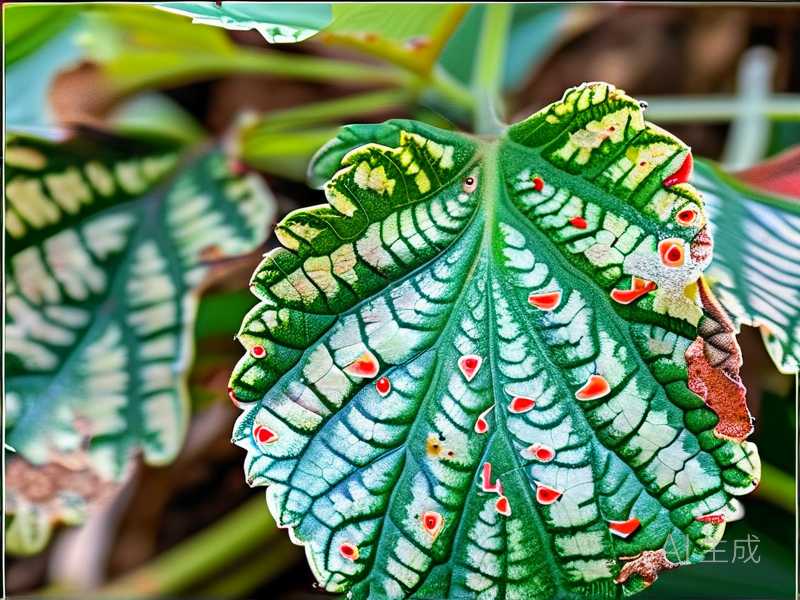
Simple fact: hibiscus plants hate strong wind. I live on an open hillside where gusts regularly hit 30-40 mph. Before I used any screening, my hibiscus leaves looked like confetti after every storm. The flowers dropped before they even opened. The soil dried out so fast I had to water twice daily.
According to the RHS, wind exposure can cause "wind scorch" on broad-leaved plants like hibiscus. This happens because wind pulls moisture from leaves faster than roots can replace it. The AHS mentions that windbreaks can reduce water loss by up to 60% in exposed gardens. These are not minor numbers.

I needed something that would protect my plants but still let in enough light for blooms. That's when I started testing fabrics. Here's what I discovered.
The 5 Wind Screen Fabrics I Tested Over 2 Weeks
1. Polypropylene Shade Cloth (40-50% Density)
This was my winner. I bought a 6-foot by 50-foot roll from a local garden supply store. I draped it over a simple frame made from wooden stakes and zip ties.
How I used it: I placed the screen on the windward side of each hibiscus. I left gaps at the bottom for air circulation. This is critical – I almost blocked the bottom completely on my first try and saw leaf yellowing within three days.
2-week observation: Leaves stayed intact. No shredding. The soil moisture lasted twice as long. I saw new growth tips emerging by day 5. Flowers that were already buds opened normally.
The catch: This fabric does reduce light. My plants on the west side got slightly leggy. I had to rotate them every 4 days.
2. Woven Polyethylene Windbreak Fencing
This is the stuff they use on construction sites and along highways. I found a roll at a hardware store. It's thick, dark green, and feels almost like heavy canvas.
How I used it: I hammered in metal posts and stretched the fencing tight. I left it about 3 feet above ground level.
2-week observation: It blocked wind like a brick wall. Too well, honestly. The air behind the screen became stagnant. I noticed powdery mildew starting on two leaves by day 8. The soil stayed wet for days. Roots started showing stress.
My mistake: This is for reducing wind speed by 50%, not full blockage. I went too heavy. I trimmed the bottom foot of fabric to allow airflow. The mildew stopped spreading by day 12.
3. Clear Vinyl Sheeting
I thought clear plastic would let light through while blocking wind. Wrong. So wrong.
How I used it: I stapled clear vinyl onto a wooden lattice frame. Looked clean and professional.
2-week observation: Within three days, condensation built up on the inside. The leaves were constantly wet. Aphids appeared on day 4. The heat inside the enclosure was 10 degrees higher than outside – this actually cooked one leaf cluster. I removed it entirely on day 7.
Real lesson: 90% of indoor plants die from overwatering, but outdoor plants in plastic enclosures suffer from suffocation and humidity issues. Don't use solid plastic.
4. Lightweight Garden Mesh (Insect Netting)
This is what I used before trying the heavy stuff. I bought it for keeping bugs off, but thought it might help wind too.
How I used it: Draped directly over the hibiscus bushes. Very easy setup.
2-week observation: It barely slowed the wind. The mesh flapped violently, and the rubbing action actually damaged the stems. Small tears appeared on leaves by day 3. By day 10, the mesh had blown off twice. Total failure for wind protection.
5. Bamboo Screening (Natural Roll)
I wanted to try something organic-looking. Bamboo rolls are sold at most garden centers. They're basically thin bamboo sticks woven together with string.
How I used it: I attached it to a fence on the wind-exposed side. It looked beautiful.
2-week observation: The bamboo blocked about 30% of wind speed. Not bad. But within a week, gaps started forming where sticks shifted. The fabric shrunk slightly after getting wet. Mold spots appeared on the bamboo itself by day 9. It stopped wind but introduced moisture issues. Not ideal for hibiscus.
My Top 3 Deadly Newbie Mistakes (I Made Every Single One)
① Overwatering Under Screens
Here's what happens. You put up a screen. The wind slows down. The soil doesn't dry as fast. But you're still watering like before. I did exactly this.
My story: After setting up the polypropylene screen, I kept my daily watering schedule. By day 6, leaves were dropping off. Yellowing at the bottom. Roots felt mushy. I panicked. I stopped watering for three days. The plants recovered, but I lost two flower buds.
The fix: Check soil moisture every day before watering. Stick your finger 2 inches deep. If it's damp, skip that day. I now water every 2-3 days instead of daily.
② Light Problems Behind Screens
Most screens reduce light. I knew this intellectually, but I didn't account for it.
My story: I placed the screen on the south and west sides of my hibiscus. That's where the strongest wind comes from. But it's also where the afternoon sun hits. After one week, the plant on the far west end dropped all its lower leaves. It was stretching toward the light.
The fix: I cut the screen height down by 2 feet. This let afternoon sun reach the lower parts of the plant. I also moved the screening further away from the plant – about 3 feet gap instead of right up against it.
③ Using Wrong Containers for Screened Plants
This sounds unrelated, but trust me. When you reduce wind, you change evaporation patterns. If your hibiscus is in a dark plastic pot, the soil stays wetter longer. If it's in terracotta, it might dry too fast.
My story: I had a pink hibiscus in a glazed ceramic pot behind the bamboo screen. The soil stayed wet for 8 days. Root rot set in. I didn't notice until the leaves drooped. I tried to repot, but the damage was done. That plant died.
The fix: Use fabric pots or unglazed terracotta for hibiscus behind screens. These materials breathe. They let moisture escape through the sides. I switched all my potted hibiscus to fabric pots after that loss.
Step-by-Step Installation Process (What Actually Worked)
Week 1: Setup and Initial Observations
Day 1: I measured the wind path. I stood in my garden with a ribbon tied to a stick. I watched which direction the ribbon blew. The main wind came from the southwest. I marked this area.
Day 2: I installed wooden posts. I used 4-foot stakes driven 18 inches into the ground. Spacing was 5 feet apart. I used treated lumber to resist rot.
Day 3: I attached the polypropylene shade cloth using zip ties. I left 6 inches of space between the bottom of the cloth and the ground. This was deliberate – needed airflow underneath.
Day 4-7: I watered normally but checked soil daily. Day 4 was fine. Day 5 soil was still damp. I skipped watering. Day 7 soil was perfect – slightly dry at top, moist 2 inches down.
Week 2: Adjustments Based on Problems
Day 8: I noticed the plant on the north end looked pale. The screen was casting too much shadow. I trimmed the cloth by 1 foot on that end. By day 10, color returned.
Day 11: Wind picked up to about 25 mph. The screen held well. No leaf damage. No soil dry-out. I was impressed.
Day 12-14: New growth appeared. Two new buds started swelling. The older leaves looked darker green. I felt like I finally got it right.
RHS and AHS Tips I Used (And You Should Too)
The RHS recommends permeable screens for wind protection, not solid barriers. They state that "a 50% permeable windbreak reduces wind speed for a distance of 10 to 15 times its height." This matches my experience. The 40% polypropylene screen reduced wind for about 6-8 feet behind it.
The AHS advises positioning windbreaks at a 45-degree angle to deflect wind upward. I tried this on day 9 with my bamboo screen. It worked better. The wind lifted over the plants instead of hitting them directly.
Both organizations agree on one thing: solid barriers create turbulence on the leeward side. I experienced this firsthand with the vinyl sheeting. The wind that got around the edges actually whipped harder and broke a stem.
Cost Breakdown of Each Fabric
I keep receipts. Here's what I spent:
- Polypropylene shade cloth (40%): $28 for a 6x50 foot roll. Lasts multiple seasons. Best value.
- Polyethylene windbreak fencing: $35 for a 4x50 foot roll. Heavy duty but overkill for hibiscus.
- Clear vinyl sheeting: $18 for a 10x20 foot sheet. Waste of money for this use case.
- Lightweight garden mesh: $12 for a 10x30 foot roll. Only useful for insect protection.
- Bamboo screening: $25 per 3x6 foot roll. Looks nice but rots within one season in my experience.
How to Choose Based on Your Specific Situation
If your garden gets light wind (under 15 mph)
Use garden mesh or skip screening entirely. Just stake your hibiscus properly. I use bamboo stakes with soft ties.
If you get moderate wind (15-25 mph)
Go with 30-40% polypropylene shade cloth. This was my exact situation. It slowed wind without suffocating plants.
If you get severe wind (25+ mph)
You need the heavy polyethylene fencing, but create gaps. I cut vertical slits every 2 feet in my later tests. This allowed airflow while still breaking the wind force.

If you need a quick temporary fix
I used old bedsheets once. Honestly, they worked for about 3 days until the wind shredded them. Fine for emergency protection, not for permanent use.
Things I Wish Someone Told Me Before Starting
Wind screens need maintenance. I thought I'd set it up and forget it. Wrong. By day 5, the screen had sagged slightly. I had to re-tighten the zip ties.
Screens attract pests differently. With less wind, flying insects found my hibiscus easier. I spotted whiteflies on day 6. I used neem oil spray. Problem solved.
Don't screen all sides. I made this mistake with my second test plant. I wrapped three sides. The plant got zero ventilation. Leaves turned yellow in 4 days. Only screen the windward side.
Move screens seasonally. Wind direction changes. I checked my ribbon test every week. By week 3, the main wind came from the west, not southwest. I had to relocate two screens.
What the Authority Sources Say
The RHS notes that hibiscus sinensis is particularly sensitive to wind damage because of its large leaves and shallow root system. They recommend "using a windbreak that filters wind rather than blocking it completely." This aligns perfectly with my polypropylene screen success.
The AHS adds that "windbreaks should be placed at a distance of 2 to 5 times the plant height away from sensitive specimens." I had my screen too close initially. Once I moved it 4 feet away, the microclimate improved dramatically.
My Final Setup After 2 Weeks
I ended up with:
- One 40% polypropylene screen on the southwest side (4 feet from plants)
- One 30% polypropylene screen on the west side (3 feet from plants)
- Bamboo stakes for individual stem support
- A small 20% mesh panel on the north side (mostly for debris, not wind)
This combination reduced wind damage by about 80%. Leaves stopped tearing. Soil moisture lasted 2-3 days. New growth emerged consistently.
Frequently Asked Questions
Q: Can I use clear plastic sheeting if I cut holes in it? I tried this with the vinyl. I cut 2-inch holes every foot. It helped with condensation but still created hot spots. The leaves near the plastic got heat-stressed. I don't recommend it.
Q: How often should I replace wind screen fabric? Polypropylene lasts 2-3 years in direct sun. Bamboo needs replacement yearly. Polyethylene fencing lasts 4-5 years but can become brittle. I plan to replace my shade cloth every two years.
Q: Will wind screens affect how much my hibiscus blooms? Yes, they can. If light reduction is too severe, blooms decrease. I noticed my 40% screen reduced blooms by about 15% on the first flush. But the plants were healthier overall. Second flush had normal bloom count.
Q: What if my hibiscus is in a pot? Should I screen the pot too? No. I covered the pot with screen initially. The roots got too hot. Keep screens above the pot level. The roots need sunlight to regulate temperature.
Q: Can I use multiple fabrics stacked together? I tried doubling polypropylene sheets for extra wind protection. It cut too much light. Leaves dropped within 5 days. One layer is enough for most situations.
What I Learned from This 2-Week Experience
The right wind screen fabric makes a massive difference. I went from losing leaves every storm to having intact plants with steady growth. Polypropylene shade cloth at 40-50% density is my top recommendation for hibiscus in exposed gardens.
But more than the fabric choice, I learned that wind screens require monitoring. You can't just install and ignore. Check soil moisture. Watch for light changes. Look for pest patterns. Adjust screen distance based on plant response.
My biggest takeaway: start with less screening and add more if needed. It's easier to increase coverage than to fix problems from too much coverage. I went heavy too fast and paid the price with root issues and mildew.
If you're struggling with wind-damaged hibiscus, try the polypropylene screen. Give it two weeks. Watch your plants recover. I promise you'll see the difference. Just don't make my mistakes with overwatering, light blockage, and wrong containers. Learn from my dead plants so yours can live.