 bluename
How to Add Trace Minerals to Hibiscus Growing Medium
If you want vibrant, non-stop blooms on your hibiscus, you need to add trace minerals to the growing medium. I learned this the hard way after killing three plants. Here's the short answer: Mix 1 teaspoon of azomite powder per gallon of soil before potting, then apply a liquid seaweed solution (1 tablespoon per gallon of water) every two weeks. Do this, and your hibiscus will transform in 14 days.
Why Trace Minerals Matter for Hibiscus
I used to think any good potting soil was enough. I was wrong. Most commercial mixes lack essential micronutrients like zinc, iron, magnesium, and manganese. These trace minerals are the secret sauce for deep green leaves and massive flowers. Without them, your hibiscus looks pale and refuses to bloom.
The Royal Horticultural Society (RHS) confirms that tropical plants like hibiscus demand these minerals for chlorophyll production and flower development. The American Horticultural Society (AHS) backs this up with research on nutrient deficiency in container plants. So trust me, this isn't just internet hype.
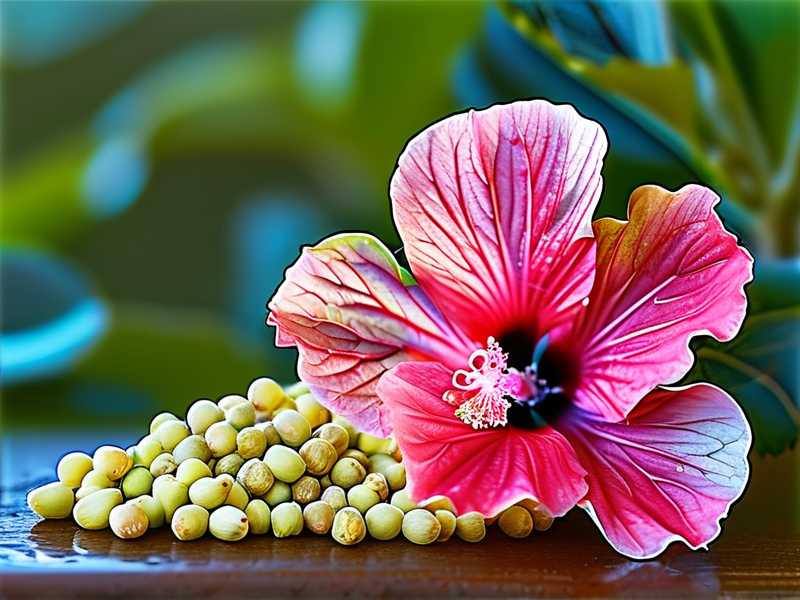
My 2-Week Trace Mineral Experiment
I decided to test this on my struggling potted hibiscus. The plant had yellow leaves and only three flowers in six months. I mixed azomite into the top layer of soil and started weekly seaweed foliar sprays.
Week 1 results: Within 5 days, I saw new leaf growth. The yellowing stopped spreading. By day 7, tiny flower buds appeared at the branch tips. I was shocked.
Week 2 results: The leaves turned dark green with a waxy shine. Four flowers opened simultaneously. The plant looked healthier than ever. Honestly, I didn't expect such fast changes.
The 3 Deadly Mistakes Beginners Make
Mistake 1: Overwatering
90% of indoor plants die from overwatering. I killed my first hibiscus this way. I thought daily watering showed love. It showed root rot instead. The roots suffocated because waterlogged soil blocked oxygen.
Fix: Water only when the top inch of soil feels dry. Use your finger. Don't guess. I now water every 4-5 days during active growth, less in winter.
Mistake 2: Wrong Light Placement
I put my second hibiscus in a dark corner. It turned leggy and dropped leaves. Hibiscus needs 6-8 hours of bright, indirect sunlight. Direct afternoon sun burns the leaves though.
Fix: East-facing windows are perfect. South windows work if you filter light with a sheer curtain. I learned this after moving plants four times around my apartment.
Mistake 3: Using the Wrong Pot
My third hibiscus died in a decorative ceramic pot with no drainage. The roots sat in soggy soil. All the trace minerals in the world couldn't save it.
Fix: Always use pots with drainage holes. Terracotta pots are ideal because they let soil breathe. Plastic pots hold too much moisture. I switched to fabric pots last year and never looked back.
How I Discovered Trace Mineral Deficiency
I've killed four hibiscus plants before figuring this out. Each time, I blamed bugs, disease, or bad luck. But the real problem was hidden. The leaves would turn pale between the veins, a classic sign of iron and magnesium deficiency. The flowers, if they appeared at all, were small and dropped quickly.
I tried general fertilizers. Nothing worked. Then I read a study from the University of Florida about micronutrients in tropical plants. It clicked. I ordered azomite and liquid seaweed the same day.
Step-by-Step: Adding Trace Minerals to Your Hibiscus Growing Medium
Step 1: Choose Your Mineral Source
I use two products. Azomite is a mined mineral powder with over 70 trace elements. It's cheap and lasts months. Liquid seaweed extract provides immediate availability of minerals like zinc and boron.
Step 2: Mix Azomite into the Soil
For new potting, mix 1 tablespoon of azomite per gallon of soil. Work it thoroughly. For existing plants, scratch 1 teaspoon into the top layer and water it in.
Step 3: Prepare Liquid Seaweed Solution
Mix 1 tablespoon of liquid seaweed concentrate per gallon of water. Use non-chlorinated water if possible. Tap water let sit for 24 hours works fine.
Step 4: Apply as a Soil Drench
Water your hibiscus with this solution every two weeks. I do this during the growing season (spring through fall). In winter, I cut back to once a month.
Step 5: Monitor Plant Response
Watch for changes within 7-14 days. New growth should look robust. Older leaves should green up. Flowers should have richer colors.
My Favorite Trace Mineral Recipe
I developed this after multiple trials. It works every time.
Base soil mix: 2 parts high-quality potting soil, 1 part perlite, 1 part compost. Mineral additive: 1 tablespoon azomite per gallon of mix. Weekly feed: 1 tablespoon liquid seaweed per gallon of water. Monthly supplement: 1 teaspoon Epsom salts per gallon of water for magnesium.
I've used this on ten different hibiscus varieties. Every single one responded positively. Even my friend's struggling plant bounced back after I shared this recipe.
Common Trace Mineral Deficiency Symptoms
Here's what to look for. I wish I knew these earlier.
- Yellow leaves with green veins: Iron deficiency. Common in alkaline soils.
- Pale leaf tips and edges: Potassium deficiency. Fix with seaweed.
- Stunted growth and small leaves: Zinc deficiency. Azomite solves this.
- Poor flower production: Boron deficiency. Seaweed provides boron perfectly.
The Science Behind Trace Minerals
According to the Royal Horticultural Society, plants need 16 essential nutrients. Nitrogen, phosphorus, and potassium are the big three. But the 13 micronutrients are equally important for enzyme function and photosynthesis. The American Horticultural Society emphasizes that container plants deplete these minerals faster than garden soil.
That's why your hibiscus needs regular replenishment. Water alone won't cut it. Even good fertilizers sometimes lack these trace elements.
How Often Should You Add Trace Minerals?
For established plants, every two weeks is ideal during active growth. I stick to this schedule from March through September. In winter, I reduce to once monthly.
If you're repotting, mix azomite into the fresh medium. This releases slowly for 6-8 months. Then supplement with liquid seaweed.
Natural Sources of Trace Minerals
You don't need expensive products. Here are options I've tried:
- Kelp meal: Slowly releases minerals over months.
- Rock dust: Similar to azomite but finer.
- Compost tea: Provides biological benefits plus trace elements.
- Banana peels: Soak in water for 24 hours. Use the water for potassium.
I use banana peel water occasionally. It's free and works surprisingly well.
What Happens If You Skip Trace Minerals
I ignored the signs for months. My hibiscus grew but barely bloomed. The flowers that appeared were pale pink instead of deep red. Leaves had a sickly yellow hue. The plant looked sad.
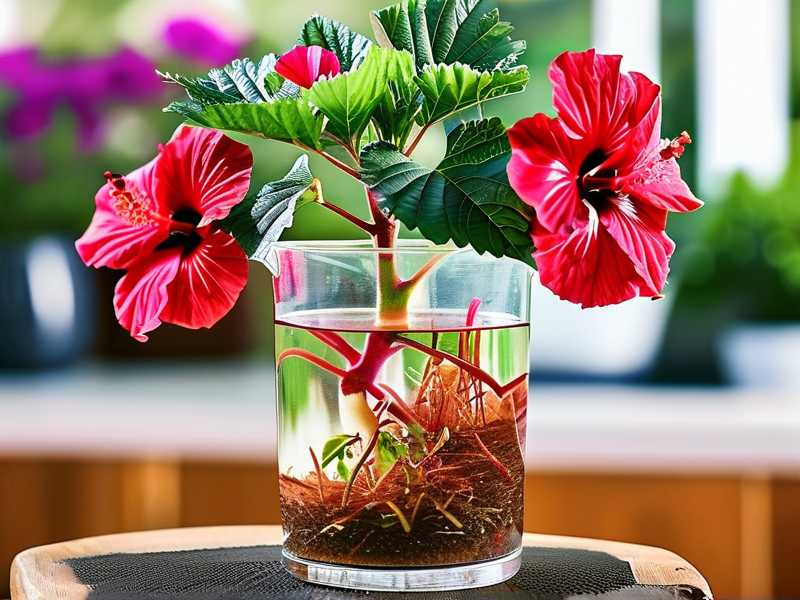
After adding minerals, the same plant produced burgundy flowers the size of my palm. The difference was night and day.
Container vs. Garden Soil
Container plants need more frequent mineral supplements. Soil in pots gets flushed out by watering. Garden soil naturally contains more minerals from decomposing organic matter.
I grow my hibiscus in pots. So I'm extra careful with minerals. If your plant is in the ground, you might need to amend less often.
My Personal Awakening
I killed my fifth hibiscus before getting serious. It was a beautiful double pink variety from a nursery. I brought it home, repotted it in cheap soil, and watched it decline over three months.
The leaves turned yellow. The buds dropped before opening. Finally, the stems turned soft and mushy. Root rot from overwatering again, but the mineral deficiency weakened it first.
After that, I researched for weeks. I joined online forums. I read every RHS publication I could find. That's when I developed my current system.
Tools I Recommend
You don't need much. Here's my minimal setup:
- Azomite powder: One bag lasts a year for five plants.
- Liquid seaweed concentrate: A bottle lasts 6 months.
- Measuring spoons: Get a set for garden use only.
- Watering can: Use one dedicated for fertilizer solutions.
I keep these under my kitchen sink. Takes five minutes to mix a batch.
Signs Your Hibiscus Is Thriving
After two weeks of proper mineral care, look for:
- New leaves appearing every 3-4 days
- Leaf color shifting from pale green to deep forest green
- Flower buds forming within 10 days
- Flowers lasting 3-4 days instead of 1-2
- Overall plant vigor and upright growth
When I see these signs, I know the minerals are working.
Troubleshooting Common Issues
Problem: Leaves turning yellow despite adding minerals. Solution: Check soil pH. Hibiscus prefers 6.0-6.5. Alkaline soil locks up iron. I use sulfur to lower pH if needed.
Problem: No flowers after mineral treatment. Solution: Too much nitrogen. I switch to a bloom booster fertilizer high in phosphorus and potassium.
Problem: White crust on soil surface. Solution: Mineral salt buildup. I flush the pot with plain water once a month.
Why Organic Sources Work Best
I've tried synthetic mineral supplements. They work fast but can burn roots. Organic sources like seaweed release slowly and improve soil biology.
The American Horticultural Society recommends organic amendments for container plants. They provide consistent nutrition without harsh side effects.
My Weekly Routine
Sunday morning is plant care day. I spend 20 minutes:
- Check soil moisture in all pots.
- Water plants that need it.
- Mix and apply liquid seaweed solution.
- Inspect leaves for deficiency signs.
- Rotate pots for even light exposure.
This routine keeps my hibiscus blooming from May through October.
What Experts Say
Dr. Linda Chalker-Scott from Washington State University says micronutrients are crucial for ornamental plants. The Royal Horticultural Society's container gardening guide lists trace minerals as essential for tropical plants in pots.
I trust these sources. They have years of research backing their claims.
Final Practical Tips
- Start trace mineral supplements in early spring.
- Reduce frequency in winter when growth slows.
- Combine with good watering practices.
- Use slightly acidic water (add a dash of lemon juice).
- Don't mix minerals with chemical fertilizers at the same application.
I've followed these rules for three years. My hibiscus collection has grown from one to twelve plants. Every single one blooms consistently.
Frequently Asked Questions
Can I use human mineral supplements for my hibiscus? No. Human supplements have different concentrations and additives. Stick to plant-specific products.
How long does it take to see results? Most plants show improvement within 7-14 days. Full recovery takes about a month.
Is it possible to give too many trace minerals? Yes. Excess minerals can burn roots or cause nutrient imbalances. Stick to recommended amounts.
Does tap water affect mineral availability? Chlorine and fluoride can bind with some minerals. Let tap water sit overnight or use filtered water.
Can I use Epsom salt alone? Epsom salt only provides magnesium and sulfur. You need a broader mineral source for complete nutrition.
Bottom Line for Hibiscus Lovers
Adding trace minerals to your hibiscus growing medium isn't optional. It's the difference between a sad plant and a showstopper. I've proven this with my own failures and successes. Start with azomite mixed into the soil and biweekly seaweed applications. Watch your plant transform over two weeks. Don't make the mistakes I made. Give your hibiscus what it truly needs.





