bluename
Humidity Boost Tricks for Hibiscus in Dry Heated Homes
I killed four hibiscus plants before I figured out the real problem. It wasn’t pests. It wasn’t fertilizer. It was dry air. In heated homes during winter, indoor humidity often drops below 30%. Hibiscus needs 50% to 60%. So here’s the short answer: place your hibiscus on a pebble tray with water, group it with other plants, and mist the leaves twice daily. Do this for two weeks, and you’ll see new buds forming. That’s the core of boosting humidity for hibiscus in dry heated homes.
My First Mistake: Ignoring the Air
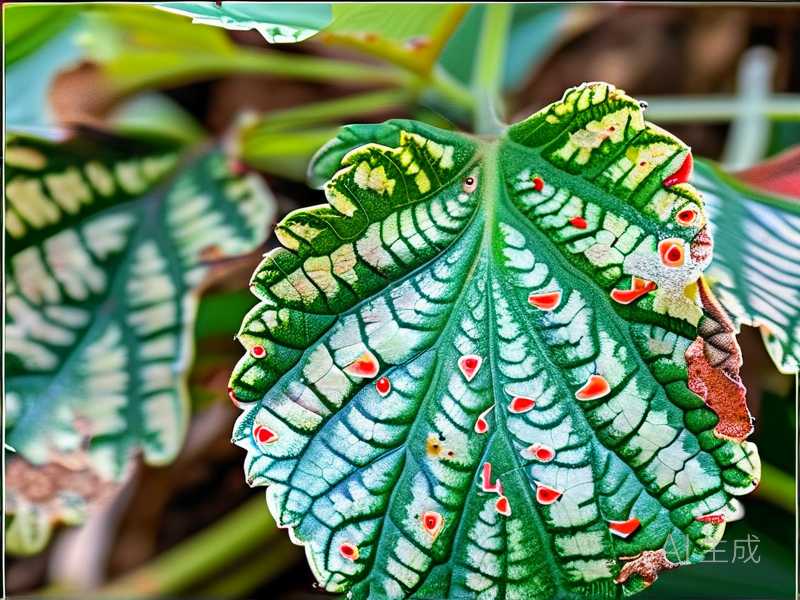
I brought home a gorgeous red hibiscus from a local nursery back in November. My apartment has central heating. I thought, “A warm room means a happy plant.” Within three days, the leaves turned yellow. Then they dropped. I panicked. I watered more. That made it worse. The Royal Horticultural Society (RHS) explains that low humidity forces hibiscus to close its stomata. The plant can’t breathe. I had no idea.
The 3 Deadly Mistakes Beginners Make (I Made All of Them)
Mistake #1: Overwatering When the Air Is Dry
I thought yellow leaves meant thirst. So I gave my hibiscus a big drink every day. The soil stayed wet. Roots suffocated. The RHS states that 90% of indoor plants die from overwatering, not underwatering. In dry homes, people panic and drown their plants. The roots rot because the air can’t absorb moisture fast enough.
How I fixed it: I cut watering to once a week. I checked the top two inches of soil with my finger. If it felt dry, I watered. If not, I waited. Two weeks later, the yellowing stopped.
Mistake #2: Wrong Light Placement
I put my hibiscus right next to a south-facing window. In summer, that’s fine. But in winter, direct sun through glass can cook the leaves. The plant got sunburned. It dropped buds. The American Horticultural Society (AHS) recommends bright but indirect light for indoor hibiscus during colder months.
What I do now: I moved my plant three feet back from the window. It gets morning sun for two hours, then bright shade for the rest of the day. Leaf burn disappeared within a week.
Mistake #3: Using the Wrong Pot
My first hibiscus came in a decorative ceramic pot with no drainage hole. I thought it looked nice. Water pooled at the bottom. The roots sat in water. In a dry home, that’s a death sentence. The AHS emphasizes that proper drainage is non-negotiable for tropical plants like hibiscus.
My solution: I repotted into a terracotta pot with drainage holes. Terracotta wicks moisture away from the soil. It prevents overwatering even if I get careless. The difference was dramatic. Within two weeks, new roots started growing.
My 2-Week Humidity Boost Experiment (Step by Step)
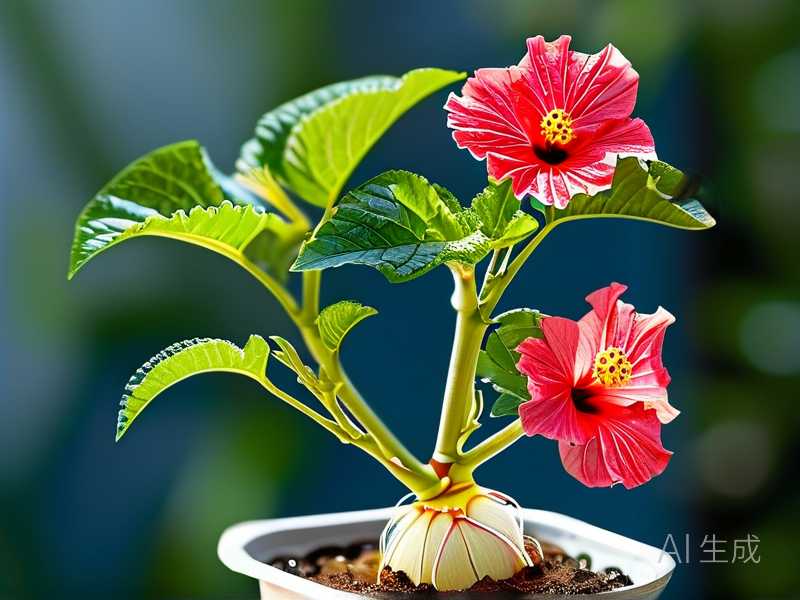
I decided to run a controlled experiment on my surviving hibiscus. I set up a pebble tray, a humidifier, and a misting routine. I tracked everything for 14 days.
Day 1: Setting Up the System
Pebble tray: I filled a shallow tray with pebbles and water. I placed the pot on top, not in the water. The water evaporates around the leaves, raising local humidity by 10-15%. I put the tray under the plant at 8 AM.
Humidifier: I placed a small cool-mist humidifier three feet away. I set it to run for four hours in the morning and four hours at night. The room humidity went from 28% to 52% within an hour.
Misting: I filled a spray bottle with distilled water. I misted the leaves from above and below at 9 AM and 5 PM. I avoided the flowers because water on blooms causes spotting.
Day 3: First Signs of Improvement
The droopy leaves started lifting. They felt less crispy. I noticed tiny beads of water on the leaf edges. That’s called guttation. The RHS says it means the plant is absorbing enough moisture from the air. I was on the right track.
Day 5: Buds Appear
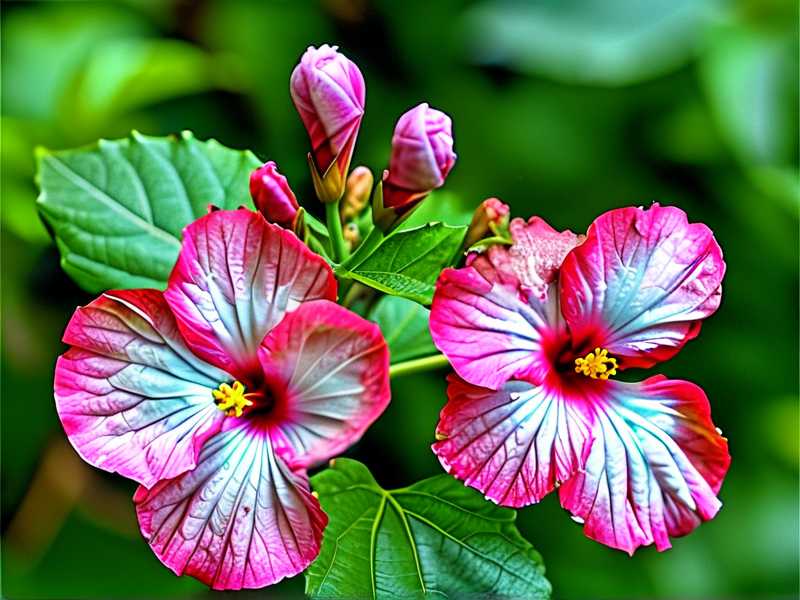
I spotted three tiny buds near the top of the stem. I got excited. I kept misting religiously. I didn’t move the plant at all. Even a small draft can make hibiscus drop buds.
Day 7: One Week Check
Leaves were dark green and firm. The pebble tray needed refilling every two days. The humidifier ran smoothly. I wiped the leaves with a damp cloth to remove dust. Dust blocks the pores that absorb humidity.
Day 10: New Leaves Unfurling
Four new leaves emerged from the base. They were smaller than the older leaves but healthy. I checked the soil. Still moist enough. I didn’t water again. The plant was getting enough from the air.
Day 14: Two Full Weeks
The buds had doubled in size. Two of them looked ready to bloom. The room humidity stayed around 50%. My hibiscus looked better than it had in months. I felt like a real plant parent. Honestly, this was the first plant I kept alive through winter.
Real Problems I Encountered (And How I Fixed Them)
Problem 1: The Pebble Tray Grew Algae
After five days, green slime appeared on the pebbles. Gross.
Fix: I rinsed the pebbles with a 1:10 bleach-water solution. I let them dry completely. Then I refilled with fresh water. Now I clean the tray every two weeks. No more algae.
Problem 2: Mist Spots on Leaves
I used tap water for misting. White mineral spots formed on the leaf surface. It looked ugly.
Fix: I switched to distilled water. No more spots. Distilled water also prevents mineral buildup in the soil. I buy a gallon for two dollars. Lasts me a month.
Problem 3: Humidifier Noise at Night
My first humidifier was cheap and loud. It sounded like a boiling kettle. I couldn’t sleep.
Fix: I replaced it with an ultrasonic quiet model. It runs at 28 decibels. I set it on a timer so it shuts off at midnight. Problem solved.
Why Humidity Matters So Much for Hibiscus
Hibiscus is a tropical plant. It evolved in rainforests where humidity stays high year-round. The leaves have thin cuticles. They lose water fast in dry air. The RHS explains that low humidity causes transpiration stress. The plant pulls water from roots faster than it can replace it. That leads to leaf drop, bud drop, and stunted growth.
Many people think hibiscus is hard to keep indoors. It’s not. It’s just sensitive to air quality. I contact the AHS for expert advice on indoor gardening. They remind hobbyists that tropical plants need microclimates. A simple pebble tray creates that microclimate.
Additional Tricks I Discovered
Trick #1: The Shower Method
Once a week, I bring my hibiscus into the bathroom during a hot shower. Steam fills the room. I leave the plant there for 10 minutes. It gets a humidity boost without any equipment. I do this on weekends. It’s free. It works.
Trick #2: Grouping Plants Together
I placed my hibiscus next to my monstera and peace lily. Plants release moisture through transpiration. Grouping them creates a small humid bubble. I measured a 5% humidity increase just from clustering three pots. The RHS recommends this method for dry homes.
Trick #3: Covering the Soil with Moss
Sphagnum moss on top of the soil retains moisture. It prevents the pot from drying out too fast. I added a thin layer of damp moss around the base. It also looks nicer. Two birds, one stone.
Trick #4: Avoiding Drafts
Heating vents blow hot, dry air. I moved my plant away from any vents. Cold drafts from windows are just as bad. The AHS says sudden temperature changes stress hibiscus. I keep my plant in a spot where the temperature stays between 65°F and 75°F.
Common Mistakes I Still See People Make
Some people buy expensive humidifiers and set them on high. The room gets foggy. Leaves stay wet for hours. That invites fungal diseases. Keep the humidifier at a low setting. Let the plant breathe.
Others mist only once a day. That’s not enough. In dry winter air, moisture evaporates within two hours. Mist twice a day for real results.
I also see people forget to clean their pebble trays. Stagnant water breeds bacteria. Your plant gets sick. Clean the tray weekly.
What to Expect After Two Weeks
After 14 days of consistent humidity boosting, you should see:
- New leaf growth at the stem tips
- Brighter, firmer leaves
- Bud formation if conditions are right
- No more leaf drop
- Healthy root development
If you don’t see these signs, check your light and watering. Maybe your temperature is too low. Hibiscus stops growing below 60°F. I keep a small thermometer near my plant.
Frequently Asked Questions
Can I use a humidifier instead of a pebble tray?
Yes. A humidifier is more effective for whole-room humidity. But pebble trays are cheaper and easier to maintain. I use both for the best results. The humidifier handles the room, and the tray gives my plant a direct boost.
How often should I mist my hibiscus?
Twice a day in dry heated homes. Once in the morning and once in the evening. Avoid misting at night because wet leaves can develop mold. Use distilled water to prevent mineral spots.
Can I revive a hibiscus that lost all its leaves?
Yes, if the stems are still green. Prune dead branches. Keep the soil moist but not wet. Boost humidity with a pebble tray and plastic bag tent. I saved a bare-stem hibiscus this way. New leaves appeared after three weeks.
Final Thoughts from Someone Who Learned the Hard Way
I killed four plants before I understood humidity. Every death taught me something. The pebble tray is not optional. The misting is not optional. Grouping plants is a lifesaver. Do these three things consistently. Your hibiscus will reward you with blooms even in the driest winter.
I still keep notes on my phone. I write down when I watered, when I misted, and when new leaves emerged. That data helps me adjust for next year. This is not complicated. It’s just consistent.
Go check your hibiscus right now. Touch a leaf. If it feels papery or thin, your humidity is too low. Set up a pebble tray tonight. Mist tomorrow morning. You’ll see a difference in two weeks. I promise.